

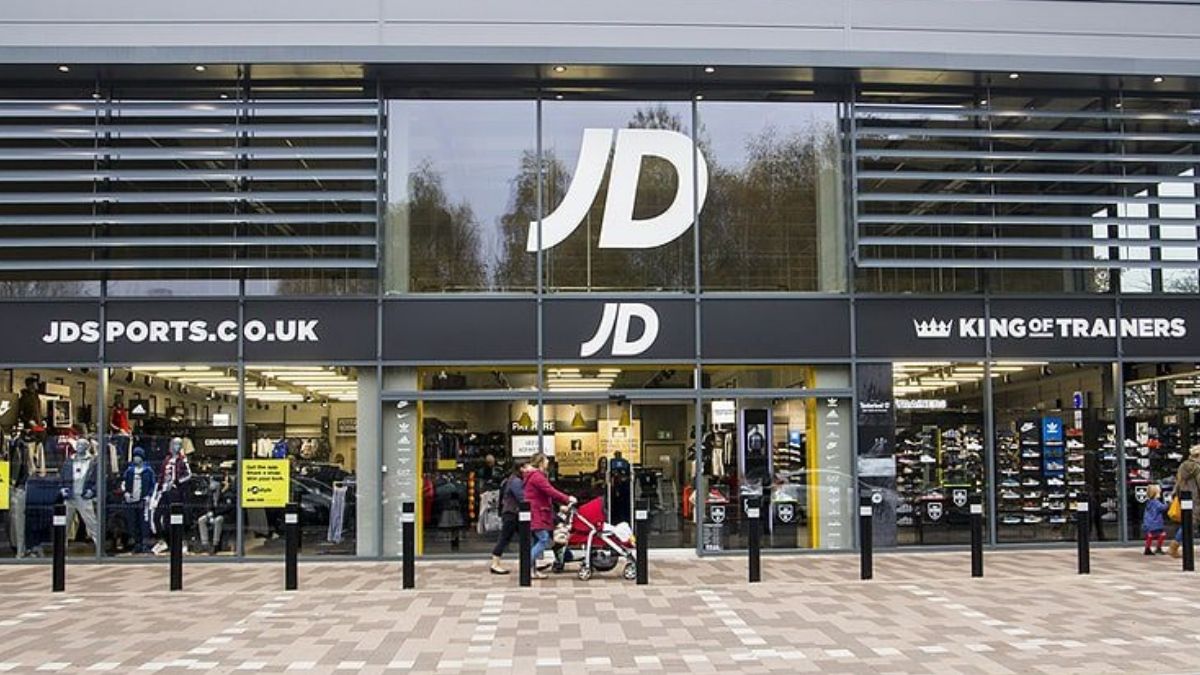
Buying sneakers today is no longer simply a matter of finding a comfortable pair in the right size. The same shoe can be marketed for running, basketball, lifestyle wear, training, or everyday use, while popular models can also carry a strong fashion appeal.
That creates a problem for shoppers: it is easy to choose based on appearance, brand recognition, or a temporary trend rather than how the product will actually be used. JD Sports approaches the US market from a different position than a single-brand retailer.
Its selection brings together major names such as Nike, Jordan, adidas, New Balance, ASICS, HOKA, On, Puma, Vans, UGG, The North Face, and others across footwear, apparel, and accessories. That makes JD Sports particularly useful for shoppers who want to compare styles and categories in one place.
The more valuable way to use the retailer, however, is to start with the intended activity and then narrow the choices down. A running shoe should not be selected using the same criteria as a lifestyle sneaker, and a basketball shoe should not be evaluated like a casual everyday pair.
JD Sports at a Glance
| Shopping need | What to prioritize |
| Everyday sneakers | Comfort, versatility, durability |
| Running | Cushioning, fit, stability, intended mileage |
| Basketball | Traction, lockdown, support |
| Gym/training | Stability, flexibility, lateral support |
| Streetwear | Silhouette, colorway, styling versatility |
| Kids’ footwear | Fit, durability, ease of use |
| Apparel | Fabric, layering, activity, fit |
| Limited sneaker releases | Release information, availability, sizing |
JD Sports currently organizes its US site around men’s, women’s, and kids’ footwear and clothing, while also highlighting collections such as Jordan Retro, New Balance, Air Max, boots, sweatshirts, joggers, matching sets, and outerwear. That breadth is useful, but it also means shoppers need a method for narrowing down the selection.
Start With the Shoe’s Purpose, Not the Brand
One of the easiest mistakes when shopping for sneakers is beginning with a brand name. A shopper might decide they want Nike, adidas, or New Balance and then select a model based primarily on appearance. That approach can work for casual footwear, but it becomes less reliable when the shoe is intended for a specific activity. The better starting point is the question:
What will the shoe actually be used for?
A pair worn for commuting and weekend errands has different requirements from a shoe used for five-mile runs. Similarly, a basketball shoe needs traction and court-specific support that may be unnecessary in an everyday sneaker.
JD Sports’ current men’s selection, for example, separates categories including running shoes, lifestyle shoes, and basketball shoes. This categorization is more than a browsing convenience. It can help prevent a common purchasing mistake: expecting one sneaker to perform equally well across completely different activities.
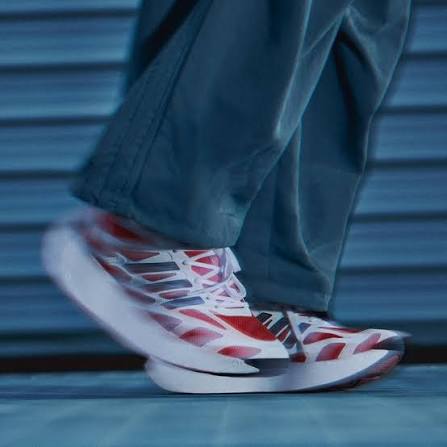
Running Shoes: Look Beyond Cushioning
Running shoes are often judged by how soft or comfortable they feel when first tried on. While comfort matters, it is not the only consideration. A runner should consider:
- Running frequency
- Typical distance
- Road versus trail use
- Preferred cushioning level
- Foot fit
- Stability requirements
- Shoe weight
- Intended pace
For someone who runs occasionally, an everyday road-running shoe may make more sense than an aggressive performance model. A frequent runner may have different requirements, particularly if the shoe will accumulate substantial mileage.
JD Sports carries running-focused brands including ASICS, Brooks, HOKA, New Balance, On, Saucony, and Nike. The advantage of shopping across several brands is that the comparison can focus on the characteristics of the shoe rather than loyalty to one manufacturer.
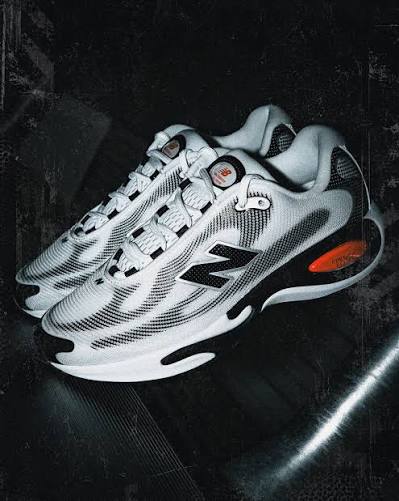
Lifestyle Sneakers: Versatility Often Matters More Than Hype
Lifestyle sneakers occupy a different category. They may be worn with jeans, joggers, shorts, or casual work outfits, making versatility one of the most useful factors to consider. A highly distinctive sneaker may look excellent with one outfit but become difficult to style repeatedly.
A more understated silhouette can potentially work across a much wider wardrobe. JD Sports highlights lifestyle-oriented collections alongside performance footwear, including Air Max, Jordan, New Balance, adidas, Vans, and other popular brands. For an everyday sneaker, shoppers should consider:
Comfort
A stylish sneaker that becomes uncomfortable after several hours is unlikely to become a reliable everyday option.
Color
Neutral colors can work with more outfits, while bold colorways can become the focal point of an outfit.
Material
Leather, suede, mesh, synthetic materials, and textile uppers can behave differently in terms of breathability, maintenance, and durability.
Silhouette
Low-profile sneakers can create a very different look from chunky or high-volume designs.
This makes style selection more personal than simply choosing the most popular release.
Basketball Shoes Require a Different Checklist
Basketball footwear should not be selected primarily as a fashion sneaker. Court movement involves repeated acceleration, stopping, jumping, and lateral movement. Traction, fit, lockdown, cushioning, and support can therefore become more important than how the shoe looks with everyday clothing.
JD Sports includes basketball shoes as a dedicated category within its men’s footwear selection. For regular court use, the important question is whether the shoe is designed for the demands of basketball rather than whether it happens to be associated with a famous player or popular sneaker line. A basketball shoe can still function as casual footwear, but the reverse is not necessarily true.
The Same Retailer Can Serve Different Wardrobes
Another reason JD Sports is useful for US shoppers is that its selection extends beyond sneakers. The retailer carries men’s, women’s, and kids’ clothing alongside footwear, with categories including hoodies, sweatshirts, shorts, shirts, jackets, and matching sets.
This makes it possible to approach a purchase as an outfit rather than as an isolated sneaker. For example, a retro sneaker may work particularly well with relaxed denim and a simple sweatshirt, while performance running shoes are better paired with technical activewear.
That distinction can help prevent another common mistake: buying a sneaker because it looks good in isolation without considering whether it actually fits the existing wardrobe.

Why Brand Selection Matters
JD Sports’ multi-brand model is one of its most useful characteristics. Its current US brand directory includes major athletic and lifestyle names such as Nike, Jordan, adidas, New Balance, ASICS, Brooks, HOKA, On, Puma, Reebok, Saucony, The North Face, Timberland, UGG, Vans, and others.
This creates an opportunity for comparison. For example, someone looking for a running shoe can investigate multiple running-focused brands instead of assuming that the most familiar logo automatically represents the best option.
Similarly, someone looking for a casual sneaker can compare retro, running-inspired, skate, and basketball-influenced silhouettes. The key benefit is not simply having more brands. It is having more opportunities to compare products based on their actual purpose.
JD Sports and Sneaker Releases
For sneaker enthusiasts, availability can be as important as product selection. Popular releases can sell quickly, and knowing when a sneaker is scheduled to launch can make a meaningful difference.
JD Sports maintains a sneaker release calendar and describes it as a guide to upcoming sneaker drops, including popular models and releases. This makes the retailer particularly relevant for shoppers who follow new Jordan, Nike, adidas, and other major releases.
However, release-focused shopping requires a different mindset from ordinary footwear shopping. The most important questions become:
- Is the model suitable for the intended use?
- Is the sizing familiar?
- Is the price justified?
- Is the shoe being purchased for wear or collecting?
- Would a less-hyped alternative offer better everyday value?
The last question is especially useful. Popularity does not necessarily equal suitability.
Using JD Sports STATUS More Strategically
JD Sports also has a loyalty program called STATUS. The program is free to join and provides members with opportunities to earn points on qualifying purchases, with rewards that can include JD Cash, special offers, free shipping, and access to certain products or experiences.
For frequent shoppers, this is more relevant than it may initially appear. The value of a loyalty program depends largely on purchasing frequency. Someone buying one pair of sneakers every few years may not receive the same practical benefit as someone regularly purchasing footwear, sportswear, or children’s shoes.
STATUS can therefore be viewed as a useful consideration for repeat customers rather than a reason by itself to make an unnecessary purchase. The current JD Sports site also promotes STATUS membership and rewards directly to shoppers.
Online Shopping vs. In-Store Shopping
Sneakers are one category where physical shopping can still have a meaningful advantage. Trying on a shoe allows shoppers to assess:
- Toe-box space
- Heel movement
- Overall width
- Cushioning feel
- Arch comfort
- Walking comfort
- Whether the shoe feels secure
This can be particularly important when trying a different brand or silhouette for the first time. At the same time, online shopping provides a much larger browsing environment and makes it easier to compare colors, sizes, and categories.
JD Sports also supports buy-online, pick-up-in-store options at participating locations. Its US store information explains that customers can select store pickup during checkout and collect the order after receiving confirmation. This creates a useful middle ground: the purchase can be made online while the fulfillment happens locally.
Don’t Ignore the Return Policy
Returns are particularly important when buying footwear online. Sizing can vary between brands and even between different sneaker designs from the same brand. A shoe that appears to fit based on the listed size may not feel right once worn.
JD Sports states that eligible online purchases can be returned in JD Sports or Finish Line stores in the US and US territories or by mail, subject to the applicable return-policy requirements. The exact conditions should always be checked before purchasing, particularly for sale items, worn footwear, or special releases.
Understanding the return process before ordering can prevent an inexpensive-looking deal from becoming an inconvenient purchase.
A Better Way to Shop JD Sports
Rather than browsing thousands of products without a clear objective, shoppers can use a simple four-step process.
Step 1: Define the use
Decide whether the product is for running, basketball, training, everyday wear, fashion, or another activity.
Step 2: Set the practical requirements
Consider comfort, fit, durability, weather, frequency of use, and required performance.
Step 3: Compare brands and silhouettes
Only after identifying the requirements should brand and design become the deciding factors.
Step 4: Check the total purchase value
Look at the regular price, current promotion, available rewards, return terms, and whether the item will realistically be worn enough to justify the cost. This process shifts the focus from impulse buying to useful buying.
Is JD Sports Worth Considering?
JD Sports is most useful for shoppers who want access to a broad selection of sneakers, athletic footwear, sportswear, and lifestyle brands rather than limiting themselves to one manufacturer.
Its US assortment spans major athletic brands and fashion-oriented labels, while its product categories cover men, women, and kids. The retailer also provides tools that can make shopping more practical, including store pickup, a sneaker release calendar, STATUS rewards, and its JD Assist shopping assistant.
But the real value depends on how the selection is used. A large catalog can make it easier to find the right product, but it can also make impulse purchases easier. The best approach is to identify the intended use first, compare products based on meaningful features, and then consider style and brand.
Final Takeaway
JD Sports is more useful when treated as a multi-brand sportswear marketplace than as simply another sneaker store. Its selection gives US shoppers access to major footwear and apparel brands across performance and lifestyle categories, while its release information, loyalty program, online ordering, and store services add practical value.
The smartest purchase, however, is rarely determined by the most popular sneaker or the most recognizable logo. A runner needs a running shoe. A basketball player needs court-specific footwear. A commuter needs comfort and versatility.
A fashion-focused shopper may care more about silhouette and styling. A parent buying for a child needs to consider fit, durability, and how quickly the child is likely to outgrow the shoe. Once those requirements are clear, JD Sports’ broad selection becomes an advantage rather than an overwhelming catalog.
The goal is not to find the most hyped product on the site. It is to find the product that earns its place in the wardrobe or training routine through actual use.







Leave feedback about this