

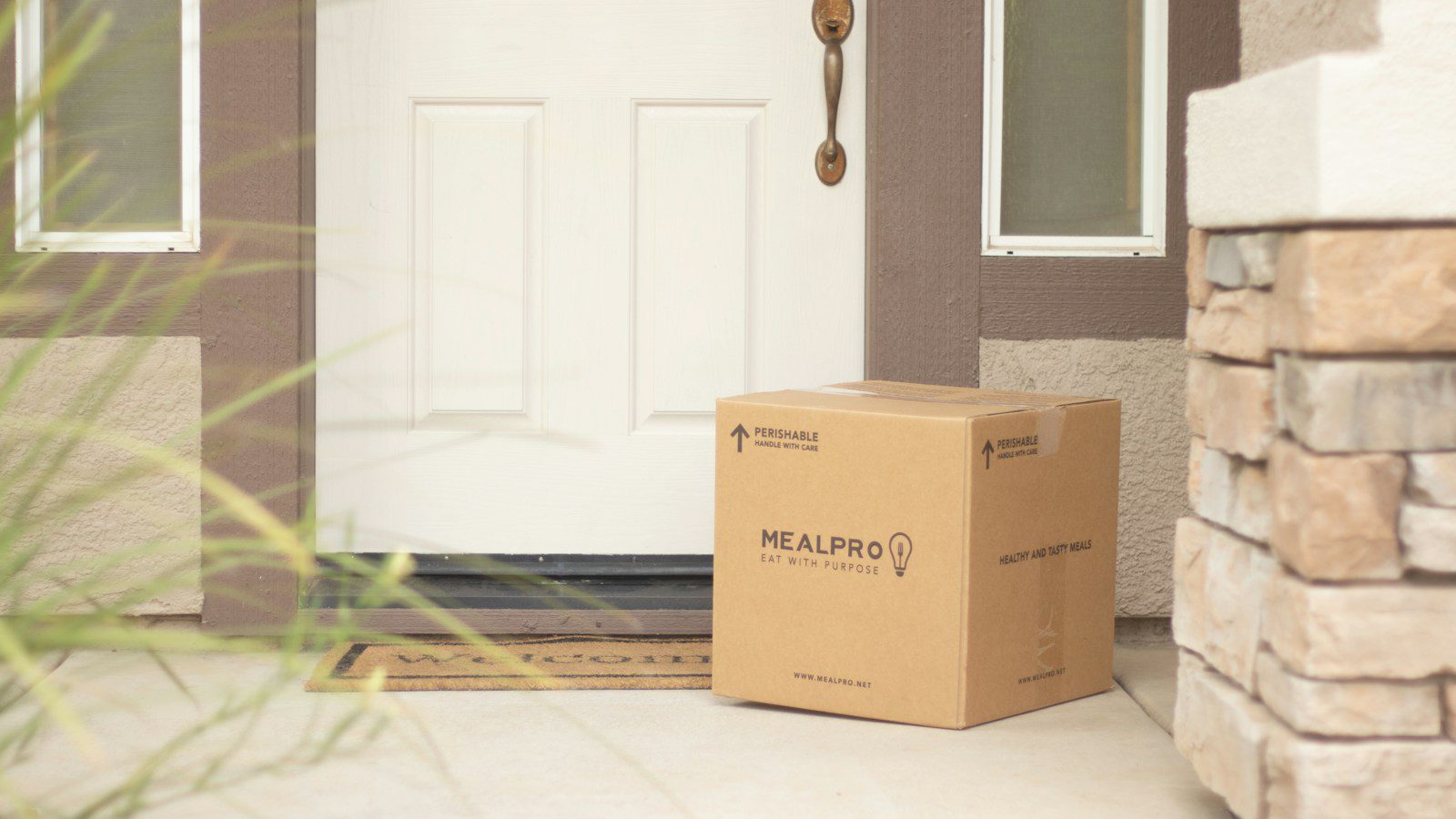
Knowing how to calculate import costs for clothing shipped to Canada can prevent unpleasant surprises at the door. A jacket that appears affordable at a US checkout may arrive with customs duties, sales tax, brokerage charges and currency conversion fees added afterwards. This guide explains each cost component, shows a simple formula, and highlights what Canadian shoppers should confirm before paying. It addresses common questions about clothing import fees Canada buyers encounter, including the effect of where a garment was manufactured and which province you live in.
The Main Costs Behind Cross-Border Clothing Orders
When an order crosses the border, several charges may apply on top of the item price. Understanding them individually makes the total far easier to estimate.
- Customs duty: a percentage of the goods’ value, depending on the item and its country of origin.
- Sales tax: GST or HST, and in some provinces PST or QST, applied to the value plus any duty.
- Shipping and insurance: the carrier’s delivery charge, which may be shown separately.
- Brokerage or handling fees: charged by couriers or postal services for processing customs.
- Currency conversion: the cost of paying in US dollars with a Canadian card or account.
Duties and Taxes on US Fashion Orders
Many shoppers assume that buying from a US store means duty-free delivery. That is not always the case. Under the Canada-United States-Mexico Agreement (CUSMA), goods that originate in the United States or Mexico may qualify for duty-free treatment, but a garment sold by a US retailer is often manufactured elsewhere, so the origin is what counts, not the store’s location. Apparel from other countries can attract duty rates that vary by product category, so check the origin label or product page.
GST, HST and Provincial Sales Taxes
Sales tax is generally charged on the combined value of the goods and any applicable duty. Rates differ by province, as shown below. These figures are general guidance; confirm current rates with the Canada Revenue Agency or your carrier.
| Province or Region | Typical Tax Applied |
|---|---|
| Alberta, territories | 5% GST |
| Ontario | 13% HST |
| Atlantic provinces | 15% HST |
| Quebec | 5% GST plus 9.975% QST |
| British Columbia | 5% GST plus 7% PST |
| Manitoba, Saskatchewan | 5% GST plus provincial PST |
A Simple Formula to Estimate Your Landed Cost
Use this step-by-step approach to estimate the final price of a cross border clothing order costs scenario before you click buy.
- Convert the item price from US dollars to Canadian dollars at the current exchange rate.
- Add shipping and insurance if they are part of the declared value.
- Estimate duty by multiplying the value by the applicable rate (zero if the goods qualify for duty-free treatment).
- Calculate sales tax on the sum of value plus duty at your provincial rate.
- Add any brokerage or handling fee and your card’s foreign transaction fee.
As an illustration only: a CAD 200 order with 18% duty and 13% HST would add about CAD 36 in duty and about CAD 30.68 in tax, before shipping and fees, for a subtotal near CAD 266.68.
Choose Retailers That Show Duties at Checkout
The simplest way to avoid surprises is to buy from a retailer that offers delivered duty paid pricing or displays Canadian dollar totals, duties and taxes at checkout. If you are looking for a reliable option for shipping to Canada, you can try Nordstrom, and review its Canadian shipping and returns information before you place an order. Reading the retailer’s policy on what is included in the final price is the quickest way to learn whether you will be billed again on delivery.
Questions to Ask Before You Pay
- Are duties and taxes included in the checkout total?
- Which carrier will deliver, and does it charge a brokerage fee?
- What is the return process from Canada, and who pays return shipping?
- Is the price shown in CAD or USD?
Returns, Exchanges and Hidden Costs
Returns can add cost if you pay return postage and cannot easily recover duties and taxes already paid. Before ordering several sizes to try at home, check whether the retailer provides prepaid return labels for Canada and how refunds treat duties. For frequent buyers, consider exploring Nordstrom account tools and delivery options to compare shipping speeds and costs.
Pros and Cons of Buying Clothing From US Retailers
Pros: wider selection, frequent seasonal promotions, access to brands not stocked locally, and competitive base prices.
Cons: duties and taxes that can erase savings, brokerage fees, exchange-rate swings, and sometimes slower returns.
Key Takeaways
- Country of origin, not the store’s location, usually determines duty.
- Sales tax depends on your province and applies to value plus duty.
- Always compare the total landed cost, not just the sticker price.
- Prefer checkouts that show CAD totals with duties included.
FAQ
Q1: Do I always pay duty on clothing bought from the US?
No. Duty depends on where the garment was made and whether it qualifies under a trade agreement such as CUSMA. Many items made outside North America are still subject to duty.
Q2: Is GST or HST charged on US clothing orders?
Yes, sales tax generally applies to imported goods, either collected by the retailer at checkout or by the carrier or the Canada Border Services Agency on delivery.
Q3: How can I avoid brokerage fees?
Choose retailers that prepay duties and taxes, or select shipping services that include customs clearance in the price. Always confirm before paying.
Q4: Does the exchange rate affect the final cost?
Yes. Paying in US dollars exposes you to the exchange rate and your card issuer’s conversion fee, so a CAD checkout can make costs easier to predict.
Conclusion: Calculate Before You Click Buy
To calculate import costs for clothing shipped to Canada, convert the price to Canadian dollars, estimate duty by origin, apply your provincial tax, then add shipping, brokerage and card fees. Doing this arithmetic upfront helps you decide whether a US purchase truly saves money. When you are ready to shop, review the delivery and returns terms at Nordstrom and run the numbers on your cart before checking out.







Leave feedback about this