

Learning how to turn product photos into AI promotional videos in United Kingdom gives British online retailers a practical route to compete with larger brands that employ full production teams. From independent boutiques in Manchester to homeware sellers in Bristol, merchants are discovering that short video clips hold attention far longer than a single static image, particularly on mobile-first platforms such as Instagram Reels, TikTok and YouTube Shorts. A dependable product photo video maker UK sellers can trust converts the photography you already own into polished promotional content, without the cost of a film crew, studio hire or specialist editors. This guide explains preparation, workflow, scene planning, localisation and compliance so that your first campaign is efficient, professional and suitable for the British market.
Why UK Sellers Are Moving From Photos to Video
British ecommerce is mature, competitive and heavily mobile. Shoppers compare several retailers within minutes, and they expect clear pricing in pounds sterling (GBP), transparent VAT-inclusive prices and reliable delivery through carriers such as Royal Mail, Evri or DPD. Video helps answer each of these questions at a glance. It can demonstrate scale, show how an item is used in everyday life and display the delivery promise or returns policy in the closing scene.
Video also supports small teams. A single photo set can produce a vertical clip for social feeds, a square version for paid advertising and a landscape edit for the product page. That reuse is what makes an ecommerce promo video workflow UK brands can sustain week after week, rather than a one-off project that is abandoned after a single launch.
Step 1: Prepare Photos That Animate Well
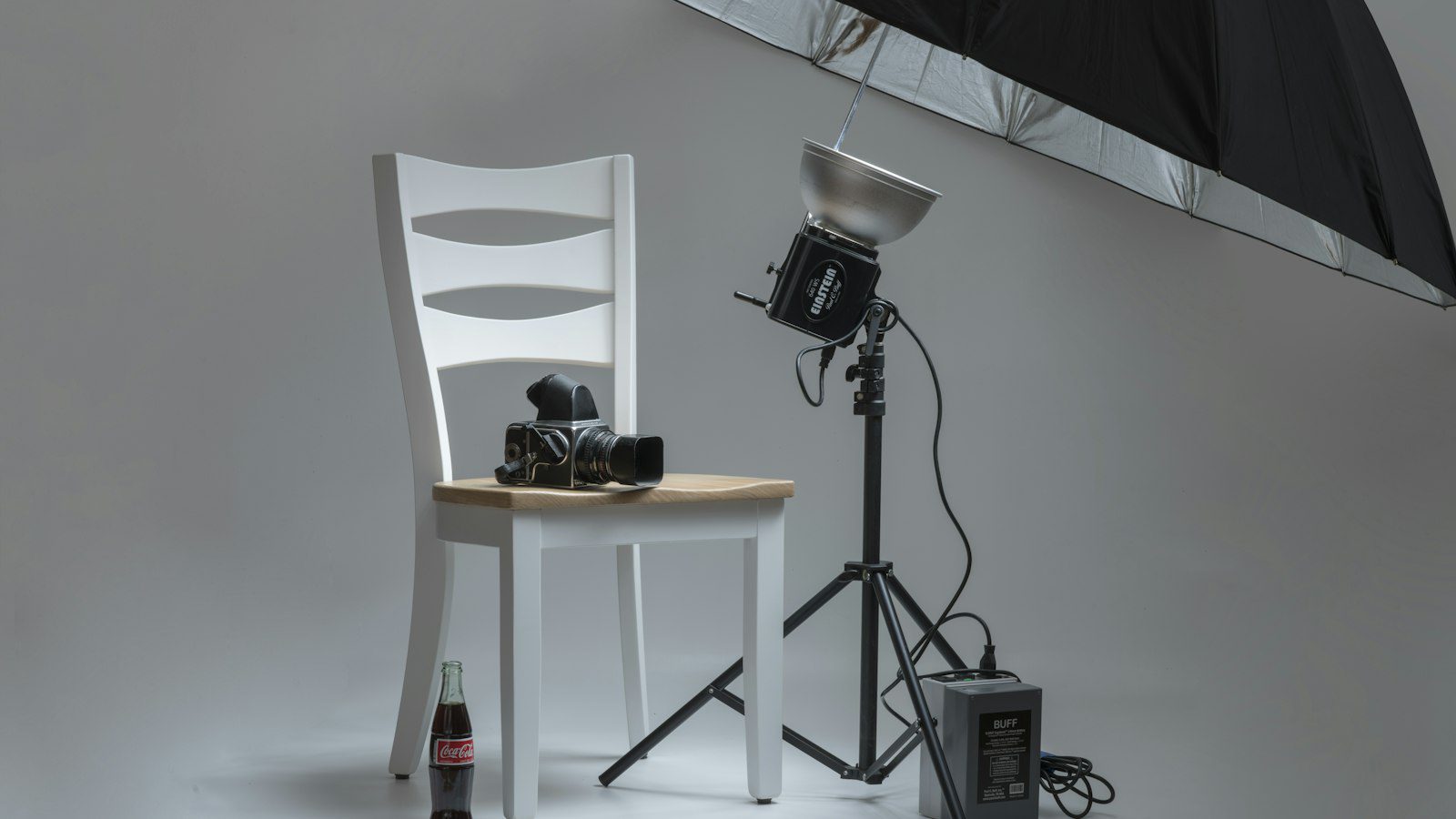
The quality of the source image largely determines the quality of the final video. Collect four to six high-resolution photographs for each product, covering the front, side, close-up detail and an in-use or lifestyle view.
- Lighting: use soft natural light or a lightbox, which is helpful during the darker British winter months.
- Backgrounds: keep them clean so that captions and price overlays remain easy to read.
- Consistency: shoot at the same angle and distance across a collection so clips feel cohesive.
- File quality: avoid heavily compressed images, which can introduce visible artefacts once motion is added.
Good preparation also speeds up every later edit, because you will not need to correct flaws frame by frame.
Step 2: Build an Ecommerce Promo Video Workflow for the UK
A written process keeps quality consistent when several people contribute. The following sequence suits most small and medium-sized British businesses.
- Choose one message: focus on a single benefit, such as next-day delivery, sustainable materials or free returns.
- Draft a short script: include a hook, two key features and a clear call to action.
- Upload and order your images: arrange them to match the script.
- Generate and review: inspect every scene for distortion, odd text or inaccurate details.
- Export for each channel: select the correct aspect ratio and duration for each platform.
If you are looking for a reliable platform to follow this process, you can try Pippit AI, which is designed to turn product images and links into promotional videos.

Step 3: Plan AI Product Video Scenes UK Shoppers Respond To
Effective AI product video scenes UK audiences enjoy follow the structure of a short advertisement: a striking opening frame, two or three feature scenes and a closing offer. Aim for 15 to 30 seconds on social platforms, and keep the most important message within the first three seconds, before viewers scroll away.
Localise the details
Use British spelling in captions, show prices in GBP and state whether VAT is included. Mention delivery options such as Royal Mail tracked services, Click & Collect or next-day courier where relevant, and reference seasonal moments that matter locally, such as Black Friday, Boxing Day sales or back-to-school.
Use motion that respects the product
Gentle zooms and pans suit clothing, jewellery and homeware, whereas quicker cuts work well for accessories and gadgets. Avoid effects that alter the shape, colour or proportions of the item, because customers should receive exactly what they saw on screen.
Comparison: Static Photos vs AI Promo Videos
| Factor | Static Photos | AI Promo Videos |
|---|---|---|
| Production effort | Low | Low to moderate |
| Social engagement | Usually lower | Usually higher |
| Feature demonstration | Limited | Stronger with motion and captions |
| Price and VAT messaging | Requires new graphics | Faster through text overlays |
| Reusability | One format | Several ratios and lengths |
Pros and Cons for British Merchants
- Pros: faster content production, lower cost than filming, easy scaling across seasonal ranges and simple adaptation of captions for different promotions.
- Cons: fine details such as stitching or small print can be distorted, output depends on the quality of your photographs, and every clip still needs a human check for accuracy.
For better efficiency across a large catalogue, consider exploring Pippit AI and reusing a single layout for every product family.
Advertising and Compliance Considerations in the UK
Promotional content in Britain is regulated by the Advertising Standards Authority (ASA) and the CAP Code, which require advertising to be legal, decent, honest and truthful. Do not exaggerate performance, describe a limited-time offer honestly and make sure any price shown is accurate. If you work with influencers or affiliates, disclose the commercial relationship clearly.
You should also confirm that music, voices, fonts and templates carry a commercial licence, and respect UK GDPR requirements if real people appear in your footage. Keeping a short compliance checklist beside your workflow prevents last-minute corrections and protects your reputation.
Key Takeaways
- Begin with sharp, well-lit photographs from several angles.
- Follow a documented ecommerce promo video workflow to keep results consistent.
- Show GBP pricing and state whether VAT is included.
- Keep clips between 15 and 30 seconds with the key message first.
- Check every clip against ASA and CAP Code expectations before publishing.
FAQ
Q1: How many photos do I need for each video?
Most products work well with four to six images. Variety and quality matter more than quantity.
Q2: Can I use smartphone photos?
Yes, provided they are sharp and well lit. Natural window light and a clean background significantly improve the result.
Q3: Should I show prices including VAT?
For consumer advertising in the UK, prices shown to shoppers should generally be VAT-inclusive and clearly presented in GBP. Check the latest ASA guidance for your sector.
Q4: Is it acceptable to publish AI-generated promotional videos?
Generally yes, as long as the content is accurate, lawful and not misleading, and you follow each platform’s advertising policies.
Conclusion
Now that you understand how to turn product photos into AI promotional videos in United Kingdom, the process is straightforward: prepare quality images, follow a repeatable workflow, localise prices and delivery details, and review each clip for accuracy and compliance. Start with your best-selling products, measure the response and expand from there. When you are ready to begin, Pippit AI offers a practical starting point for converting your catalogue into engaging video.






Leave feedback about this