

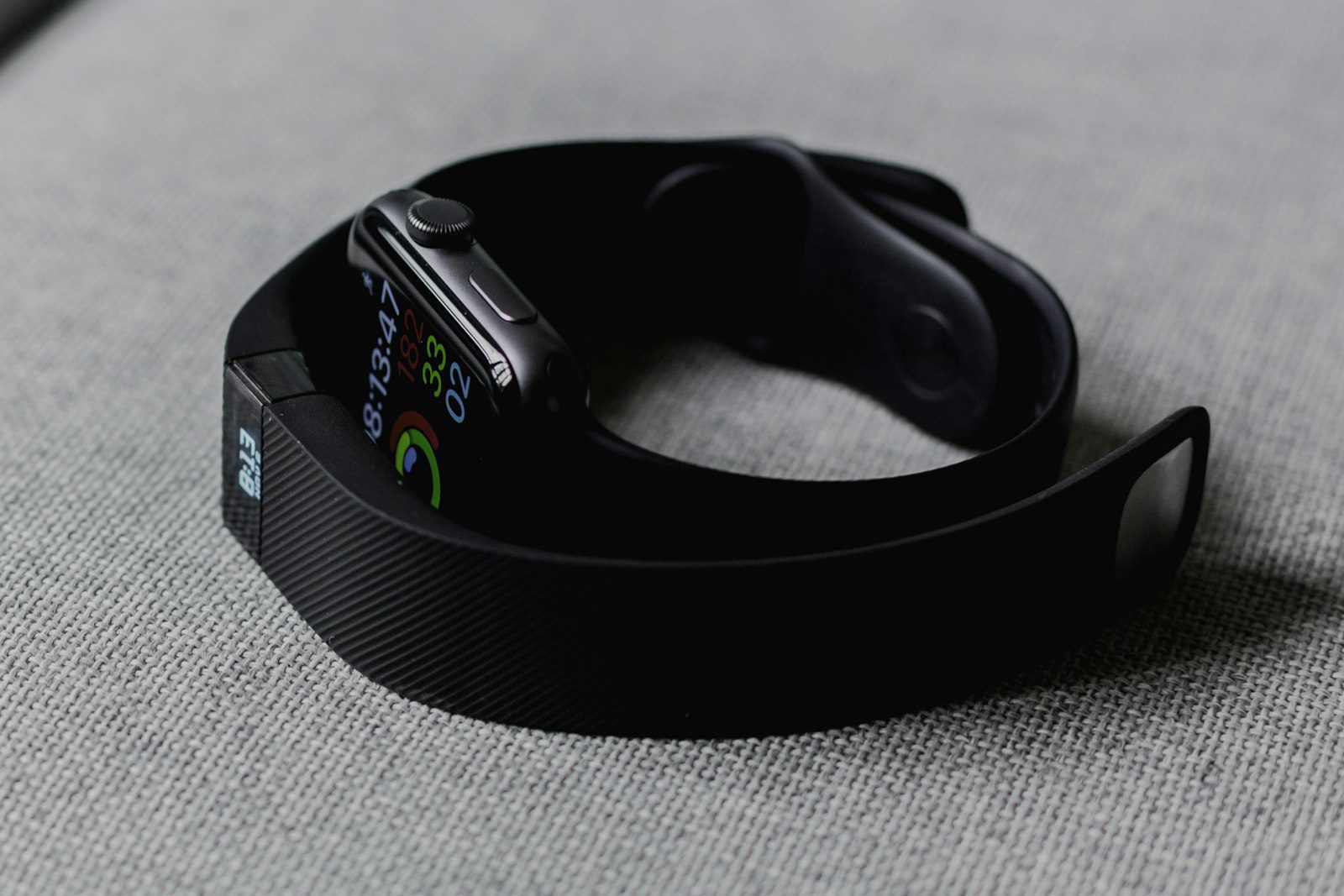
Consumer wearables have moved well beyond step counting. Knowing how to choose a wearable metabolic health tracker now matters to anyone in the United States who wants to follow trends in activity, sleep, heart rate and body composition without visiting a clinic for every data point. The market is crowded, the marketing is ambitious and the technical limits are often buried in small print. This guide sets out a practical, evidence-minded buying framework so that you can compare devices on features that genuinely matter.
One point must be stated at the outset: wellness trackers are not medical devices unless a manufacturer states otherwise, and they cannot diagnose conditions. Use the data to observe trends and to prepare questions for a qualified professional.
What a Metabolic Health Wearable Actually Measures
The phrase is a marketing category rather than a regulated one. In practice, a device in this space combines several signals that, together, describe how your body responds to daily life. Understanding each signal helps you judge the claims on a product page.
- Heart rate and heart rate variability (HRV): optical sensors estimate resting heart rate and recovery trends.
- Sleep tracking: duration, consistency and estimated stages, which are approximations rather than laboratory measurements.
- Activity and energy expenditure: steps, active minutes and estimated calories burned.
- Skin temperature trends: relative changes from your personal baseline rather than absolute readings.
- Body composition inputs: some ecosystems pair a wearable with a smart scale that estimates body fat and muscle mass.
Wearable wellness dashboard features to expect
The software often matters more than the hardware. Strong wearable wellness dashboard features include long-term trend charts, weekly summaries, customizable goals, export options and clear explanations of how each score is calculated. A dashboard that only shows a single opaque “readiness” number gives you little to act on.
Metabolic Health Wearable Buying Guide: Core Criteria
Use the following criteria as a metabolic health wearable buying guide. Score each candidate device from one to five and add the totals.
1. Sensor quality and placement
Wrist, finger and chest-strap sensors behave differently. Wrist devices are convenient but can be affected by fit and motion, while finger-worn devices often capture cleaner overnight data. Review independent testing where available, and check whether the manufacturer publishes validation information.
2. Comfort and battery life
A tracker only produces useful trends if you wear it consistently, including at night. Devices that last five to seven days per charge make continuous wear easier than those that need daily charging.
3. Ecosystem and compatibility
Confirm compatibility with your iPhone or Android phone and with platforms such as Apple Health or Google Health Connect. Data portability prevents you from being locked into a single vendor.
4. Privacy and data handling
Health-adjacent data is sensitive. Read the privacy policy to learn what is collected, whether it is shared with third parties and how you can delete it. Many consumer wellness apps are not covered by HIPAA, so the vendor’s own commitments carry significant weight.
5. Total cost of ownership
Prices in the US range widely, from roughly $100 for basic bands to $400 or more for premium devices, and some brands add subscription fees for advanced insights. Calculate the cost over two years rather than comparing sticker prices alone.
If you are looking for a reliable option within the wellness-tracking category, you can try Hume Health, which combines body composition measurement with a connected app for following long-term trends.
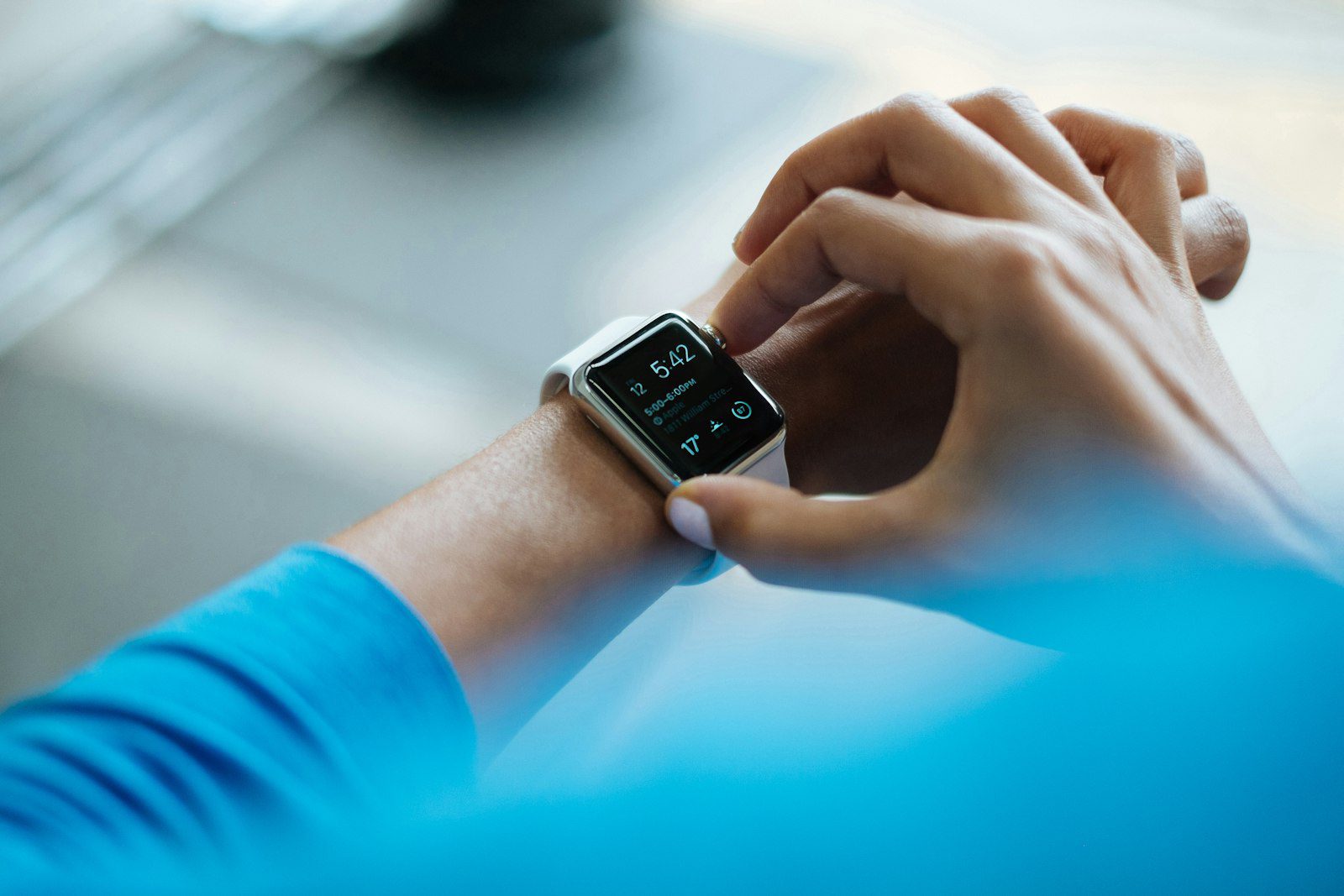
Health Tracker Sensor Checklist
This health tracker sensor checklist condenses the technical questions to ask before purchase.
- Which sensors are included, and which metrics are measured rather than estimated?
- Does the vendor publish accuracy or validation information?
- Can the device record continuously, including overnight, without frequent charging?
- Does the app show raw trends as well as summary scores?
- Can I export my data or sync it to a third-party health platform?
- What happens to features if I cancel a subscription?
Limits You Should Understand
Honest expectations protect you from disappointment and from over-interpreting numbers. Consumer sensors have clear boundaries.
- Estimates, not diagnoses: sleep stages, calorie burn and stress scores are modeled values.
- Individual variation: skin tone, tattoos, wrist hair and fit can influence optical readings.
- No substitute for lab testing: a wearable cannot replace blood tests or professional assessment.
- Trends over snapshots: a single odd night means little; patterns over weeks are more informative.
Comparison Table: Device Types
| Device type | Strengths | Limitations | Typical US price |
|---|---|---|---|
| Fitness band | Light, long battery life | Fewer advanced metrics | $50 to $150 |
| Smartwatch | Rich app ecosystem, GPS | Frequent charging | $200 to $800 |
| Smart ring | Comfortable overnight wear | Limited display, sizing issues | $250 to $450 |
| Smart scale plus app | Body composition trends | Estimates vary with hydration | $60 to $300 |
Pros and Cons of Metabolic Wellness Wearables
Pros: encourage consistent habits, provide objective trend data, make sleep and activity patterns visible and support more informed conversations with healthcare providers.
Cons: can foster over-reliance on scores, may produce anxiety if misread, involve ongoing costs and raise privacy considerations.
For better efficiency when tracking progress, consider exploring Hume Health alongside your wearable so that body composition and activity trends sit in one place. Whichever route you choose, compare the app experience on Hume Health and competing platforms during any return window.
FAQ
Q1: Can a wearable diagnose a metabolic condition?
No. Consumer wearables provide wellness estimates and trends. Anyone concerned about their health should consult a licensed clinician.
Q2: How long should I wear a tracker before trusting the trends?
Allow at least two to four weeks of consistent wear so the device can establish your personal baseline before you interpret changes.
Q3: Do I need a subscription?
Not always. Many devices work fully without one, but some reserve detailed analytics for paid tiers, so check the pricing page before purchasing.
Q4: Which is better, a smartwatch or a smart ring?
It depends on comfort and priorities. Watches offer screens and apps, while rings tend to suit overnight wear and minimalist preferences.
Conclusion: Choose for Consistency, Not Hype
The best answer to how to choose a wearable metabolic health tracker is the device you will wear every day, understand clearly and trust within its limits. Shortlist two or three options using the criteria above, confirm compatibility and privacy terms, and use the return window to test comfort and app quality. Then track consistently for a month, review the trends and share meaningful patterns with a healthcare professional rather than relying on any single score.







Leave feedback about this