

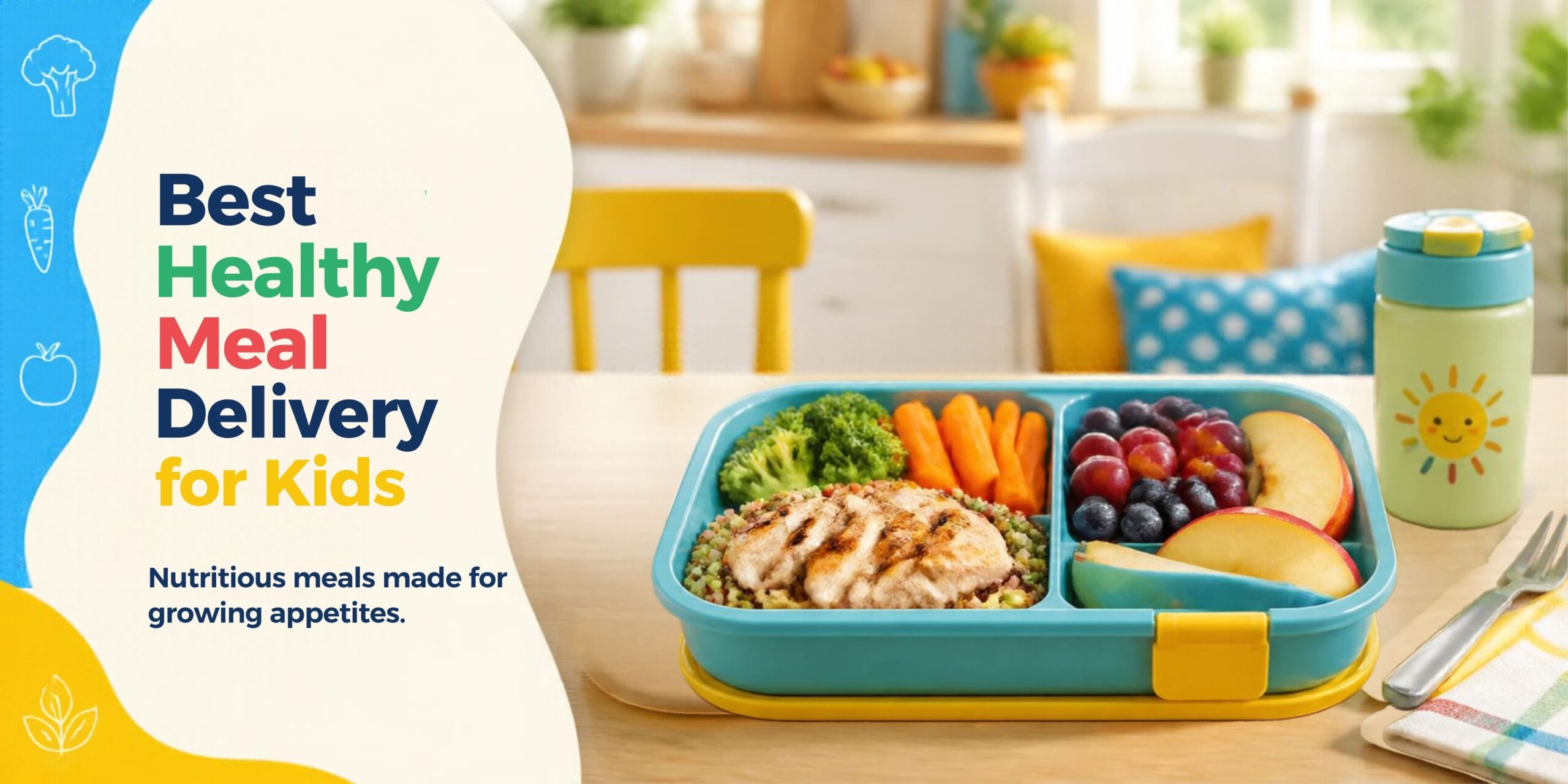
Finding nutritious meals that children will actually eat can be harder than planning the menu itself. Parents have to think about vegetables, protein, portion sizes, ingredients, food preferences, allergies, preparation time, and whether the meal fits into an already busy family schedule.
That is where prepared kids’ meals can make sense. But choosing a service should involve more than looking for meals labeled “healthy.” The more useful question is what the service actually provides and whether those features work for a particular child and household.
Nurture Life is one option designed specifically around children’s meals, snacks, and age-specific foods. Its approach combines ready-to-heat meals with vegetables, protein, and dietitian-designed recipes.
The company delivers fresh meals to customers across the contiguous United States and allows subscribers to manage or skip upcoming orders. For parents comparing services, the following factors are worth checking before choosing a meal delivery plan.
What Makes a Kids’ Meal Healthy?
A nutritious children’s meal does not need to look like a traditional “health food” plate. Children still need meals that are appealing enough to eat. A useful starting point is balance. Look for a combination of:
- A quality protein source
- Vegetables or fruit
- Whole grains or another source of carbohydrates
- Appropriate amounts of fat
- Limited added sugar
- Reasonable sodium levels
- Ingredients that parents can recognize and understand
Nurture Life’s nutrition standards focus on vegetables, protein, real ingredients, and meals that are fresh rather than frozen. Its meals are also designed by dietitians. This does not mean every meal needs to contain every possible nutrient in perfect proportions. The bigger picture is the child’s overall diet across the day and week.
Vegetables Matter, But Presentation Matters Too
Getting children to eat vegetables is often one of the biggest challenges at mealtime. Simply putting steamed broccoli beside dinner may not work for every child. Some kids respond better when vegetables are incorporated into familiar foods.
Nurture Life uses this approach in several of its Kids Meals. For example, its Chicken & Mac with Hidden Squash & Peas includes squash and peas, while its Beef Taco Pockets with Sweet Corn includes several vegetables.
The company’s current nutrition page lists the specific vegetable servings and protein amounts for individual meals. For parents, this highlights an important point when comparing meal services: check how vegetables are actually incorporated into the meals rather than relying only on marketing language.
A service that offers vegetables in familiar formats may be more useful for a selective eater than one that simply provides large portions of plain vegetables.
Protein Should Be Part of the Equation
Protein is another factor worth checking when comparing prepared meals for children. Depending on the recipe, children’s meals may use poultry, meat, fish, dairy, eggs, beans, tofu, or other protein sources. Variety can make it easier to build a balanced weekly menu.
Nurture Life identifies protein as one of its core nutrition standards. For example, the company’s listed meals include 13 grams of protein in Alfredo Bow Ties with Turkey Meatballs & Broccoli, 22 grams in Chicken & Mac with Hidden Squash & Peas, and 12 grams in Beef Taco Pockets with Sweet Corn.
The exact nutritional needs of a child vary by age, activity level, and overall diet, so individual meal numbers should be considered in context rather than treated as universal targets.
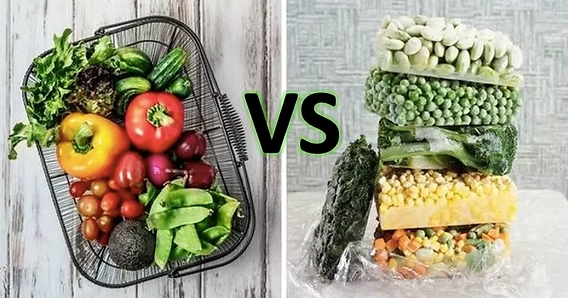
Fresh vs. Frozen: What Should Parents Look For?
The word “fresh” can sound appealing, but it is more useful to understand what happens after delivery. Nurture Life says its meals are made to order and delivered fresh. Its current system allows meals to be refrigerated and also provides freezing instructions for families that need more flexibility.
According to the company, eligible products can be frozen for up to 90 days, while the packaging’s “Enjoy By” date should be used for the specific product. This matters because families do not always follow a predictable schedule.
A meal delivery service becomes more practical when parents can keep some meals refrigerated for immediate use while freezing others for a later date.
Ingredient Lists Deserve More Attention Than Marketing Claims
Words such as “healthy,” “natural,” or “clean” do not tell parents everything they need to know. Before ordering, check the actual ingredient list and nutrition information for the meals a child is likely to eat. Look for:
- The primary protein source
- Vegetable and grain ingredients
- Added sugars
- Sodium
- Allergens
- Ingredients the child already knows and accepts
- Portion and calorie information
Nurture Life publishes nutrition information for its meals, allowing parents to see details for individual recipes rather than relying only on general descriptions. Its nutrition philosophy also focuses on limiting sugar and sodium while using herbs, spices, and real foods for flavor. That makes the menu easier to evaluate before placing an order.
Allergies Require a Separate Check
An allergy-friendly meal service is not automatically suitable for every child with a food allergy. Parents should check both the ingredients in individual meals and the company’s food preparation environment.
Nurture Life states that its Kids Meals and Finger Foods are prepared in a facility free from peanuts and tree nuts, with coconut as an exception. However, the company also processes coconut, egg, fish, milk, sesame, soy, and wheat, and warns that inadvertent cross-contamination may occur.
That distinction is important. For a child with a diagnosed food allergy, the safest choice should be based on the child’s medical guidance and the company’s current allergen information, not simply on a product filter or marketing label.
Convenience Is More Than Delivery
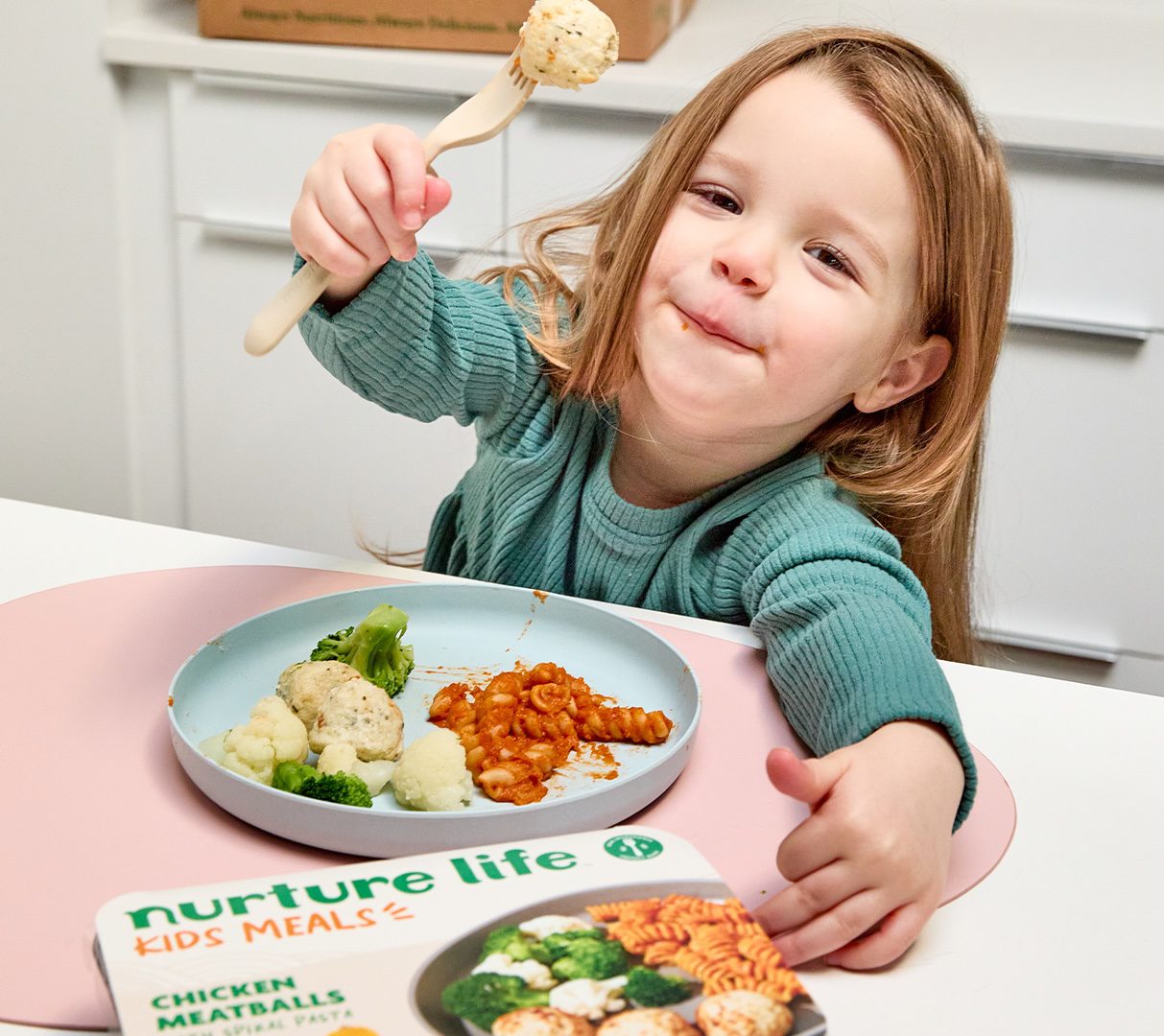
The biggest advantage of prepared kids’ meals may not be the delivery itself. It is the reduction in daily preparation. Nurture Life’s current process allows parents to select meals and snacks, receive them fresh, and heat Kids Meals and Finger Foods in roughly one minute in the microwave, with oven preparation also available.
Orders can be changed, skipped, or canceled before the applicable cutoff. That can be useful on nights when cooking from scratch is unrealistic.
However, convenience should still be weighed against the family’s eating habits. A meal delivery service does not need to replace home cooking. It can instead cover a few lunches, dinners, or particularly busy days each week.
How to Use Meal Delivery Without Overcomplicating Family Meals
A practical approach is to treat delivered meals as one part of the weekly food routine. For example:
- Monday: Delivered kids’ meal
- Tuesday: Family dinner cooked at home
- Wednesday: Delivered meal with fresh fruit
- Thursday: Leftovers or a simple homemade meal
- Friday: Delivered meal for a busy evening
This type of rotation can reduce the pressure to cook every single meal while keeping variety in the child’s diet. Parents can also add simple foods to prepared meals. Fresh fruit, yogurt, sliced vegetables, or another familiar side can make the meal feel more complete without requiring another full cooking session.
Consider the Child’s Age and Eating Stage
A meal that works for a preschooler may not be appropriate for a younger child. Texture, serving size, ingredients, and self-feeding ability all matter. Nurture Life offers different product categories, including Finger Foods, Kids Meals, Smoothies, and snacks.
The company’s current nutrition page separates these categories rather than treating every product as a universal children’s meal. Parents should therefore select products based on the child’s actual developmental stage rather than choosing solely because a meal looks appealing. For younger children, choking risks and preparation instructions also need to be considered carefully.
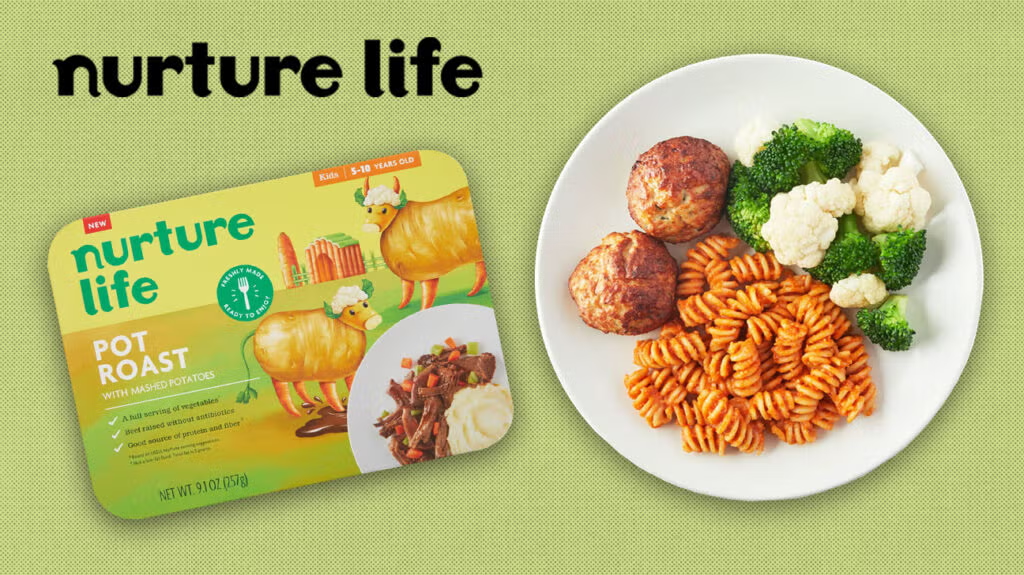
Is Nurture Life Worth Considering?
Nurture Life makes the most sense for parents who want prepared children’s meals without giving up control over meal selection. The service lets customers choose meals and snacks, while the subscription system can be adjusted by changing upcoming orders or skipping weeks.
Nurture Life says it delivers throughout the contiguous United States, excluding Alaska and Hawaii. Its strongest differentiators are the focus on children’s food, dietitian-designed meals, vegetables and protein in its meal philosophy, fresh delivery, and short preparation time.
That does not make it automatically the right choice for every family. Cost, menu preferences, allergies, portion sizes, and the child’s willingness to eat particular recipes should all be considered.
A Simple Checklist Before Choosing a Kids’ Meal Service
Before subscribing to any service, ask these questions:
| What to check | Why it matters |
| Who is the food designed for? | Age and developmental needs differ |
| Are vegetables included? | Helps support dietary variety |
| How much protein does each meal provide? | Useful for evaluating meal balance |
| Can nutrition facts be viewed before ordering? | Makes comparison easier |
| What allergens are handled? | Important for children with food allergies |
| Is food fresh or frozen? | Affects storage and eating schedules |
| How long does preparation take? | Determines real-world convenience |
| Can orders be skipped? | Useful for changing family schedules |
| Where does the service deliver? | Availability varies by location |
| Can meals be frozen? | Adds flexibility and reduces waste |
This checklist is more useful than choosing a service based on a single “healthy” label.
The Bottom Line
The best healthy meal delivery for kids is not necessarily the service with the longest menu or the most impressive health claims. It is the one that provides food a child is likely to eat while fitting the family’s nutritional, scheduling, budget, and dietary requirements.
Nurture Life offers a practical combination of prepared children’s meals, vegetables, protein, dietitian-designed recipes, fresh delivery, and quick preparation. For busy US families, that can make it a useful option to investigate.
The smartest approach is still to review individual meals, compare ingredients and nutrition facts, check allergen information carefully, and decide how the service would fit alongside the child’s regular home meals. A meal delivery service should make feeding children easier, not turn nutrition into another complicated task.







Leave feedback about this