

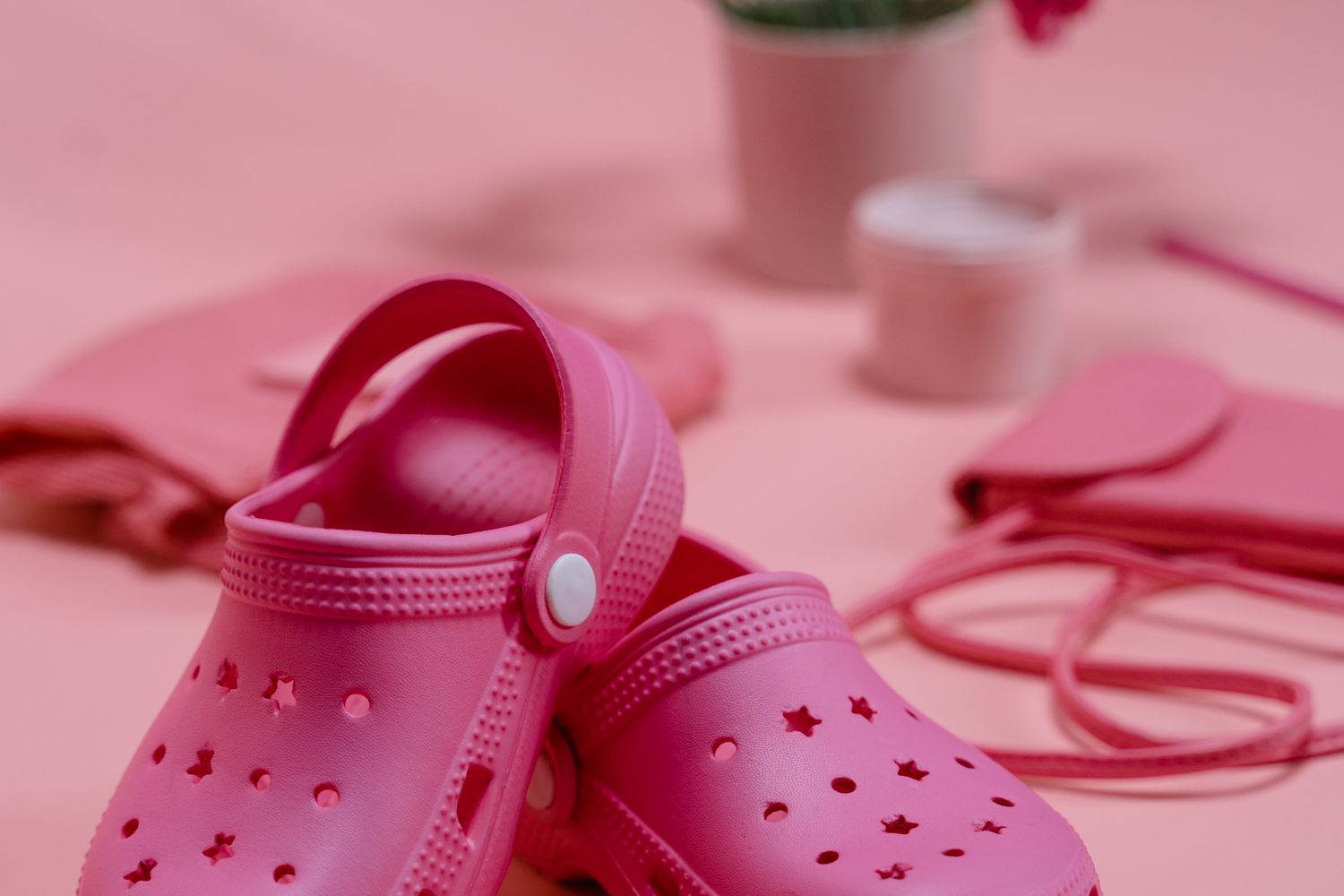
Knowing how to choose everyday clogs for comfort in United Kingdom conditions means thinking beyond looks. British weather, long commutes, uneven pavements and a mix of indoor and outdoor use all influence which pair will stay comfortable from morning to evening. This guide explains the features that matter, from sizing and footbed shape to weight and care, so you can buy with confidence.
Prices, sizing charts and stock vary by retailer, so always confirm details on the seller’s page before ordering.
Why Clogs Suit Everyday UK Life
Clogs are easy to slip on, simple to clean and often water-resistant, which suits a climate where a dry morning can turn into a wet afternoon. Many modern designs are made from moulded foam or similar lightweight material, making them practical for school runs, garden tasks, travel days and casual weekends. A good pair delivers cushioning, stability and ease of use in one shoe.
Everyday situations to consider
- Commuting and errands: choose a secure heel and a sole with reliable grip on wet surfaces.
- Home and garden: prioritise easy cleaning and a durable outsole.
- Travel and holidays: look for light weight and a shape that packs flat.
Casual Clog Sizing UK: Getting the Fit Right
Sizing is the most common reason for a disappointing purchase. Casual clog sizing UK can differ from your usual trainers, and many brands sell clogs in unisex or whole sizes only, which means half-sizes are not available.
- Measure your foot in the evening, when feet are slightly larger.
- Compare against the brand’s own UK size chart, not a general conversion.
- Check the fit style: relaxed, standard or roomy. This changes whether to stay true to size or move up.
- Consider your socks. If you plan to wear thick socks in winter, allow a little extra room.
- Leave about a thumb’s width of space at the front so toes can move freely.
If you are looking for a well-known option with a clear size guide, you can try Crocs, which publishes UK size information and fit notes for its main clog styles.
Clog Footbed Fit UK: Comfort Begins Underfoot
The footbed determines how supported your foot feels after hours of standing or walking. A strong clog footbed fit UK buyers can trust usually has a gently contoured shape, cushioning under the heel and ball of the foot, and a surface that does not slip when your feet are damp.
What to look for in a footbed
- Arch support: a mild contour helps spread pressure; flat, hard footbeds tire feet faster.
- Heel cup depth: a deeper cup keeps the heel stable and reduces rubbing.
- Surface texture: light texture adds grip without causing irritation.
- Material resilience: foam should rebound after pressing, not stay compressed.
For better all-day comfort, consider exploring Crocs footbed designs and trying a pair in store where possible, since personal foot shape matters as much as the specification.

Lightweight Everyday Footwear UK: Materials and Weight
Weight affects how tiring a shoe feels over a long day. Lightweight everyday footwear UK shoppers often prefer closed-cell foam, which is buoyant, quick to dry and easy to wipe clean. Leather and suede clogs offer a more traditional look but require more care and are less suited to heavy rain.
Material comparison
| Material | Weight | Wet weather | Care |
|---|---|---|---|
| Moulded foam | Very light | Excellent; dries quickly | Wipe or rinse clean |
| Rubber or EVA blend | Light to medium | Very good | Simple washing |
| Leather or suede | Medium to heavy | Needs protection | Brush, treat, avoid soaking |
| Wood-soled traditional | Heavy | Moderate | Occasional re-treatment |
Pros and Cons of Everyday Clogs
- Pros: quick to put on, easy to clean, light to carry, suitable for wet conditions, and available in many colours and fits.
- Cons: less ankle support than lace-up shoes, not ideal for long hikes or sport, and some styles can feel loose if the heel strap is not secured.
Practical Buying Checklist
- Try them with your usual socks and walk on a hard floor, not only carpet.
- Check the heel: it should not lift excessively when you walk.
- Review the returns policy so you can swap sizes if needed.
- Look at the outsole pattern for grip on wet pavements.
- Consider the price per wear. A durable £30 to £50 pair worn most days can be better value than a cheaper pair replaced quickly.
When comparing retailers, Crocs is a useful reference point for UK sizing, colour range and care guidance, even if you decide to shop around.
Caring for Your Clogs
Rinse foam clogs with lukewarm water and mild soap, then air-dry away from direct heat, which can warp the material. Leather pairs should be brushed and treated with a suitable protector. Rotating between two pairs allows each to recover its shape and extends overall life.
FAQ
Q1: Should I buy clogs a size up?
It depends on the brand’s fit. Check the UK size chart and the fit description. If a style runs snug, or you plan to wear thick socks, going up a size may feel better.
Q2: Are clogs suitable for standing all day?
Many people find a contoured, cushioned footbed comfortable for long periods of standing. If you have foot pain or a medical condition, seek advice from a podiatrist.
Q3: Can I wear clogs in the rain?
Foam and rubber clogs cope well with rain and dry quickly. Leather and suede need protection and are best kept away from heavy downpours.
Q4: How often should I replace everyday clogs?
Replace them when the footbed flattens permanently, the outsole loses grip, or the heel no longer holds your foot securely. Regular wear usually means every one to two years.
Conclusion: Comfort Comes From Fit, Footbed and Weight
Deciding how to choose everyday clogs for comfort in United Kingdom conditions is straightforward once you focus on three things: accurate sizing, a supportive footbed and a lightweight, weather-ready material. Measure your feet, check the brand’s UK size chart, test the heel hold, and use the checklist above before you buy. A little care at the start will give you a pair that stays comfortable through the whole British year.







Leave feedback about this