

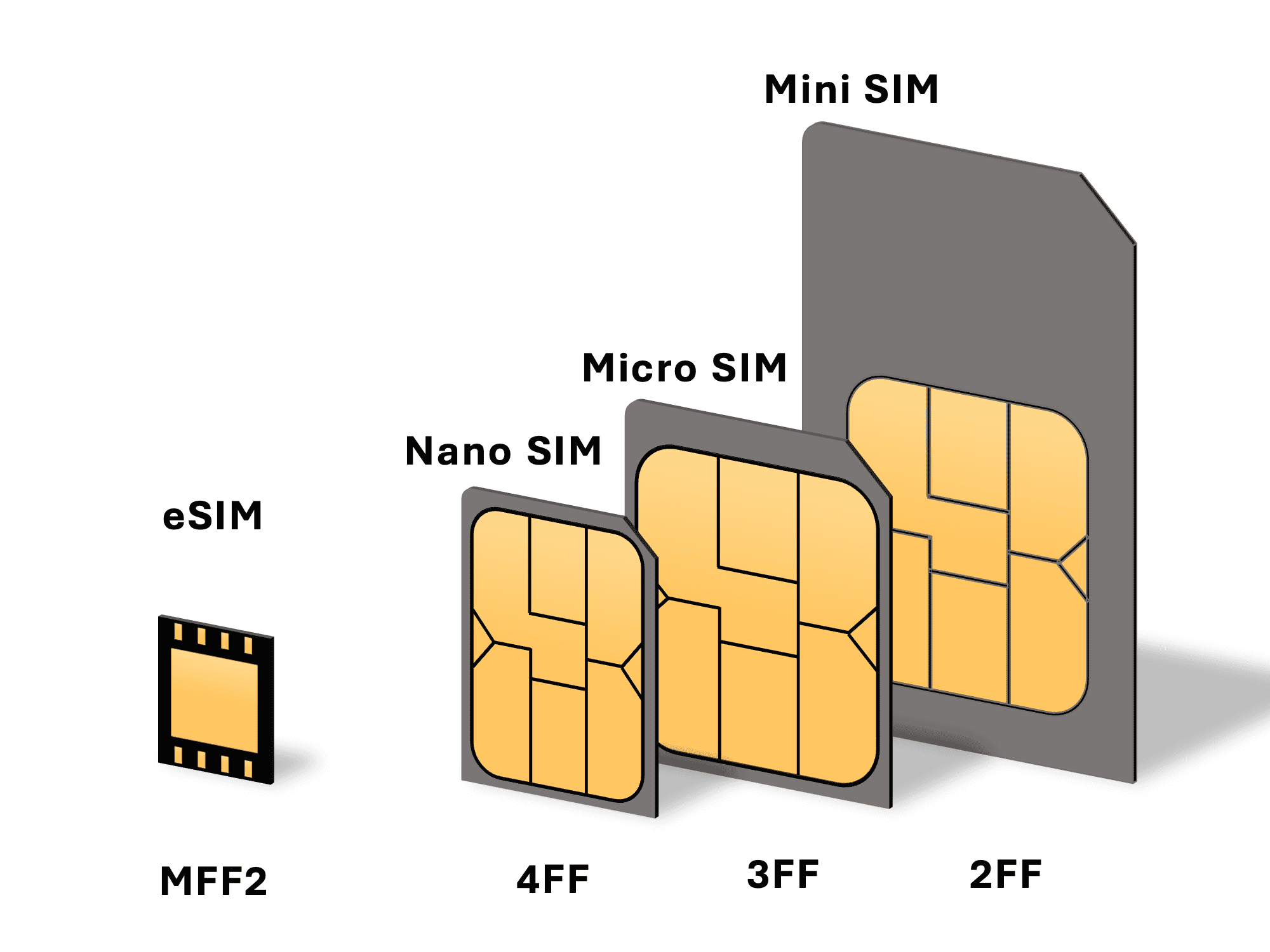
Not all data plans are created equal, and picking the best travel eSIMs for international trips means looking past the headline price and checking a handful of details that actually determine whether your phone works the moment you land in Bangkok, Buenos Aires, or Berlin. Whether you’re taking a single overseas trip or hopping between continents on a longer itinerary, the right eSIM should feel like an invisible utility, not something you have to think about once it’s set up.
This guide covers exactly what to check before buying a travel esim plan, how the leading global options compare, and the mistakes that catch first-time eSIM users off guard.
What Makes an eSIM Good for International Travel?
A strong international eSIM isn’t just about the cheapest price per gigabyte. The plans that hold up across an entire trip typically share five characteristics: broad destination coverage, transparent data allowances, a validity period matched to your trip length, straightforward in-app management, and dependable partner network quality in the specific countries you’re visiting.
Coverage: Regional vs. Global eSIM for Travel
Some providers sell single-country plans, others sell regional bundles (say, all of Southeast Asia), and some offer a genuinely global esim for travel that spans 100+ destinations under one profile. If your itinerary is a single stop, a country-specific plan is often cheapest. If you’re island-hopping or doing a multi-continent trip, a regional or global plan saves you from re-purchasing at every border.
Best Travel eSIMs for International Trips: What to Look For
When you start comparing esim for international travel options side by side, run through this checklist before you buy:
- Does it cover every country on your route? Check the exact country list, not just the region name.
- How is the data allowance structured? Fixed-size (e.g., 5 GB total) versus daily allowances (e.g., 1 GB/day) suit different travel styles.
- What’s the validity window? A 7-day plan bought before a 10-day trip means running dry with three days left.
- Is there hotspot/tethering support? Useful if you’re carrying a laptop or tablet alongside your phone.
- Can you top up in-app? Avoids scrambling for Wi-Fi to buy a whole new plan if you run low.
- What does support look like? Live chat availability matters if you hit an activation issue on landing.
If you are looking for a reliable option that checks most of these boxes, you can try Saily, which offers both single-country and multi-country travel esim plans with in-app top-ups and 24/7 chat support.
Comparing Plan Structures
| Plan Structure | How It Works | Good Fit For |
|---|---|---|
| Single-country plan | Fixed data for one destination | One-country business trips or short vacations |
| Regional plan | Shared data across a defined group of countries | Multi-country regional trips (e.g., Southeast Asia, Europe) |
| Global plan | Data usable across 100+ countries under one profile | Frequent travelers, multi-continent itineraries |
| Unlimited/high-cap plan | Daily high-speed allotment, reduced speed after cap | Remote workers, heavy streaming or video-call users |
Common Mistakes When Choosing a Best International Esim
Buying Too Little Data
Underestimating daily usage is the most frequent misstep. Navigation apps, messaging with photos, and occasional video calls add up faster than most people expect, often exceeding 500 MB to 1 GB per day even for light users.
Ignoring the Validity Window
A plan can have plenty of data left but still expire if the validity period is shorter than your trip. Always match the day count of the plan to your actual travel dates, with a couple of extra days as a buffer for delayed flights.
Assuming Every Phone Supports eSIM
eSIM support depends on both your device model and whether it’s carrier-locked. Check your phone’s settings for eSIM compatibility and confirm it’s unlocked well before departure, not at the airport gate.
Pros and Cons of International Travel eSIMs
| Pros | Cons |
|---|---|
| Install before you leave, activate on arrival | Requires an eSIM-compatible, unlocked device |
| Single profile can cover many countries | Data-only plans typically exclude calls/SMS |
| Avoids high per-day roaming charges | Network quality varies by local partner |
| In-app management and top-ups | Requires some upfront planning around data size |
Frequently Asked Questions
What should I check first when comparing travel esim plans?
Start with country coverage. Confirm every destination on your itinerary is explicitly included before comparing price or data size, since a cheap plan that misses one of your stops isn’t actually a deal.
Are global eSIMs worth it for a two-country trip?
Usually, yes, if the two countries fall under one regional or global plan, since you avoid buying and installing a second profile mid-trip.
Can I use a travel eSIM alongside my regular phone number?
On most modern dual-SIM phones, yes. Your physical home SIM can stay active for calls and texts while the eSIM handles data separately.
What happens if my eSIM plan runs out of data mid-trip?
Most providers, including Saily, allow you to purchase an in-app top-up immediately, so you’re not stuck searching for a local store to add more data.
Conclusion
Finding the best travel eSIMs for international trips comes down to matching coverage, data structure, and validity to your specific itinerary rather than chasing the lowest advertised price. Run through the coverage, allowance, and validity checklist above before you buy, and consider exploring Saily’s range of single-country, regional, and global esim for travel options to find the plan that best matches your next trip.






Leave feedback about this