


Figuring out the best way to get internet while traveling is one of the first logistics questions most people solve before an international trip, right alongside flights and hotels. The wrong choice can mean overpriced roaming bills, unreliable hotel Wi-Fi, or losing access to maps and translation tools exactly when you need them most. The good news is that staying online abroad in 2026 is far easier and cheaper than it used to be, as long as you understand the handful of options available and how they compare.
Below, we walk through the main ways travelers get internet while traveling abroad, compare their real-world tradeoffs, and outline how to pick the right one for your specific trip.
The Main Options for Internet While Traveling Abroad
Most international travelers choose between four approaches: carrier roaming add-ons, public Wi-Fi, a local physical SIM card, or a travel eSIM. Each has a different balance of cost, convenience, and reliability.
1. Carrier Roaming Add-Ons
Your home carrier’s international plan is the simplest option to activate since it usually requires no extra hardware or setup, just a toggle in your phone’s settings. It’s also frequently the most expensive per gigabyte, with daily add-on fees in many regions running $5 to $15 per day on top of your existing plan.
2. Public and Hotel Wi-Fi
Free Wi-Fi in cafes, airports, and hotel lobbies is a reasonable supplement, but it is not a full solution. Coverage is patchy, speeds vary widely, and connecting to unsecured public networks carries real security risk, especially if you’re logging into banking or work accounts.
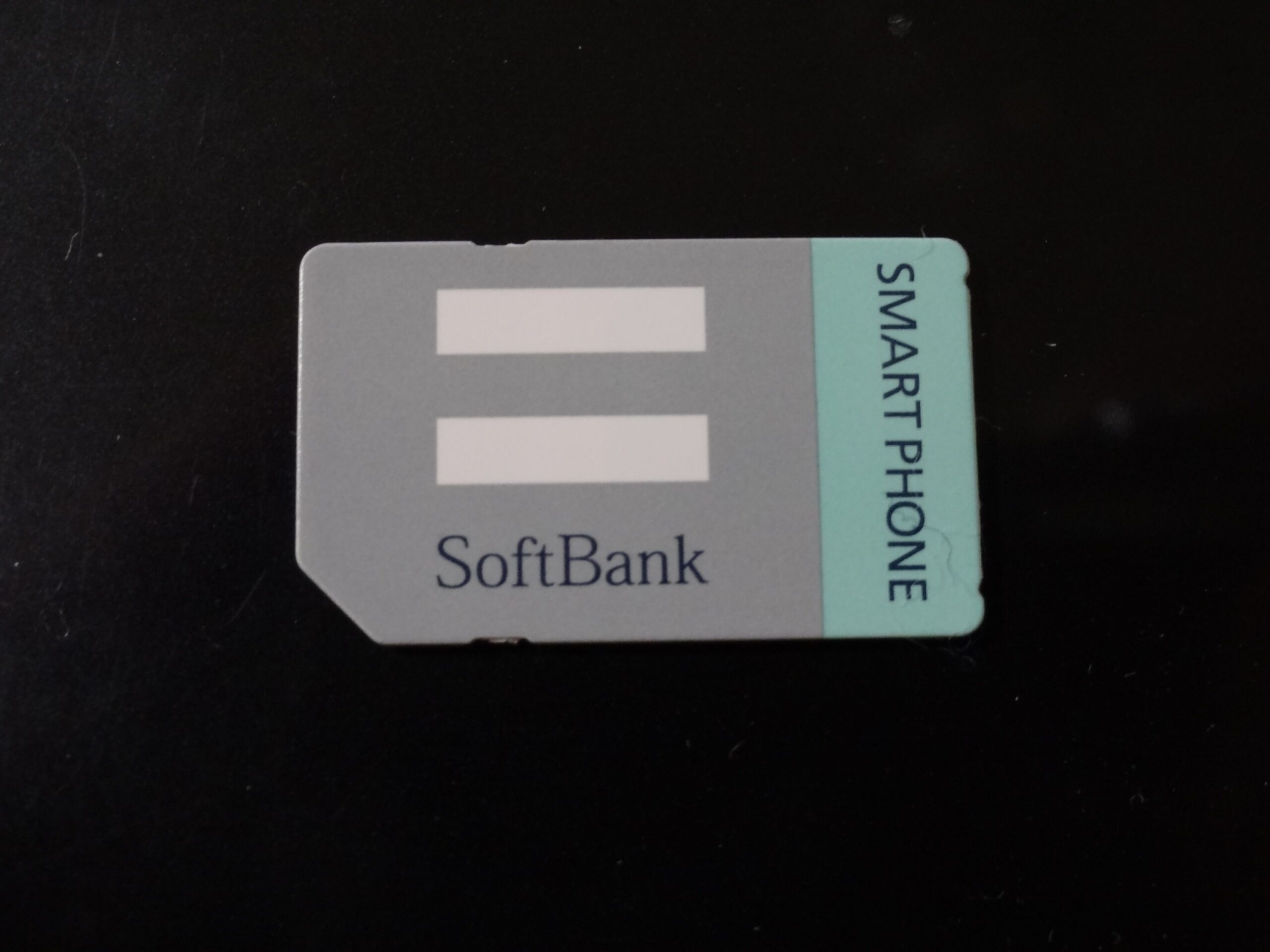
3. Local Physical SIM Cards
Buying a prepaid SIM at your destination is often the cheapest per-gigabyte option for a single-country trip. The downside is the setup friction: finding a shop, potentially navigating ID requirements in a language you don’t speak, and repeating the process at every border if your trip spans multiple countries.
4. Travel eSIMs
A travel eSIM installs a digital data plan directly onto your phone before you leave home, then activates automatically when you land. This has become one of the most popular ways to stay connected abroad because it combines the low per-gigabyte cost of a local SIM with the convenience of never having to visit a physical store.
Comparing the Options at a Glance
| Method | Typical Cost | Setup Effort | Multi-Country Friendly |
|---|---|---|---|
| Home carrier roaming | High ($5–$15+/day) | None | Depends on plan |
| Public/hotel Wi-Fi | Free, but unreliable | None | N/A (supplement only) |
| Local physical SIM | Low per GB | Moderate to high (in-person purchase) | No, one SIM per country |
| Travel eSIM | Low to moderate | Low (digital install) | Yes, regional plans available |
Best Way to Get Internet While Traveling Internationally: Our Recommendation
For most international trips, especially anything longer than a few days or spanning more than one country, a travel eSIM offers the best overall balance of mobile data while traveling cost, reliability, and setup convenience. If you are looking for a reliable option, you can try Saily, which lets you install a data plan from your phone before departure and switch it on the moment you land, without hunting for a local SIM vendor or gambling on hotel Wi-Fi.
When a Local SIM Still Makes Sense
If your entire trip is confined to a single country and you’re comfortable navigating a local shop, a physical SIM can undercut an eSIM slightly on raw price per gigabyte. For anyone visiting more than one country, though, the repeated purchase and swap process usually erases that savings once you account for time and hassle.
How to Choose Between These Options for Your Trip
- Trip length: Under 3 days, roaming or Wi-Fi-only may suffice. Longer trips benefit from a dedicated data plan.
- Number of countries: Multi-country trips favor eSIMs or regional plans over single-country SIMs.
- Data needs: Heavy navigation, video calls, or work-from-abroad usage points toward a higher-tier or unlimited-style plan.
- Device compatibility: Confirm your phone supports eSIM and is carrier-unlocked before you commit to that route.
- Security: A private cellular data connection is generally safer than public Wi-Fi for anything involving passwords or payments.
For better efficiency, consider exploring providers that let you size your plan to your actual itinerary rather than a flat one-size-fits-all package, since overbuying data is a common way travelers overpay for international travel internet.
Pros and Cons Summary
| Pros of Prioritizing an eSIM | Cons to Keep in Mind |
|---|---|
| Set up before departure, active on arrival | Requires an eSIM-compatible phone |
| Often cheaper than roaming over a full trip | Data-only plans usually exclude calls/texts |
| Works across many providers’ partner networks | Speeds depend on local network partners |
| No physical store visit required | Best value requires estimating data needs upfront |
Frequently Asked Questions
What is genuinely the best way to get internet while traveling internationally?
For most travelers, a travel eSIM offers the best combination of cost, convenience, and reliability, particularly for trips longer than a few days or that cross multiple countries.
Can I rely on hotel Wi-Fi alone for an international trip?
It’s possible for very short, low-activity trips, but hotel and public Wi-Fi tend to be inconsistent and are not a substitute for a dedicated mobile data connection if you need reliable navigation or communication throughout the day.
Do travel eSIMs work in every country?
Coverage varies by provider and plan, so it’s worth checking that your specific destinations are included in a regional or global plan before you buy, rather than assuming blanket worldwide coverage.
Is it cheaper to buy a local SIM instead of an eSIM?
For a single-country trip, a local SIM can sometimes be marginally cheaper per gigabyte, but the time cost of finding a vendor and the lack of multi-country coverage often make an eSIM the more practical choice overall.
Conclusion
There is no single universal answer to the best way to get internet while traveling, but for the majority of international trips today, a travel eSIM offers the strongest mix of low cost, easy setup, and dependable connectivity from the moment you land. Match your plan size to your actual trip length and data habits, keep public Wi-Fi as a backup rather than your main connection, and consider a service like Saily if you want to stay connected abroad without the hassle of physical SIM swaps at every stop on your route.






Leave feedback about this