

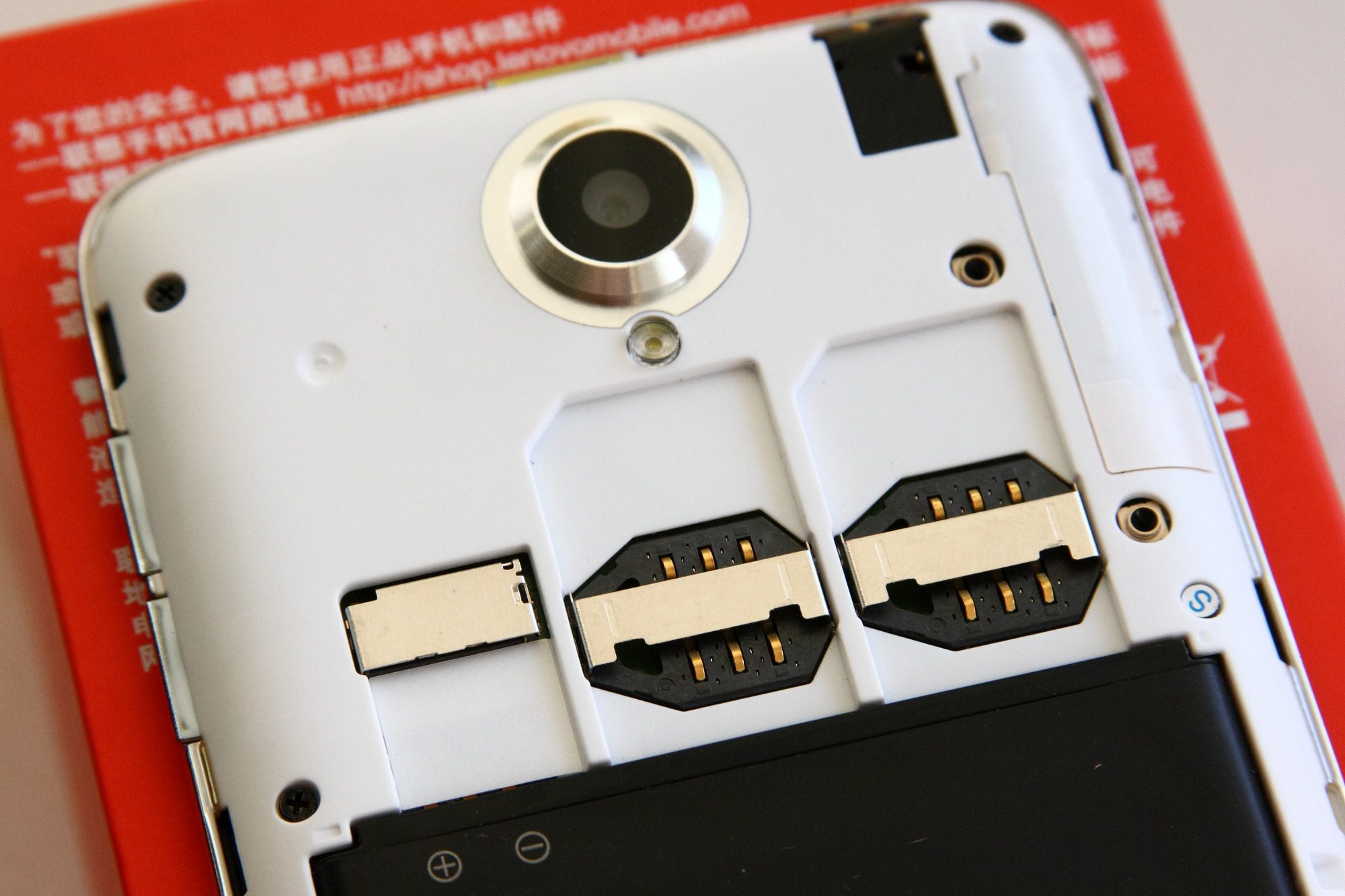
If you are planning a multi-country trip across the continent, finding the best travel eSIM for Europe multiple countries can make the difference between a smooth trip and a frustrating scramble for Wi-Fi in every new city. Between train stations, cafes, and hotel lobbies, relying on public networks alone means constant interruptions right when you need maps, translation apps, or booking confirmations the most. A single eSIM built for regional coverage solves this by keeping one data connection active as you cross borders from France into Germany, or from Italy into Austria, without the hassle of swapping physical SIM cards at every stop.
This guide breaks down how travel eSIMs work, what to look for in a Europe-wide plan, and how to compare the leading options so you can stay connected without overpaying for data you don’t need.
Why Traditional Roaming Falls Short on Multi-Country European Trips
Home carrier roaming add-ons are usually priced per day or per country, and the moment you cross a border the meter can reset. Industry pricing research shows that pay-per-use roaming rates can run as high as $10 to $20 per MB on some legacy plans, and daily roaming add-ons in Europe typically land between $5 and $15 per day, per device. For a two-week, five-country itinerary, that adds up fast, and a single unexpected background sync (email, cloud photo backup, a map that loads more tiles than you intended) can turn into a surprise line item on your next bill.
A regional eSIM avoids this entirely. You buy one data allowance that already includes the countries on your route, so there is no “have I left my home network’s coverage zone yet” anxiety, and no separate purchase every time you change countries.
What Is a Travel eSIM and How Does It Work?
An eSIM (embedded SIM) is a digital SIM profile that lives on your phone’s built-in chip instead of a removable plastic card. Rather than physically swapping a card at the airport kiosk, you install a data plan by scanning a QR code or tapping a link inside a provider’s app. Most modern smartphones from the last several years, including recent iPhone and Android models, support eSIM technology, though it’s worth double-checking your specific device before you travel.
Setting Up an eSIM Before You Fly
The typical process looks like this: download the provider’s app, choose a data plan sized for your trip, and install the eSIM profile while you still have home Wi-Fi. Many providers, including Saily, let the plan sit dormant until you land and switch on data roaming, so you are not paying for days you spend still packing your suitcase. Once you land, the eSIM connects to a local or regional partner network automatically, and your primary phone number and home SIM stay untouched for calls and texts.
Best Travel eSIM for Europe: Stay Connected Across Multiple Countries
When you are comparing options for a multi-country European itinerary, the plans that stand out share a few traits: broad country coverage under one allowance, transparent per-GB pricing, and a validity window long enough to cover your full trip rather than a single city stop. If you are looking for a reliable option, you can try Saily, which bundles data across dozens of European countries under a single eSIM, so the same plan that works in Spain keeps working as you continue on to Portugal or France.
Comparing Plan Types
| Plan Type | Typical Data Range | Typical Validity | Best For |
|---|---|---|---|
| Light regional plan | 1–3 GB | 7 days | Short city breaks, maps and messaging only |
| Standard regional plan | 5–10 GB | 15–30 days | Two- to three-week multi-country trips |
| Heavy-use / unlimited plan | Unlimited or capped daily high-speed data | Up to 90 days | Extended travel, remote work, frequent video calls |
For a typical seven-day, multi-city hop across three or four European countries, most travelers find that a mid-tier plan in the 5–10 GB range comfortably covers navigation, messaging apps, and moderate streaming, while heavier users who work remotely may prefer to explore an unlimited-style option to avoid tracking a data cap while on the move.
Key Features to Look for in a Europe eSIM for Multiple Countries
- Wide country coverage under one plan – confirm the specific countries on your itinerary are included, not just “Europe” in general marketing copy.
- No physical SIM swap required – install once before departure and activate on arrival.
- Clear validity windows – look for plans that state exactly how many days the data allowance lasts once activated.
- Hotspot or tethering support – useful if you are traveling with a laptop or a second device.
- In-app top-ups – the ability to add more data mid-trip without hunting for a local store.
These features matter more for a best esim for europe travel search than headline price alone, since a cheap plan that only covers two of your five destinations will cost you more once you add a second purchase mid-trip.
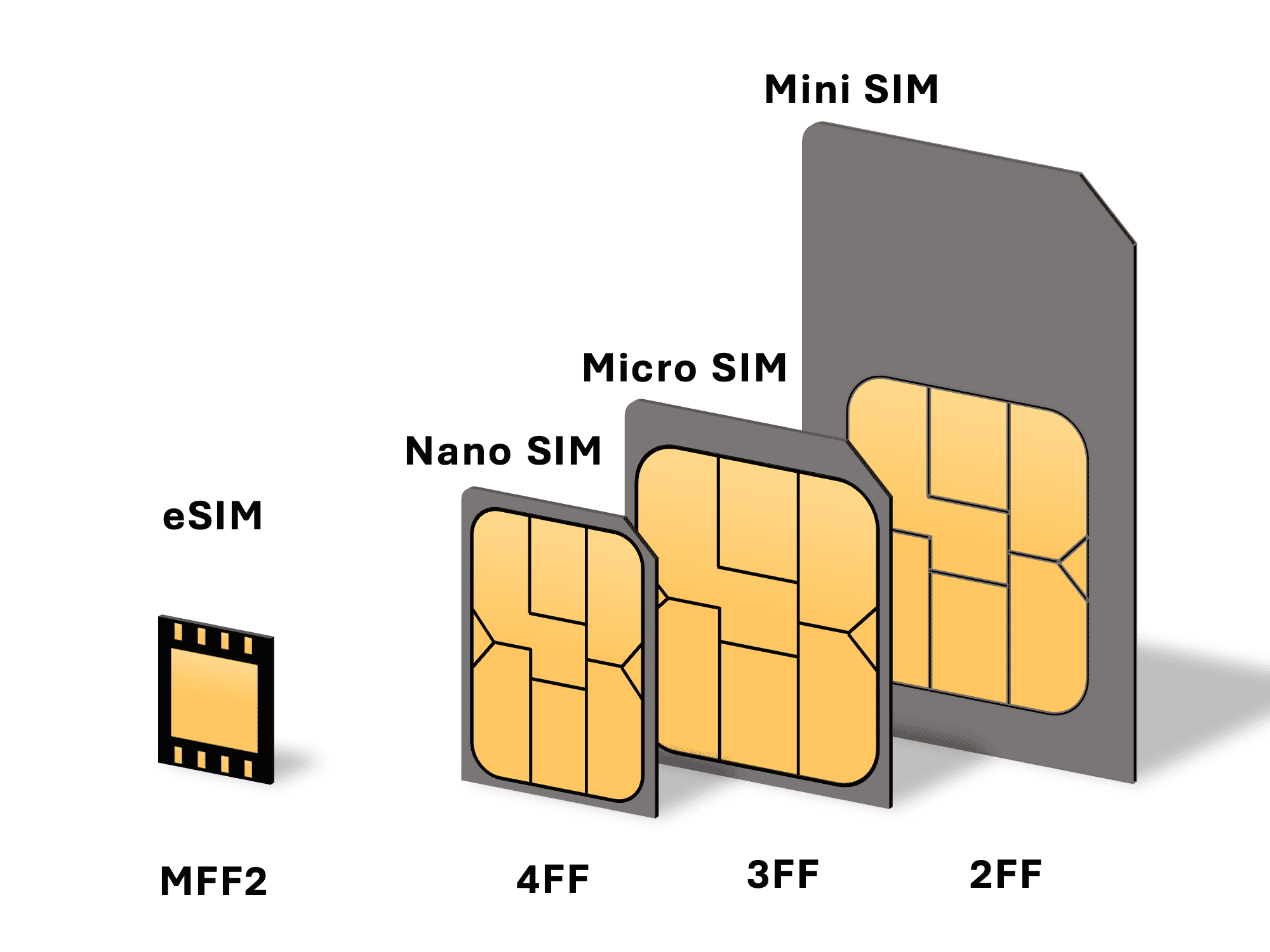
Travel eSIM vs. Local SIM Cards for an International Esim Europe Trip
A local physical SIM bought at your first destination can be cheaper per gigabyte, but it typically only covers that one country. On a multi-country itinerary, that means buying a new SIM at every border, hunting for a shop that sells one, and juggling multiple phone numbers along the way. An esim for europe trip that spans several countries under a single profile removes that repeated friction, which is usually worth the modest premium for anyone visiting more than two countries.
Pros and Cons of a Multi-Country Travel eSIM
| Pros | Cons |
|---|---|
| One plan covers multiple countries without re-purchasing | Data-only plans typically don’t include a local phone number for calls |
| Instant digital activation, no kiosk lines | Requires an eSIM-compatible, unlocked phone |
| Home SIM stays active for calls/texts on a dual-SIM setup | Speeds can vary by partner network in rural areas |
| Often cheaper than pay-per-use roaming over a full trip | Best value plans require buying the right size upfront |
How to Choose the Right Plan for Your Route
Start by listing every country on your itinerary and checking that a candidate plan explicitly includes each one. Next, estimate your daily data use: light map-and-messaging use might need under 500 MB per day, while streaming video or video-calling home can push that past 1.5 GB per day. Multiply by the number of travel days and add a buffer of 20 to 30 percent. For better efficiency, consider exploring Saily’s plan calculator style options, which let you match data size to trip length rather than guessing.
If your plans might change mid-trip, favor a provider that supports in-app top-ups over one that requires you to purchase an entirely new plan if you run low on data in week two.
Frequently Asked Questions
Do I need to remove my home SIM to use a travel eSIM in Europe?
No. Most modern phones support dual-SIM functionality, meaning your physical home SIM can remain active for calls and texts while the eSIM handles data, provided your device and carrier allow dual-SIM operation.
Will a single eSIM really work across multiple European countries?
Yes, regional eSIM plans are built to cover a defined list of countries under one data allowance, so the same profile keeps working as you cross from one included country to the next without any manual switching.
What happens if I use all my data before the trip ends?
Most providers, including options like Saily, allow you to purchase a top-up directly in the app, so you can add more data without needing local Wi-Fi or a new SIM.
Is an eSIM more reliable than public airport or cafe Wi-Fi?
Generally yes. Public Wi-Fi networks can be inconsistent, slower during peak hours, and carry more security risk than a private cellular data connection tied to your own eSIM.
Conclusion
Choosing the best travel eSIM for Europe multiple countries comes down to matching coverage, data size, and validity window to your actual itinerary rather than picking the first plan you see. For most multi-country trips, a regional plan in the 5–10 GB range strikes a good balance between cost and convenience, while heavier travelers may want to look at higher-tier or unlimited-style options. Whichever route you take, comparing coverage lists directly against your itinerary before you buy is the single best way to avoid mid-trip surprises, and a provider like Saily is a reasonable starting point when comparing plans built specifically for multi-country European travel.






Leave feedback about this