

Let’s be honest, most of us spend more time picking a phone case than picking the sheets we sleep on every night. That’s a little backwards. You spend roughly a third of your life in bed, so it makes sense to get the fabric right. Good news: it’s not complicated once you know what to look for.
Choosing luxury bed sheets comes down to a few clear factors: the fabric, the weave, the fit and how the sheets feel over months of washing. Price and marketing terms like “hotel quality” can be useful signals, but they rarely tell the full story. This guide walks through each factor so you can make a confident choice, whether you shop in the United States, the United Kingdom, Canada or Australia.
Why Your Sheets Matter More Than You Think
Sheets sit directly against your skin for seven or eight hours a night. The right fabric helps regulate temperature, manages moisture and reduces friction, all of which affect how comfortable you feel through the night. A sheet that traps heat can leave you restless in summer, while one that feels thin and cool may not suit a cold winter bedroom.
Durability matters too. Well-made sheets soften with each wash and keep their shape for years, while poorly made ones can pill, shrink or fade within months. Spending a little more on quality bedding often works out cheaper over time, because you replace it less often.
Understanding the Main Fabric Types
Cotton
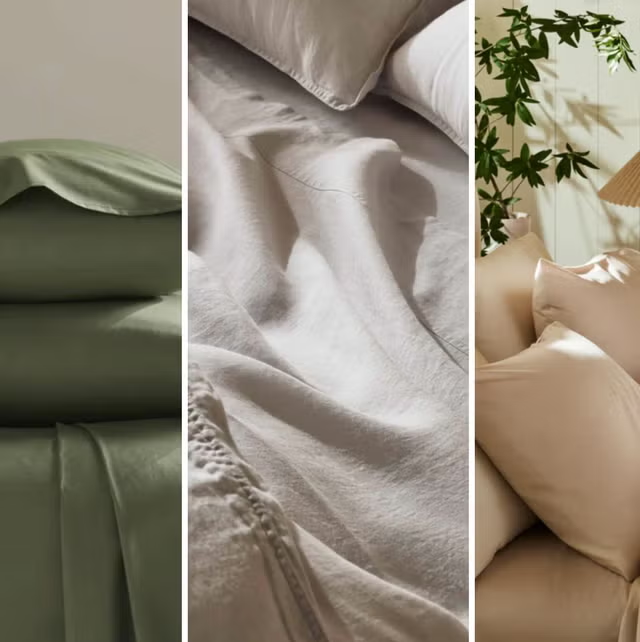
Cotton remains the most popular choice for bed sheets in tier-one markets, and for good reason. It is breathable, soft, easy to wash and widely available. Not all cotton is the same, though. Long-staple cotton, which has longer individual fibers, produces smoother and stronger yarn. This means sheets that feel softer and resist pilling better than those made from short-staple cotton.
When you see terms such as long-staple or extra-long-staple on a label, it usually points to a higher grade of fiber. Organic certifications indicate the cotton was grown without synthetic pesticides, which matters to many shoppers who care about how their products are made.
Linen
Linen is made from flax fibers and has a relaxed, textured look. It is highly breathable and naturally wicks moisture, which makes it a favorite for hot sleepers and warm climates. Linen can feel slightly crisp at first but becomes noticeably softer with every wash. Its natural wrinkles are part of its charm, so it suits anyone who prefers a casual, lived-in style over a perfectly pressed bed.
Other Options
Blends such as cotton and polyester tend to cost less and resist wrinkles, but they usually breathe less well than natural fibers. Fabrics made from bamboo-derived viscose or lyocell feel smooth and cool, and they have grown popular in recent years. Each has its own care needs, so check the label before buying.
Sateen vs Percale: The Weave Decides the Feel
Two sheets made from the same cotton can feel completely different because of the weave. This is one of the most important details to understand when you shop for luxury bed sheets.
Sateen uses a weave that places more threads on the surface, which creates a smooth, slightly lustrous finish. Sateen sheets feel silky and warm, drape nicely over the bed and suit people who like a cozy, indulgent feel. They can sleep a little warmer than percale.
Percale uses a simple one-over, one-under grid weave. The result is a matte, crisp and cool fabric, often compared to the feel of a freshly made hotel bed. Percale is a strong choice for warm sleepers and for anyone who likes a light, airy feel.
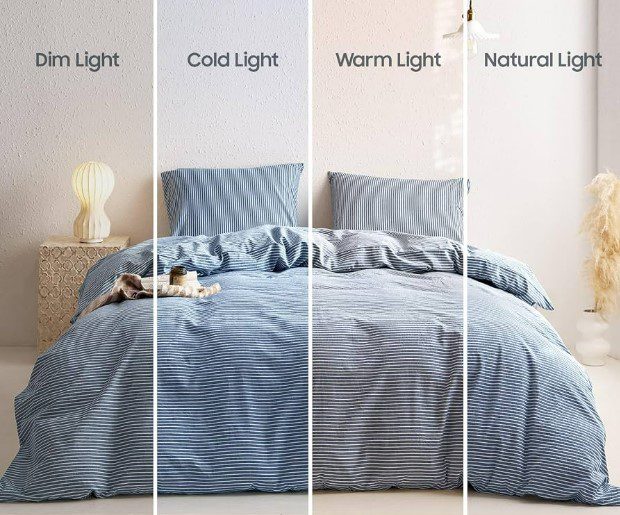
Brands that specialize in bedding often offer both weaves so customers can match the feel to their sleeping style. Brooklinen, a Brooklyn-based bedding company, is a good example, with sateen, percale and linen options across its sheet collections.
You can see the current collections on its official site:
The Truth About Thread Count
Thread count measures the number of threads woven into one square inch of fabric. For years, it was marketed as the main sign of quality, but higher is not always better. Very high numbers are sometimes achieved by twisting thin, low-grade threads together, which inflates the count without improving the feel.
For most cotton sheets, a thread count in the range of roughly 200 to 500 is a sensible zone. Percale often sits toward the lower end of that range, and sateen toward the higher end. Fiber quality and weave matter far more than the number on the package. A well-made percale sheet at a moderate thread count can easily outperform a cheap sheet with a very high count.
Getting the Fit Right
Even the softest fabric is frustrating if the fitted sheet keeps slipping off the corners. Before buying, measure your mattress depth, including any topper. Standard fitted sheets suit mattresses up to a certain depth, while deep pocket sheets are designed for thicker mattresses.
Mattress sizes also vary between countries. A US queen, a UK king and an Australian queen are not identical, so always check the exact dimensions listed by the seller rather than relying on the size name. Good fitted sheets use strong elastic around the full edge, which helps them stay in place through the night.
Matching Sheets to the Way You Sleep
Your sleeping habits should guide your choice as much as any label. Here is a simple way to think about it:
- Hot sleepers: percale or linen, which breathe well and feel cool to the touch.
- Cold sleepers: sateen or flannel, which hold warmth and feel cozy.
- Sensitive skin: smooth, natural fibers such as long-staple cotton, ideally with recognized safety certifications.
- Low-maintenance households: cotton percale or sateen, which handle frequent washing well.
Seasons matter too. Many people in the US keep two sets: a cooler fabric for summer and a warmer one for winter. Rotating sets also extends the life of each one, since no single set takes all the wear.
Building a Complete Bedding Set
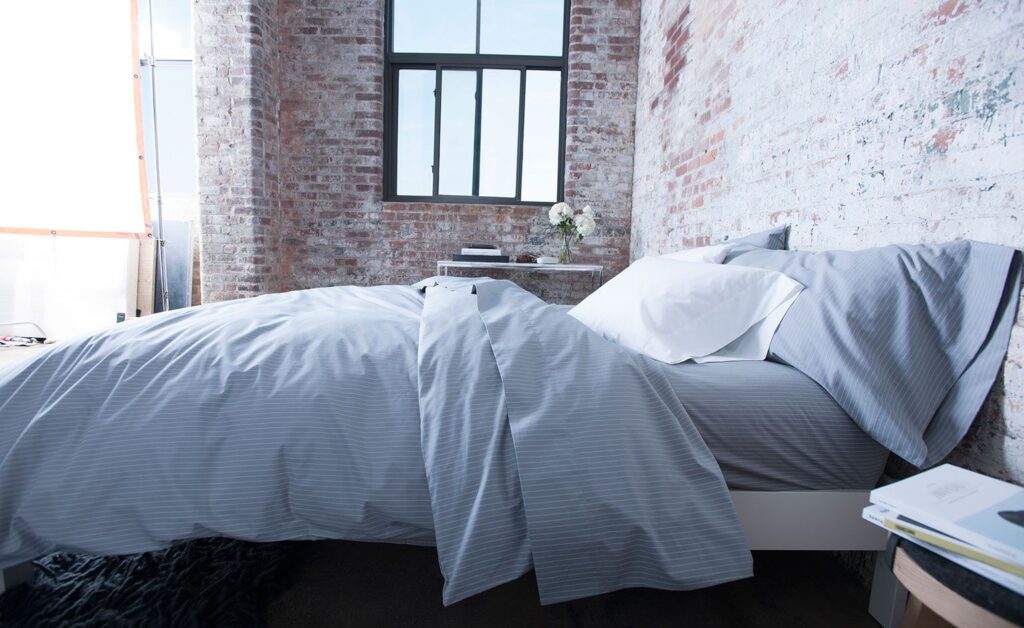
Sheets are only one part of a comfortable bed. A good duvet or comforter, the right pillows and a mattress protector all work together. A duvet cover lets you change the look of your bedroom without replacing the insert, and it is far easier to wash than a full comforter.
Pillowcases deserve attention as well, since your face rests on them every night. Matching the pillowcase fabric to your sheets creates a consistent feel and a polished look. Some brands sell bundled sets that include a fitted sheet, flat sheet, duvet cover and pillowcases, which can simplify the process and often costs less than buying each piece separately. Brooklinen offers bundles along these lines alongside its individual pieces, which is useful if you want to refresh your whole bed at once.
You can see the current bundles and bedding sets on its official site:
How to Care for Luxury Bed Sheets
Proper care keeps quality bedding soft and long-lasting. Always follow the care label first, but these general habits work well for most natural-fiber sheets:
- Wash in cool or warm water with a mild detergent.
- Skip fabric softener, which can coat fibers and reduce breathability.
- Tumble dry on low heat, or line dry when possible.
- Remove sheets promptly from the dryer to limit wrinkles.
Washing sheets roughly once a week is a common recommendation, especially in warmer months. Avoid overloading the washing machine, since sheets need room to move to get properly clean. If you use whitening products, choose gentle options, as harsh bleach can weaken cotton fibers over time.
What to Look for Before You Buy
Buying bedding online is convenient, but you cannot touch the fabric first. That makes a few practical checks especially important:
- Read the fabric details. Look for fiber type, weave and any certifications.
- Check the return policy. A fair trial period lets you sleep on the sheets before committing.
- Read verified customer reviews. Look for comments on softness after washing, pilling and fit.
- Compare sizes carefully. Confirm dimensions for your country and mattress depth.
- Consider the full cost. Include shipping, and check whether bundles offer better value.
Direct-to-consumer bedding brands have made it easier to compare these details, as many publish full fabric specifications and care instructions on their product pages. Brooklinen is one of the better-known names in this space in the United States, and its product pages lay out the weave, material and care guidance for each collection, which helps when you are comparing options side by side.
You can see the current sheets and pricing on its official site:
Frequently Asked Questions (FAQs)
Ques: What is the best fabric for luxury bed sheets?
Long-staple cotton and linen are two of the most popular choices. Cotton suits most sleepers and is easy to care for, while linen is ideal for hot sleepers and warm climates.
Ques: Is a higher thread count always better?
No. Fiber quality and weave matter more. A moderate thread count made from long-staple cotton usually feels better and lasts longer than a very high count made from lower-grade threads.
Ques: Which is cooler, sateen or percale?
Percale is generally cooler and crisper, while sateen feels smoother and slightly warmer.
Ques: How often should I replace my bed sheets?
Well-made sheets can last several years with proper care. Replace them when you notice thinning, holes, pilling or a loss of softness.
Final Thoughts
The best luxury bed sheets are not always the most expensive or the ones with the highest thread count. They are the ones that match how you sleep, fit your mattress properly and hold up well over time. Start by choosing between cotton and linen, then decide whether you prefer the silky warmth of sateen or the cool crispness of percale. Measure your mattress, check the return policy and look after your sheets with gentle washing.
With those basics in place, you can build a bed that feels comfortable every night and still looks great years from now.






Leave feedback about this