

Knowing how to choose a designer handbag for everyday use is less about brand prestige and more about matching a bag to the way you actually live. A handbag that looks superb in a boutique can become a daily frustration if it is too small for your essentials, too heavy when full, or too delicate for a commute. For shoppers in the United States, where the same bag may travel from a coffee shop to an office to an airport in a single day, the right choice balances size, materials, and function above all else. This guide sets out a structured, practical framework so that your purchase remains useful for years rather than seasons.
Start With Your Daily Routine, Not the Label
Before comparing styles, list what you carry on a typical weekday. Most people need a phone, wallet, keys, and a small cosmetics or personal-care pouch. Many also carry a 13- to 14-inch laptop or tablet, a water bottle, and sunglasses. Once you have this inventory, you can define the minimum internal dimensions your bag must offer, which prevents the common mistake of buying on appearance alone.
A useful method is to lay your daily items on a table and measure the footprint they occupy. Add roughly two inches of breathing room in width and height so the bag does not strain at the seams. This simple exercise makes the later sections on sizing far easier to apply.
Handbag Size Guide: Matching Dimensions to Your Needs
A reliable handbag size guide begins with the four common categories: mini, small, medium, and large. Mini bags suit evenings and light errands, but they rarely accommodate a full day of essentials. Small and medium bags are the most versatile for everyday use, while large totes are best when you routinely carry a laptop or documents.
Common Size Categories at a Glance
| Size | Typical Width | Best For | Limitation |
|---|---|---|---|
| Mini | 6–8 in | Evenings, light errands | Fits only phone, cards, keys |
| Small | 8–10 in | Casual days, travel day-bag | No room for a laptop |
| Medium | 10–13 in | Office, daily commuting | Can feel heavy when overfilled |
| Large tote | 13–16 in | Laptop, documents, gym | Bulky in crowded transit |
Treat these ranges as general guidance rather than fixed standards, because brands measure differently. Always check the listed dimensions and compare them with the items you measured earlier.
Everyday Designer Handbag Features That Matter
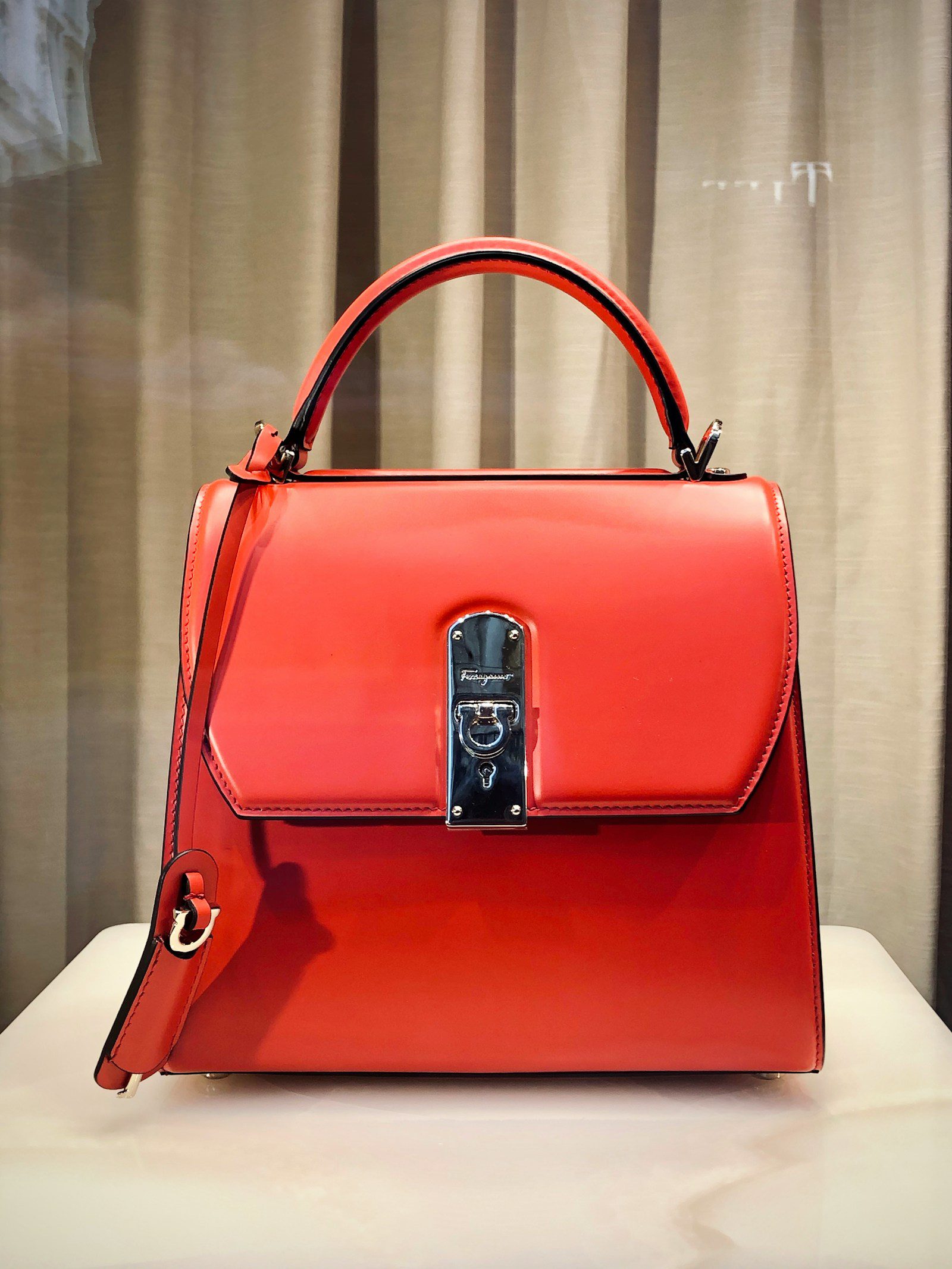
The most useful everyday designer handbag features are rarely the most visible. Look first at the closure: a zip or secure magnetic clasp protects your belongings on crowded streets and public transport. Next, examine the interior organization. A zippered pocket for valuables and slip pockets for a phone reduce the time spent searching for items.
Straps and Comfort
Comfort determines whether you reach for a bag daily. Adjustable and detachable straps allow you to switch between shoulder, crossbody, and hand-carry positions. Wider straps distribute weight more evenly, which matters if you carry more than a few pounds. If you commute on foot or by train, a crossbody option keeps your hands free.
Structure and Shape
Structured bags hold their shape and protect fragile items, while slouchy styles are lighter and more flexible. For professional settings, a structured medium bag typically presents the most polished appearance. For casual routines, an unstructured hobo or bucket style may prove more comfortable.
If you would like to compare a wide range of styles in one place, you can browse the curated collections at Nordstrom, where sizes, materials, and dimensions are listed clearly for each bag.
Materials: Building a Durable Leather Bag Checklist
Materials influence durability, weight, maintenance, and price. A practical durable leather bag checklist helps you separate genuine quality from cosmetic appeal.
- Full-grain leather: the most durable option, developing a natural patina over time, though it is usually the most expensive.
- Top-grain leather: slightly refined and more uniform in appearance, with good durability and a softer feel.
- Coated or saffiano leather: resists scratches and light moisture, making it a sensible choice for daily commuting.
- Nylon and technical fabrics: lightweight and water-resistant, ideal when weight is a priority.
- Vegan leather: an animal-free alternative whose durability varies considerably between manufacturers.
Inspecting Construction
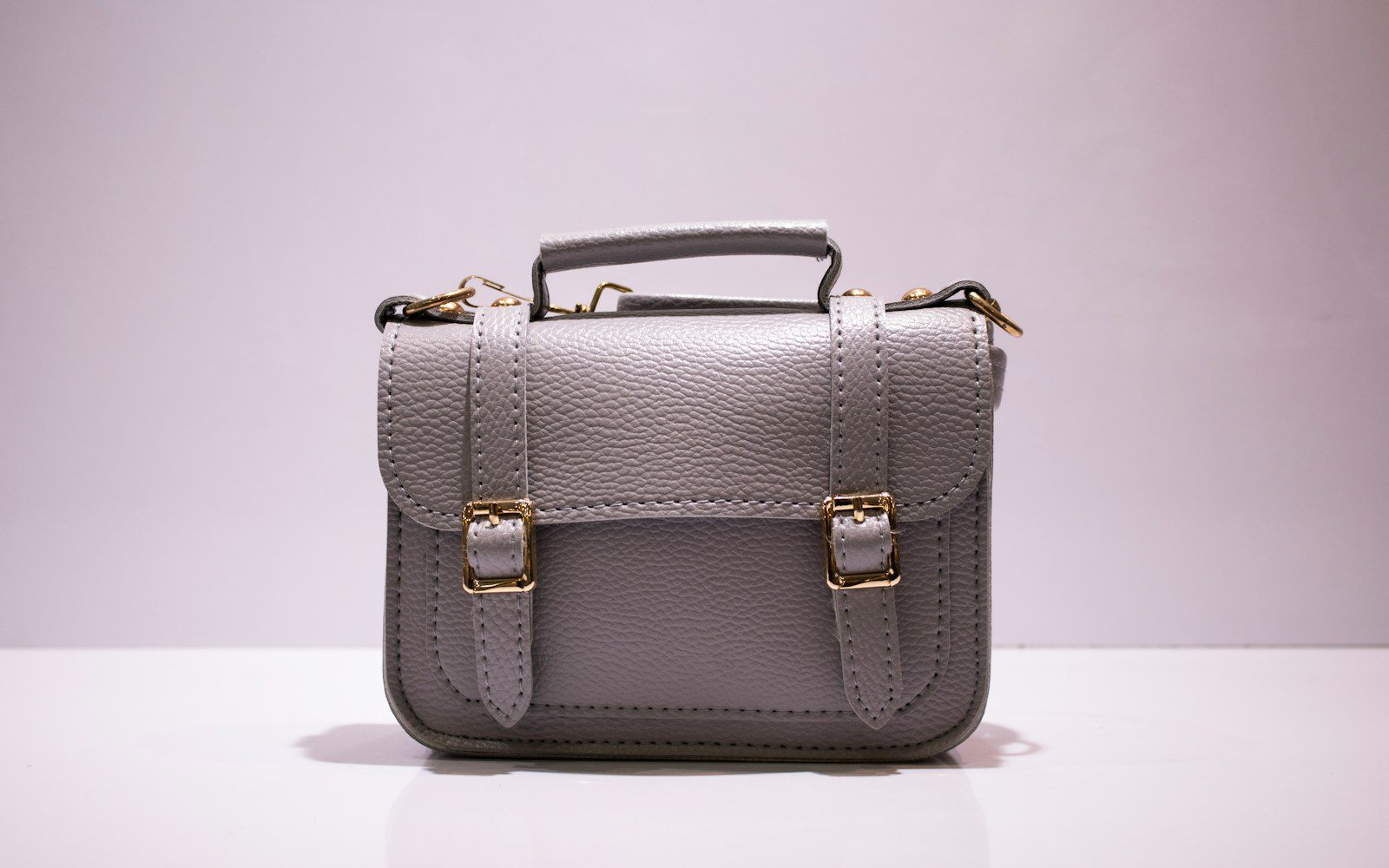
Regardless of material, check the stitching for evenness and tight spacing, especially at strap attachment points where stress concentrates. Metal hardware should feel solid and operate smoothly, and the lining should be sturdy rather than thin. Edges that are neatly painted or folded, instead of raw and fraying, are a reliable indicator of careful workmanship.
Pros and Cons of Investing in a Designer Handbag
A designer handbag is a considered purchase, and weighing its advantages against its drawbacks leads to a better decision.
Pros
- Superior craftsmanship and materials that often outlast lower-priced alternatives.
- Timeless designs that remain wearable across many seasons.
- Repair and care options that extend the working life of the bag.
- Potential for lower cost per use when carried daily for several years.
Cons
- A higher upfront cost, which may stretch a tight budget.
- Delicate finishes that can show wear if not cared for properly.
- Trend-driven styles that may date quickly if chosen carelessly.
The cost-per-use principle is worth remembering. A bag priced at several hundred dollars and carried on 250 working days a year for three years costs only a small amount per outing. If you value convenience and durability, consider exploring Nordstrom for a range of price points that suit different budgets.
Balancing Style, Budget, and Care
Set a realistic budget before you shop, and decide whether you prefer a single versatile bag or a small rotation. Neutral shades such as black, tan, navy, and taupe pair with most wardrobes and hide everyday marks better than light colors. Finally, plan for care: a soft cloth, a suitable leather conditioner, and a dust bag for storage will preserve appearance and structure.
When comparing options, it can also help to review return policies, warranty coverage, and available care services. For a dependable place to start, Nordstrom offers a wide selection of established designers, which makes side-by-side comparison considerably easier.
FAQ
Q1: What size handbag is best for everyday use?
A medium bag of roughly 10 to 13 inches in width suits most people, as it holds a phone, wallet, keys, and small extras without becoming heavy. Choose a large tote only if you routinely carry a laptop.
Q2: Which leather is most durable for daily wear?
Full-grain leather is generally the most durable, while coated or saffiano leather offers better resistance to scratches and light moisture. The right choice depends on how much maintenance you are willing to do.
Q3: Is a designer handbag worth the price?
It can be, particularly when you use it daily and care for it well. Cost per use often falls significantly over several years, though the value depends on quality, timeless design, and your budget.
Q4: How do I keep an everyday leather handbag in good condition?
Wipe it regularly with a soft cloth, condition the leather a few times a year, avoid overloading it, and store it stuffed lightly in a dust bag away from direct sunlight and humidity.
Conclusion: Make Your Everyday Handbag Work Harder
To recap how to choose a designer handbag for everyday use: begin with your daily routine, use a size guide to match dimensions to your essentials, prioritize functional features such as secure closures and comfortable straps, and apply a durable leather bag checklist before buying. Compare the pros and cons honestly, set a realistic budget, and commit to basic care. When you are ready to shop, browse the options at Nordstrom with your measurements and checklist in hand, and choose the bag that serves your routine as well as it suits your style.




Leave feedback about this