

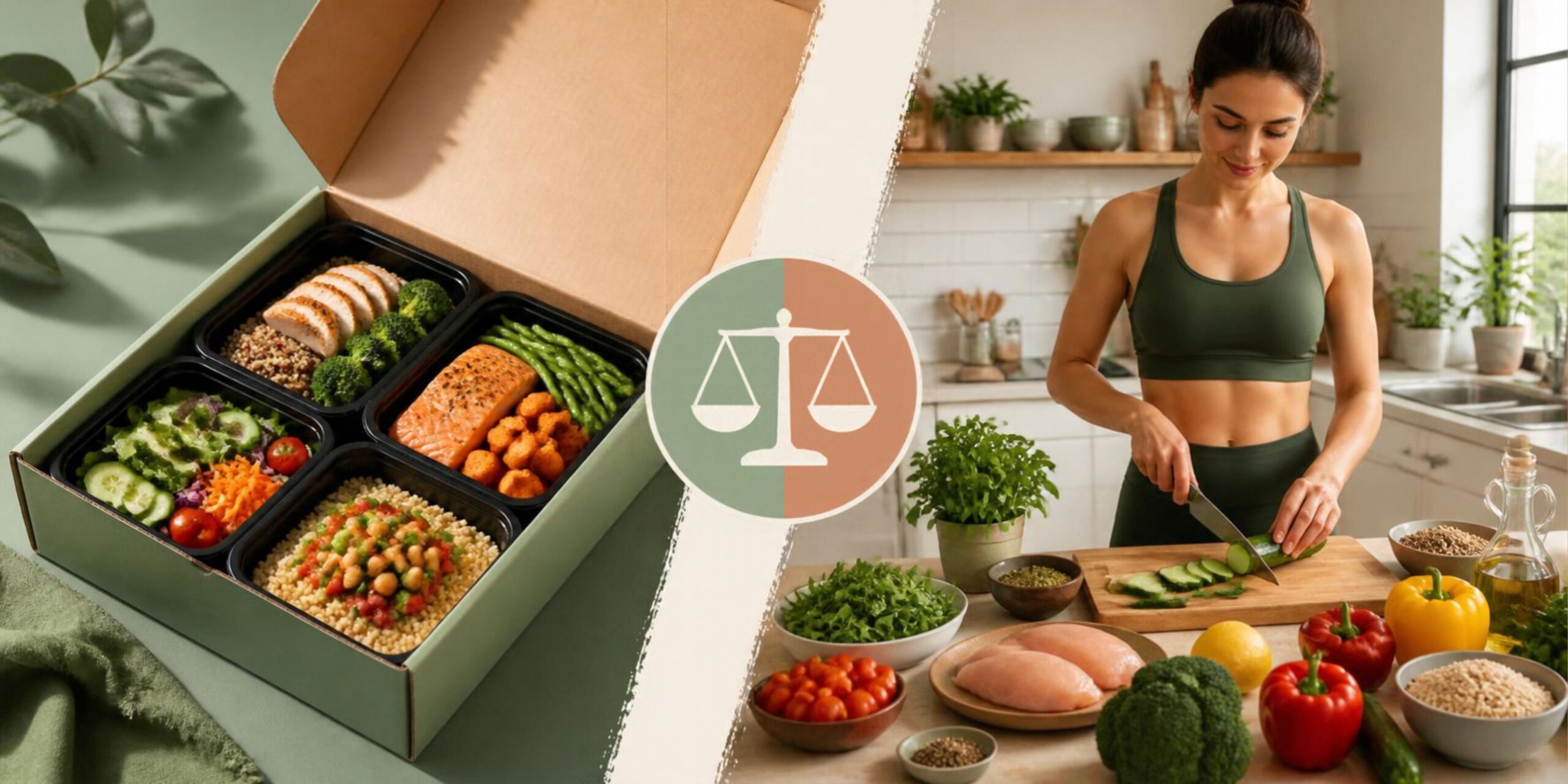
For someone trying to lose weight, the question is not simply whether homemade food is healthier than delivered food. The more useful question is which approach makes it easier to control calories, eat satisfying meals, and maintain consistent habits over time.
Cooking at home provides control over ingredients, cooking methods, portions, and meal composition. Meal delivery, on the other hand, can remove much of the planning and preparation involved in eating well. That convenience can be particularly valuable for people whose biggest obstacle is a busy schedule rather than a lack of nutritional knowledge.
Neither option guarantees weight loss. A home-cooked meal can be extremely calorie-dense, while a professionally prepared meal can be portion-controlled and nutritionally balanced. The outcome depends largely on how each approach affects total calorie intake, food quality, hunger, and consistency.
For that reason, the better choice depends less on where the food is prepared and more on whether the system supports sustainable eating habits.
What Actually Determines Weight Loss?
Weight loss generally requires a sustained calorie deficit, meaning the body uses more energy than it receives from food and drinks. However, creating that deficit becomes considerably easier when meals are filling, nutritious, and practical to maintain. Several factors can influence whether a meal plan works:
- Total calorie intake
- Protein intake
- Fiber and food volume
- Portion sizes
- Cooking fats, sauces, and dressings
- Meal timing and frequency
- Hunger and satisfaction
- Convenience and consistency
This is where the comparison between meal delivery and home cooking becomes more relevant.
For example, someone may have an excellent home-cooking routine but frequently order takeout after exhausting workdays. Another person may have little time to cook but consistently eat pre-portioned delivered meals. In those situations, the second approach may be more effective for weight management, even though it involves less cooking.
The practical question is therefore not “Which is healthier?” but “Which system makes appropriate food choices easier to repeat?”
Cooking at Home for Weight Loss
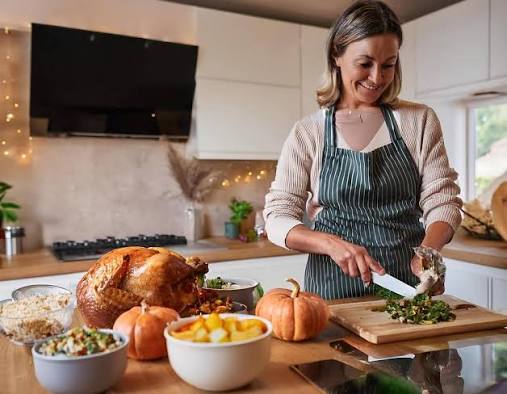
Home cooking offers the highest level of control over a meal. You can adjust ingredients, portions, cooking methods, and serving sizes to meet individual nutritional needs.
That flexibility can make it easier to create meals that are filling without being excessively high in calories.
Better control over ingredients
Restaurant and takeaway meals may contain considerable amounts of oil, butter, sugar, sauces, cheese, or other calorie-dense ingredients. When food is prepared at home, these ingredients can be measured or reduced.
For example, a homemade stir-fry can contain a large quantity of vegetables, a suitable protein source, and a measured amount of cooking oil. The same type of dish ordered from a restaurant may contain substantially more oil or sauce.
This does not mean restaurant food is automatically unsuitable for weight loss. It simply means that home cooking provides more control over the variables that affect calorie intake.
Easier protein management
Protein is an important component of a weight-loss diet because it contributes to satiety and helps support muscle retention during weight loss.
Home cooking makes it easier to deliberately include protein-rich foods at meals. Depending on dietary preferences, these might include eggs, Greek yogurt, cottage cheese, tofu, tempeh, lentils, beans, fish, chicken, or other lean protein sources.
A meal can then be structured around protein first, followed by vegetables or other high-fiber foods and an appropriate portion of carbohydrates or fats.
Greater flexibility
Home-prepared meals can also be adjusted according to hunger and individual requirements.
Someone who needs a more substantial meal after exercise can increase the carbohydrate or protein portion. Someone with a lighter appetite can reduce the serving size without being tied to a fixed portion.
This flexibility is particularly useful over the long term because appetite and activity levels are rarely identical every day.
Where Home Cooking Can Go Wrong
The assumption that homemade food automatically supports weight loss is misleading. Healthy ingredients can still produce a high-calorie meal when portions are large or several calorie-dense ingredients are combined.
A meal containing brown rice, avocado, nuts, cheese, olive oil, and a creamy dressing may contain nutritious ingredients while still delivering considerably more calories than expected. Cooking at home can also encourage unconscious eating.
Tasting food during preparation, taking second servings, finishing leftovers, or adding extra oil without measuring can gradually increase daily calorie intake. Therefore, the advantage of home cooking is not simply that the food is homemade. Its real advantage is control. That control becomes useful only when portions and calorie-dense ingredients are managed intentionally.
Meal Delivery for Weight Loss
Meal delivery is often viewed as the less healthy option because the category includes restaurant meals, fast food, and convenience foods. However, meal delivery covers a much broader range of services.
Some prepared-meal services provide calorie information, portion-controlled meals, high-protein options, and menus designed around specific dietary preferences. The main advantage is convenience.
Less planning and preparation
Meal planning requires more than cooking. It involves deciding what to eat, creating a shopping list, buying ingredients, preparing them, cooking, and cleaning afterward.
For someone with a demanding work schedule, these steps can become the reason healthy eating breaks down. A prepared meal can eliminate most of that process.
This can be particularly useful during the times when dietary adherence is most vulnerable. A ready-to-eat meal waiting in the refrigerator may be a better option than relying on takeaway after a long workday.
Portion sizes can be more predictable
A meal delivery service that provides accurate nutritional information can make portion management easier. Instead of estimating how much rice, pasta, oil, or sauce belongs on a plate, the serving is already determined.
This does not mean every delivered meal is suitable for weight loss. Nutritional labels still need to be checked, particularly for calorie content, protein, fiber, and serving size.
Terms such as “healthy,” “natural,” “high-protein,” or “low-carb” are not enough to determine whether a meal fits an individual’s calorie requirements.
Convenience may improve adherence
Convenience is sometimes treated as a minor benefit, but it can have a major impact on consistency. A theoretically perfect meal plan is of little value if it is too time-consuming to follow.
If meal delivery prevents repeated takeout orders, skipped meals, or excessive snacking caused by poor planning, its convenience can become a genuine weight-loss advantage.
The Downsides of Meal Delivery
The biggest disadvantage is reduced control. Unless a provider supplies detailed nutritional information, it can be difficult to know how much cooking oil, butter, dressing, sugar, or sauce has been used. Meal delivery can also be more expensive than buying ingredients and preparing meals at home.
Another consideration is long-term independence. Someone who relies entirely on prepared meals may find it difficult to maintain the same eating pattern when traveling, attending social events, or no longer using the service.
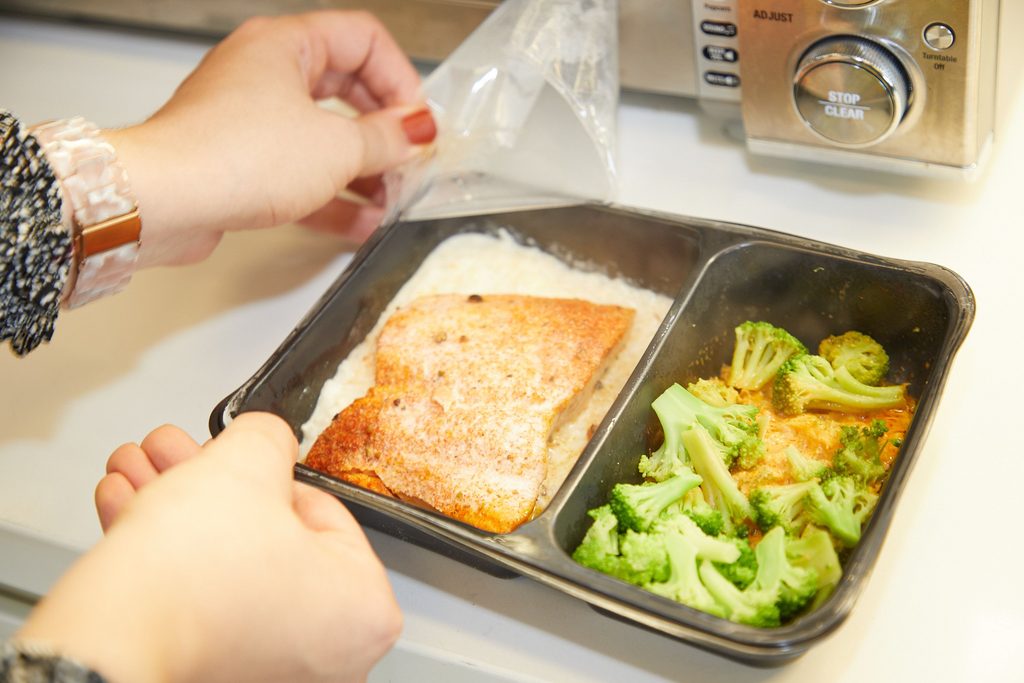
For that reason, meal delivery works best when it supports healthy habits rather than completely replacing the ability to make balanced meals independently.
Meal Delivery vs Cooking at Home: Which Has the Advantage?
| Factor | Cooking at Home | Meal Delivery |
| Ingredient control | Excellent | Limited to menu choices |
| Portion control | Highly customizable | Often predetermined |
| Convenience | Lower | High |
| Meal planning | Required | Minimal |
| Protein customization | High | Depends on provider |
| Calorie tracking | Requires measuring or estimating | Easier when nutrition data is provided |
| Cost | Usually lower | Usually higher |
| Cooking skills | Required | Minimal |
| Risk of impulsive takeout | Depends on routine | Can be lower |
| Long-term food skills | Strong | More limited |
Neither option is automatically superior. Each solves a different problem. Home cooking primarily solves the problem of control. Meal delivery primarily solves the problem of convenience. The more important question is which of those problems is currently preventing consistent weight-loss progress.
The Most Effective Approach May Be a Combination
For many people, using only one system is unnecessary. A hybrid approach can combine the strengths of both. For example, home cooking can be used on days when there is sufficient time for meal preparation, while meal delivery can cover particularly busy weekdays. Another option is to use delivered meals for lunch during the working week while preparing breakfast and dinner at home.
This approach reduces the pressure to cook every meal without creating complete dependence on prepared food. A semi-homemade strategy can work similarly. Frozen vegetables, pre-cooked grains, canned beans, yogurt, eggs, tofu, pre-washed salad ingredients, and other convenient staples can significantly reduce preparation time while still allowing control over meal composition.
The objective is not to prove that every meal was prepared from scratch. The objective is to make balanced eating easier.
How to Choose Based on the Real Problem
The most useful way to decide between the two approaches is to identify the biggest barrier to consistency.
If portion control is the main problem
Structured meal delivery may be useful, particularly when meals include reliable calorie and serving information.
If food quality is the main problem
Cooking at home may provide greater control over vegetables, protein sources, whole grains, cooking fats, and added sugar.
If time is the main problem
Meal delivery or semi-prepared ingredients may be more realistic than expecting elaborate home cooking every day.
If takeout is the main problem
Prepared meals can act as a convenient alternative during high-risk periods, such as busy evenings or long workdays.
If cost is the main problem
Home cooking will generally provide more food for the money, especially when meals are based on affordable staples such as beans, lentils, eggs, grains, seasonal vegetables, and other minimally processed foods.
If maintaining the diet is the main problem
A combination of both approaches may be more sustainable than relying exclusively on either one.
What Should a Weight-Loss Meal Actually Contain?
Regardless of where a meal comes from, its nutritional composition matters more than its preparation method. A practical meal can be built around four components:
Protein: Helps increase satiety and supports muscle maintenance.
Vegetables or fruit: Provide fiber, micronutrients, and food volume.
Carbohydrates: Foods such as potatoes, rice, oats, whole grains, or legumes can provide energy and should be adjusted according to individual needs.
Healthy fats: Foods such as nuts, seeds, avocado, and oils can contribute useful nutrients, but portions matter because fats are calorie-dense.
The exact proportions do not need to be identical at every meal. The overall eating pattern matters more than one individual plate.
A Simple Test for Choosing Between the Two
Before selecting meal delivery or home cooking, four questions can help:
- Can the method keep daily calorie intake appropriate?
- Does it provide enough protein and fiber to support satiety?
- Can it realistically fit into the person’s schedule and budget?
- Can the approach be maintained for several months rather than just a few weeks?
If the answer to all four is yes, either approach can potentially support weight loss. The biggest mistake is choosing a method because it appears healthier in theory while ignoring whether it fits everyday life.
Final Verdict: Control vs Convenience
Cooking at home has the clear advantage when it comes to ingredient control, customization, and cost. It can make it easier to build meals around protein, vegetables, fiber, and appropriately sized portions.
Meal delivery has a different advantage: it reduces the amount of planning and preparation required. For busy individuals, that convenience can prevent impulsive food choices and make a calorie-controlled diet easier to maintain. For many people, the most sustainable solution is a combination of both.
Home cooking can provide control on normal days, while meal delivery service can provide a practical fallback when time is limited. The result is a more flexible system that does not depend on perfect meal preparation every day.
Ultimately, weight loss is determined less by whether a meal came from a kitchen or a delivery service and more by the overall eating pattern it creates. The most effective approach is the one that consistently provides appropriate portions, sufficient protein and fiber, manageable calories, and enough convenience to remain sustainable.







Leave feedback about this