

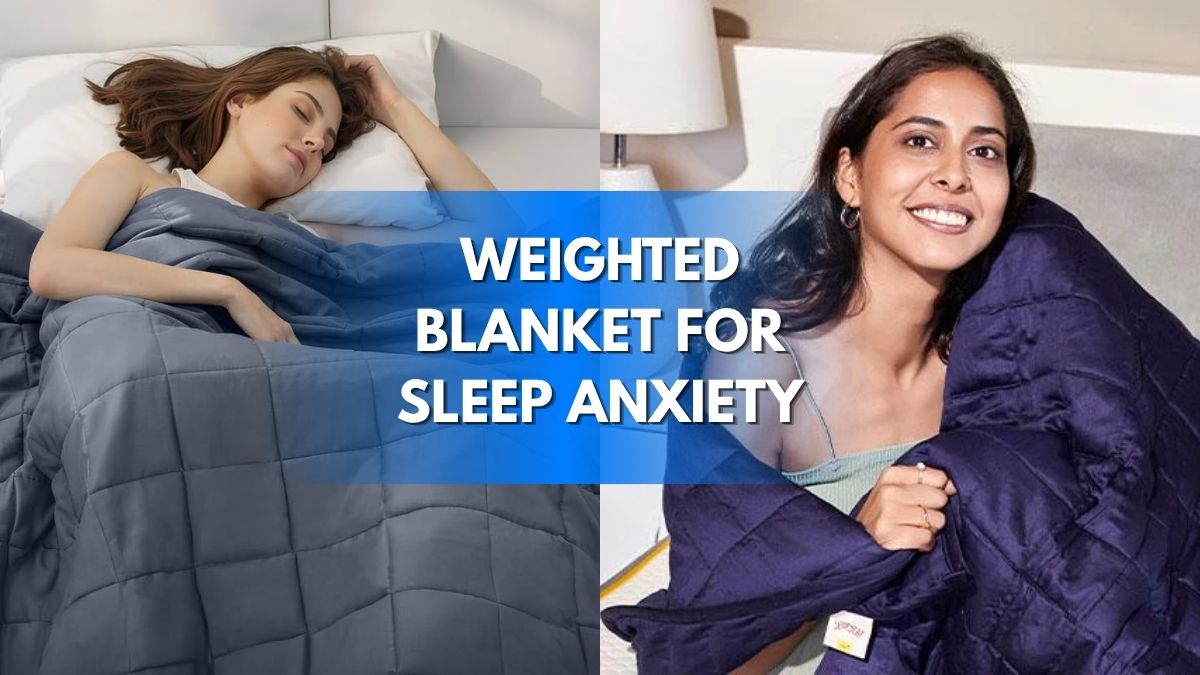
If you’ve spent any time scrolling through sleep or wellness content lately, you’ve probably seen a weighted blanket for sleep anxiety mentioned more than once. They’re marketed as a simple, drug-free way to calm a racing mind at bedtime, and for a lot of people, that promise is appealing.
But does a blanket filled with glass beads or plastic pellets actually help you sleep better, or is this just another wellness trend riding on a clever idea? Let’s break down what these blankets actually do, what the research says, and whether they’re worth adding to your bedroom setup.
What Is a Weighted Blanket, and How Is It Supposed to Help?
A weighted blanket looks like a regular blanket but is filled with small weighted materials, usually glass beads, plastic pellets, or sometimes sand, sewn into evenly spaced pockets. The added weight is meant to apply gentle, distributed pressure across your body while you lie down, similar to the feeling of a hug or a firm, comforting touch. Here’s roughly how it’s supposed to work, step by step:
- The blanket applies gentle, even pressure across your body. As soon as you lie down under it, the weight presses down uniformly, rather than concentrating on any single area, similar to the sensation of a firm hug.
- Your body registers this as deep pressure stimulation. This is the same principle behind swaddling infants or the compression vests occupational therapists have used for years; touch receptors under the skin pick up the steady pressure and send that signal to the nervous system.
- The nervous system shifts toward a calmer state. The theory is that this input helps activate the parasympathetic nervous system, the part responsible for “rest and digest” functions, nudging your body out of an alert, stressed state.
- This is thought to lower physical markers of stress. Some research points to reduced cortisol levels and a mild increase in serotonin and melatonin, hormones tied to relaxation and sleep, though results here vary across studies.
- The result, in theory, is an easier transition into sleep. With your body less physiologically “on edge,” falling asleep and staying asleep is supposed to become more manageable, especially for people whose anxiety shows up as physical restlessness or a racing mind at bedtime.
It’s a fairly simple mechanism on paper: whether through gentle physical pressure or temperature-regulating solutions like cooling mattresses, the goal is nudging the nervous system toward calm. As the next section covers, though, how well this actually plays out varies quite a bit from person to person.
Does the Science Actually Back This Up?
This is where things get more nuanced. Early studies and clinical use suggest that deep pressure can have a calming effect for some people, and anecdotal reports from people using weighted blankets for anxiety and insomnia are largely positive. Many describe feeling more grounded and less restless once they’re under the blanket.
That said, larger, high-quality research on weighted blankets specifically is still fairly limited. Some studies have found modest improvements in sleep quality and reduced nighttime restlessness, while others show more mixed results, with benefits varying quite a bit from person to person. Essentially, the current evidence leans cautiously positive, but it isn’t a slam-dunk, universally proven treatment the way some marketing might suggest.
What this means in practice is that a weighted blanket might genuinely help you relax at night, but it’s reasonable to think of it as one tool among several, not a guaranteed fix on its own.
Who Tends to Benefit Most?
Based on both research and common feedback, weighted blankets seem to help most with:
- Racing thoughts or a generally wired feeling at bedtime
- Difficulty settling down after a stressful day
- Restlessness that makes it hard to stay asleep through the night
- A general sense of needing to feel “grounded” or secure while falling asleep
For many people, the appeal of pairing a weighted blanket with mattresses for back pain relief comes down to how it addresses two problems at once: the racing, anxious mind that won’t switch off, and the physical restlessness that keeps interrupting sleep once you’re finally under.
How Heavy Should a Weighted Blanket Actually Be?
This is probably the most common question people have, and it matters more than most buyers realize. A blanket that’s too light won’t provide enough pressure to feel calming, while one that’s too heavy can feel restrictive or uncomfortable, which defeats the purpose entirely.
The general guideline most manufacturers and therapists recommend is choosing a blanket that’s roughly 10 percent of your body weight, give or take a pound or two depending on personal preference. So someone weighing 150 pounds would typically look at a blanket in the 13 to 17 pound range. Some people prefer slightly heavier for a stronger “hugged” sensation, while others find that too much weight feels smothering rather than soothing.
It’s worth noting this isn’t an exact science. Comfort preferences vary quite a bit, so if you’re between two sizes, it’s often worth checking a retailer’s return policy before committing, since sizing right can take a bit of trial and error.
Weighing the Pros and Cons
Potential Benefits
- Non-pharmaceutical option that doesn’t involve medication or ongoing cost
- Can be used alongside other sleep or anxiety strategies without conflict
- No screen, app, or tech involved, appealing if you want to reduce bedtime tech use
- Widely available, with a broad price range to fit different budgets
- One-time purchase rather than a recurring expense
Potential Downsides
- Can trap heat, which may be uncomfortable for hot sleepers or in warmer climates
- Heavier blankets can feel restrictive to some people, particularly those who move around a lot during sleep
- Not ideal for people with certain respiratory or circulatory conditions, so checking with a doctor first is wise if you have underlying health concerns
- Research is still developing, so results aren’t guaranteed for everyone
- Higher upfront cost compared to a standard blanket
Comparing It to Other Sleep Anxiety Approaches
| Approach | What It Involves | Best For |
| Weighted Blanket | Distributed pressure while lying down | People who feel calmer with physical touch or pressure |
| Sleep Hygiene Changes | Consistent schedule, reduced screens, cooler room | Anyone building better long-term sleep habits |
| Relaxation Techniques | Breathing exercises, meditation, journaling | People whose anxiety is more mental than physical |
| Professional Support | Therapy, medical evaluation | Persistent or severe anxiety affecting daily life |
A weighted blanket fits most naturally alongside these other approaches rather than replacing them. Many people find the best results when combining it with a wind-down routine, rather than expecting the blanket to do all the work on its own.
What Actually Matters When Choosing One
If you decide to try one, a few practical details make a real difference in whether you’ll actually enjoy using it:
- Weight: As mentioned, aim for roughly 10 percent of your body weight as a starting point.
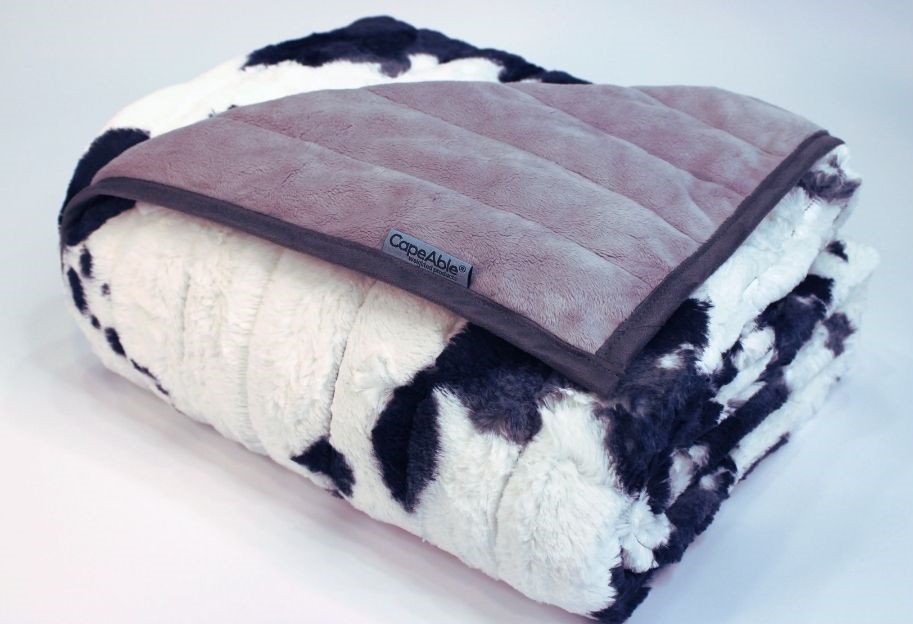
- Fabric: Cotton and bamboo tend to sleep cooler, while minky or plush fabrics feel cozier but retain more heat.
- Fill Type: Glass beads are generally quieter and distribute weight more evenly than plastic pellets, which can shift and feel lumpy over time.
- Washability: Removable, machine-washable covers make a lot of everyday sense for actual maintenance.
- Size: Blankets sized for your body rather than your bed tend to provide more even, effective pressure.
Setting Realistic Expectations
It’s worth being honest about what a weighted blanket can and can’t do. It’s not a cure for chronic insomnia or clinical anxiety, and it won’t replace professional treatment if your sleep struggles are persistent or significantly affecting your daily life. It also isn’t going to fix an inconsistent bedtime, excessive screen use before bed, or a genuinely uncomfortable mattress.
What it can offer is a simple, physical way to help your body downshift into a calmer state at the end of the day. For many people, combining this with the best pillows for neck pain relief translates into feeling much more settled at bedtime, making it a reasonably low-risk approach if you already struggle with racing thoughts or physical restlessness once the lights go out.
Final Verdict
So, is it worth it? For a lot of people dealing with mild to moderate anxiety around bedtime, yes, it’s a reasonable and generally low-risk option to try. The weighted blanket benefits sleep in a real, if modest, way for many users, particularly those who respond well to physical pressure or touch as a calming mechanism.
Just go in with realistic expectations. It’s one tool in a broader toolkit, not a standalone solution, and pairing it with consistent sleep habits will likely get you better results than the blanket alone. If your anxiety or sleep issues are persistent or significant, it’s worth talking to a doctor or therapist about a more complete plan, with the blanket as a helpful addition rather than the whole strategy.







Leave feedback about this