

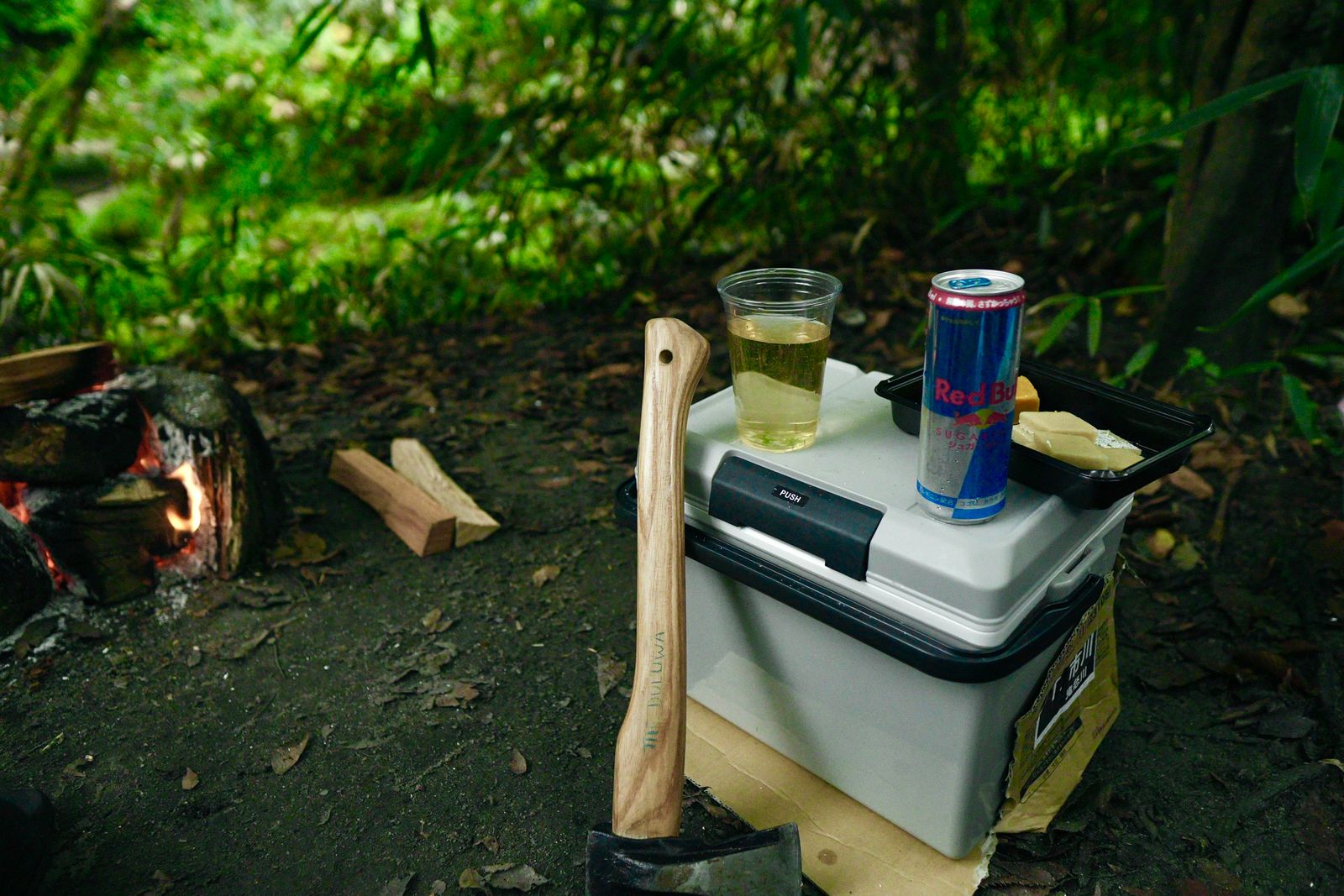
Finding the best hard cooler for camping in Canada means planning for long weekends in provincial parks, remote backcountry sites and warm lakeside campgrounds where ice must last. A good hard cooler keeps food safe, protects drinks, and survives rough handling in a canoe, truck bed or portage. This size guide explains how to match capacity, insulation and portability to your trips so you buy once and buy well.
Canadian camping brings its own demands: hot July afternoons, cold nights in the shoulder seasons, bears that investigate food, and long drives between supply points. Each of these shapes what you should look for.
Why Hard Coolers Suit Canadian Camping
Soft coolers are convenient for day trips, but a hard cooler offers thicker insulation, a rigid structure and better ice retention over multiple days. For camping, that matters. Rotomoulded and thick-walled designs also resist impact and can double as a seat or a camp table. Many are tested for bear-resistant use when fitted with proper locks and used correctly, which is valuable in regions with active wildlife.
If you camp in a mix of conditions, from prairie campsites to Rocky Mountain parks, a dependable hard cooler becomes one of the most-used pieces of gear you own.
Camping Cooler Size Guide for Canada
Capacity is usually listed in quarts or litres, and the right camping cooler size depends on group size and trip length. As a rule of thumb, aim for roughly half the interior volume as ice and half as food and drinks. Use the guide below as a starting point:
- Solo or couple, 1–2 nights: around 20–35 quarts (19–33 L).
- Family of four, weekend trip: around 45–65 quarts (43–61 L).
- Group or 4+ nights: 65–100+ quarts (61–95+ L), or two separate coolers.
The Two-Cooler Method
Many experienced campers use one cooler for food and another for drinks. Drinks coolers are opened constantly, which warms the interior; keeping food in a second, rarely opened unit extends ice life and keeps perishables safer.
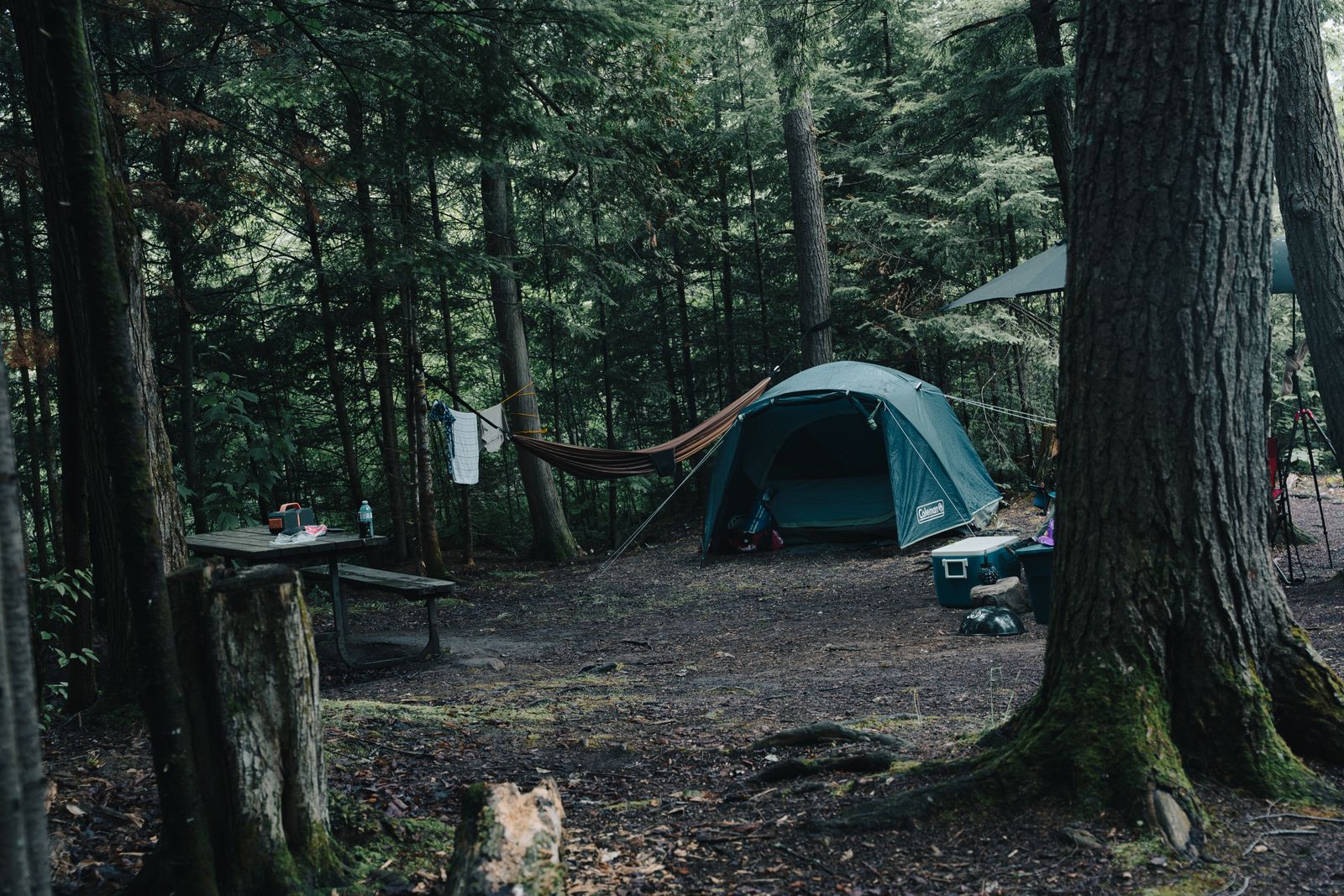
Features to Compare Before You Buy
Insulation and Ice Retention
Look for thick walls and a freezer-style gasket on the lid. These two features do the most work in slowing heat transfer. Manufacturer claims of ice retention are usually based on controlled conditions, so treat them as a comparison tool, not a promise for a 30°C campsite.
Portability and Handling
Weight matters when the cooler is full. Check whether handles are rope, moulded or folding, and consider wheels if you carry gear over long distances. A large cooler is only useful if two people can lift it comfortably.
Durability and Security
Rotomoulded shells, strong hinges and lockable latches protect against knocks and curious wildlife. If you camp in bear country, confirm what the product is certified for and follow local park food-storage rules regardless.
Hard Cooler Comparison Table
| Cooler size | Typical trip | Portability | Ice life |
|---|---|---|---|
| 20–35 qt | Solo, 1–2 nights | Easy for one person | Short to moderate |
| 45–65 qt | Family weekend | Two-person carry when full | Moderate to long |
| 65–100+ qt | Group or extended stay | Best with wheels or vehicle | Longest |
Pros and Cons of Hard Coolers
- Pros: excellent insulation, tough construction, can serve as a seat, and long service life.
- Cons: heavier than soft coolers, higher upfront cost, and bulky to store between trips.
Brand Options Worth Exploring
If you are looking for a reliable option, you can try Yeti, known for rotomoulded hard coolers in a wide range of sizes. For better ice retention on longer trips, consider exploring Yeti models with thick insulation and secure latches. Campers who want to compare capacities side by side can use the size charts on Yeti to match a cooler to group size. Always check current Canadian pricing and availability, as retailer stock and delivery options vary by province.
Practical Tips for Better Ice Life
- Pre-chill the cooler overnight with a sacrificial bag of ice.
- Use block ice on the bottom and cubed ice around items.
- Keep the cooler in shade and covered with a blanket or tarp.
- Open the lid as rarely as possible and drain meltwater sparingly, as cold water still helps.
- Pack food pre-chilled or frozen to reduce the load on the ice.
FAQ
Q1: What size hard cooler do I need for a weekend camping trip?
A 45–65 quart cooler suits most families for two to three nights. Smaller groups can manage with 20–35 quarts.
Q2: How long does ice last in a hard cooler?
It varies with insulation, outside temperature and how often you open the lid. Premium hard coolers can hold ice for several days under good conditions.
Q3: Are hard coolers worth the price?
For frequent campers, yes. Better insulation and durability reduce food waste and replacement costs over time. Occasional campers may be fine with a mid-range option.
Q4: Can I use a hard cooler as bear-resistant storage?
Only if it is certified and properly secured. Follow the food-storage rules of the park you are visiting.
Conclusion
Choosing the best hard cooler for camping in Canada comes down to size, insulation and how you travel. Match capacity to group size, plan on roughly half ice and half contents, and consider two coolers for longer trips. Make a short list, compare features, and buy the size you will genuinely carry.




Leave feedback about this