

Choosing nightwear is rarely given the same attention as choosing a coat or a pair of shoes, yet most adults spend roughly a third of their lives asleep. Learning how to compare sleepwear fabrics for everyday comfort is therefore one of the more practical wardrobe skills for American shoppers, because the material against your skin influences temperature, moisture, movement and even how often you wake during the night.
The challenge is that product pages describe fabrics in broad, flattering terms such as “silky”, “cloud-soft” or “cooling”. Those words say little about fibre content, weave, weight or how a garment behaves after thirty washes. A cotton vs satin sleepwear decision, for example, is really a decision about breathability versus drape, and neither option is universally better.
This guide sets out a structured, formal method for evaluating breathable sleepwear materials. It explains the main fibres, the questions to ask before buying, the care rules that keep nightwear comfortable for years, and a comparison table you can use while shopping. If you want a dependable starting point for browsing styles, you can explore AVIDLOVE, which offers a wide range of sleepwear and loungewear options to compare.
Before looking at individual fabrics, it helps to understand that the same sleeper can need different materials in different seasons. The same principles that apply to bedding apply here: our comparison of linen sheets versus cotton sheets shows how fibre choice shapes warmth and moisture handling, and sleepwear follows the same logic.
How to Compare Sleepwear Fabrics for Everyday Comfort: Why It Matters
Your body regulates temperature throughout the night, dropping slightly in the early hours and rising again before waking. Fabric that traps heat or holds moisture interferes with this cycle. A garment that feels pleasant for the first ten minutes in a shop may feel clammy at 3 a.m., which is why everyday comfort should be judged by performance over a full night rather than by first touch.
Three properties matter most: breathability (how freely air moves through the cloth), moisture management (whether sweat is absorbed, wicked or left sitting on the skin) and hand feel (softness, weight and drape). A fourth property, durability, determines whether the comfort lasts after repeated laundering.
The Role of Fibre and Weave
Fibre describes what the thread is made of; weave describes how threads are assembled. A cotton jersey knit and a cotton poplin woven fabric share a fibre but feel very different. Knits stretch and feel relaxed, while woven fabrics hold a crisper shape and often wrinkle less in the wash. When you compare listings, look for both details, not just the fibre name.
Weight and Thickness
Lightweight fabrics, typically expressed in grams per square metre (GSM), suit warm bedrooms, while heavier brushed fabrics suit cold ones. A listing that never mentions weight is often hiding the fact that the fabric is thinner or thicker than the photographs suggest.
Cotton vs Satin Sleepwear: The Core Comparison
The most common question shoppers ask is cotton vs satin sleepwear, and the honest answer depends on climate, skin sensitivity and personal preference.
Cotton
Cotton is a natural fibre prized for its absorbency and airflow. It handles sweat well, feels familiar against the skin and tolerates frequent washing. Its weakness is that it dries slowly and can feel heavy when damp. Cotton is generally the safest default for people who run warm or live in humid regions such as the Gulf Coast.
Satin
Satin is a weave rather than a fibre, usually made from polyester, though silk satin exists at higher prices. Polyester satin offers a smooth, fluid drape and a polished look, and it resists wrinkling. However, it is less breathable than cotton, and some sleepers find it traps warmth. Satin is often favoured for cooler rooms or for people who value appearance and a slippery, low-friction feel.
Other Materials Worth Knowing
Modal and viscose are semi-synthetic fibres made from wood pulp. They are very soft, drape well and handle moisture better than most polyesters. Bamboo viscose is marketed for its coolness and softness, though it is chemically processed, so sustainability claims deserve scrutiny. Flannel is brushed cotton, ideal for winter, while linen is exceptionally airy but can feel coarse until it has been washed many times.
Sleepwear Fabric Comparison Table
The table below summarises how common materials perform on the criteria that matter most for nightwear fabric care and comfort.
| Fabric | Breathability | Feel | Best Season | Care Level |
|---|---|---|---|---|
| Cotton jersey | High | Soft, stretchy | Spring to autumn | Easy |
| Cotton poplin | High | Crisp, light | Summer | Easy, may wrinkle |
| Polyester satin | Low to moderate | Smooth, fluid | Cool rooms | Gentle wash |
| Modal blend | Moderate to high | Very soft, drapey | All year | Gentle wash |
| Brushed flannel | Moderate | Warm, fuzzy | Winter | Easy, may pill |
| Linen | Very high | Textured, airy | Hot weather | Moderate |
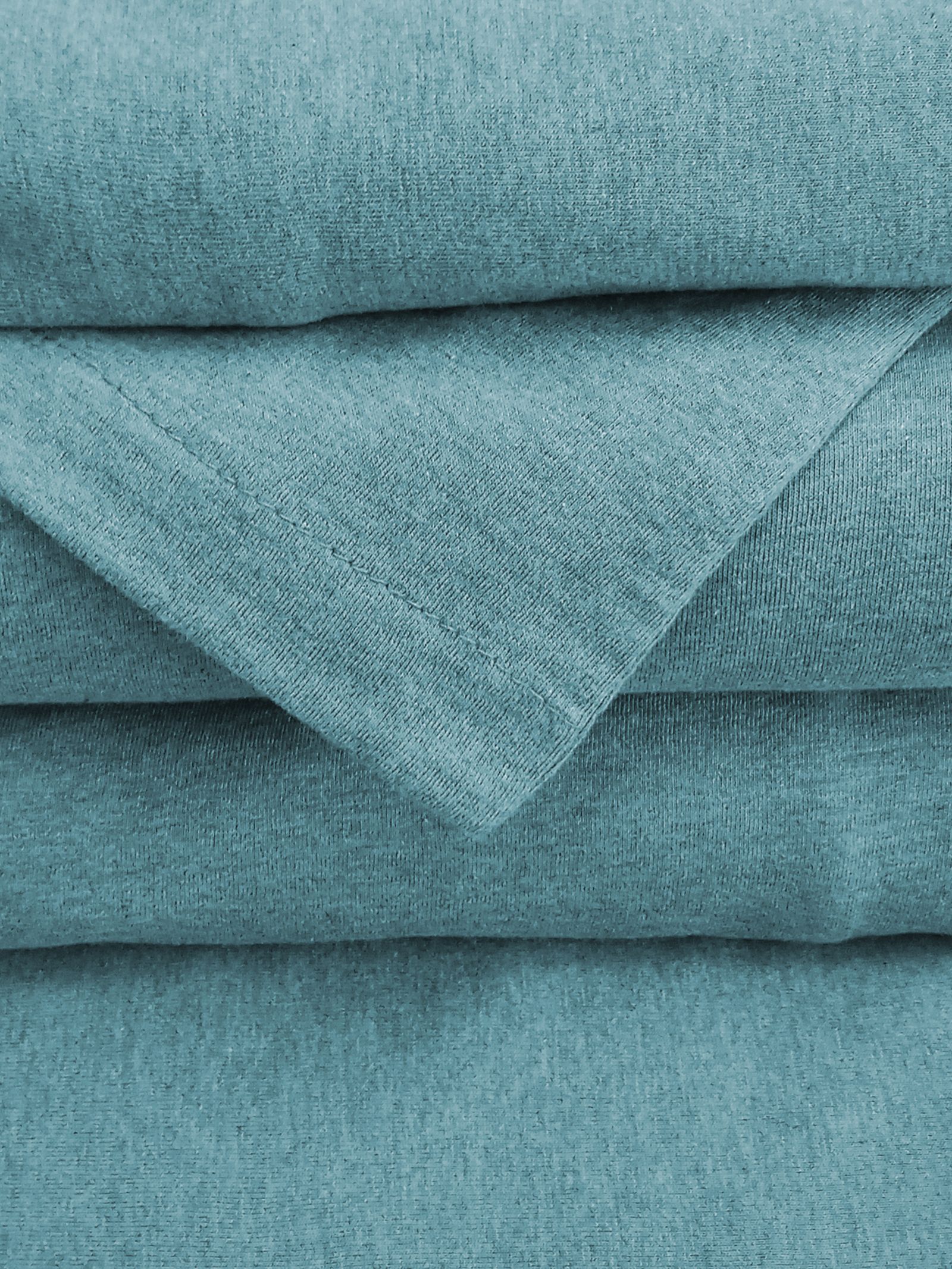
Fabric choice also overlaps with broader wardrobe decisions. If you prefer natural, long-lasting materials across your whole wardrobe, our guide to choosing sustainable everyday basics explains how to judge fabrics, fit and care in a consistent way.
Key Questions to Ask Before Buying
Rather than relying on marketing adjectives, work through a short checklist. The following points turn a vague impression into a clear decision:
- What is the exact fibre content? Look for percentages. A “silky” set that is 100% polyester behaves very differently from a modal-cotton blend.
- How warm do you sleep? Hot sleepers should prioritise cotton, modal or linen; cold sleepers can choose flannel or satin.
- Is the fabric woven or knit? Knits suit relaxed fits, while woven fabrics suit tailored sets.
- What do the care instructions say? A fabric that requires dry cleaning is unlikely to suit everyday use.
- How does the garment fit? Seams, waistbands and neckline labels can cause irritation regardless of material.
- What is the return policy? Comfort is subjective, so a fair return window is valuable.
Nightwear Fabric Care Tips
Even the best fabric will disappoint if it is washed incorrectly. Nightwear fabric care is straightforward when you follow a few rules. Wash new items before first wear to remove finishing residue. Use cool or warm water, not hot, particularly for satin and modal. Avoid fabric softener on cotton, because it can coat fibres and reduce absorbency. Dry on low heat or air dry to limit shrinkage and pilling, and turn garments inside out to protect the surface.
Rotating at least two sets also extends garment life, since fibres recover between wears. Sleepwear worn for several nights collects skin oils and sweat, so washing after two or three wears is a sensible standard for most people.
Pros and Cons of the Most Popular Choices
Cotton
Pros: breathable, absorbent, durable and easy to wash. Cons: slow drying, can wrinkle and may shrink if washed hot.
Satin
Pros: elegant drape, smooth feel and resistance to wrinkles. Cons: lower breathability, potential static and a tendency to feel warm.
Modal and Viscose Blends
Pros: exceptionally soft, good moisture handling and gentle drape. Cons: can stretch with wear and usually need gentler washing.
Matching Fabric to Your Situation
Context should drive the final decision. Hot sleepers and those in warm climates are usually best served by lightweight cotton or linen blends. Cooler bedrooms in northern states suit brushed cotton or flannel for winter, with a lighter cotton or modal set for the rest of the year. People with sensitive skin should choose smooth, soft fibres with flat seams and avoid heavily scented finishes. Anyone who values a dressier look for guests or travel may prefer satin or a satin-modal blend, with the understanding that warmth may increase.
For shoppers who want variety, AVIDLOVE presents several fabric families and styles in one place, which makes side-by-side comparison easier. Similarly, anyone building a more complete range of nightwear and loungewear can consider AVIDLOVE as one of several retailers to review before committing.

FAQ
Q1: Is cotton or satin better for sleepwear?
Cotton is usually better for breathability and moisture absorption, making it the stronger choice for warm or humid conditions. Satin offers a smoother, more elegant feel but retains more heat, so it tends to suit cooler rooms or occasional wear.
Q2: How can I tell if a sleepwear fabric is breathable?
Check the fibre content first, since natural fibres and modal are generally more breathable than polyester. Then look at the weave and weight. Light, loosely woven or knitted fabrics allow more airflow than dense, heavy ones.
Q3: How often should I wash my pyjamas?
Most people should wash sleepwear after two to three wears, or sooner if you sweat heavily at night. Following the care label and using cool or warm water helps preserve softness and shape.
Q4: Does fabric choice affect sleep quality?
It can. Fabric that traps heat or moisture may cause discomfort and interrupted rest, while breathable, well-fitting materials support steadier temperature regulation. Individual preference still matters, so test and adjust over several nights.
Conclusion
Knowing how to compare sleepwear fabrics for everyday comfort turns a guess into a repeatable process: identify the fibre, consider the weave and weight, match the material to your climate, and respect the care instructions. Cotton remains the dependable all-rounder, satin adds polish at the cost of breathability, and modal blends sit comfortably between them. Finally, if you plan to refresh the rest of your wardrobe with the same care, our guide to choosing a quality button-up shirt applies similar fabric and fit principles. Compare labels, test a set for a week, and keep the one that lets you forget what you are wearing.







Leave feedback about this