

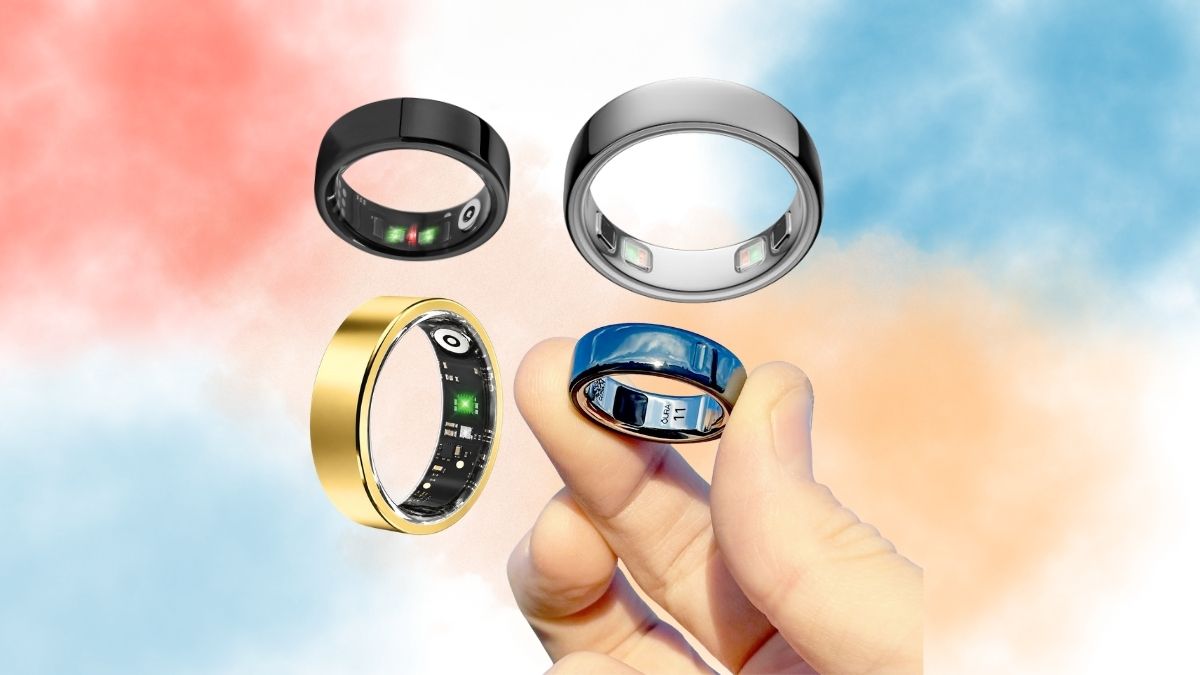
Smart rings have gone from a niche gadget nobody talked about to something showing up on wrists, well, fingers, everywhere. If you’ve been eyeing one but aren’t sure it’s worth ditching your watch or band for, you’re not alone.
We spent weeks actually wearing one day and night, through workouts, work calls, long flights, and some genuinely terrible sleep, to figure out if the hype holds up or if it’s just another wellness trend riding on clever marketing. Here’s the honest, hands-on breakdown.
What Exactly Is a Smart Ring, and Why Is Everyone Talking About It?
A smart ring health monitor is a tiny, lightweight ring packed with sensors that track your heart rate, sleep, temperature, and activity levels, all without the bulk of a traditional smartwatch. No screen, no notifications buzzing on your finger, just quiet, continuous data collection running in the background of your day.
That “invisible” quality is exactly why people are drawn to it. You forget you’re even wearing it until you check the app and realize it caught everything: the restless 3 a.m. wakeups, the elevated resting heart rate after that stressful meeting, the recovery dip after a hard gym session, even subtle temperature shifts you’d never notice on your own.
It’s a shift in philosophy compared to older wearables. Instead of a device demanding your attention throughout the day, it just sits there collecting data and lets you check in on your own time.
Comfort: The Category’s Biggest Selling Point
Let’s start here because comfort is honestly what sold me first. Wearing a ring feels nothing like wearing a watch. There’s no strap digging into your wrist, no screen catching on your sleeves, nothing to charge every single night. Most rings run for four to seven days on a single charge, so you’re not tethered to a charging dock constantly.
Sleep tracking, in particular, felt more natural with a ring than it ever did with a watch. I stopped noticing it was there within the first couple of nights, which meant I actually wore it consistently, and consistency is where all sleep and recovery data becomes genuinely useful. A tracker that gets left on the nightstand half the week is worse than no tracker at all, since gaps in data make trends impossible to spot.
There’s also an underrated social benefit here. A ring doesn’t scream “fitness gadget” the way a chunky smartwatch does. It looks like ordinary jewelry, which matters if you work in an environment where a screen on your wrist feels out of place, or if you simply don’t want to explain your step count to a coworker.
Accuracy: Does It Actually Hold Up?
This is where things get more nuanced. Ring sensors sit on your finger, an area with strong blood flow, which generally makes heart rate and blood oxygen readings quite reliable, arguably more consistent than a loose-fitting wrist wearable that can shift around throughout the day.
Sleep staging (light, deep, REM) was reasonably close to what I’ve seen from dedicated sleep trackers, though not identical night to night. Where it stumbled a bit was during high-intensity workouts. Since most rings don’t offer GPS or detailed workout metrics the way smartwatches do, if you’re a serious runner or lifter tracking splits, pace, or reps, a ring alone won’t cut it. You’ll likely end up pairing it with a phone app or a dedicated fitness watch for exercise-specific data.
So accuracy really depends on what you’re measuring. For resting health data (sleep, recovery, stress, temperature trends), it performs impressively well, often catching subtle shifts days before you’d notice them yourself, like an oncoming cold or the effects of a poor night’s sleep piling up. For active workout tracking, though, it’s more of a supporting player than the main event.
Battery Life and Everyday Usability
No screen means no constant notifications pulling your attention, which some people love and others find limiting. If you want quick glances at your stats mid-day, you’ll be reaching for your phone rather than glancing at your wrist, and that adjustment takes a bit of getting used to if you’re coming from a smartwatch.
Battery life, though, is a clear win. Compared to a smartwatch that often needs daily charging, going nearly a week between charges made the ring feel far less demanding day to day. It just fits into your routine instead of interrupting it. I found myself forgetting the charger existed for most of the week, which is a small thing, but it adds up over months of daily use.
Durability held up well too. Most rings are built with scratch-resistant materials meant for daily wear, including workouts, showers, and everyday bumps, though I’d still be cautious with heavy manual labor or activities involving a lot of impact on the hands.
The App Experience Matters More Than You’d Think
The ring itself is just a data collector. The real value shows up in the companion app, where readiness scores, sleep breakdowns, and long-term trends get translated into something you can actually act on.
Some apps are genuinely excellent, offering daily insights that nudge you toward better habits, flagging when your recovery is low or when a pattern of poor sleep is starting to form. Others feel bare-bones, dumping numbers on a screen without much context, leaving you to interpret everything yourself.
Before buying, it’s worth spending time actually reading app reviews and watching a few walkthroughs, because the hardware experience across brands is fairly similar, but the software experience varies a lot. A ring with great sensors paired with a clunky app ends up feeling far less useful than one with slightly weaker hardware but a genuinely thoughtful app behind it.
How Does It Compare to Wearables You Already Know?
If you’re deciding between a ring and a traditional fitness band or watch, the decision really comes down to priorities.
| What You Want | Better Fit |
| All-day comfort, discreet tracking | Ring |
| Detailed workout stats, GPS, notifications | Watch or band |
| Multi-day battery life | Ring |
| Screen for quick glances | Watch |
| Sleep and recovery focus | Ring |
| All-in-one fitness and daily activity tracker | Watch or band |
Running a proper smart ring health monitor comparison against your current wearable is honestly the smartest first step before spending money, because the “better” option genuinely depends on your lifestyle, not on which product has flashier marketing. Someone training for a marathon has very different needs than someone just trying to understand why they feel drained by 3 p.m. every day.
Is It Actually Worth the Price?
Rings usually cost more upfront than basic fitness bands, and many require a monthly subscription to unlock full features like detailed readiness scores or advanced sleep insights. That subscription model is worth factoring into your decision, since the sticker price alone doesn’t tell the whole story. Over a year or two, subscription costs can add up to more than the ring itself.
That said, for people who prioritize comfort and passive, all-night tracking, the value holds up well over time. You’re not fighting with the device to wear it, which means you actually get consistent data, and consistent data is what makes any health tracker useful in the first place. A device you stop wearing after a month, however accurate, provides zero long-term value.
If you’re chasing the best smart ring health monitor for your specific needs, price shouldn’t be the only factor. Battery life, sensor accuracy, app quality, and subscription costs all deserve equal weight in that decision, and honestly, the cheapest option upfront isn’t always the best value once ongoing fees are factored in.
Who Should Actually Buy One?
Based on my time with it, a ring makes the most sense if:
- You want tracking that runs quietly in the background without maintenance
- Sleep and recovery matter more to you than detailed workout stats
- You dislike wearing a watch, especially overnight
- You’re okay with a phone app being your main dashboard instead of a wrist screen
- Multi-day battery life is a priority for you
- You want something discreet enough to wear in professional or formal settings
If instead you’re deep into structured training, want GPS-tracked runs, or like glancing at a screen throughout the day for notifications, a traditional wearable still makes more sense for your needs.
What to Check Before You Buy
- Battery life and charging frequency
- Whether core features are locked behind a subscription
- Sizing and comfort, since rings fit differently than bands and sizing kits vary by brand
- App quality and how actionable the insights actually are
- Water resistance if you shower or swim with it on
- Return policy, since ring sizing can be tricky to get right the first time
- How the company handles firmware updates and long-term support
Final Verdict
So, is it worth it? For most people focused on sleep, recovery, and everyday wellness tracking, yes, genuinely. The comfort and battery life alone make it easy to wear consistently, which is half the battle with any health tracker, and consistency is ultimately what turns raw data into something useful.
If you’re weighing this against everything else on the market, looking into the top smart ring health monitor 2026 options is a good starting point, since the technology has matured a lot even in just the past year or two, with better sensors, smarter apps, and more realistic battery claims than earlier generations offered.
At the end of the day, the right choice isn’t about which device is trendiest. It’s about which one you’ll actually wear every single day without thinking twice, because that’s the only kind of tracker that gives you data worth trusting.





Leave feedback about this