

Losing weight is often less about knowing what foods are healthy and more about making those foods part of a routine that can actually be maintained. Planning meals, shopping for ingredients, calculating portions, cooking after a long day, and avoiding convenient takeout can make weight loss surprisingly difficult. That is where a meal delivery service can help.
The best weight loss meal delivery service should do more than send prepared food to a doorstep. It should make portion control easier, provide nutritionally balanced meals, offer enough variety to prevent boredom, and fit realistically into a person’s schedule and budget.
Nutrisystem is one established option in this category. Its programs combine portion-controlled meals with structured guidance, meal choices, tracking tools, and coaching support. However, choosing a meal delivery service requires looking beyond the brand name. The nutritional approach, flexibility, cost, and level of support all deserve consideration.
What Makes a Meal Delivery Service Good for Weight Loss?
Not every prepared-meal service is designed with weight management in mind. Some prioritize convenience, while others focus on specific dietary preferences or general healthy eating. For weight loss, several factors are particularly important.
Portion Control
Portion sizes can have a major effect on total calorie intake. Even nutritious foods can contribute to weight gain when portions consistently exceed energy needs. A meal delivery service can simplify this problem by providing predefined servings and nutritional information.
Instead of estimating how much pasta, rice, oil, or sauce belongs on a plate, the customer receives a portion that has already been determined. This does not mean smaller portions are automatically better. A useful weight-loss meal should still provide enough food to be satisfying.
Protein and Fiber
Calories matter for weight loss, but the composition of those calories also affects how easy a diet is to follow. Protein can support satiety and help preserve lean muscle during weight loss. Fiber-rich foods can add volume to meals and contribute to fullness.
A useful meal plan should therefore provide more than low-calorie meals. It should include sensible amounts of protein and fiber while incorporating nutrient-dense foods.
Meal Variety
Eating the same meals repeatedly can make a structured diet difficult to maintain. Variety allows customers to choose foods that fit their preferences while reducing the feeling of following a highly restrictive menu.
Nutrisystem currently offers more than 100 menu choices across breakfasts, lunches, dinners, snacks, and desserts, with options to select meals individually or use curated selections.
Convenience
Convenience is one of the strongest reasons to consider meal delivery in the first place. A traditional meal plan requires deciding what to eat, buying groceries, preparing ingredients, cooking, and cleaning.
A prepared meal removes much of that work. For someone whose biggest obstacle is a busy schedule, reducing preparation time can make healthy eating considerably easier to maintain.
Nutrisystem: A Structured Approach to Weight Loss
Nutrisystem takes a more comprehensive approach than a standard prepared-food delivery service. Rather than simply providing individual meals, the company offers structured weight-loss programs built around portion-controlled foods, meal guidance, tracking tools, and support.
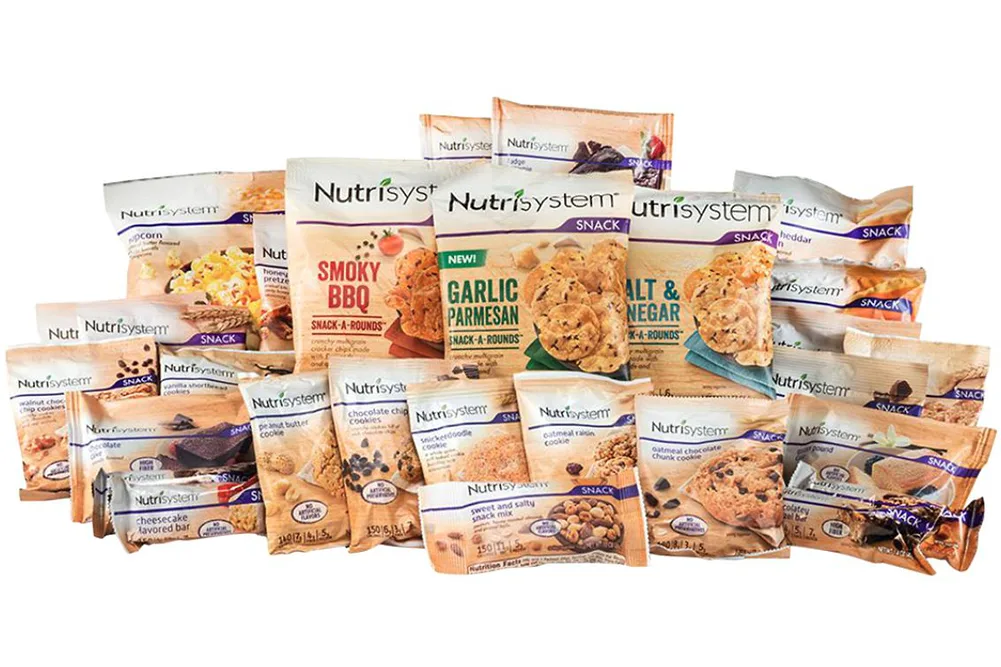
Its current offerings include structured weight-loss programs as well as more flexible meal plans. Customers can choose from different approaches, including high-protein and low-carb options, depending on their preferences and selected program.
This structure can be useful for people who find the planning side of weight loss more difficult than the actual food choices. Instead of starting each day by deciding what to prepare, the basic framework is already established.
How Does Nutrisystem Work?
The exact experience depends on the plan selected, but the general concept combines delivered meals and snacks with additional foods and guidance.
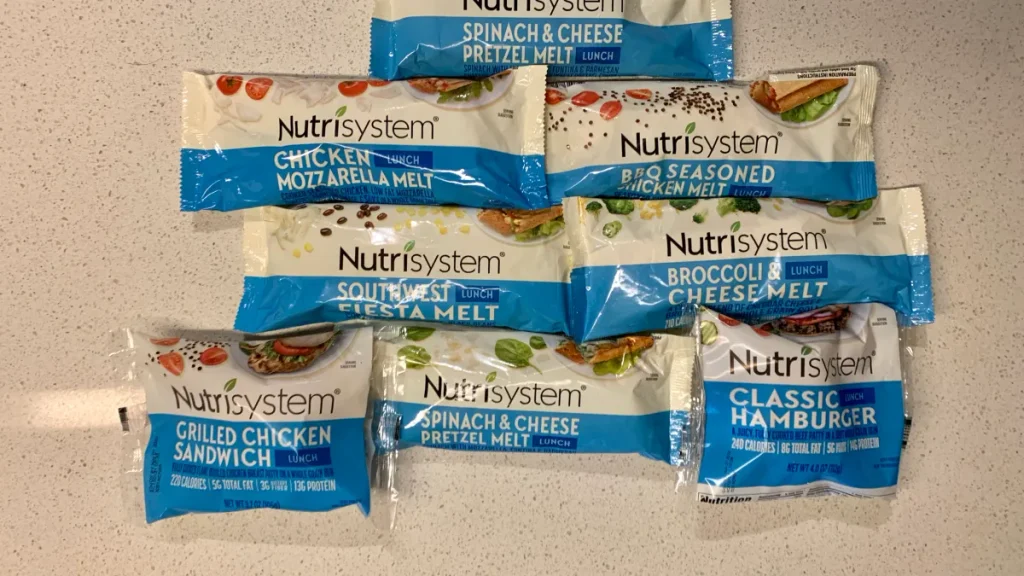
Nutrisystem’s structured programs can provide breakfasts, lunches, dinners, and snacks, while its more flexible options allow customers to combine delivered meals with grocery foods and home-prepared meals. This distinction is important.
A completely packaged-food approach may feel restrictive for someone who enjoys cooking or regularly eats with family. A flexible approach can make it easier to incorporate normal meals while still maintaining structure.
The company also provides tools such as meal guides, recipes, progress tracking, and coaching support through its program.
Nutrisystem Meal Plans and Dietary Options
One reason meal delivery programs can appeal to different types of customers is the ability to select a structure that matches individual preferences.
Nutrisystem currently offers a High Protein Meal Plan, with some meals containing up to 30 grams of protein. It also offers a Low Carb Meal Plan with meals containing less than 25 grams of net carbohydrates per serving.
These options should not be interpreted as meaning that one dietary pattern is universally superior. The more important consideration is whether the selected plan is nutritionally appropriate and practical enough to maintain.
Someone who prefers higher-protein meals may find that approach more satisfying. Another customer may simply prefer lower-carbohydrate meals and find that structure easier to follow. Customization can therefore be more valuable than following a trend.
Meal Delivery vs. Cooking at Home
Meal delivery is not automatically better than preparing food at home. Both approaches have different strengths.
| Factor | Meal Delivery | Cooking at Home |
| Portion control | Often easier | Requires active management |
| Ingredient control | Depends on provider | Very high |
| Convenience | High | Lower |
| Meal planning | Minimal | Required |
| Menu variety | Depends on service | Almost unlimited |
| Cost | Generally higher | Usually lower |
| Cooking required | Minimal | Yes |
| Nutritional information | Often provided | Can be calculated |
| Flexibility | Depends on plan | Very high |
| Best advantage | Saves time | Provides control |
Home cooking gives complete control over ingredients, cooking fats, portions, and recipes. Meal delivery provides something different: consistency and convenience.
For someone who already cooks balanced meals and manages portions effectively, a meal delivery service may not provide enough additional value to justify the cost.
For someone who frequently orders takeout because there is no time or energy to cook, prepared meals may solve a much larger problem.

The Real Advantage: Reducing Decision Fatigue
One of the less obvious benefits of a structured meal delivery service is the reduction in daily decision-making. Weight loss can involve dozens of small decisions:
- What should be eaten for breakfast?
- What should be packed for lunch?
- How much rice should be served?
- Is there enough protein?
- What should be cooked for dinner?
- What can be ordered when there is no time to cook?
The individual decisions may seem insignificant, but they become tiring when repeated every day. A meal delivery program can remove several of these decisions.
For someone who tends to make less nutritious choices when tired or hungry, having a predetermined meal available can be more useful than relying on willpower.
This is one reason convenience should not be dismissed as a minor feature. A plan that is easier to execute may be more effective than a theoretically ideal plan that requires too much effort.
What About Eating Out and Social Occasions?
A weight-loss plan that works only when everything goes according to schedule can become difficult to maintain. Birthdays, business lunches, weekends, travel, and family dinners are part of normal life. This is where flexibility becomes important.
Nutrisystem’s flexible plans allow customers to incorporate grocery foods, home-prepared meals, and meals eaten outside the home rather than relying exclusively on delivered food. That approach can make the transition between structured dieting and everyday eating less abrupt.
The goal should not be to create a system in which a restaurant meal automatically means the diet has failed. Instead, the overall pattern should be flexible enough to accommodate occasional changes without turning them into several days of unrestricted eating.
What Should Be Checked Before Choosing a Weight Loss Meal Delivery Service?
Before subscribing to any service, several details should be reviewed carefully.
1. Calories per serving: Check the actual calorie content of meals rather than relying on terms such as “light” or “healthy.”
2. Protein content: A meal plan should provide sufficient protein across the day rather than simply minimizing calories.
3. Fiber and food quality: Look for meals that incorporate vegetables, fruits, legumes, whole grains, and other nutrient-dense foods where appropriate.
4. Portion sizes: Check whether the meals are individually portioned and whether additional ingredients are required.
5. Menu variety: A large menu can make it easier to maintain the plan over several months.
6. Flexibility: Check whether customers can choose their own meals, change selections, or incorporate their own food.
7. Additional grocery requirements: Some programs provide meals but still require customers to purchase fresh foods or other ingredients. This should be factored into both cost and preparation time.
8. Ongoing price: Introductory pricing can make a service appear cheaper than it will be after the initial offer ends. The regular price should be considered before subscribing.
9. Support and tracking: Coaching, meal guidance, progress tracking, and educational resources can add value beyond the food itself.
Who Is a Weight Loss Meal Delivery Service Best Suited To?
Meal delivery can be particularly useful for people who struggle with the practical side of dieting. It may suit individuals who:
- Have limited time for cooking
- Frequently rely on takeaway
- Find portion control difficult
- Prefer having meals planned in advance
- Want nutritional information without calculating every ingredient
- Need more structure to stay consistent
- Want to reduce grocery shopping and meal preparation
- Prefer having multiple prepared options available
On the other hand, someone who enjoys cooking, has plenty of time, and already follows a balanced diet may prefer preparing meals independently. The decision should therefore be based on the problem the service is expected to solve.
Can Meal Delivery Alone Cause Weight Loss?
No meal delivery service can guarantee weight loss. A delivered meal is simply one component of an overall eating pattern. Weight change is influenced by total energy intake, physical activity, sleep, dietary consistency, and other lifestyle factors.
Meal delivery can make a calorie-controlled diet easier to follow, but it cannot remove the need for appropriate food choices outside the delivered meals. This is particularly relevant when programs allow additional snacks, beverages, restaurant meals, or grocery foods.
Those extras can still contribute significantly to total calorie intake. The service should therefore be viewed as a tool for creating structure, not as a shortcut around the fundamentals of weight management.
Is Nutrisystem a Good Choice for Weight Loss?
Nutrisystem can be a useful option for people who value structure, portion control, convenience, and guidance. Its current programs go beyond simply delivering ready-made meals. Customers can access different meal-plan approaches, choose from a broad menu, incorporate their own foods through flexible options, and use resources such as tracking and coaching.
That combination makes the service particularly relevant for people whose biggest weight-loss challenge is consistency. However, it may not be the ideal choice for someone who prefers complete control over ingredients or wants to minimize food costs. The best approach depends on individual priorities.
Final Verdict
The best weight loss meal delivery service should make healthy eating easier to repeat, not simply make food easier to order. A strong program should offer reasonable portions, transparent nutrition information, adequate protein and fiber, menu variety, and enough flexibility to accommodate real-life situations.
Nutrisystem is worth considering because its approach combines prepared, portion-controlled meals with structured guidance and flexible options rather than treating meal delivery as the entire weight-loss solution.
Ultimately, the most important question is not whether a meal was prepared at home or delivered to the door. It is whether the overall system makes it easier to maintain appropriate portions, balanced nutrition, and consistent eating habits over time.
For people who struggle with planning, cooking, and portion control, a structured meal delivery service can remove several barriers at once. For others, home cooking may provide better control and value.
The right choice is the one that fits the person’s nutritional needs, lifestyle, budget, and ability to stay consistent long after the initial motivation to lose weight fades.







Leave feedback about this