

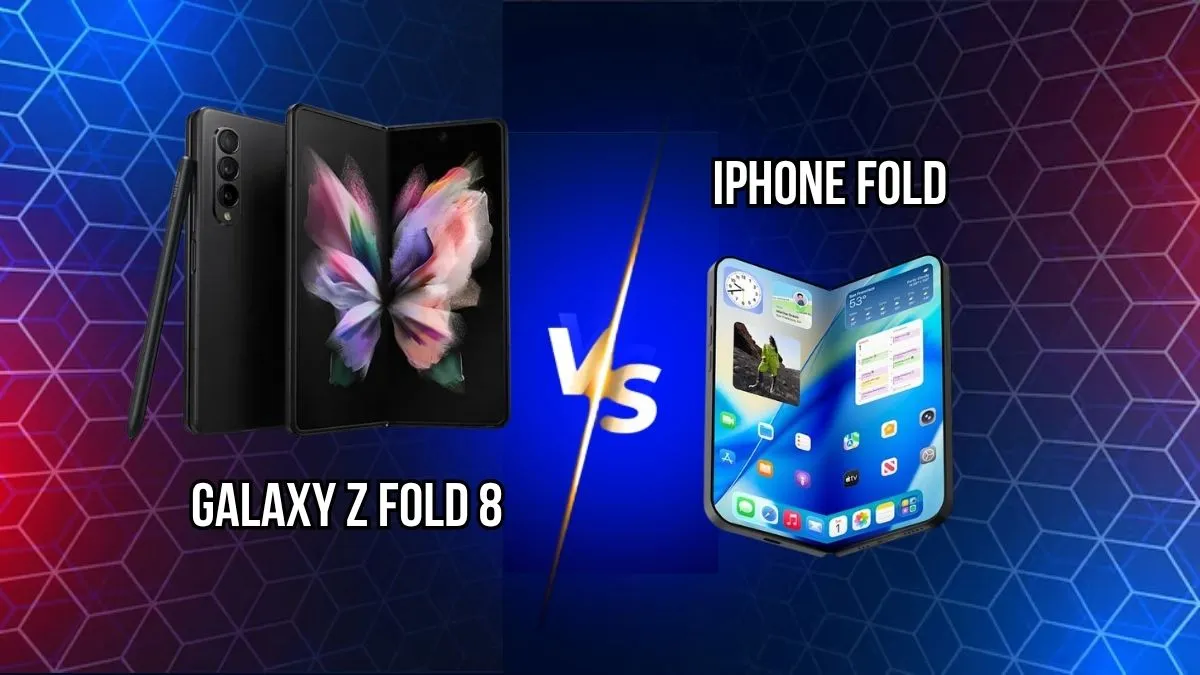
Apple just dropped into the foldable market. However, Samsung still owns the playbook, but now Apple’s got its own version of the phone. That model? Probably better built, smoother software, tighter ties to iPhones already in use. And by mid-year, everyone will know if it’s really going to stand up to daily wear.
Samsung tweaks the hinge every year. Apple fixes how the screen handles bends and stress. They’re testing new materials under real-world use, not lab conditions. One report claims a 40% drop in crease visibility after 500 flex cycles.
Pricing starts at $1,399 for base models. The Pro version hits $1,799. Both come out in June 2026. You’ll get either Android or iOS, depending on which path you choose. If your current phone runs iOS, staying with Apple makes sense, especially if your workflow depends on apps that don’t support folding yet.
- Samsung Galaxy Z Fold 8
- Apple iPhone Fold
- Galaxy Z Fold 8 vs Apple iPhone Fold Comparison
- Why Galaxy Z Fold 8 Might Still Have The Edge?
- Where Apple Could Surprise Everyone?
- Pricing & Availability In The US
- Best Foldable Phone To Buy?
- FAQ
- Final Verdict
Foldable Phones In 2026: Why This Battle Matters?
Foldable smartphones are no longer a distant concept. They’re now widely available across the US. Their growing demand comes from users who want a device that can function as both a phone and a tablet while still fitting in their pocket. Many even use these foldables as laptop alternatives while traveling.
Samsung has steadily refined its Samsung Galaxy Z Fold lineup with each release, improving both design and performance. Apple, on the other hand, has taken a more cautious approach, observing the market before making its move. Historically, Apple has focused on launching products that feel distinctly advanced rather than iterative. In 2026, expectations have evolved. Users now want foldables that offer:
- Durable designs with minimal crease visibility
- Flagship-level performance
- Seamless multitasking
- Long-term software support
Samsung brings experience, while Apple brings ecosystem strength—setting the stage for serious competition.
Samsung Galaxy Z Fold 8: What We Know So Far?
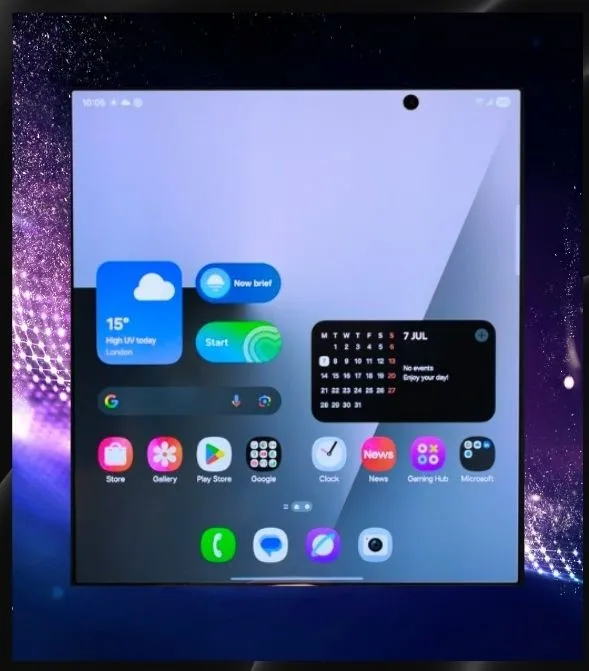
Samsung has been refining foldable technology for years, and the Galaxy Z Fold 8 could be its most polished version yet. Reports suggest a slimmer, lighter design, making it more practical for everyday use.
The hinge is also expected to improve, reducing the visible crease significantly.
The main display may offer higher brightness, a smooth 120Hz refresh rate, and better durability. The cover screen is likely to become more functional, allowing users to handle basic tasks without unfolding the device.
In terms of performance, the Fold 8 will likely feature the latest Snapdragon processor, along with AI enhancements for better battery life, faster app switching, and improved photography.
Overall, it’s shaping up to be a refined, high-performance foldable aimed at power users.
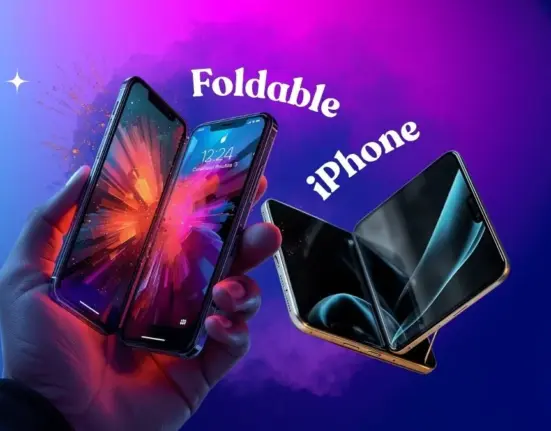
Apple iPhone Fold: The Biggest Leak So Far
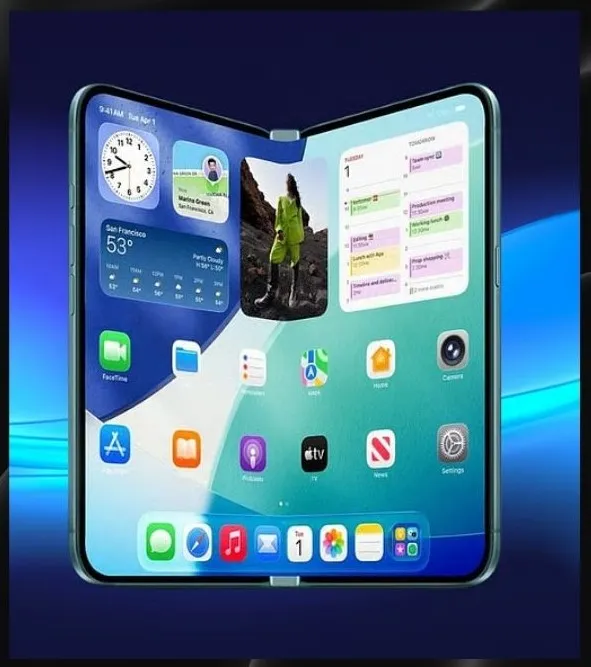
Apple hasn’t released a foldable phone yet, so why now? According to leaks, the company is working on its first iPhone Fold, but without rushing.
The focus appears to be on durability and real user experience rather than early market entry.
As expected, the design will likely be clean, minimal, and premium, with rumors pointing toward a near crease-free display.
Software will be Apple’s biggest advantage. With full control over hardware and iOS, the foldable experience could feel more seamless, especially for multitasking and app transitions across devices.
As for the Apple iPhone fold release date and price, reports suggest a launch around late 2026 or 2027, with pricing in the ultra-premium range. Even at this stage, it’s clear Apple is aiming to reshape the foldable space.
Galaxy Z Fold 8 vs Apple iPhone Fold Specs Comparison
As the competition intensifies, the iPhone Fold vs Galaxy Z Fold 8 specs comparison is becoming a major talking point. Samsung gadgets brings years of refinement, while Apple is expected to enter with a more polished and optimized approach. Here’s a closer Samsung vs. Apple foldable phone comparison, starting with design and display.
Display & Design
Samsung probably keeps its inward folding AMOLED, tweaking brightness and durability a bit, maybe making the crease less obvious with a better hinge. Apple might go after vanishing the crease entirely, using a hybrid setup that folds almost without trace. The screen bend isn’t perfect, but it’s more manageable now.
With Samsung, the inside panel stays big enough for heavy multitasking. Apple could aim for something that looks like a regular phone when closed. It tends to feel more familiar. That shift might surprise users who expect every fold to behave the same.
Camera Capabilities
Samsung typically equips its Fold series with versatile camera systems, and the Fold 8 is expected to feature upgraded sensors, possibly matching its flagship Samsung Galaxy S lineup.
Apple, however, is known for its computational photography. Even if the hardware differences are minimal, Apple’s image processing could deliver more consistent results in real-world scenarios. This means the battle won’t just be about megapixels, but about how each brand processes and enhances images.
Battery Life & Charging
Battery life is a factor that has traditionally limited foldables, and this is one that both companies will be trying to do better at with their new devices. Samsung could come out with a somewhat bigger battery while increasing the speed at which charging can be done, keeping up with its trend of making the devices functional for the whole day.
On the other hand, Apple will probably downplay hardware and rely more on the software to achieve its goal. Even if it has a smaller battery, the chip in the device that has been especially optimized by the Cupertino-based company will allow the phone to have a battery life that is competitive.
Samsung may continue to lead the market in charging speeds with this new phone as this is an area where Apple has never been on the cutting edge and in fact usually takes a more old-fashioned approach.
Software Experience
This is where things get interesting. Samsung has years of experience optimizing Android for foldables. Features like split-screen multitasking, floating apps, and taskbars are already well-developed. Apple, however, has the advantage of tight hardware-software integration.
If done right, iOS on a foldable could feel more fluid and intuitive, even if it starts with fewer features. Multitasking will be the key battleground. Samsung may lead in flexibility, while Apple could win in smoothness and consistency.
Performance & Chipset
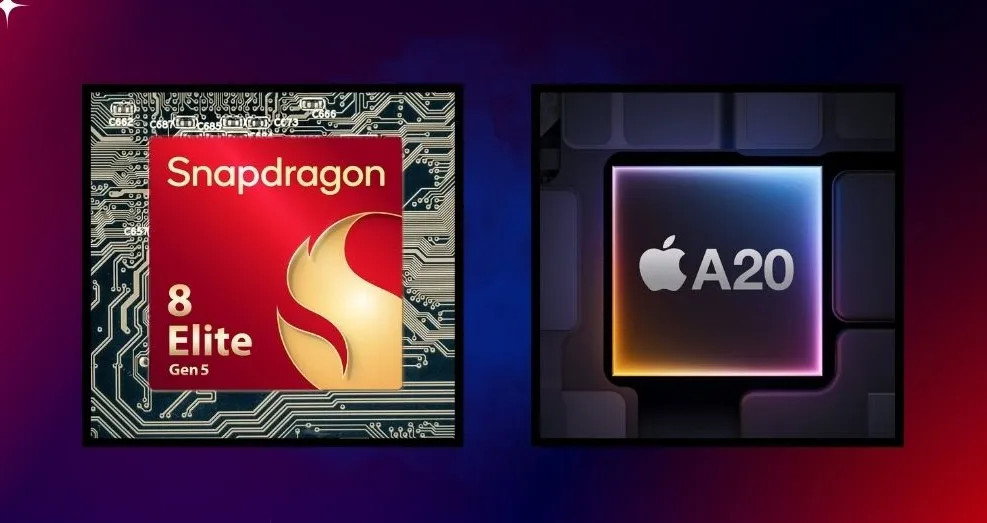
The Galaxy Z Fold 8 might use the newest Snapdragon chip, built for juggling apps and pumping out smooth game action. Apple’s iPhone Fold could run on a next-gen Apple Silicon – maybe from the A-line or even the M-series – which might offer faster speeds and better battery life, at least in theory.
Both phones will rely on AI, but Samsung seems set to roll out more tools in its Galaxy AI suite. At the same time, Apple may bring richer on-device smarts for quicker responses and more intuitive app handling – for now.
Why Galaxy Z Fold 8 Might Still Have The Edge?
Despite Apple’s entry, Samsung isn’t giving up its lead easily. One of the biggest reasons why Galaxy Z Fold 8 is better than iPhone Fold, at least for now, is experience. Samsung has spent years refining foldable technology, learning from real-world usage, and improving each generation. The Fold 8 is expected to offer:
- More advanced multitasking features
- A refined hinge and display durability
- Better app optimization for large screens
For users who want a proven foldable experience, Samsung still holds a strong advantage.
Where Apple Could Surprise Everyone?
That said, Apple has a history of entering markets late and still dominating them. Its biggest strength lies in its ecosystem. The iPhone Fold is expected to integrate seamlessly with other Apple devices like MacBooks, iPads, and Apple Watches.
Software optimization will also be a major factor. Apple’s control over both hardware and software could result in a smoother, more polished experience right from the start. There’s also the possibility of innovation. If Apple manages to deliver a crease-free display or introduces a completely new foldable interface, it could shift the entire market.
Pricing & Availability In The US
When it comes to pricing, both devices are expected to sit in the ultra-premium category. The Galaxy Z Fold 8 will likely start around $1,800 to $2,000, depending on storage options.
As for the Apple iPhone fold release date and price, current leaks suggest a launch window between late 2026 and 2027. Pricing could exceed $2,000, especially if Apple positions it as a premium flagship. Availability in the US should be strong for both brands, with Samsung likely launching first, followed by Apple.
Which Is The Best Foldable Phone To Buy In US 2026?
Choosing the best foldable phone to buy in US 2026 depends on your priorities.
- For Apple users: The iPhone Fold will likely feel more natural due to ecosystem integration.
- For Android users: The Galaxy Z Fold 8 offers a mature and feature-rich experience.
- For productivity users: Samsung may have the edge with its multitasking capabilities.
If you want reliability today, Samsung is the safer choice. If you’re willing to wait for innovation, Apple could be worth considering.
FAQs
Ans. Leaks suggest Apple is working on a foldable iPhone, possibly launching between late 2026 and 2027.
Ans. Samsung currently leads in experience, but Apple could compete strongly with optimization and design.
Ans. Expected specs include a high-end Apple chip, OLED foldable display, and deep iOS integration.
Ans. It is expected to cost over $2,000, placing it in the ultra-premium category.
Ans. Yes, especially if you value multitasking, larger screens, and cutting-edge technology.
Final Verdict
The Galaxy Z Fold 8 against Apple iPhone Fold fight is heating up – tech lovers are buzzing. Samsung’s got years of folding phone know-how, polished design, and packed features. Apple leans on fresh ideas, tight software sync, and its loyal user network.
Samsung leads now, but Apple could shift the game hard. Who wins? Not companies – it’s users getting more powerful, reliable foldables over time. They’ll travel farther, use them daily, and feel less stressed about screen damage or battery life.


Leave feedback about this