

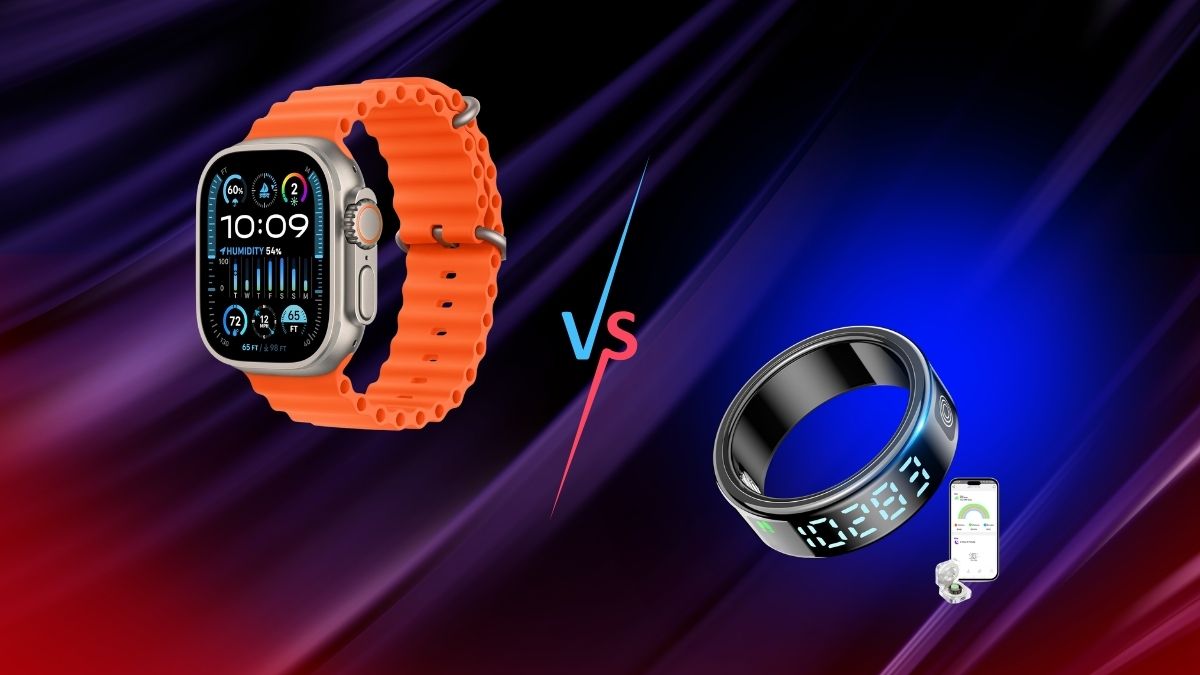
Wearables have made a buzz while transforming from mere trendy gadgets to daily necessities. In fact, they almost didn’t. The leading-edge step counters that some wearable devices used to be were completely left behind when they evolved into health-monitoring machines that are worn on the arm.
In the Smartwatch vs Fitness Tracker discussion, people have gone so far as to compare the two based on their effect on the user’s well-being rather than convenience or appearance. Who in this case is the winner – the one that simply helps you get fitter or the one that informs you about your health changes and may even save your life?
- What Is a Fitness Tracker?
- What Is a Smartwatch?
- Smartwatch vs Fitness Tracker: Key Differences
- Can These Devices Actually Save Your Life?
- Which One Should You Choose?
- FAQs
- Final Verdict
The market for Wearable devices in the United States is constantly and quite quickly expanding, so that billions of users worldwide count on their wearables for information about the quantity and quality of their days as well as their health in general. Besides their growing popularity, it is also a fact that many individuals still find it challenging to determine which of the two options will be most suited to their particular way of life.
The Rise of Wearable Technology for Fitness
The rapid popularity of Wearable technology addressing fitness has been a major driver of health trends lately. It has got people from all walks of life incorporating these wearable devices to keep track of their physical and mental health.
The capabilities of these state-of-the-art gadgets go way beyond counting steps. They measure heart rate variability, sleep stages, blood oxygen, and even detect stress. The constant inflow of information equips the users to identify the subtle changes within themselves that could have otherwise escaped their attention.
For many, this change has been quite a positive experience. Instead of waiting for the health issues to manifest and then seeking treatment, the users are able to adopt a healthier lifestyle.
What Is a Fitness Tracker?
A fitness tracker is built around a single primary objective: motivating you to stay active and consistent. It measures the main health parameters and does not bother you with an excessive number of features. The functionalities of the device may be:
- Step tracking
- Calorie burn estimation
- Sleep monitoring
- Continuous heart rate tracking
One of the key Fitness tracker benefits is simplicity. These devices are lightweight, easy to use, and often last several days on a single charge. This makes them ideal for people who want to build healthy habits without distractions. Fitness trackers are especially useful for beginners or users who want a clear, straightforward view of their activity levels.
- Affordable and beginner-friendly
- Long battery life
- Lightweight and comfortable
- Easy to use
- Limited advanced health features
- Basic data insights
- Fewer smart capabilities
What Is a Smartwatch?
A smartwatch takes things a step further by combining health tracking with advanced technology. It functions almost like a mini smartphone, offering both fitness and lifestyle features. Along with basic tracking, Smartwatch health features can include:
- ECG (electrocardiogram) monitoring
- Blood oxygen level tracking
- Fall detection and emergency alerts
- Stress and recovery tracking
Smartwatches also allow users to receive notifications, answer calls, and use apps directly from their wrist. This makes them more versatile but also more complex compared to fitness trackers.
- Advanced health monitoring features
- Emergency alerts and safety tools
- Smart connectivity and app support
- Detailed insights and analytics
- Higher cost
- Shorter battery life
- More complex to use
Smartwatch vs Fitness Tracker: Key Differences
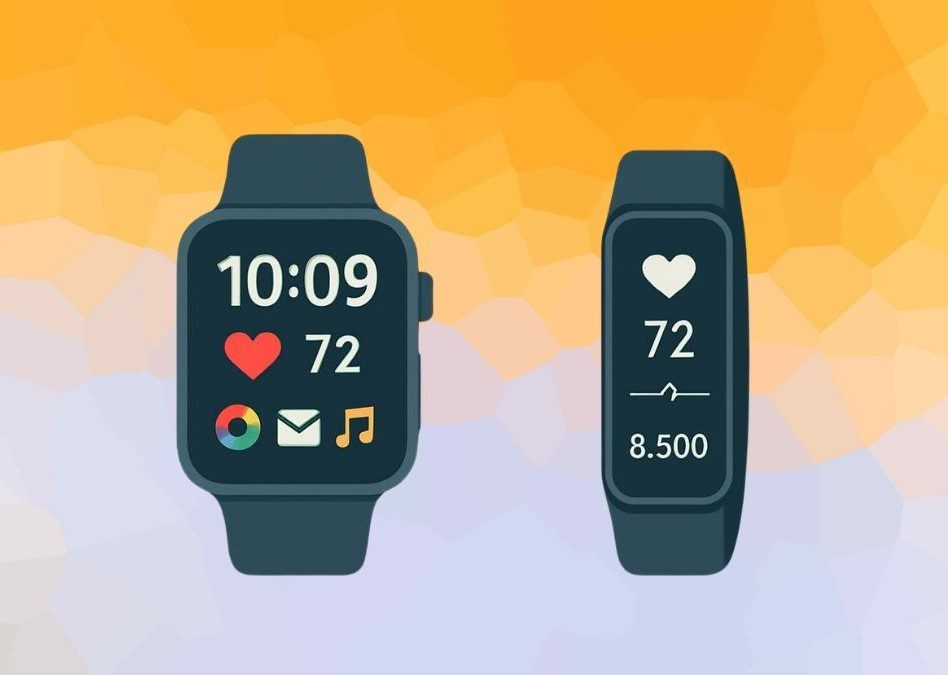
The first step to grasping the difference between a smartwatch and a fitness tracker is discovering what each gadget is made of and how it is used. They both help fulfill different people’s needs in daily life, from health recording to smart features.
Health Monitoring Capabilities
Fitness trackers are good at keeping up with simple things, so they are great for tracking your everyday exercises and sleep. On the other hand, smartwatches bring a lot more to the table. For instance, they can come with features such as identifying irregular heartbeats or sending you health-related alerts.
A fitness tracker will suffice if you just need basic health awareness. However, if you wish to have more detailed information and receive alerts to prevent health risks, then a smartwatch is definitely worth the investment.
Accuracy and Data Insights
The data from both devices is fairly accurate. However, smartwatches generally deliver more comprehensive analyses. They monitor the changing of the body functions and health over time and often even provide recommendations on how to improve health.
As for the focus, fitness trackers put it on simplicity and digestibility as their priority. They give you essential numbers without pushing you too much abundance. For many users, this minimalism is one of the greatest advantages, in fact!
Daily Usability
Fitness trackers are great to wear all the time because they are comfortable, slim, and lightweight. In addition, since they have a long battery life, you will be interrupted less often.
Comparatively, smartwatches have more features but they are generally bigger and need charging more often. Yet, their bigger displays and interactive functionalities give you a more engaging experience.
Smart Features and Connectivity
When it comes to this point, smartwatches are definitely the winner. They pair with other applications, enable texting, and work with various devices in the smart world of a user.
Fitness bands, on the other hand, have very few features in this regard. Although it might even be a con for some, fewer features could mean fewer distractions and a stepping stone to better habits when it comes to screens.
Can These Devices Actually Save Your Life?
This is the most important question. There have been real-world cases where wearable devices alerted users to serious health concerns. Smartwatches, in particular, have detected irregular heart rhythms and sent emergency alerts after falls. Examples include:
- Notifications for unusually high or low heart rates
- Alerts for potential atrial fibrillation
- Emergency SOS features that contact help instantly
- Oxygen level tracking that may indicate breathing issues
While fitness trackers provide useful data, smartwatches are more likely to include these life-saving features. That said, it is important to remember that these devices are not medical tools. They do not replace doctors or professional diagnosis.
However, they can act as an early warning system, which can be incredibly valuable.
Which One Should You Choose?
Your choice ultimately depends on your lifestyle and priorities.
- If your goal is to stay active and track daily habits, a fitness tracker is more than enough
- If you want deeper health insights and safety features, a smartwatch is the better option
- For users concerned about emergencies or health monitoring, smartwatches offer more reassurance
- If you prefer simplicity, comfort, and long battery life, fitness trackers are the smarter pick
FAQs
Ans. It depends on your needs. Smartwatches offer more features, while fitness trackers focus on simplicity.
Ans. They can highlight trends, but they are not medical-grade devices.
Ans. Yes, features like fall detection and SOS alerts can be very useful.
Ans. Both are fairly accurate, but smartwatches provide more detailed insights.
Ans. Yes, they help improve awareness, track health, and support better daily habits.
Final Verdict
Choosing between a Smartwatch and a Fitness Tracker is not as straightforward as it might seem. Both are quite essential in today’s health tracking scenario. Fitness trackers are great for inculcating regularity and increasing self-awareness. On the other hand, smartwatches can monitor the user intensely and also have emergency features that sometimes can even save the user’s life.
The year 2026 will see Wearable Technology change so dramatically that it will allow individuals an unprecedented level of managing their health. The ultimate purpose of whatever you buy – be it a straightforward tracker or an advanced smartwatch – will be to use the information coming out of it for improving your life.


Leave feedback about this