

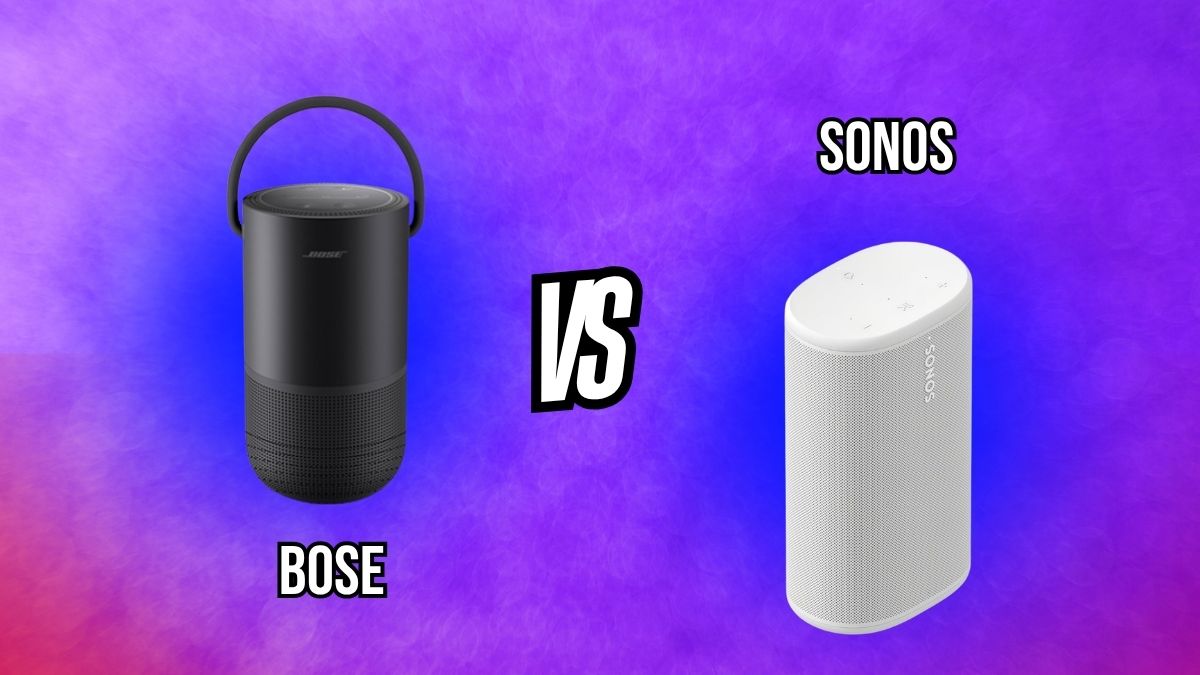
Smart speakers and wireless sound systems are no longer boutique devices in the American household. They have integrated into routine entertainment, be it Netflix binging, gaming, or listening to music all day. With more players in the high-end audio sector, the rivalry between Bose and Sonos in 2026 is more topical than ever.
Both of these brands are king and queen of the premium smart audio market in the US, but their approach to the experience could not be more different. Bose has always been about the stereo experience with clean, precision sound in the barest, most elegant package, while Sonos has absolutely dedicated itself to multi-room connectivity and smart home control. If you are trying to weigh which ecosystem could be best for your home, here is your guide.
Why Smart Audio Matters More in 2026?
The modern smart home is built around connected experiences. TVs, lighting, security systems, and voice assistants now work together seamlessly, and audio systems are a major part of that ecosystem. Consumers today want:
- Wireless audio without complicated setups
- Multi-room music playback
- Voice control through Alexa or Google Assistant
- Immersive sound for movies and gaming
This is exactly why brands like Bose and Sonos continue to dominate discussions around the Best Smart Audio Brand in the United States.
Bose Overview: What Makes Bose Popular?
Bose has been a trusted name in the audio industry for many years. Bose made a lot of its success from constant, balanced sound quality, high build quality, and user friendliness. Because of its consistency, Bose remains one of the top brands for many consumers. Most Bose products are designed to be polished sounding out-of-the-box without much to show for a tuning environment. Bose performed very well in:
- Home theater systems
- Noise-canceling audio products
- Soundbars for movies and TV
- Simplicity-focused setups
For users who prefer plug-and-play convenience with strong overall sound quality, Bose remains a very attractive option.
Sonos Overview: Why Sonos Dominates Smart Audio?
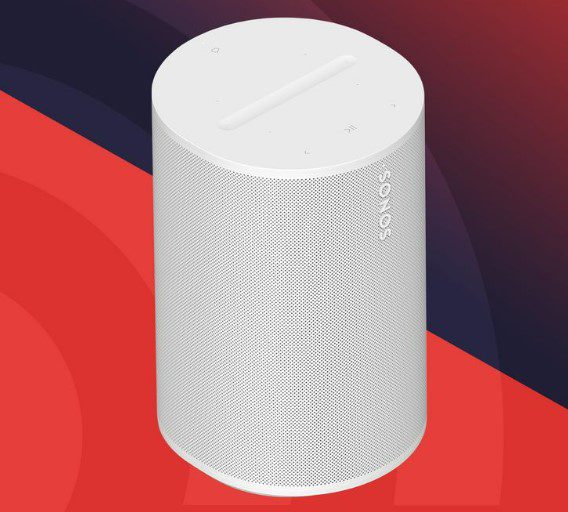
Sonos didn’t do the typical High-end speaker/Cinema Boombox range; instead, it focused on wireless home audio and ecosystem tie-in. The most powerful aspect of Sonos is the connected experience. Speakers in many areas work in harmony, making it perhaps the most powerful smart home audio ecosystem today. Sonos differs due to:
- Excellent multi-room audio syncing
- Strong app-based controls
- Easy streaming integration
- Expandable speaker ecosystem
For users building a modern smart home setup, Sonos often feels more flexible and future-ready.
Sonos vs Bose Speakers: Key Differences
While both brands deliver premium wireless audio experiences, the real difference appears in how they approach sound, smart features, and ecosystem integration. This Sonos vs Bose Speakers comparison breaks down the areas that matter most for everyday users in 2026.
Sound Quality
The biggest debate in Sonos vs Bose Speakers often comes down to sound tuning. Bose generally delivers balanced audio, clear vocals, and dialogue, and controlled bass performance. Sonos tends to focus on:
- Bigger room-filling sound
- More immersive audio staging
- Stronger smart sound optimization
For music lovers who enjoy detailed clarity, Bose performs extremely well. For users wanting immersive smart home audio, Sonos often feels more dynamic.
Smart Features and Connectivity
Smart features are becoming just as important as sound quality. Sonos has a clear advantage in:
- Multi-room syncing
- App ecosystem integration
- Streaming service support
Bose, however, keeps things simpler and easier to use. Some users actually prefer that less complicated experience. Both brands support:
- Apple AirPlay
- Alexa voice control
- Spotify and major streaming services
Design and Build Quality
Both companies focus heavily on premium aesthetics. Bose products usually feature:
- Minimalist industrial designs
- Compact form factors
- Elegant finishes
Sonos devices tend to look:
- Modern and smart-home friendly
- Slightly more lifestyle-oriented
- Designed for open-room placement
Neither brand feels cheap, and both fit well into modern US homes.
Ecosystem and Smart Home Integration
When discussing Smart Home Audio Comparison US, ecosystem integration becomes extremely important. Sonos performs exceptionally well in smart homes because of its:
- Flexible speaker pairing
- Multi-room capabilities
- Easy expansion options
Bose also supports smart home connectivity, but its ecosystem feels more traditional and less modular compared to Sonos. If you plan to build a whole-home wireless audio system, Sonos currently has the stronger ecosystem advantage.
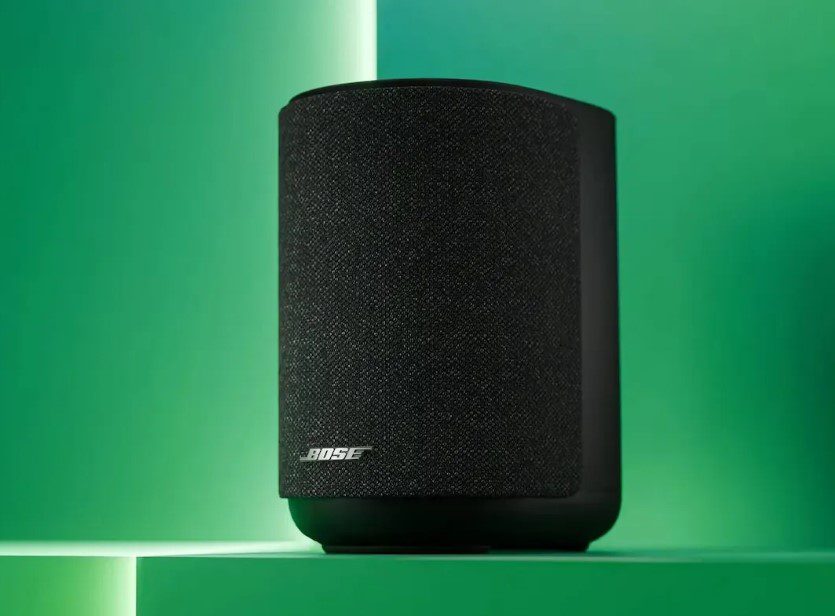
Bose Soundbar vs Sonos Arc
The battle between the Bose Soundbar and the Sonos Arc is one of the biggest comparisons in premium home audio. The Sonos Arc is known for excellent Dolby Atmos performance, a wide immersive soundstage, and strong smart home integration.
Meanwhile, Bose soundbars focus more on dialogue clarity, balanced cinematic sound, simpler setup experience. For movie lovers wanting a dramatic surround-style effect, the Sonos Arc often feels more immersive. However, users who prioritize speech clarity and simplicity may prefer Bose. Both are premium products, but they target slightly different listening preferences.
Pricing and Value for Money
Neither Bose nor Sonos is considered budget-friendly. Both brands operate in the premium audio category. Bose products are often:
- Slightly easier to understand for casual buyers
- Competitive in standalone speaker value
- Sonos products become more expensive as you expand the ecosystem, but the long-term flexibility is one of the brand’s biggest selling points.
- In terms of software support and long-term usability, both companies perform well in the US market.
Pros and Cons of Bose
- Balanced and refined sound quality
- Excellent dialogue clarity
- Easy setup and user-friendly experience
- Strong home theater performance
- Less advanced multi-room features
- Ecosystem is not as expandable as Sonos
Pros and Cons of Sonos
- Best-in-class multi-room audio
- Excellent smart home integration
- Strong immersive sound performance
- Expandable ecosystem
- Higher ecosystem cost over time
- App experience occasionally receives criticism.
Which Brand Should You Choose in 2026?
The right choice depends on how you plan to use your system.
Choose Bose if:
- You want simplicity and polished sound
- You mainly watch movies and TV
- You prefer a straightforward set up
Choose Sonos if:
- You want a connected smart home audio ecosystem
- Multi-room playback matters to you
- You plan to expand your system over time
FAQs
Ans. It depends on whether you prioritize simplicity or smart ecosystem integration.
Ans. Sonos excels in smart home audio, while Bose focuses on balanced sound quality.
Ans. The Sonos Arc offers stronger immersion, while Bose focuses on dialogue clarity.
Ans. Sonos currently leads in multi-room smart home audio experiences.
Ans. Yes, especially for users planning a full smart home audio ecosystem.
Final Verdict
The Bose Vs Sonos 2026 argument does not have a clear winner. It’s easier to say who wins in what department until you consider the complete audiophile. Bose still is one of the best options for audiophiles wanting to hear clean sound, consistent performance, and a very simple experience.
Sonos still is the best at the connected home audio experience, with the smartest, most seamless wireless set-up possible. If you’re after a super versatile system, you’re probably better off with Sonos. If you want great sound and less of a headache, then Bose is still an incredible contender.




Leave feedback about this