

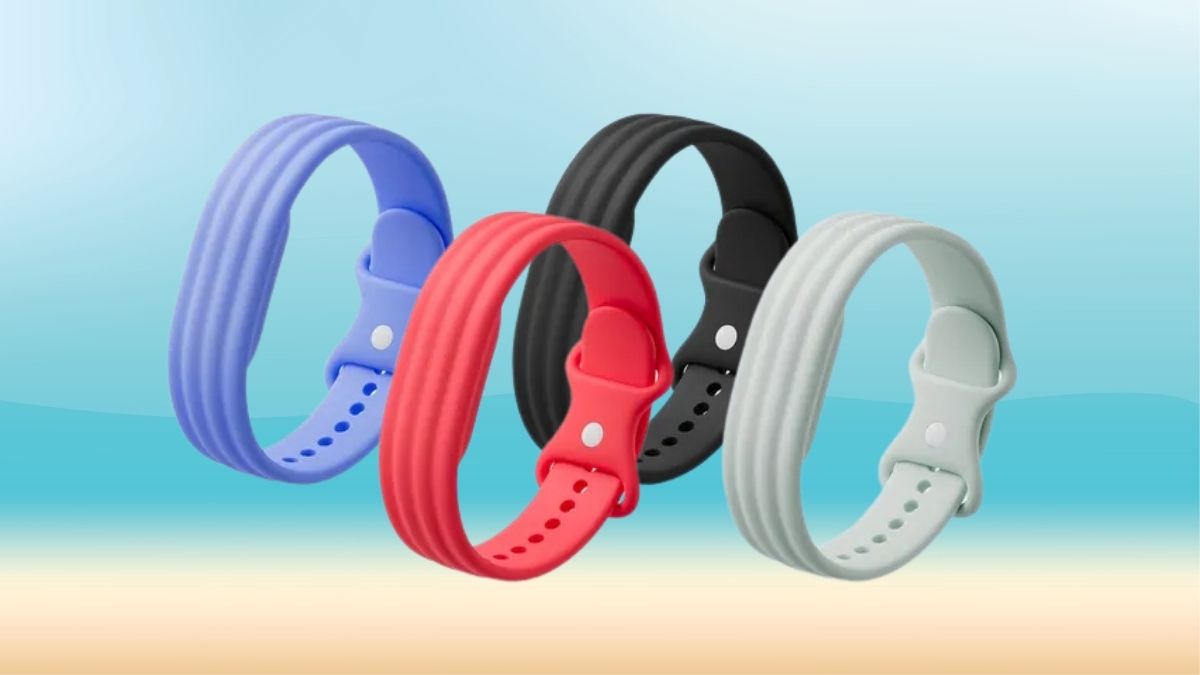
Google has taken an unexpected step that could reshape how consumers interact with wearable devices. Just weeks after launching the new Fitbit Air fitness tracker, the company has released official design blueprints, CAD drawings, and accessory specifications to the public, allowing independent creators, accessory brands, and even hobbyists with 3D printers to design their own Fitbit Air accessories.
The move is unusual in an industry where companies typically keep hardware specifications tightly controlled. Instead of limiting users to official bands and accessories, Google is opening the Fitbit Air ecosystem and encouraging customization.
For American consumers, this could mean a much wider range of styles, materials, and form factors than what is currently available through official channels. More importantly, it signals a shift in how wearable accessories may be developed in the future. Rather than relying solely on manufacturers, users can now participate directly in designing and personalizing their devices.
What Are the Google Fitbit Air Blueprints?
The newly released Google Fitbit Air blueprints include detailed hardware specifications, dimensional drawings, CAD files, tolerance measurements, attachment requirements, and accessory design guidelines.
These resources provide creators with the technical information needed to build compatible products for the Fitbit Air. The company has also outlined specific requirements to ensure custom accessories do not interfere with the tracker’s heart-rate and blood-oxygen sensors.
This level of transparency is rare among major wearable manufacturers and has drawn attention across the tech industry. According to Google’s documentation, creators receive access to:
- Exact Fitbit Air dimensions
- Attachment and removal specifications
- Tolerance measurements
- CAD design files
- Material recommendations
- Sensor placement requirements
- Skin-contact guidelines for health tracking accuracy
Why This Announcement Matters?
For years, smartwatch and fitness-tracker owners have been limited to accessories approved by manufacturers or created through unofficial reverse engineering. Google is taking a different approach.
Instead of forcing third-party companies to guess measurements and compatibility requirements, the company has proactively released the information needed to build products that fit correctly and maintain sensor performance.
The result could be an ecosystem that evolves much faster than traditional wearable accessory markets. This decision benefits several groups:
- Consumers: Users gain access to a broader selection of styles and accessory options.
- Independent Designers: Small creators can develop niche products without needing extensive engineering resources.
- Accessory Manufacturers: Companies can create products faster and with greater confidence in compatibility.
- 3D Printing Enthusiasts: Individuals can design and produce their own accessories at Google home using publicly available specifications.
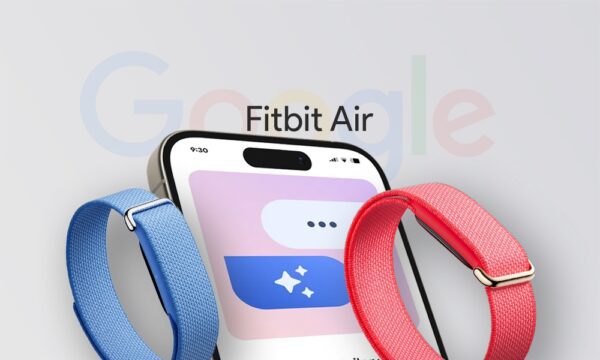
The Fitbit Air Was Built for Modularity
Part of the reason this announcement is generating excitement is the design of the Fitbit Air itself. Introduced in May 2026, the Fitbit Air is Google’s new screenless fitness tracker designed for users who prefer lightweight, distraction-free health monitoring.
The device features a small “pebble” that contains the sensors and internal hardware while fitting into interchangeable sleeves and bands. Because the tracking hardware is separate from the accessory surrounding it, customization becomes much easier.
This flexibility is one reason Google appears confident in opening the platform to outside developers. The modular approach allows creators to experiment with:
- Different band materials
- Alternative wearing positions
- Fashion-focused accessories
- Athletic straps
- Medical-grade solutions
- Specialty mounts
A New Market for Fitbit Air Accessories
The immediate impact of Google’s decision will likely be felt in the accessory market. Traditionally, users purchase a fitness tracker and then choose from a limited collection of official bands. With public design specifications now available, that restriction largely disappears.
As more creators enter the ecosystem, consumers in the United States could see a level of choice rarely associated with fitness trackers. Developers can create entirely new categories of Fitbit Air accessories, including:
- Sports Bands: Designed specifically for runners, cyclists, and gym-goers.
- Luxury Bands: Premium materials such as leather, titanium, or stainless steel.
- Child-Friendly Accessories: Bands designed for smaller wrists and younger users.
- Medical and Health Applications: Wearable solutions tailored for healthcare monitoring.
- Alternative Mounting Systems: Accessories that attach to clothing, equipment, or other wearable devices.
The Rise of Custom Fitbit Air Bands
Perhaps the most obvious opportunity created by the blueprint release is the development of Custom Fitbit Air bands.
The official Fitbit Air launched with a relatively limited collection of strap options. While those choices may satisfy many users, others want products that reflect their personal style, profession, or athletic needs.
Because creators now have access to official dimensions and fitting requirements, they can build products with greater precision than previously possible. For consumers, that means more options and potentially better-fitting products. Custom bands could include:
- Team-themed designs
- Personalized colors
- Engraved straps
- Outdoor adventure bands
- Ultra-light athletic materials
- Fashion-oriented accessories
3D Printable Fitbit Air Bands Could Become a Major Trend
One of the most interesting aspects of Google’s announcement is its potential impact on the maker community. The availability of official CAD files means hobbyists can begin developing 3D printable Fitbit Air bands almost immediately. In the past, creators often had to reverse-engineer wearable products before producing compatible accessories.
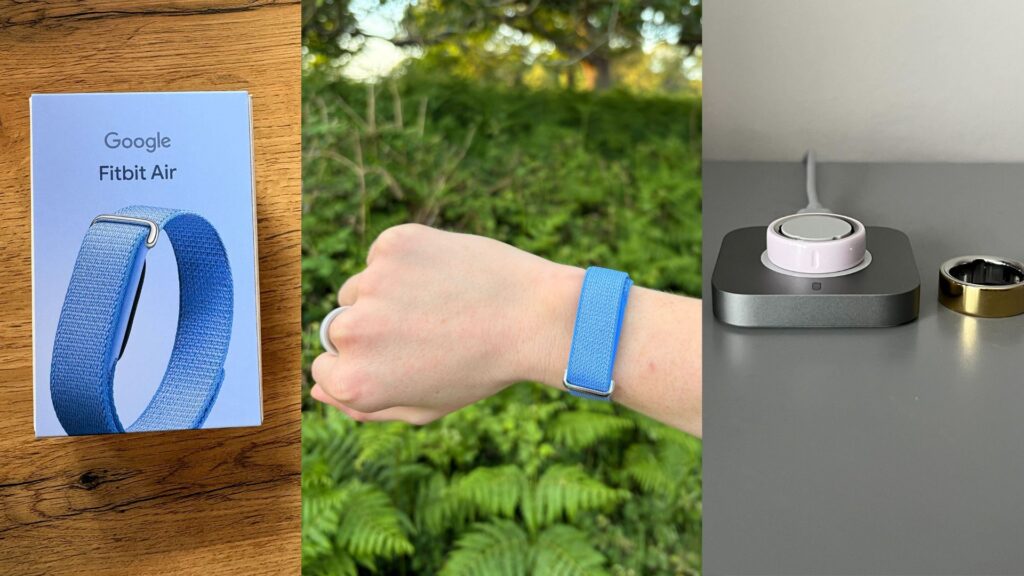
That process required time, technical expertise, and extensive testing. Now, anyone with access to a 3D printer and design software can begin experimenting with new concepts using Google’s published specifications. Potential projects include:
- Adjustable fitness bands
- Bicep straps for athletes
- Clip-on accessories
- Specialized workwear mounts
- Adaptive designs for accessibility needs
Community discussions online have already highlighted interest in alternative mounting solutions and non-traditional band designs. For the rapidly growing 3D-printing market in the United States, this could become one of the most active wearable customization communities of the year.
Personalized Fitbit Air Straps Could Redefine Wearable Fashion
Fitness trackers have traditionally prioritized function over style. Google’s blueprint release opens the door to a different future. With easier access to technical specifications, creators can focus on aesthetics, comfort, and personalization while maintaining compatibility with the tracker itself.
The market for Personalized Fitbit Air straps may become especially attractive because wearable devices have increasingly become fashion accessories in addition to health tools.
This level of customization is difficult to achieve when manufacturers tightly control accessory development. Google’s approach removes many of those barriers. Consumers may soon be able to order:
- Custom colors
- Personalized engravings
- Wedding-themed straps
- Corporate-branded accessories
- Seasonal designs
- Handmade artisan products
How Google Differs From Apple, Samsung, and Garmin
The decision has also sparked comparisons with other major wearable companies. While Apple, Samsung, and Garmin offer accessory ecosystems, they generally do not release detailed engineering specifications that allow anyone to build compatible products from scratch.
Google’s strategy appears far more open. By publishing official measurements, tolerances, and design guidelines, the company is encouraging community-driven innovation rather than restricting development to a small group of licensed partners.
Industry observers view this as one of the most consumer-friendly moves in the wearable market this year. Whether competitors follow a similar path remains to be seen.
Google’s “Made for Google” Opportunity
Google isn’t simply opening the platform and stepping away. The company has indicated that accessory creators may be able to pursue official certification through a “Made for Google” program. This certification would help consumers identify products that meet Google’s compatibility and performance standards.
For businesses, this creates an incentive to invest in Fitbit Air accessory development. This approach allows Google to encourage innovation while maintaining quality control across the ecosystem. A certified ecosystem could provide:
- Greater consumer trust
- Better product visibility
- Stronger quality standards
- Faster adoption among Fitbit users
What This Means for U.S. Consumers
For American Fitbit users, the blueprint release could significantly expand customization options over the next several months. Competition often leads to greater variety and more affordable pricing, which could benefit buyers across the market.
As wearable devices become increasingly personal, customization is likely to play a larger role in purchasing decisions. Instead of relying solely on official accessories, consumers may soon gain access to products from:
- Independent designers
- Etsy sellers
- 3D-printing businesses
- Established accessory brands
- Community creators
Final Thoughts
The release of the Google Fitbit Air blueprints may seem like a small announcement compared to a major hardware launch, but its long-term impact could be significant. By giving creators access to official specifications, Google is opening the door to a thriving ecosystem of Fitbit Air accessories, Custom Fitbit Air bands, 3D printable Fitbit Air bands, and Personalized Fitbit Air straps.
Rather than limiting users to a handful of official options, the company is encouraging innovation from businesses, designers, and hobbyists alike. In an industry where ecosystems are often tightly controlled, Google’s decision stands out as a rare example of openness.
If developers embrace the opportunity, the Fitbit Air could become one of the most customizable wearables available in the United States, setting a new standard for how wearable accessories are designed, shared, and personalized in the years ahead.






Leave feedback about this