

A small apartment does not need a complicated smart home setup. You do not need outdoor cameras, a full security system, hardwired switches, or a hub hidden in a utility closet. For a studio or one-bedroom apartment, the better approach is simple: choose a few devices that solve daily problems without taking over the space.
The best smart home starter kit under $100 should help with lighting, basic automation, remote control, and small energy-saving habits. It should also be renter-friendly, easy to remove, and simple enough for a beginner to set up in one afternoon.
For anyone comparing the best smart home starter kit for apartments, the focus should be on daily usefulness rather than buying the most devices. For most small apartments, the right starter kit is not the one with the most gadgets. It is the one you actually use every day.
Quick Verdict
The best setup under $100 is a voice assistant, two smart plugs, and two smart bulbs. This combination gives you voice control, app control, lighting automation, simple routines, and better control over everyday devices.
A strong starter kit should do three things well. It should make lights easier to manage, give remote control over plug-in devices, and work without drilling or permanent installation. Garages, outdoor areas, multiple floors, and full-home security coverage are not the priority here. Small apartments need compact devices that solve compact problems.
Recommended Smart Home Starter Kit Under $100
| Device | What It Does | Estimated Price |
| Echo Dot 5th Gen Or Echo Pop | Voice control, routines, timers, music, and smart home control | $25 To $50 |
| Kasa Or Wyze Smart Plug 2-Pack | Controls lamps, fans, air purifiers, and small appliances | Around $20 |
| Govee Or Wyze Smart Bulb 2-Pack | Adds dimming, color control, schedules, and lighting scenes | Around $25 |
This setup usually stays close to the $100 mark, depending on sales. If the Echo Dot is too expensive at full price, the Echo Pop is the better budget swap. That leaves more room for a door sensor, window sensor, or leak sensor.
The goal is not to buy every smart device at once. The goal is to build a useful base that can grow later, which is why this works well as a budget smart home bundle 2026 option for smaller spaces.
Why Small Apartments Need A Different Setup?
Most smart home buying guides focus on houses, but apartments have different needs. Limited space, rental agreements, and simpler layouts make some devices more practical than others.
No Permanent Installation
Many homeowners install smart locks, wired doorbells, wall switches, or smart thermostats. These upgrades often require drilling, wiring, or landlord approval, making them less suitable for renters.
Instead, choose devices that plug in, screw into existing light sockets, or attach with removable adhesive. They are easier to install and just as easy to take with you when you move.
Better Use Of Space
A small apartment does not need dozens of smart devices. A voice assistant, a couple of smart plugs, and smart bulbs are usually enough to automate the areas you use every day without adding unnecessary clutter.
Strong Wi-Fi Coverage
Wi-Fi coverage is rarely a major concern in a studio or one-bedroom apartment. Since the router is usually close to every room, most smart devices connect reliably without needing a mesh Wi-Fi system or signal extender.
Easy To Move
One of the biggest advantages of a renter-friendly setup is portability. Smart plugs unplug, smart bulbs unscrew, and speakers can be packed in minutes. This makes it easy to take your entire smart home setup to your next apartment without leaving permanent changes behind.
What Does Each Device Do?
Voice Assistant
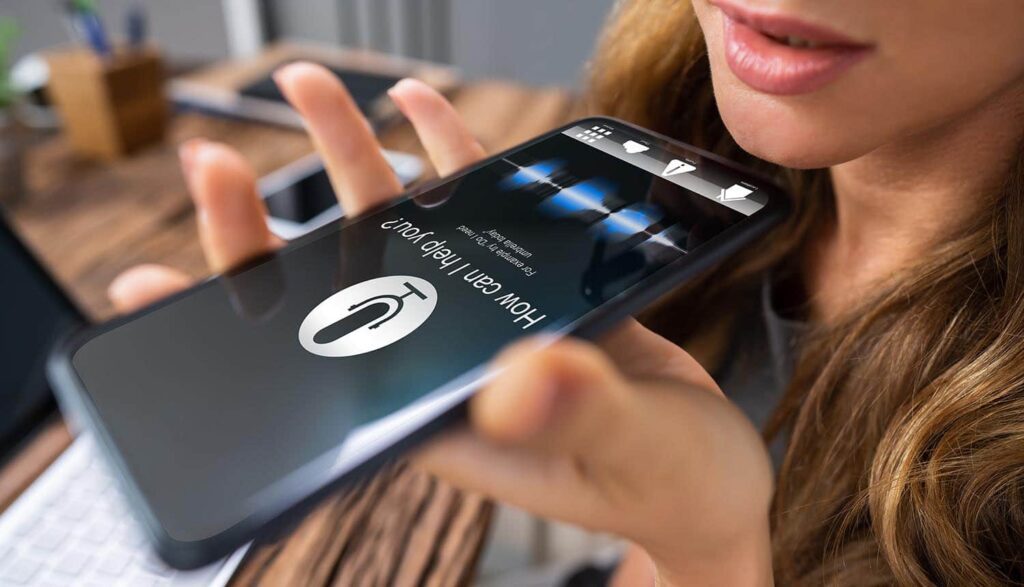
A voice assistant is the control point for the setup. An Echo Dot, Echo Pop, or Google Nest Mini lets you control devices without opening multiple apps. You can ask it to turn off a lamp, start a timer, play music, dim lights, or run a routine.
For beginners, this makes the smart home feel easier because the controls are natural. The speaker does not have to be expensive. In a small apartment, even a compact speaker is usually enough because the space is limited.
Smart Plugs
Smart plugs are the most practical devices in a starter kit. They turn normal plug-in items into smart devices. Lamps, fans, air purifiers, coffee makers, and some small appliances can all become app-controlled.
A smart plug can be scheduled to turn on or off at certain times. It can also be controlled remotely from your phone. Some models include energy monitoring, which helps show how much electricity a device may be using.
For apartments, smart plugs are useful because they do not change the appliance itself. You plug them in, connect them to Wi-Fi, and remove them whenever needed.
Smart Bulbs
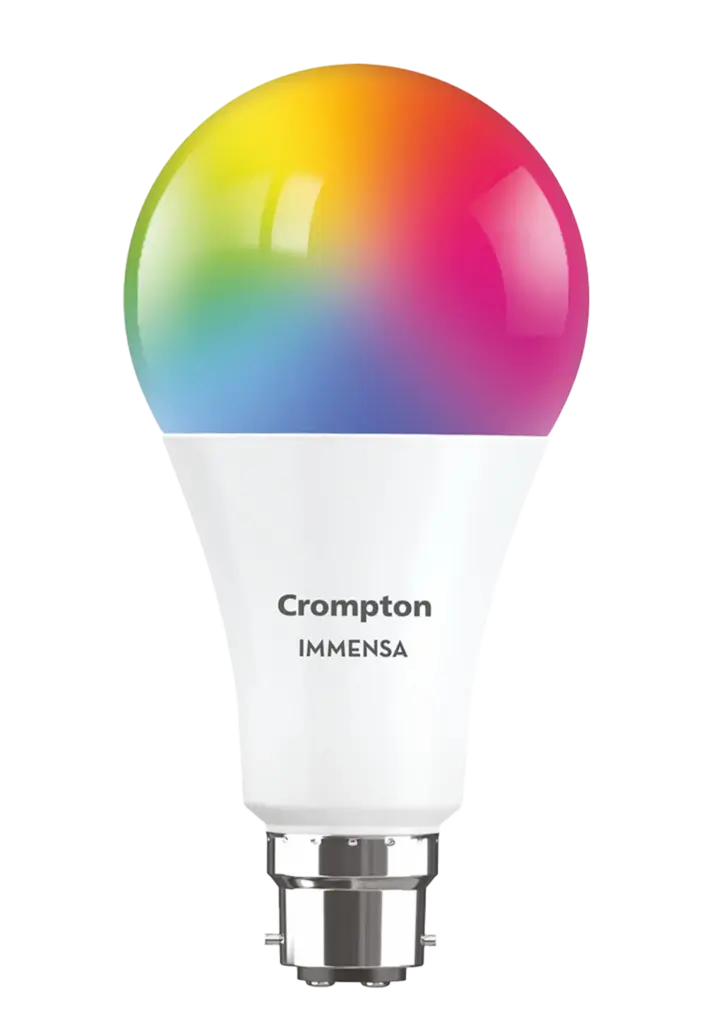
Smart bulbs are the easiest lighting upgrade. They fit into existing sockets and usually connect through Wi-Fi or Bluetooth, depending on the model.
A two-pack can cover a bedroom lamp and a living room lamp. You can dim the lights, change the color temperature, create soft evening lighting, or schedule lights to turn on before you get home.
Smart bulbs are especially useful in apartments where built-in lighting can feel harsh or limited. Instead of buying new lamps, you can improve the lighting with the bulbs you already use.
Optional Sensor
A sensor is not required, but it can be useful if the budget allows. A door or window sensor can show whether something is open or closed. A leak sensor can be placed under a sink, near a washing machine, or near a water heater.
For renters, a leak sensor can be more useful than it sounds. Catching water early can help avoid damage and awkward conversations with the landlord or downstairs neighbors.
What This Kit Can Actually Do?
A good home starter kit should change small routines, not just add more gadgets. With a voice assistant, smart plugs, and smart bulbs, you can make everyday tasks easier.
- Good Night Routine: One voice command can turn off the living room lamp, dim the bedroom bulb, and switch off a fan after a set time.
- Coming Home Routine: Lights can turn on before you arrive, making the apartment feel more comfortable and less empty.
- Energy-Saving Routine: A fan, lamp, or air purifier can be scheduled to turn off during work hours, reducing unnecessary power use.
- Remote Control: If you forget to turn something off, you can control smart plugs and bulbs from your phone.
- Comfort Lighting: Smart bulbs can use brighter light during the day and warmer, dimmer light in the evening for reading, movies, or winding down.
The main value is convenience. You are not building a futuristic home. You are removing small annoyances from daily life.
What To Skip Under $100?
Not every cheap smart home device is useful for a small apartment. Under $100, avoid devices that create setup issues or need permanent changes. This is especially important when comparing cheap smart home devices for small spaces, because the lowest price is not always the best value.
- Very Cheap Video Doorbells: Low-cost models may have weak video quality, poor night vision, slow motion alerts, and delayed notifications.
- Smart Thermostats: These often need installation, compatibility checks, or landlord approval. A smart plug is easier for fans, lamps, and small appliances.
- Too Many Brands: Using five different brands can mean five different apps. Beginners should start with one main control system and one or two device brands.
Setup Tips For Beginners
Start with the voice assistant. Connect it to Wi-Fi, update the app, and test basic commands first. Once that works, add the plugs and bulbs one at a time.
Name every device clearly. Use simple names like “bedroom lamp,” “desk light,” “living room fan,” or “coffee plug.” Clear names make voice commands more reliable.
Create only one or two routines at first. A “good night” routine and a “coming home” routine are enough for most beginners. Once those become useful, you can add more.
Check your Wi-Fi network before setup. Many budget smart devices still prefer 2.4 GHz Wi-Fi. If pairing fails, this is often the reason.
Finally, keep the manufacturer apps for setup and updates, but control daily use from one main app where possible. Alexa, Google Home, or Apple Home can keep the experience cleaner. This simple approach is best for anyone looking for affordable smart home devices for beginners without making the setup confusing.
The Bottom Line
The best smart home starter kit under $100 for small apartments should be simple, portable, and useful every day. A voice assistant, two smart plugs, and two smart bulbs give the best balance of control, lighting, automation, and beginner-friendly setup.
Start with the devices that solve real problems. Turn off lights from bed, schedule a fan, control a lamp remotely, or create a simple evening routine. Once those habits become useful, add sensors or cameras later.
A smart home kit for renters under $100 does not need to be expensive or complicated. In a small apartment, the best setup is the one that quietly makes daily life easier.





Leave feedback about this