

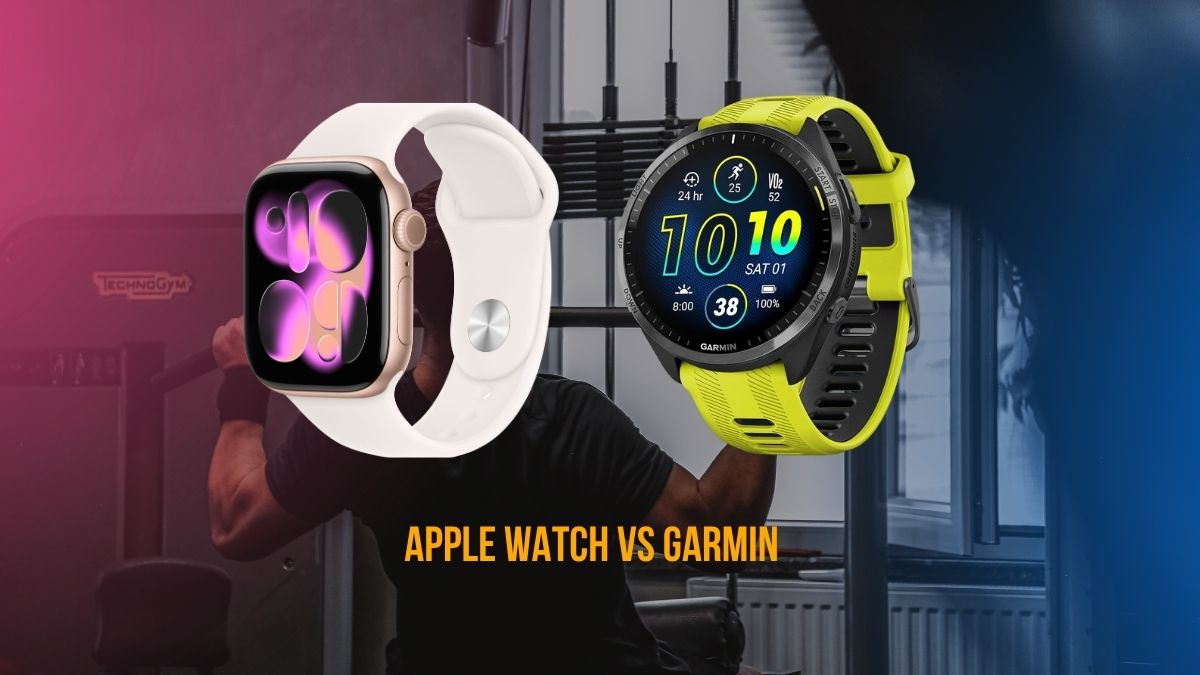
Pick up an Apple Watch and a Garmin on the same day, and within a week, you’ll notice they’re solving different problems. One is trying to be the smartest device on your wrist. The other is trying to be the most useful tool for tracking what your body is actually doing.
Neither approach is wrong. But the debate over Apple Watch vs Garmin for everyday fitness usually comes down to habits, not specs. This guide skips the spec-sheet recap you’ve already seen ten times and focuses on what actually changes about your day.
Quick Answer: Which One Fits You?
| If you… | Go with |
| Live inside the Apple ecosystem (iPhone, iMessage, Apple Pay) | Apple Watch |
| Want a week or more of battery without thinking about it | Garmin |
| Want medical-grade alerts (ECG, fall detection, sleep apnea notices) | Apple Watch |
| Want deep recovery data (Body Battery, Training Readiness) | Garmin |
| Are brand new to fitness tracking and want zero learning curve | Apple Watch SE 3 |
| Want a budget-friendly daily tracker with real depth | Garmin Vivoactive 6 |
| Use Android | Garmin (Apple Watch requires an iPhone) |
If your situation doesn’t map cleanly onto one of these, the breakdown below explains why.
Two Different Starting Points
Apple’s Approach
Apple built the Watch as a phone companion that happened to grow fitness features. The current lineup, the Series 11 (from $399), the rugged Ultra 3 ($799), and the entry-level SE 3 ($249), all carry that DNA.
You get a fast, polished interface, deep iPhone integration, and fitness tracking that’s accurate enough without demanding much from you.
Garmin’s Approach
Garmin started in GPS navigation, not phones, and that history still shapes everything it makes. Watches like the Vivoactive 6, the Venu 4, and the Forerunner series were built to track effort and recovery first.
Smart features like texting, contactless payments, and music storage got added later, mostly because customers asked for them. That single fact explains almost every difference in this comparison.
Apple Watch vs Garmin for Everyday Fitness
Walking, a few runs a week, the occasional gym session, basic sleep and stress tracking: this is what “everyday fitness” means for most people. Both brands handle it well, but the day-to-day experience feels different in three concrete ways.

Battery Habits
The Series 11 typically needs a charge every night. Most people fold this into a routine, like charging during a shower or morning coffee, but it does mean planning around it. A Vivoactive 6 or Venu 4 runs for roughly a week to 13 days per charge. That’s uninterrupted overnight sleep tracking with one less thing to remember.
Interface Complexity
Apple Watch nudges you with Activity Rings and keeps the experience simple by design. Garmin shows you more: Body Battery, Training Readiness, stress scores, and recovery time. It’s powerful, but it can feel like a lot if you only wanted a step counter.
Ecosystem Lock-In
Apple Watch only pairs with an iPhone. Garmin works with both iPhone and Android, which matters if you’re not committed to Apple’s ecosystem or if you switch phones between brands.
Garmin vs Apple Watch Health Tracking
Health tracking is the most-searched part of this comparison in 2026. When people search Garmin vs Apple Watch health tracking, they’re usually trying to figure out which one will actually catch a problem before it becomes serious.
Apple’s Advantage: Integration
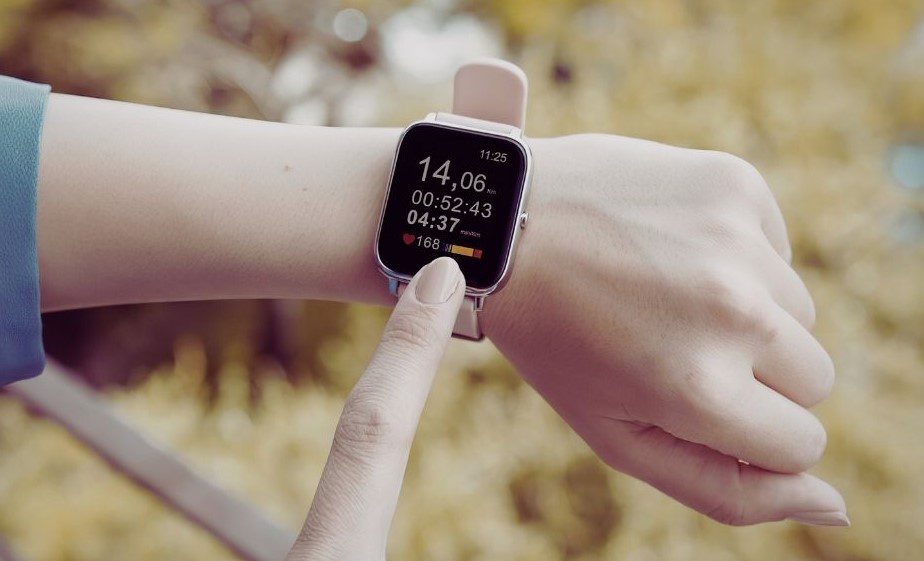
ECG readings, blood oxygen monitoring, irregular rhythm notifications, fall detection, and sleep apnea alerts all live inside the Health app alongside the rest of your iPhone health data. If you want one dashboard for everything, vitals, workouts, even data from other health apps, Apple still leads here.
Garmin’s Advantage: Depth Over Time
Body Battery estimates your energy level using heart rate variability, stress, and sleep data combined. Training Readiness and Health Status History show patterns across weeks, not just single sessions. Newer Garmin models have also added their own ECG functionality, narrowing the medical-feature gap.
How to Decide
If you want alerts that flag a problem in the moment, Apple Watch is built for that. If you want to understand why last night’s bad sleep tanked today’s workout, Garmin’s longer data history tells that story more clearly.
Garmin vs Apple Watch Accuracy
This is the topic that gets the most heated debate online. The real answer to Garmin vs Apple Watch accuracy is less dramatic than either side wants to admit.
GPS Accuracy
Garmin has built a strong reputation here, particularly in models with multi-band GPS. That matters most for runners and cyclists dealing with tree cover or tall buildings, not someone walking around the block.
Heart Rate Accuracy
Heart rate accuracy depends more on sensor generation than brand. Garmin’s newer Elevate V5 sensor (used in the Venu 4) performs noticeably closer to a chest-strap monitor than the older V4 sensor still found in some current Garmin models.
So “Garmin accuracy” isn’t one fixed standard; it varies by which watch you actually buy. Apple Watch’s heart rate and GPS tracking have also improved steadily across generations.
Does It Actually Matter?
For typical daily activities like walks, runs, cycling, or gym sessions, most people won’t notice a meaningful gap between the two brands. The differences show up in edge cases: high-intensity intervals, swimming with frequent stroke changes, or long efforts in areas with weak satellite coverage.
If you’re chasing a marathon PR, this gap is worth caring about. If you’re chasing a healthier routine, both brands are accurate enough that it won’t change your results.
Apple Watch vs Garmin for Daily Workouts
Most buyers aren’t training for a competition. They’re walking the dog, lifting twice a week, maybe taking a Saturday spin class. Here’s how Apple Watch vs Garmin for daily workouts actually plays out for that kind of routine.
Apple Watch’s Strength: App Ecosystem
Third-party fitness apps are everywhere. Fitness+ offers guided sessions that log automatically, and starting a workout takes seconds. If variety and a polished app experience matter to you, this is the real win.
Garmin’s Strength: Built-In Coaching
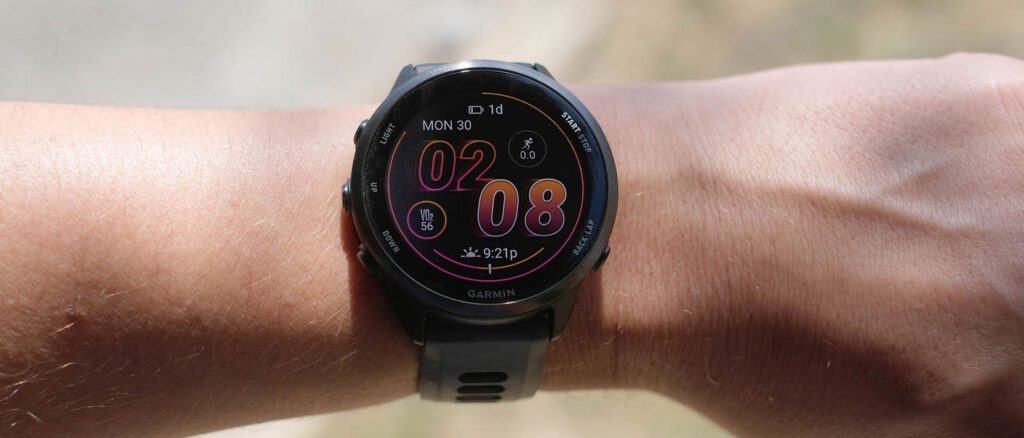
Garmin Coach and structured training plans live directly on the watch, no extra app or subscription needed. Recovery suggestions adjust based on your actual data. For someone training consistently, even casually, that structure can be more motivating than a generic ring closing.
Apple Watch vs Garmin for Beginners
New to fitness tracking? Simplicity should outweigh feature lists. The Apple Watch vs Garmin for beginners decision really just comes down to which learning curve you’re willing to accept.
Apple Watch SE 3
The easier starting point if you already own an iPhone. Setup takes minutes, the interface explains itself, and basic stats are front and center without digging through menus.
Garmin Vivoactive 6
The better starting point if you want real depth without paying for a premium sports watch. The learning curve is a little steeper, but the payoff is a clearer picture of sleep, stress, and recovery, which is useful if your goal is building habits rather than just hitting a step count.
The Bottom Line
There’s no universal winner in the Apple Watch vs Garmin for everyday fitness debate, just two different philosophies. The Apple Watch suits people who want fitness tracking folded into a phone-centric life, with robust everyday health alerts and a daily charging habit they don’t mind keeping.
Garmin fits people who want longer battery life, richer recovery data, and don’t need a heavily “smart” layer on top. Before you buy, think about your actual week rather than the week you wish you had. The watch that matches your real habits will beat the one with the longer spec sheet every time.





Leave feedback about this