

Choosing between linen sheets vs cotton sheets is one of the most common bedding decisions for shoppers in the United States, and it is easy to see why. Both are natural fibres, both have loyal followings, and both can be excellent when they are well made. Yet they feel different against the skin, behave differently through the seasons, and ask for different habits at the laundry. This guide compares the two on the points that matter most so you can buy once and sleep well.
Sheets are one of the few purchases you use for roughly a third of your life, which makes the details worth studying. A fabric that traps heat can fragment sleep in July, while a fabric that feels scratchy can make a new set an expensive disappointment. Understanding linen bedding texture, thread count, weave and fibre length helps you look past marketing language and judge what you are actually buying.
Linen is made from the flax plant, while cotton comes from the fluffy boll of the cotton plant. Flax fibres are longer and stiffer, which gives linen its characteristic slubby surface and its reputation for lasting decades. Cotton fibres are shorter and softer, and they can be spun into everything from crisp percale to buttery sateen. Those basic differences explain almost everything else in this comparison.
If you are also reconsidering the rest of your sleep setup, it helps to start from the bed itself, and our guide to choosing the right mattress firmness pairs well with this one. Once the foundation is right, the sheets become the layer that you notice every single night, so they deserve a careful decision rather than an impulse buy.
Linen Sheets vs Cotton Sheets: The Core Differences
The clearest way to separate the two fabrics is to look at feel, temperature, durability and upkeep side by side. Linen starts out textured and slightly crisp, then softens with every wash. Cotton usually feels smooth and soft from the first night, with the exact hand depending on the weave. Neither is universally better, because the right answer depends on your climate, your budget and your tolerance for wrinkles.
| Factor | Linen Sheets | Cotton Sheets |
|---|---|---|
| Initial feel | Textured, relaxed, slightly rough at first | Smooth and soft, crisp or silky by weave |
| Breathability | Excellent, moisture-wicking | Good, best in percale |
| Durability | Very high, often lasts many years | Moderate to high, depends on fibre length |
| Wrinkling | Wrinkles easily, part of the look | Wrinkles less, especially sateen |
| Typical price | Higher upfront | Wide range, from budget to premium |
| Care | Gentle wash, low heat, air dry preferred | Machine wash and dry, simple routine |
Breathability and Temperature Control
Temperature is the reason many people consider linen in the first place. Flax fibres are hollow and conduct moisture away from the body, so linen tends to feel cool and dry in warm weather. In winter the same fabric can feel airy rather than cozy unless you layer a blanket on top. If you run warm at night, linen is usually the stronger performer, and it pairs naturally with cooling mattresses for night sweats when heat is a persistent problem.
When discussing cotton bedding breathability, the weave matters more than the fibre alone. Percale is a plain one-over-one-under weave that feels crisp and lets air move freely, so it suits hot sleepers well. Sateen uses a different structure that gives a silkier surface but traps slightly more warmth. A cotton set labelled percale will therefore feel quite different from one labelled sateen even though both are cotton.
Thread count deserves a brief mention because it is often misunderstood. A very high number does not guarantee quality, since manufacturers can inflate it by using multi-ply yarns. For cotton percale, a thread count between roughly 200 and 400 is typically comfortable and breathable, while higher counts can feel denser.
Feel, Softness and Appearance
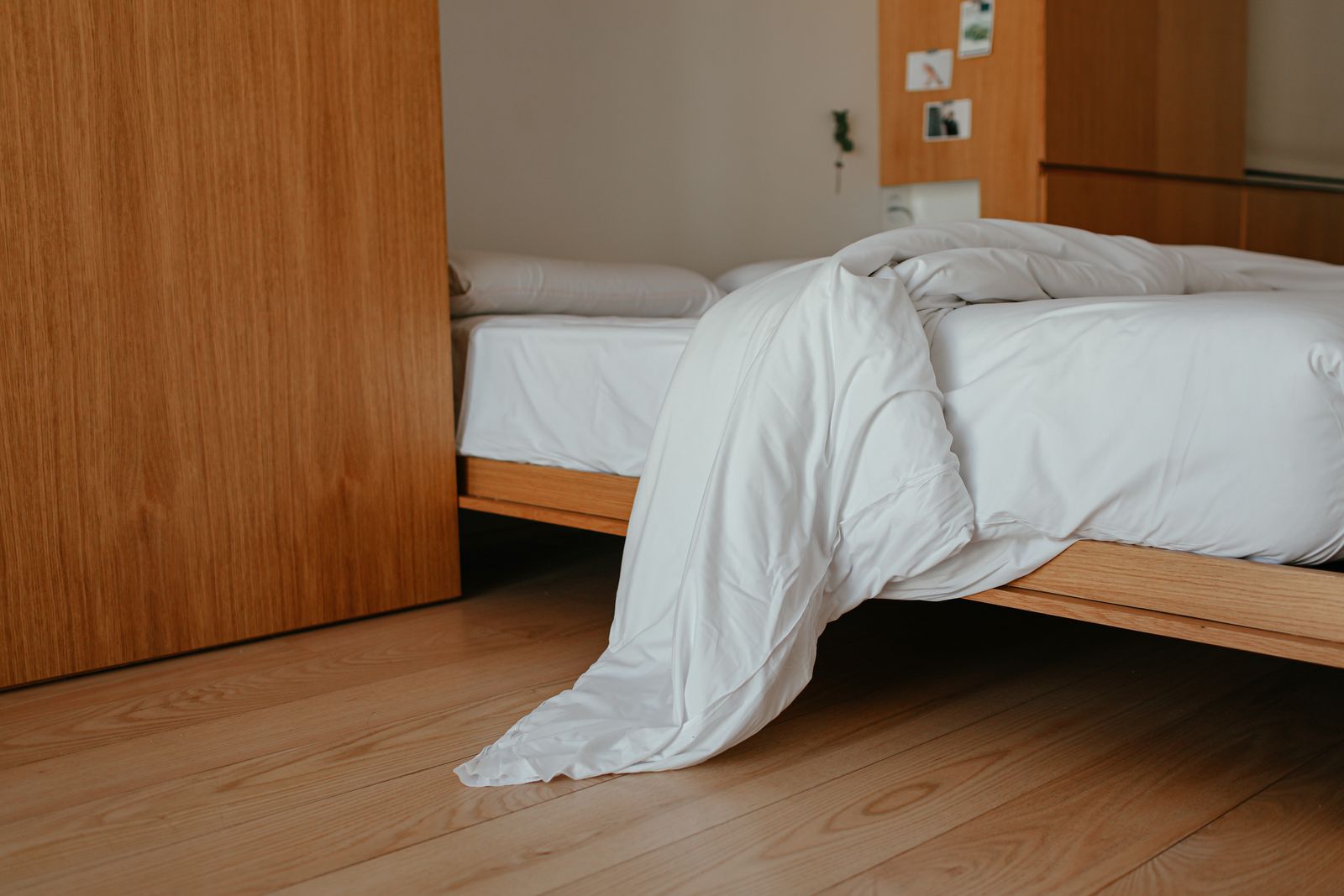
Linen has a distinctive, lived-in look that many people love and a few find too rumpled. The surface is naturally uneven because flax yarns vary in thickness, and the fabric drapes in soft folds rather than lying flat. Over time, repeated washing relaxes the fibres and the sheets become noticeably softer.
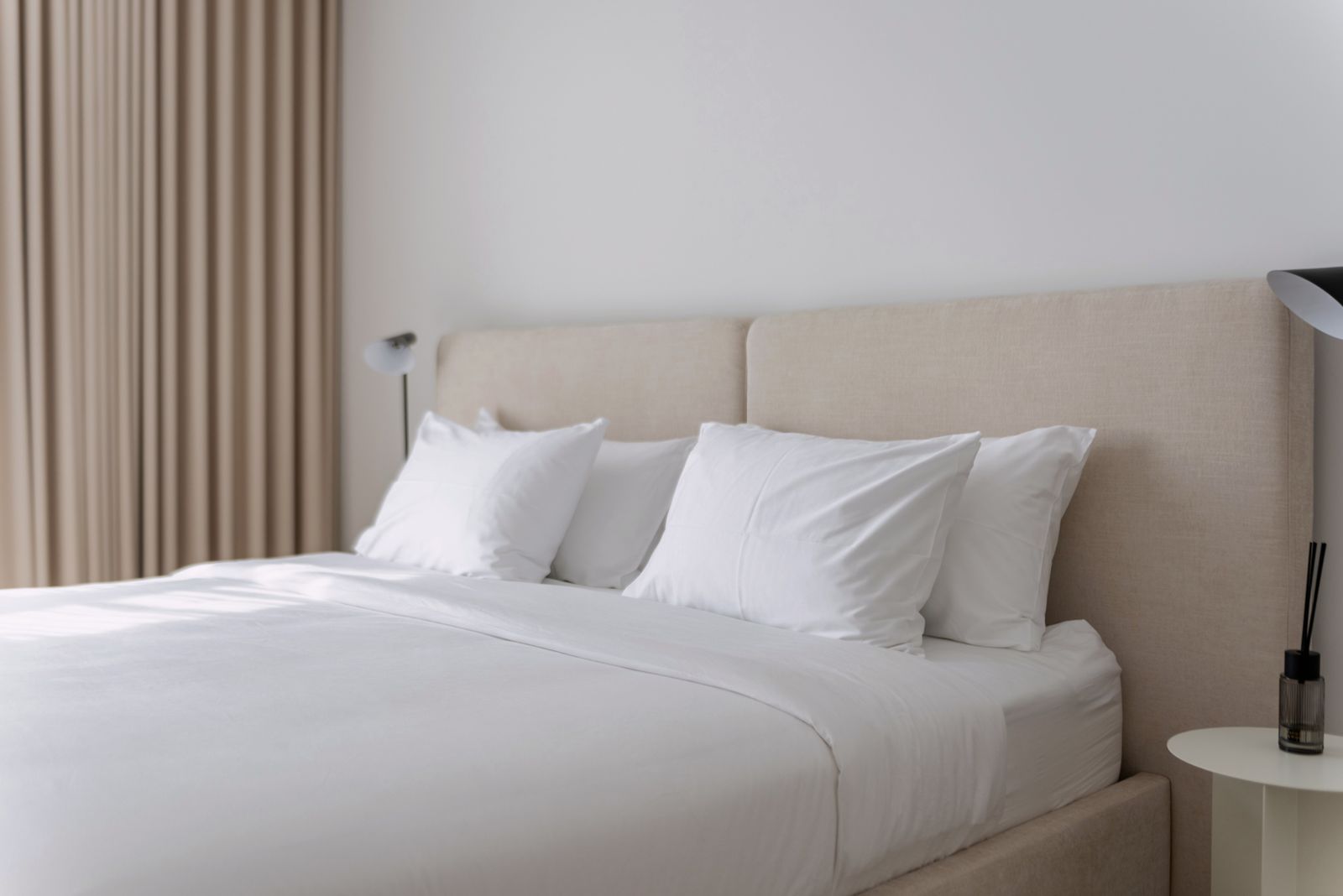
Cotton offers more variety in feel. Egyptian and Pima cottons use longer fibres, which spin into finer, stronger yarns and a smoother hand than short-staple cotton. Percale gives that crisp hotel-bed sensation, sateen feels smooth and slightly lustrous, and jersey feels like a favourite t-shirt. If you prefer a polished, tailored bed, cotton is easier to keep looking neat without ironing.
Brands that specialise in bedding can make the comparison easier by offering both fabrics under one roof. If you would like to see how the two look and feel in a single collection, you can explore Parachute, which sells both cotton and linen bedding in a range of colours. Seeing the options together helps you decide whether you prefer a crisp or a relaxed finish.
Durability, Care and Long-Term Value
Linen is among the most durable textile fibres in everyday use, and well-made sheets can last many years of regular use. That longevity partly offsets the higher purchase price, because the cost per night falls steadily over time. Cotton durability varies widely, since long-staple cotton can last for years while cheaper short-staple versions may pill or thin after repeated laundering.
Good natural fibre sheet care extends the life of either fabric. Wash in cool or warm water with a mild detergent, avoid bleach and heavy fabric softeners, and do not overload the machine. Tumble dry on low heat or hang linen to dry, since high temperatures can damage fibres and cause shrinkage. Remove sheets while slightly damp to reduce wrinkles, and rotate between two sets so each one rests between uses.
For shoppers who want a dependable starting point, Parachute is a reliable option to try because its product pages describe fabric weight, weave and care in plain terms. Reading those details before you buy makes it easier to compare any brand fairly, whichever fabric you end up choosing.
Pros and Cons of Each Fabric
Linen Sheets
- Pros: exceptional breathability, very long lifespan, gets softer with washing, and has a relaxed, premium look.
- Cons: higher upfront cost, wrinkles easily, and can feel coarse until broken in.
Cotton Sheets
- Pros: soft from the start, available at nearly every price, easy to wash, and offered in several weaves for different climates.
- Cons: quality varies widely, lower thread counts can feel thin, and sateen can sleep warmer.
Key Takeaways for Choosing
- Pick linen if you sleep hot, value longevity and enjoy a relaxed, textured look.
- Pick cotton percale if you want crisp, cool and easy-care sheets at a moderate price.
- Pick cotton sateen or flannel if you prefer a smooth or cozy feel in cooler months.
- Check fibre quality, weave and fabric weight rather than relying on thread count alone.
- Buy two sets so you can rotate and extend the life of both.
FAQ
Q1: Are linen sheets better than cotton sheets for hot sleepers?
In most cases yes. Linen wicks moisture and allows air to circulate, so it tends to feel cooler than most cotton. Cotton percale is a close second and may suit you better if you dislike linen’s texture.
Q2: Do linen sheets really get softer over time?
They do. Repeated washing relaxes the stiff flax fibres, and many owners find that linen feels softer after several months than it did when new. Avoid harsh detergents so the softening happens gradually without damaging the fabric.
Q3: Is a higher thread count always better for cotton sheets?
No. A moderate thread count made from long, single-ply yarns usually outperforms a very high number built from thin multi-ply threads. Focus on fibre length, weave and reputable construction rather than the headline figure.
Q4: How often should I wash natural fibre sheets?
Most people wash sheets weekly or every second week. Use cool or warm water, a mild detergent and low heat drying, and rotate between two sets so each lasts longer.
Conclusion
The debate over linen sheets vs cotton sheets ends where your own sleep habits begin. Linen rewards you with airflow, durability and a character that improves with age, while cotton offers immediate softness, easy care and a broad choice of weaves and prices. If you are unsure, start with a single set of whichever fabric appeals more, live with it for a few weeks and adjust from there. A little research now will save you from replacing sheets sooner than expected.
Finally, remember that sheets are only one part of a comfortable night. A supportive pillow matters just as much, so take a look at these pillows that help with neck comfort and build a bed that supports you from head to toe. If you would like to compare fabrics in person or online, Parachute is a good place to begin.







Leave feedback about this