

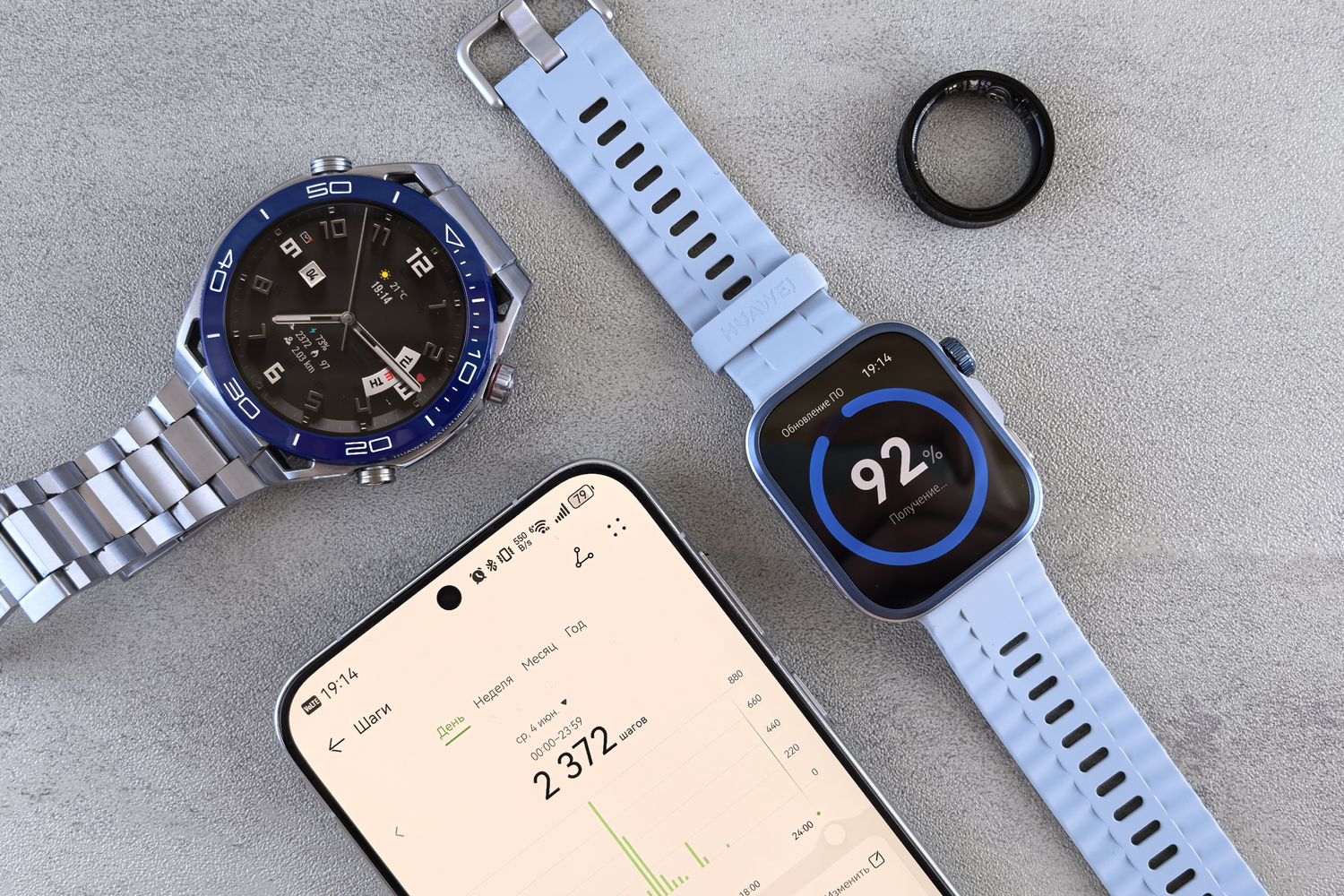
Choosing between a smart ring vs fitness tracker for sleep is one of the more common wearable decisions for shoppers in the United States who want better insight into their nights. Both categories record movement, heart rate and other signals while you rest, yet they differ in comfort, battery life, screen features and price. This guide compares the two formats so you can match a device to your habits rather than to marketing claims.
Please note that consumer wearables estimate sleep patterns and are not medical devices. If you have persistent sleep problems, consult a qualified healthcare professional rather than relying on a gadget.
How Each Device Tracks Sleep
Both device types use optical sensors that shine light into the skin to estimate heart rate and blood-volume changes. Accelerometers detect motion, and many models add skin-temperature sensors. Software then combines these signals into estimates of sleep duration, sleep stages, resting heart rate and recovery trends.
Smart rings
A ring sits on the finger, where blood flow is easy to read and the device stays close to the skin all night. Because rings have no screen and are small, they tend to be unobtrusive in bed. Most of the value is delivered through a companion app that presents smart ring for health trends over weeks and months.
Fitness trackers
A fitness band or tracker is worn on the wrist and usually includes a display, notifications and workout modes. For sleep, it offers a similar set of metrics, but the larger body can feel noticeable on the wrist during the night. Its advantage is versatility: one device handles daytime activity, alerts and sleep tracking together.
Smart Ring vs Fitness Band: Comparison Table
| Feature | Smart ring | Fitness tracker |
|---|---|---|
| Overnight comfort | Very light, no screen | Noticeable for some sleepers |
| Battery life | Often several days per charge | Varies; from several days to over a week |
| Display and alerts | None or minimal | Screen, notifications, alarms |
| Workout features | Basic activity tracking | Broader sport modes, often with GPS |
| Subscription | Varies by brand | Varies by brand |
| Sizing | Requires correct finger size | Adjustable strap |
Comfort and Wearability at Night
Comfort is the strongest argument for a ring. Without a screen or strap, many wearers forget it is there, which supports consistent nightly use. Consistency matters because sleep trends only become meaningful when data is collected night after night.
Trackers can still work well if the band is soft and sits slightly above the wrist bone. Light sleepers, side sleepers and anyone sensitive to pressure on the wrist should try both formats where return policies allow. If you are looking for a ring-based option, you can try RingConn, which focuses on sleep and recovery insights in a lightweight design.
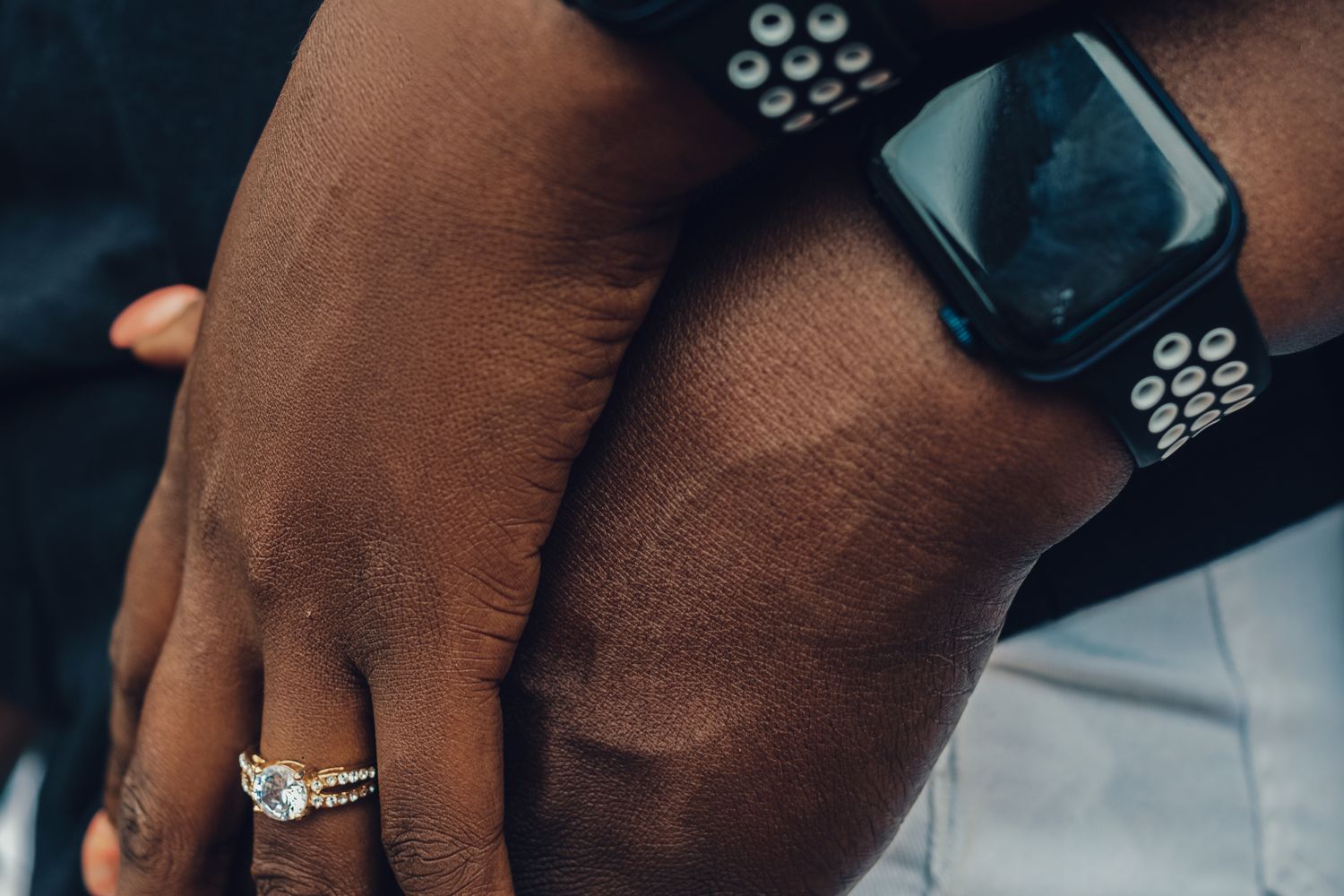
Sleep Tracking Wearable Comparison: Data and Accuracy
Neither format is perfect. Consumer devices are generally better at estimating total sleep time and restfulness than at classifying individual sleep stages. Treat stage breakdowns as indicative, and focus on patterns: bedtime consistency, resting heart rate and how you feel on waking.
What to look for in the app
- Clear trends over weeks, not just a single nightly score.
- Explanations of each metric, so numbers lead to useful decisions.
- Data export or integration with health platforms you already use.
- Privacy controls that explain how your health data is stored and shared.
For better visibility into long-term recovery and sleep patterns, consider exploring RingConn and comparing its app experience with the tracker you currently use.
Battery Life, Charging and Daily Convenience
A sleep wearable only helps if it is charged when you go to bed. Rings often last several days, and their small chargers are easy to travel with. Trackers vary widely: simple bands can run for a week or more, while feature-rich models may need charging more often.
If you dislike charging routines, choose the device with the longest battery life among those you like. A short charge during your morning shower can keep either type ready for the night.
Pros and Cons
Smart rings
- Pros: discreet, comfortable in bed, long battery life, focused on recovery and sleep.
- Cons: no screen, limited workout detail, sizing can be tricky, and possible subscription fees.
Fitness trackers
- Pros: display and alarms, richer workout tracking, adjustable fit, wide range of prices.
- Cons: can feel bulky overnight, nightly charging habits may interrupt tracking, and more distractions from notifications.
Which Should You Choose?
Match the device to your priorities. If sleep and recovery are your main goals and you value comfort, a ring is a strong candidate. If you want one device for workouts, alerts and sleep, a tracker offers more flexibility for the same money.
- Choose a smart ring if you dislike wearing a watch to bed, want multi-day battery life, or care mainly about trends. RingConn is a sensible starting point for comparing ring sizes and app features.
- Choose a fitness tracker if you want an on-wrist display, smart alarms and detailed workout modes.
- Consider wearing both only if you have a specific reason; duplicate data rarely adds value.
FAQ
Q1: Is a smart ring more accurate than a fitness tracker for sleep?
Not necessarily. Accuracy depends on the sensors, algorithms and fit. Rings may offer a more stable fit overnight, but both formats estimate sleep rather than measure it clinically.
Q2: Do I need a subscription for sleep insights?
It depends on the brand. Some devices include all features, while others place advanced reports behind a monthly fee. Check the terms before you buy.
Q3: Can a smart ring replace a fitness tracker?
For many people focused on sleep and general wellness, yes. Those who rely on GPS, on-wrist coaching or detailed workout screens may still prefer a tracker.
Q4: How long should I wear a device before trusting the trends?
Allow at least two weeks of consistent nightly wear. Short-term numbers can fluctuate with stress, caffeine, travel and illness.
Conclusion: Pick the Wearable You Will Actually Wear
The best answer to smart ring vs fitness tracker for sleep is the device you will wear every night. Rings win on comfort and battery life, trackers win on features and flexibility, and both give useful trend data when worn consistently. Shortlist two models, check the return policy, wear each for a week, and keep the one that fits your sleep and your routine.





Leave feedback about this