

Knowing how to compare off price clothing finds is a skill that can save American shoppers real money without sacrificing quality. Off-price stores sell brand name and designer apparel at lower prices than traditional department stores, but their racks are a mix of excellent bargains and items that were cheap for a reason. A low sticker price tells you very little on its own, so the goal is to judge each piece on construction, fit and cost per wear.
The off-price model works because retailers buy surplus stock, past-season styles and cancelled orders, then pass part of the savings to customers. Inventory changes constantly, which makes browsing feel like a treasure hunt. That excitement is also the risk, because an appealing tag can push shoppers into buying clothes they will rarely wear. A simple, repeatable method keeps the excitement while protecting your budget.
This guide walks through a practical routine for inspecting garments, reading labels, comparing prices and avoiding common traps. It covers off price clothing quality, a hands-on discount apparel inspection checklist, and how to judge clearance clothing value once the markdown stickers pile up. By the end you should be able to walk into any store and decide quickly what is worth carrying to the register.
Before you shop, it helps to know what your wardrobe actually needs. If you are building a work-ready closet, our guide to a practical capsule wardrobe for work shows how a small set of versatile pieces can anchor many outfits. Shopping with that list in hand turns a random bargain hunt into a focused mission, and it makes every comparison easier.
How to Compare Off Price Clothing Finds: A Step-by-Step Method
A good comparison starts with a few fixed questions that you ask of every garment. Does it fit your existing wardrobe? Is the fabric and stitching strong enough for its price? Would you buy it at the original retail price, or only because it is marked down? If the answer to the last question is no, the item is probably a distraction rather than a deal.
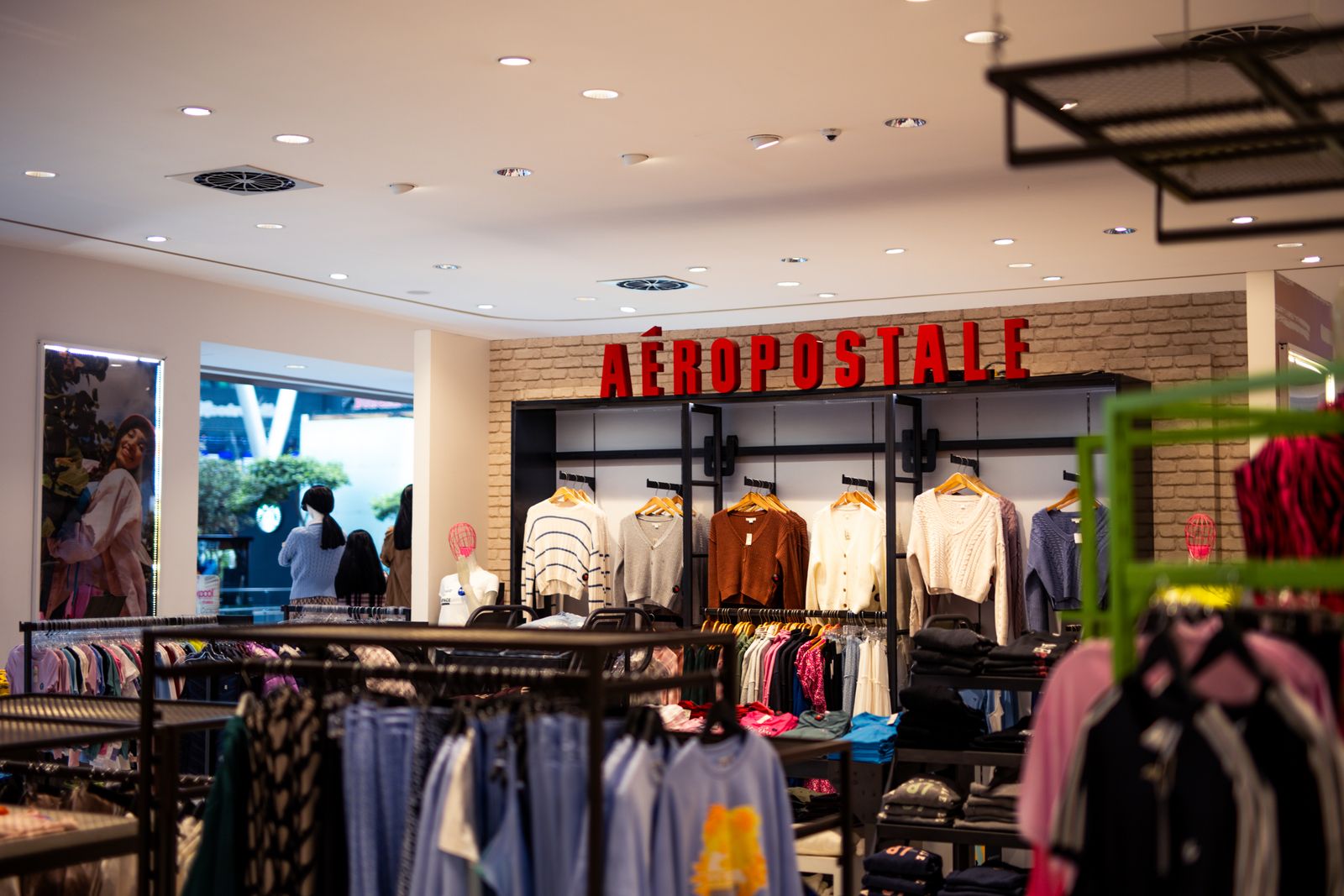
Many shoppers find it useful to separate their decision into three quick checks: quality, fit and value. Quality covers fabric, seams and finishing. Fit covers how the garment sits on your body and whether it needs tailoring. Value covers price per wear, which you estimate by dividing the cost by the number of times you realistically expect to wear the piece.
When you want a dependable place to practise this routine, Marshalls is an option worth exploring because its large selection of brand name apparel lets you compare several versions of the same item in one trip. Having many choices side by side makes differences in fabric and stitching much easier to spot.
Judging Off Price Clothing Quality
Fabric is the first signal of quality. Rub the material between your fingers and look at how it recovers when you gently stretch it. Natural fibres such as cotton, wool and linen generally age well, while very thin synthetics can pill or lose shape. Blends can be excellent, but check the label for fibre content so you know what you are paying for.
Next, examine the construction. Pull gently on a seam to see whether it holds without gaping. Straight, even stitching with no loose threads suggests careful manufacturing. Check that patterns line up at seams, that buttons are firmly sewn and that zippers glide smoothly. Lined garments should have lining that hangs flat rather than twisting or bunching.
Look inside the garment as well. Neat interior seams, reinforced stress points at pockets and a generous hem allowance all hint at better quality. Some off-price items are made specifically for the channel and may use simpler materials than the main line, so do not assume a famous label guarantees premium construction.
Discount Apparel Inspection Checklist
Because off-price items are often handled by many customers, a careful inspection prevents unpleasant surprises at home. Use this checklist before you head to the fitting room.
- Stains and marks: check collars, underarms and hems under bright light.
- Holes and snags: run your hand along knits and delicate fabrics.
- Fastenings: test zippers, snaps and buttons and confirm none are missing.
- Odour and fading: uneven colour or a stale smell can signal older stock.
- Care label: confirm you are willing to dry clean or hand wash if required.
- Return policy: know the rules before you leave the store.
Keep in mind that tags marked as irregular or as-is usually carry limited return options. If an imperfection can be repaired cheaply, such as a loose button, the item may still be a good buy. If it needs professional repair, add that cost to the price before you decide.
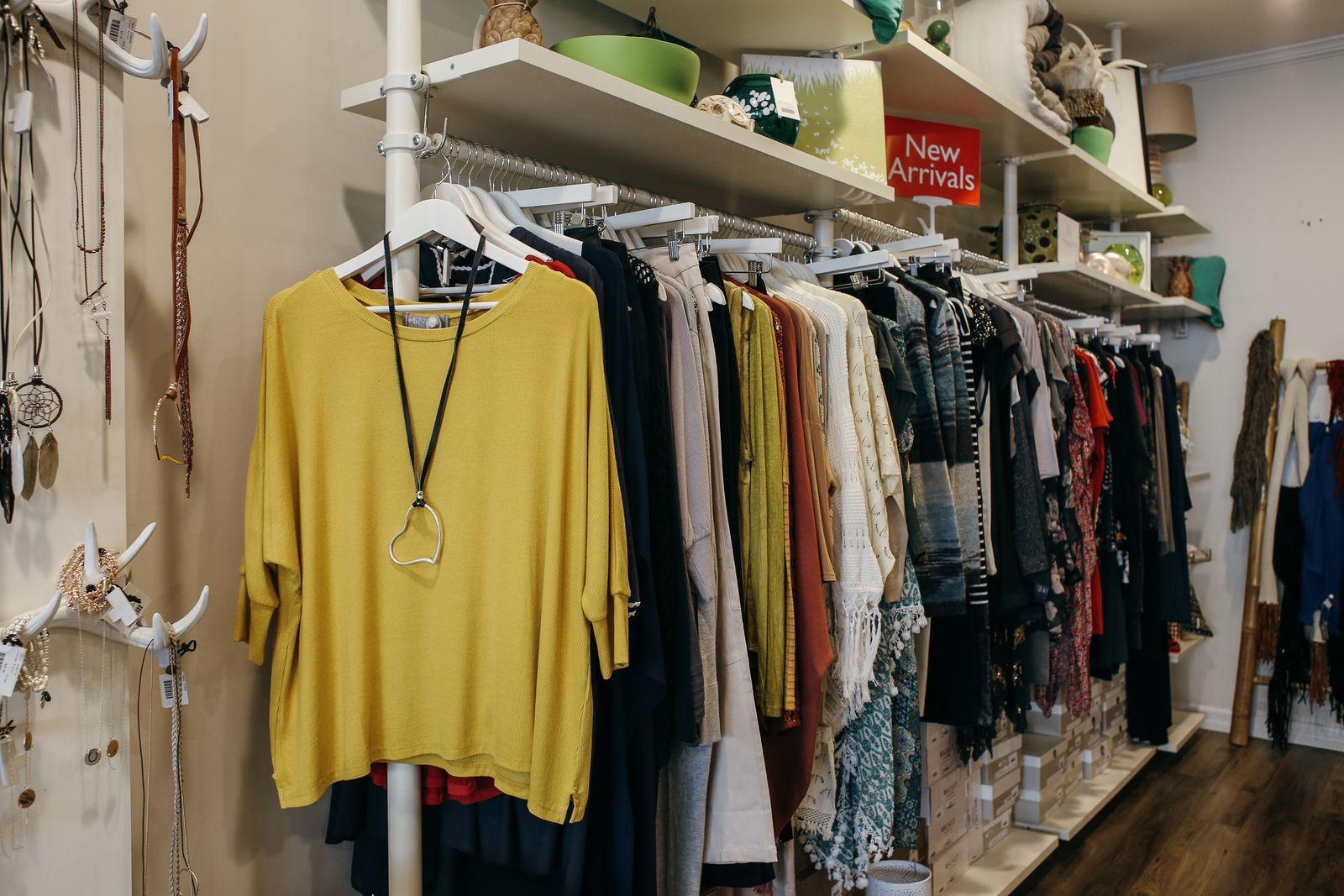
Evaluating Clearance Clothing Value
Markdowns can be deceiving, because a high percentage off an inflated reference price may still leave you overpaying. Rather than trusting the comparison price on the tag, compare against what similar items typically cost elsewhere. A quick look at a department store or brand website on your phone can reveal whether a bargain is genuine. For shoppers who buy across borders, it also helps to understand costs to check before checkout when a purchase involves duties or shipping.
Cost per wear is the most honest measure of value. A $60 jacket worn fifty times costs little more than a dollar per wear, while a $15 top worn twice is far more expensive in practice. Prioritise staples such as coats, denim, knitwear and shoes, where better construction pays off, and be stricter with trend items that may fall out of favour within a season.
| What to Compare | Good Sign | Warning Sign |
|---|---|---|
| Fabric | Dense, recovers shape | Thin, see-through, pills quickly |
| Seams | Straight, even, secure | Gaping, loose threads |
| Fit | Sits well without tailoring | Needs costly alterations |
| Price | Low cost per wear | Bought only for the discount |
| Returns | Clear policy, receipt kept | Final sale, no exchange |
Pros and Cons of Shopping Off Price
- Pros: lower prices on recognisable labels, a wide variety under one roof, and the chance to find high quality basics for less.
- Cons: inconsistent stock and sizes, items made specifically for the channel, and the temptation to overbuy.
For shoppers who like variety, Marshalls can be a useful stop when you want to compare womenswear, menswear and accessories in a single visit. Treat each trip as research, compare several options, and buy only when a piece clears your quality, fit and value checks.
FAQ
Q1: Is off-price clothing lower quality than department store clothing?
Not necessarily. Many items are overstock or past-season pieces from the same makers, though some are produced specifically for off-price channels. Inspect the fabric and stitching rather than judging by the label alone.
Q2: How can I tell whether a markdown is a real deal?
Compare the price with similar items from other retailers and calculate cost per wear. If you would not buy the piece at a higher price, the discount may simply be encouraging an unnecessary purchase.
Q3: What should I check before buying clearance items?
Look for stains, snags, missing fastenings and uneven colour, then read the care label and the return policy. Clearance and as-is items often have stricter return rules.
Q4: Which clothing types are worth buying off price?
Staples such as coats, jeans, sweaters, activewear and basics tend to deliver the best value because durable construction pays off over many wears. Be more selective with fast-moving trend pieces.
Conclusion
Learning how to compare off price clothing finds comes down to a handful of habits: arrive with a list, inspect every garment, calculate cost per wear and walk away from anything that fails your checks. With practice, the process takes only a minute or two per item and consistently leads to better purchases. If you are shopping for a special occasion, you may also find our advice on choosing a wedding guest dress for different dress codes helpful before you head to the racks. When you are ready to put these tips to work, Marshalls offers plenty of choices to practise on.







Leave feedback about this