

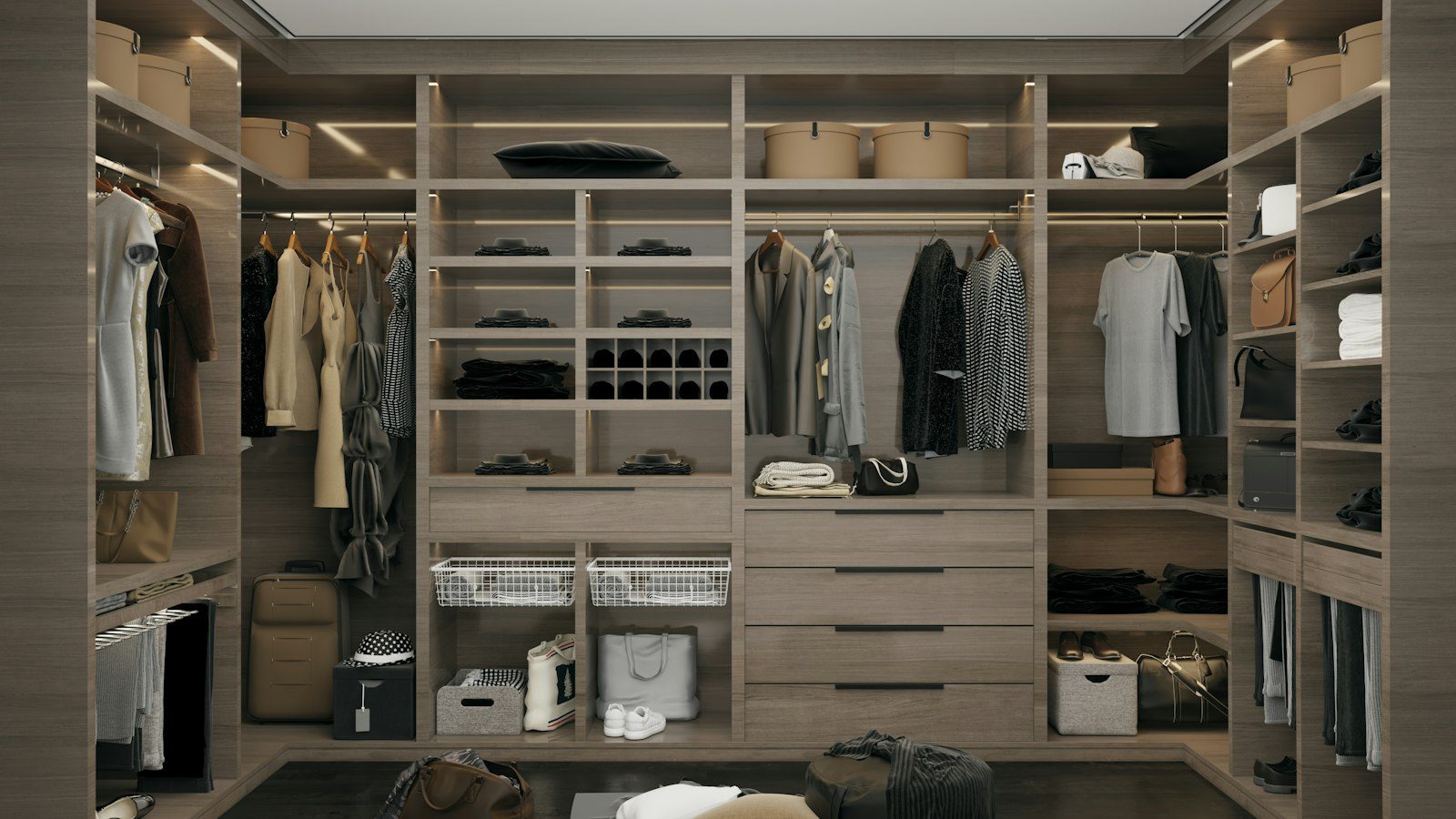
Learning how to build a capsule wardrobe for work is one of the most effective ways to simplify your mornings, reduce spending, and present a polished image in any American office. A capsule wardrobe is a small, curated collection of interchangeable pieces that combine into many outfits. Rather than owning a crowded closet with nothing to wear, you keep a focused set of work capsule wardrobe essentials that suit your role, climate, and personal style. This guide explains how to plan, select, and maintain one.
How to Build a Capsule Wardrobe for Work: Why It Works
Professional dress involves repeated decisions: what suits a client meeting, what works for a casual Friday, and what remains comfortable through a long day. A capsule approach reduces those decisions because every item coordinates with the others. It also encourages higher-quality purchases, since you are buying fewer pieces and expect them to be worn often.
The financial logic is straightforward. Calculating cost per wear, which divides the price of a garment by the number of times you wear it, shows that a well-made blazer worn eighty times is a better value than a trendy item worn twice. A capsule also lowers the time spent shopping, laundering, and organizing.
Step 1: Define Your Dress Code and Lifestyle
Begin by identifying the standard of dress your workplace expects. American offices range from formal business attire in finance and law to business casual in technology and creative fields. Consider the following questions before buying anything.
- How many days per week do you work in person?
- Do you meet clients, or do you mostly work with internal teams?
- What is your climate, and do you need seasonal layers?
- How do you commute, and does it affect the shoes or fabrics you choose?
Your answers determine the number of pieces you need. A five-day in-office schedule requires more variety than a hybrid arrangement, though a capsule of 25 to 35 items covers most professionals for a season.
Step 2: Choose a Cohesive Color Palette
Color is the foundation of versatile office outfits. Select two or three neutral base colors, such as navy, charcoal, black, camel, or white, then add one or two accent colors that flatter your complexion. Neutrals form the bulk of the wardrobe, and accents appear in tops, scarves, or accessories. Because every item shares the same palette, any top pairs with any bottom.

Step 3: Build the Core Pieces
Tops
Select five to eight tops, including button-down shirts, fine-knit sweaters, and simple blouses or fitted tees suitable for layering. Fabrics such as cotton, merino wool, and wrinkle-resistant blends hold up well through repeated wear.
Bottoms
Two or three pairs of trousers, one skirt or dress pants alternative, and a dark, well-fitted pair of trousers for casual days provide flexibility. Fit and tailoring matter more than quantity, so budget for alterations when needed.
Layers and Outerwear
A tailored blazer, a cardigan, and a versatile coat form the professional outer layer. A blazer instantly elevates simple pieces and works across seasons in most American climates.
Shoes and Accessories
Two or three pairs of shoes, such as leather loafers, comfortable flats or oxfords, and a polished boot, cover most occasions. Add a quality belt, a work bag, and a few understated accessories to complete the look.
Sample Capsule Wardrobe Checklist
| Category | Suggested Quantity | Examples | Priority |
|---|---|---|---|
| Tops | 6 to 8 | Button-downs, knits, shells | High |
| Bottoms | 3 to 4 | Trousers, skirt, tailored pants | High |
| Layers | 3 to 4 | Blazer, cardigan, vest | High |
| Dresses or suits | 1 to 2 | Sheath dress, matching suit | Medium |
| Outerwear | 1 to 2 | Trench, wool coat | Medium |
| Shoes | 2 to 3 | Loafers, flats, boots | High |
| Accessories | 3 to 5 | Belt, scarf, bag, watch | Low |
Key Takeaways for Building Your Capsule
- Start with what you own and identify gaps before purchasing anything new.
- Stick to a limited palette so that every item coordinates.
- Invest in fit through tailoring, since a well-fitted garment looks more polished.
- Buy for versatility by choosing pieces that can be worn at least three ways.
- Review each season and adjust layers rather than replacing everything.
Pros and Cons of a Capsule Wardrobe
Pros
- Faster mornings because outfits are easy to assemble.
- Lower long-term spending through fewer, better purchases.
- Less clutter and easier laundry and storage.
Cons
- The upfront cost of quality pieces can be higher.
- Limited quantity means more frequent repetition of items.
- Requires periodic review to keep the collection current and well-fitting.
Where to Shop for Work Essentials
If you are looking for a reliable option, you can try Nordstrom, which carries workwear across a wide range of sizes, price points, and brands, along with tailoring and alteration services in many locations. For better efficiency when assembling a capsule, consider exploring Nordstrom collections that group blazers, trousers, and knitwear by category and size. Reading the fabric and care details on the official Nordstrom website helps you judge durability before you buy, and shoppers seeking a single destination for shoes, tailoring, and accessories may find that Nordstrom streamlines the process.
How to Maintain and Refresh Your Capsule
A capsule wardrobe remains useful only if it is maintained. Follow care labels, rotate items to prevent excessive wear, and use quality hangers for blazers and coats. Steam or press garments before wearing them, and repair small issues such as loose buttons promptly. At the start of each season, review the collection, remove items that no longer fit or suit your role, and add only the pieces that fill a defined gap. This disciplined approach keeps the wardrobe practical instead of allowing it to expand into another crowded closet.
FAQ
Q1: How many pieces should a work capsule wardrobe include?
Most professionals find that 25 to 35 items, including shoes and outerwear, cover a season comfortably. The exact number depends on your dress code and how often you are in the office.
Q2: Can I build a capsule wardrobe on a budget?
Yes. Start with what you already own, buy one or two versatile pieces at a time, and prioritize items you will wear frequently, such as trousers, a blazer, and comfortable shoes.
Q3: What colors work best for a professional capsule?
Navy, charcoal, black, white, and camel are dependable neutrals. Add one or two accent colors that suit you so the wardrobe does not feel monotonous.
Q4: How often should I update my capsule wardrobe?
Review it at the start of each season. Replace worn items and add pieces only where you have identified a specific gap.
Conclusion: Start Your Capsule Wardrobe for Work Today
Knowing how to build a capsule wardrobe for work comes down to a few disciplined steps: define your dress code, select a cohesive palette, buy versatile core pieces, and maintain the collection each season. Begin by auditing your current closet and listing the gaps, then add pieces gradually with fit and quality in mind. The result is a practical, professional wardrobe that saves time, reduces spending, and keeps you confident from the first meeting to the last.







Leave feedback about this