

Choosing between a soft vs hard cooler for day trips is one of the most common decisions facing American families, anglers, tailgaters and beachgoers before a warm-weather outing. Both formats keep food and drinks cold, yet they behave very differently once they are loaded into a trunk, carried across a parking lot or left in the sun. This guide compares ice retention, weight, durability, capacity and price so that you can match the cooler to the way you actually travel. Throughout, we reference soft vs hard cooler trade-offs that matter most for outings lasting from a few hours to a full day.
How a Soft Cooler Works for Day Trips
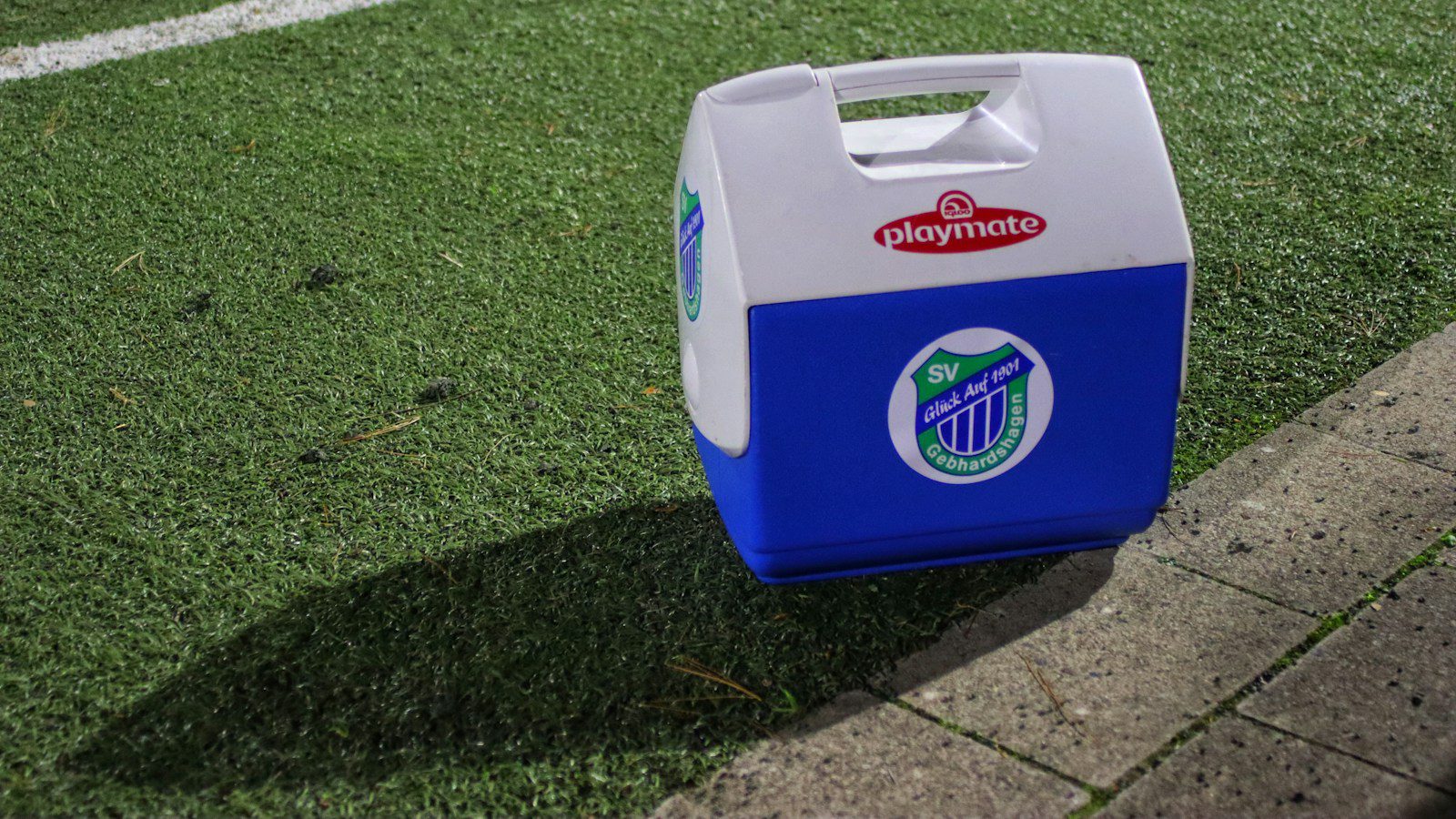
A soft cooler is built from a flexible fabric shell, typically a coated nylon or polyester, with closed-cell foam insulation sandwiched between the outer layer and a waterproof liner. Premium models use welded or high-frequency-fused seams and a pressure-resistant zipper to limit air and water transfer. Because the shell flexes, the cooler can be compressed, folded or hung on a shoulder, which makes it a convenient cooler for day trips where the walk from the car is long.
For example, if you are looking for a well-regarded soft option, you can explore yeti.com, where the soft-sided Hopper range is designed around leak resistance and durable fabric.
Strengths of a Soft-Sided Design
- Lightweight: an empty soft cooler is usually a fraction of the weight of a hard model, which reduces fatigue on long walks.
- Flexible storage: it can be tucked into a closet, a car footwell or a backpack-style carry when empty.
- Comfortable carrying: shoulder straps, grab handles and backpack harnesses are common.
How a Hard Cooler Performs on a Day Out
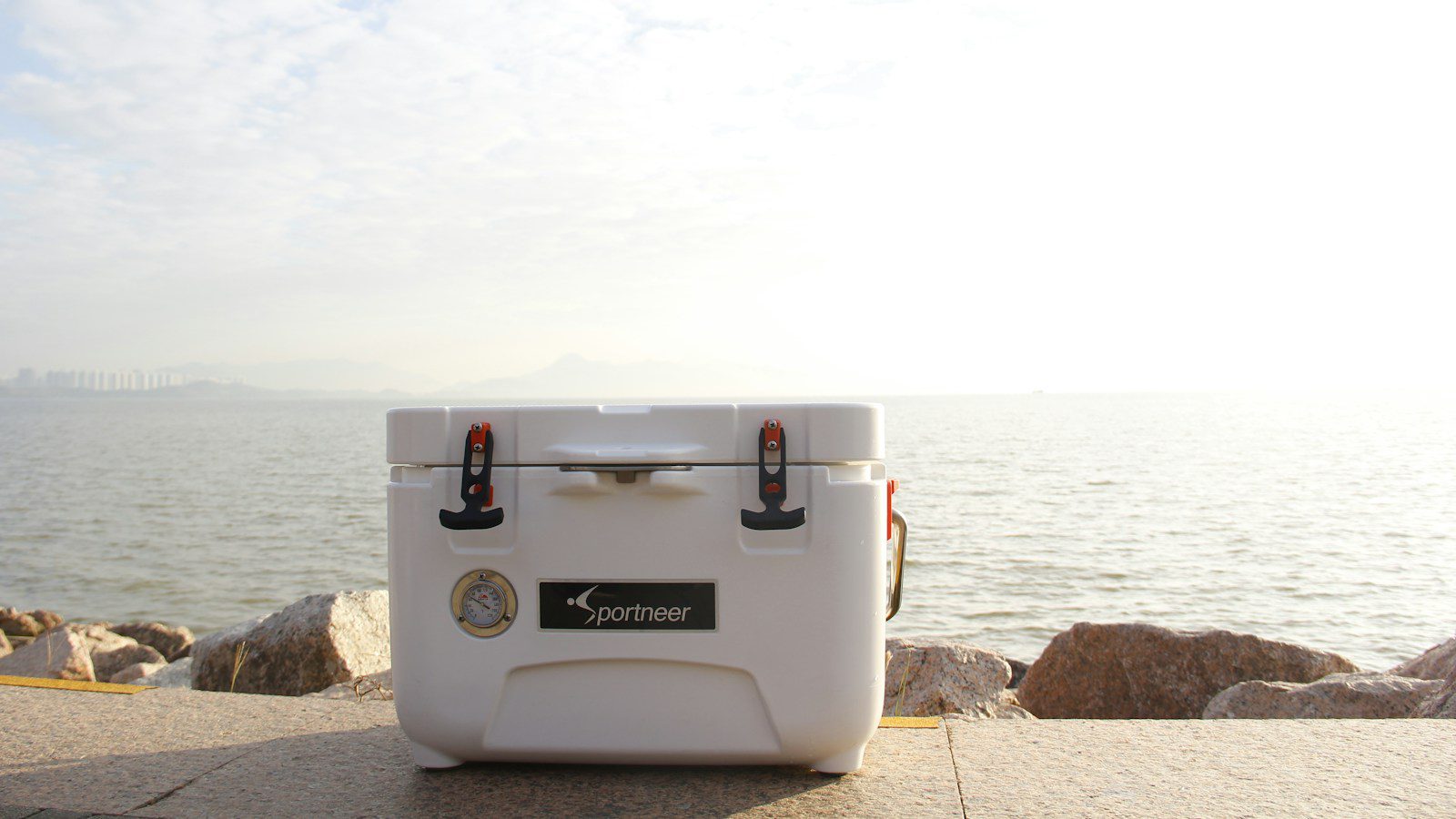
A hard cooler uses a rigid molded or rotomolded shell with thick insulation and a compression-style or latching lid. The structure resists crushing, so you can stack gear on top, sit on it and slide it in a truck bed. This is the format most people picture when comparing a hard cooler comparison against softer alternatives, because rigidity delivers the longest ice life and the best protection for fragile items such as drinks in glass bottles or delicate produce.
Strengths of a Rigid Design
- Superior ice retention: thicker insulation and a tighter lid seal typically keep contents cold far longer than fabric alternatives.
- Structural strength: the shell protects contents from impact and can double as a seat or a prep surface.
- Wildlife resistance: many rigid models can be fitted with lock points suitable for campgrounds.
Soft vs Hard Cooler: Side-by-Side Comparison
The table below summarises how the two formats compare for a typical portable cooler comparison aimed at a single day away from home. Figures are general guidance; always check the specifications of the individual product you are considering.
| Factor | Soft Cooler | Hard Cooler |
|---|---|---|
| Ice retention | Several hours up to about a day, depending on model | Often one to several days |
| Empty weight | Light | Moderate to heavy |
| Portability | Shoulder straps, backpack options | Handles, sometimes wheels |
| Durability | Resists abrasion, can puncture | Impact and crush resistant |
| Storage when empty | Folds or compresses | Fixed footprint |
| Typical price | Lower to premium | Mid-range to premium |
Ice Retention: Does a Day Trip Need a Hard Cooler?
For an outing of four to eight hours, ice retention is rarely the deciding factor, because even a well-built soft cooler will hold temperature through a typical afternoon when pre-chilled and packed correctly. The gap widens when ambient temperatures exceed 90°F (32°C), when the cooler sits in direct sun, or when you open it frequently. In those conditions a hard cooler’s thicker walls and gasketed lid provide a meaningful buffer.
Packing Tips That Improve Cooling in Either Format
- Pre-chill the cooler overnight with a sacrificial bag of ice.
- Use a 2:1 ratio of ice to contents where space allows.
- Pack drinks and food in layers, with the items you need last at the bottom.
- Keep the cooler in shade and the lid closed as much as possible.
Capacity, Weight and Portability for Day Trips
Capacity is often misunderstood. A cooler’s stated volume includes the space you will fill with ice, so a 20-quart model rarely holds 20 quarts of food. As a rough planning guide, a couple or a small group can manage with a compact soft cooler, while a family of four or more typically needs a mid-size hard cooler. Weight matters too: a fully loaded hard cooler can become difficult for one person to lift, so wheeled designs or shared carrying may be worth considering. Shoppers weighing durability and carrying comfort can review the range at YETI before deciding on a size.
Pros and Cons of Each Option
Soft Cooler
Pros: lightweight, easy to carry, compact to store, often more affordable.
Cons: shorter ice retention, less protection for fragile items, fabric can wear over time.
Hard Cooler
Pros: excellent insulation, rugged build, usable as a seat, long service life.
Cons: heavier, bulkier, higher upfront cost for premium models.
Which Should You Choose? A Practical Decision Guide
- Choose soft for beach walks, hikes, commuter lunches, picnics and kids’ sports where you carry the cooler yourself.
- Choose hard for tailgating, fishing, boating, long drives and any day when the cooler stays in the vehicle or on a campsite.
- Own both if you take frequent trips of varying length; a small soft cooler plus a mid-size hard cooler covers most scenarios.
When you are ready to compare specific models, YETI publishes capacity and construction details for both its soft and hard lines, which helps you confirm that a model fits your vehicle and your group size.
FAQ
Q1: Is a soft cooler good enough for a full-day trip?
Yes, in most conditions. A quality soft cooler that is pre-chilled and packed with enough ice can keep contents cold for a full day, provided it stays in the shade and is opened sparingly.
Q2: Do hard coolers really keep ice longer?
Generally they do, because thicker insulation and a compression gasket slow heat transfer. The difference is most noticeable on hot days or multi-day trips.
Q3: What size cooler do I need for a day trip?
Plan on roughly one quart of capacity per person for drinks and snacks plus space for ice. Many individuals find a 12 to 20 quart soft cooler sufficient, while families often prefer a 35 to 45 quart hard cooler.
Q4: How do I stop a soft cooler from leaking?
Choose a model with a welded liner and a sealing zipper, keep the zipper track clean, and avoid overfilling so the closure can seal fully.
Conclusion: Pick the Cooler That Matches Your Trip
The soft vs hard cooler for day trips decision comes down to how far you carry it, how long you need ice and how much gear you pack. Soft coolers win on portability and storage; hard coolers win on insulation and ruggedness. List your typical outings, estimate group size, and choose the format that removes the most friction. For a reliable place to compare both styles, consider exploring YETI and select the size that fits your next trip.





Leave feedback about this