

Learning how to coordinate home decor on a budget is less about spending money and more about making consistent choices. A room filled with expensive pieces can still feel scattered, while a modest room with a clear colour story, repeated materials and a few well-placed accents can feel designed. For American households watching their spending, coordination is the most affordable upgrade available, and it starts with a plan rather than a shopping trip.
Most decor mistakes come from buying items one at a time without a shared direction. A vase that looked perfect in the store ends up clashing with the cushions, and a bargain rug fights with the curtains. The result is clutter that costs money and still does not feel finished. Setting simple rules first keeps every later purchase working toward the same look.
This guide explains a six-step approach that covers budget home decor planning, choosing affordable room accents and assembling coordinated decorative accessories that look intentional. You can apply the steps to a single room or an entire home, and you can follow them gradually as your budget allows.
If you are working with limited square footage, begin by reading our guide to the best furniture for small spaces, because the size and layout of your larger pieces determine how much decor the room can comfortably hold. Getting the foundation right first prevents you from buying accents that simply crowd the space.
Why Coordination Beats Spending
Designers often rely on repetition. When the same colour, texture or shape appears several times in a room, the eye reads the space as cohesive. You do not need costly items to achieve that effect. Repeating a single metal finish, a handful of tones and two or three textures is enough to make inexpensive pieces look curated.
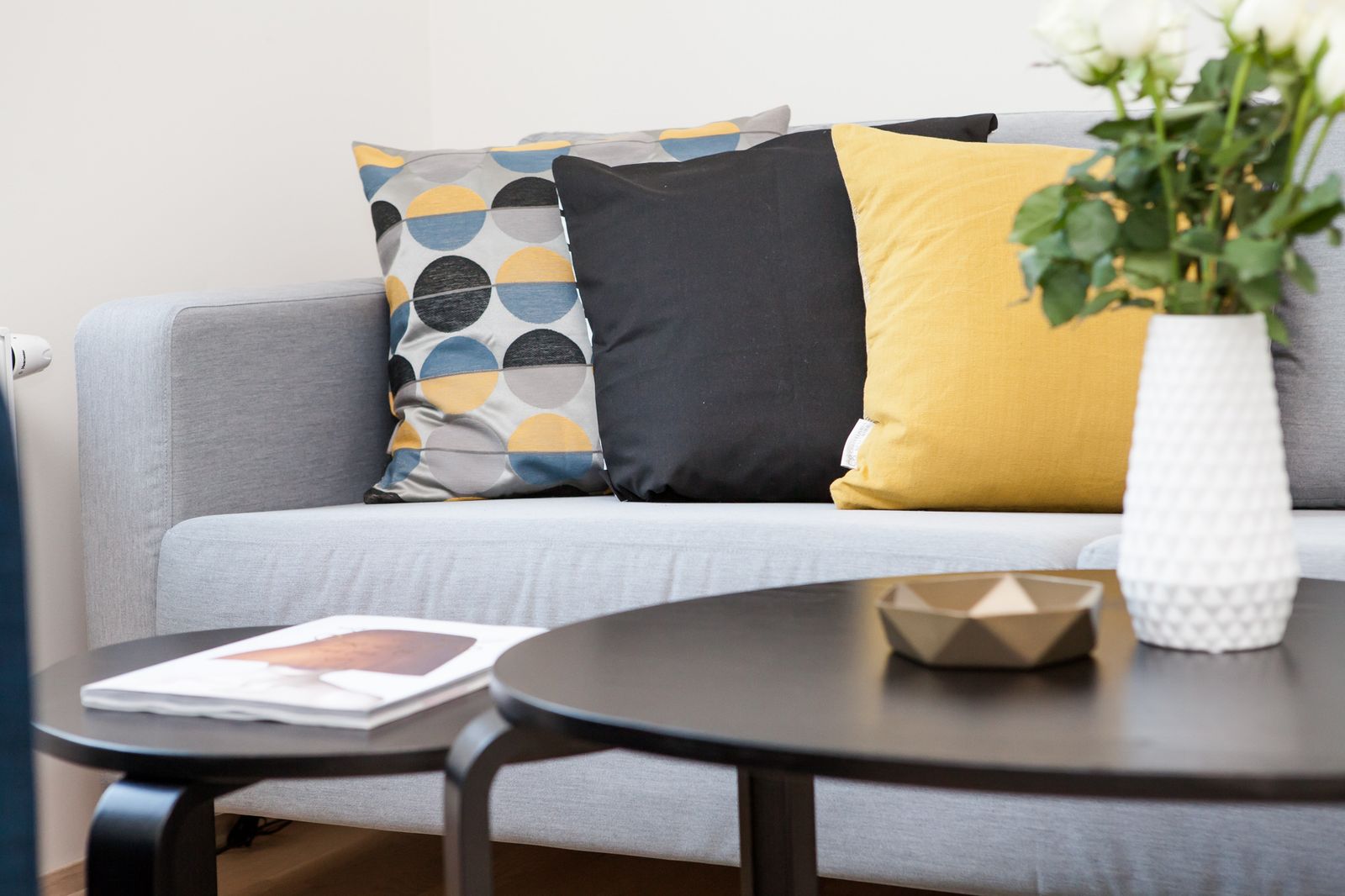
A useful guideline is to set a spending limit for each room before you shop and divide it into categories such as textiles, lighting, wall decor and accessories. Writing the numbers down keeps small purchases from adding up unnoticed. Many shoppers also reserve 10 to 15 percent of the budget for unexpected finds, which makes it easier to say yes to a great piece without breaking the plan.
Lighting also plays a larger role than most people expect. Warm bulbs make neutral palettes feel inviting, while harsh cool light can flatten even a carefully chosen scheme. Before spending on new decor, check that each room has layered light from lamps, overhead fixtures and, where possible, natural daylight, because good lighting makes every inexpensive accessory look better.
How to Coordinate Home Decor on a Budget in Six Steps
Step 1: Choose a Simple Colour Palette
Select three to four colours: a dominant neutral, a secondary tone and one or two accents. A common approach is to use roughly 60 percent of the dominant colour, 30 percent of the secondary and 10 percent of the accent. Pull inspiration from items you already own, such as a favourite rug or artwork, so you build on what exists rather than starting over.
Step 2: Take Stock Before You Shop
Walk through your home and gather decor you already own. Moving a lamp from the bedroom to the living room or reusing frames from a closet can refresh a space at no cost. This audit also shows you what is genuinely missing, which keeps your shopping list short and purposeful.
Many homeowners also combine buying with making. A little hands-on effort, such as repainting a table or hanging a shelf, stretches a budget further, and our beginner’s guide to DIY tools, materials and projects explains the basics you need to start safely and confidently.
Step 3: Layer Textures
Textures add richness that colour alone cannot. Combine soft textiles such as knit throws and cotton cushions with natural materials like wood, woven baskets and ceramics. Mixing three or four textures makes a room feel warm and layered, even when each item cost very little.
Step 4: Choose Affordable Room Accents Wisely
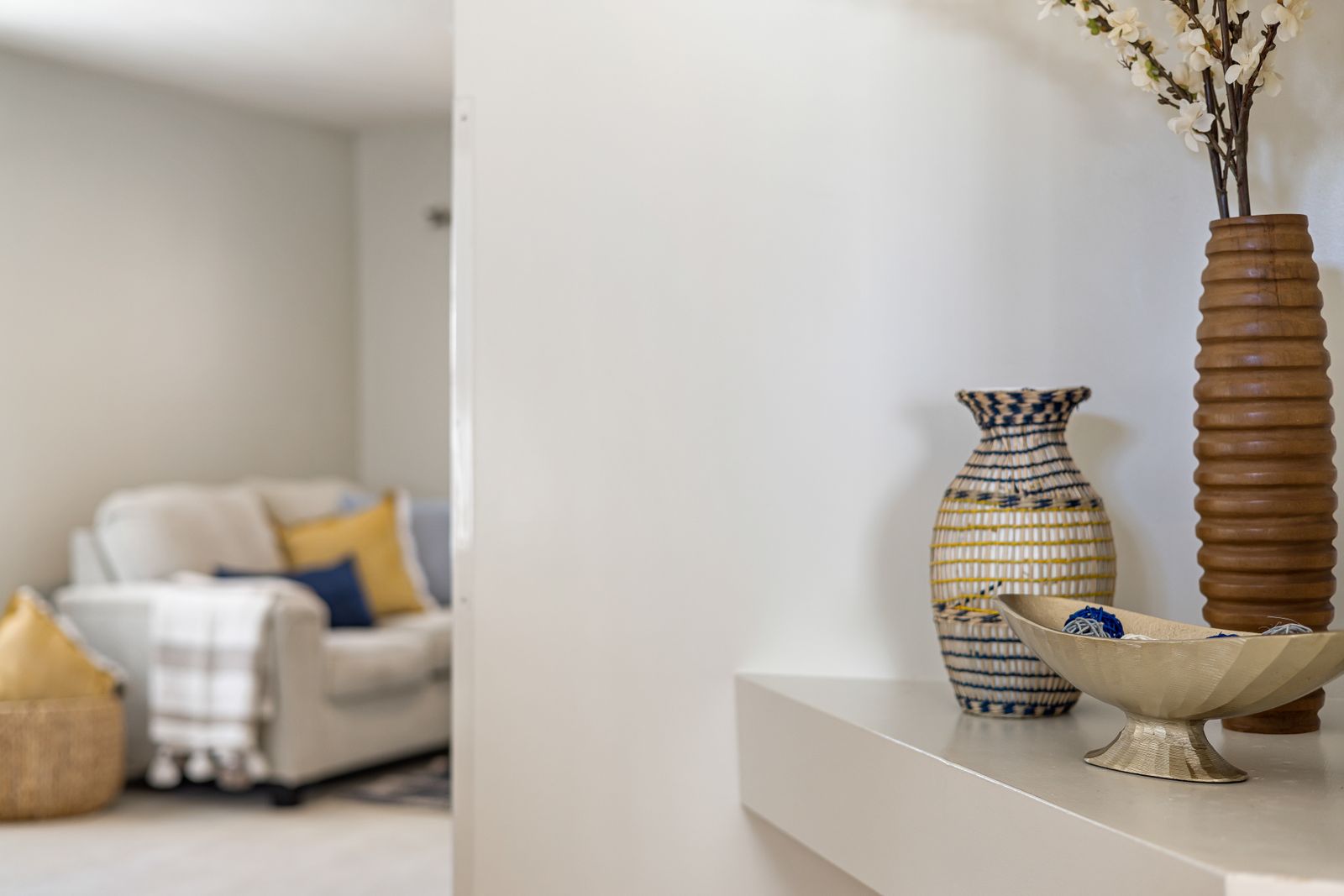
Accents are where bargains shine, because small items such as vases, candle holders, frames and trays are inexpensive and easy to swap. Retailers like Marshalls carry a wide mix of home accessories, which makes it simpler to find pieces that share a finish or colour. Buy in small groups that match your palette instead of single unrelated items.
Step 5: Group Items in Odd Numbers
Arrangements of three or five objects tend to look more natural than pairs. Vary heights, place the tallest item toward the back and leave breathing room around each group. A tray under a candle, a small plant and a book can transform a bare coffee table into a styled moment.
Step 6: Edit and Add Gradually
Live with the room for a couple of weeks before adding more. You will notice which areas feel empty and which feel crowded. Removing one item is as valuable as adding another, and gradual buying lets you take advantage of seasonal sales instead of paying full price in a rush.
Budget Allocation at a Glance
| Category | Suggested Share of Budget | Money-Saving Tip |
|---|---|---|
| Textiles | 30% | Choose washable covers and neutral bases |
| Lighting | 20% | Swap shades or bulbs before replacing lamps |
| Wall decor | 20% | Frame prints and photos you already own |
| Accessories | 20% | Buy in matching groups at off-price stores |
| Reserve | 10% | Keep for unexpected finds |
These percentages are a starting point rather than a rule, so adjust them to your room. A bedroom may need more for textiles, while a living room may justify more for lighting and wall decor.
Pros and Cons of a Budget Decor Approach
- Pros: lower spending, flexibility to change styles, less financial pressure, and more creative use of what you own.
- Cons: some inexpensive items wear faster, finding matching pieces takes patience, and impulse buying can erase the savings.
For shoppers who enjoy browsing in person, Marshalls can be a convenient place to compare vases, throws and frames side by side before you commit to a palette.
Key Takeaways
- Pick a limited palette and repeat it across the room.
- Audit your belongings first and reuse what already works.
- Layer textures and group accents in odd numbers.
- Set a per-room budget and keep a small reserve.
- Add pieces gradually and edit as you go.
FAQ
Q1: How do I start coordinating decor with no experience?
Begin with a three-colour palette drawn from something you already love, such as a rug or painting. Use it as a reference whenever you shop so every new piece fits the same story.
Q2: How much should I spend on decor for one room?
There is no single figure, because it depends on your income and goals. Set a room-specific limit, divide it into categories and keep a small reserve so you are not tempted to overspend.
Q3: What are the cheapest ways to refresh a room?
Rearranging furniture, swapping cushion covers, adding a plant, rehanging art and changing lamp shades all cost little and can noticeably change how a room feels.
Q4: How can I keep budget decor from looking cluttered?
Limit accents to a few well-chosen groups, leave empty space around them and remove anything that does not match your palette or serve a purpose.
Conclusion
Knowing how to coordinate home decor on a budget turns decorating into a series of small, confident decisions. Start with a palette, use what you own, layer textures and add accents slowly, and the room will look more expensive than the total you spent. A tidy space also shows off your decor best, and a low-effort helper such as a robot vacuum that handles pet hair can keep floors and soft furnishings looking fresh between deeper cleans. When you are ready to shop for accessories, Marshalls is a sensible place to start.







Leave feedback about this