

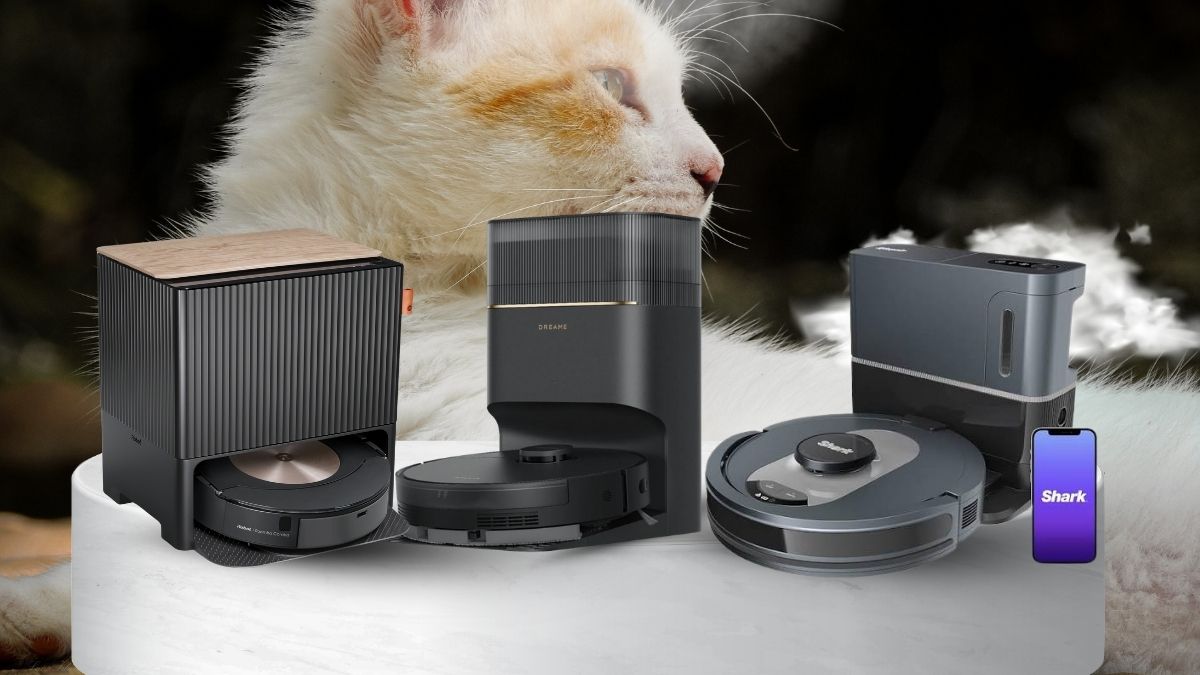
If you own a dog or cat, you already know the routine. You vacuum. The floor looks clean for maybe four hours. You walk back in, and somehow there’s a fresh layer of fur everywhere. Under the couch. Along the baseboards. On the rug you just cleaned. It’s not a cleanliness problem. It’s a physics problem.
Hair falls continuously, and no single cleaning session fixes that. That’s the actual case for a robot vacuum for pet hair: not that it cleans better than what you already own, but that it runs every day without you having to think about it.
Daily maintenance beats a weekly deep clean almost whenever you’re dealing with a shedding animal. But not every robot vacuum is actually built for the job. Some tangle up immediately on long fur. Some spread hair instead of collecting it.
And some are genuinely excellent but cost more than most people want to spend on something that cleans their floor while they’re at work. Here’s an honest breakdown of what works, what doesn’t, and whether a robot vacuum actually earns its place in a pet household in 2026.
Why Pet Hair Is a Harder Problem Than It Looks
Pet hair isn’t just small debris. It’s longer than dust, finer than most particles, and almost magnetically attracted to fabric and brush rolls. A standard robot vacuum designed for a pet-free home will often drag hair across a hard floor rather than suction it up, or wrap it so tightly around the brush roll that the vacuum stops mid-clean and waits for you to come cut it out.
Pet hair can easily get wrapped around brush rollers, reducing the vacuum’s effectiveness and requiring frequent maintenance. Another major challenge is effective pickup on carpets, where hair becomes embedded in fibers that resist easy removal.
This is why robot vacuum pet hair tangle is one of the most common complaints in user reviews, and why brush design matters more than raw suction power for pet owners specifically. Two things a pet-specific robot vacuum actually needs:
- Rubber brush rolls instead of bristle brushes. Rubber doesn’t grab hair the way bristles do, which means far less tangling and fewer manual interventions.
- Strong suction with carpet boost mode. Hair embedded in carpet fibers doesn’t lift easily. Turbo or max modes make a measurable difference on pile carpets.
The Best Robot Vacuums for Pet Hair in 2026
If you’re tired of constantly sweeping up pet hair, the right robot vacuum can make daily cleaning much easier. Here are the best robot vacuums for pet hair in 2026, selected for their cleaning performance, smart features, and value.
Roborock Saros 20: Best Overall
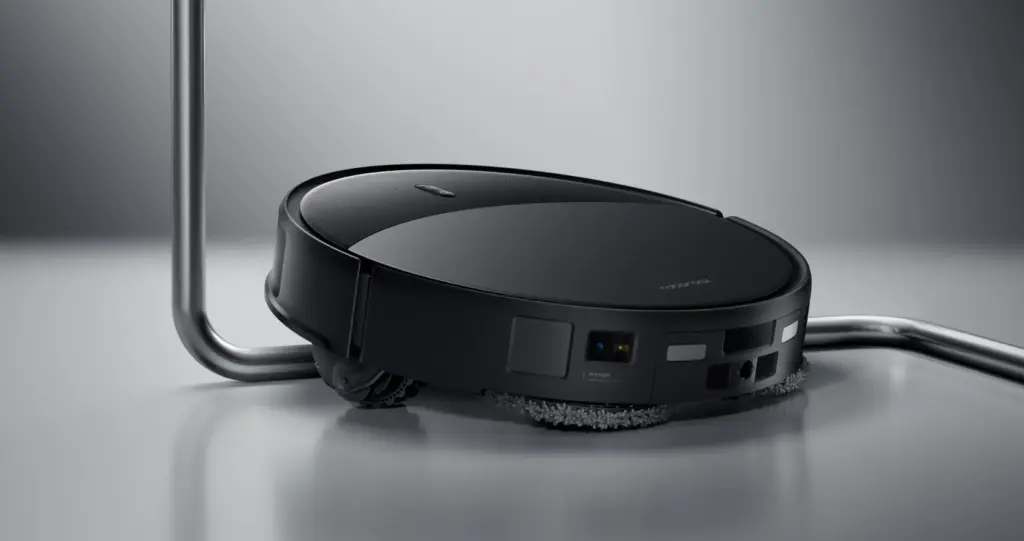
The Roborock Saros 20 is the top-tested robot vacuum for pet hair in 2026, with 36,000 Pa suction (the highest available in the consumer market as of mid-2026), a fully anti-tangle dual rubber brush, and a self-emptying dock that operates almost entirely without you. For a household with a heavy-shedding dog where you want true hands-off daily maintenance, this is the clearest recommendation.
One honest caveat: schedule the dock’s auto-empty cycle during daytime hours. It runs at 70 to 75 dB, loud enough to wake light sleepers and startle noise-anxious pets.
Dreame L40 Ultra Gen 2: Best for Heavy-Shedding Breeds
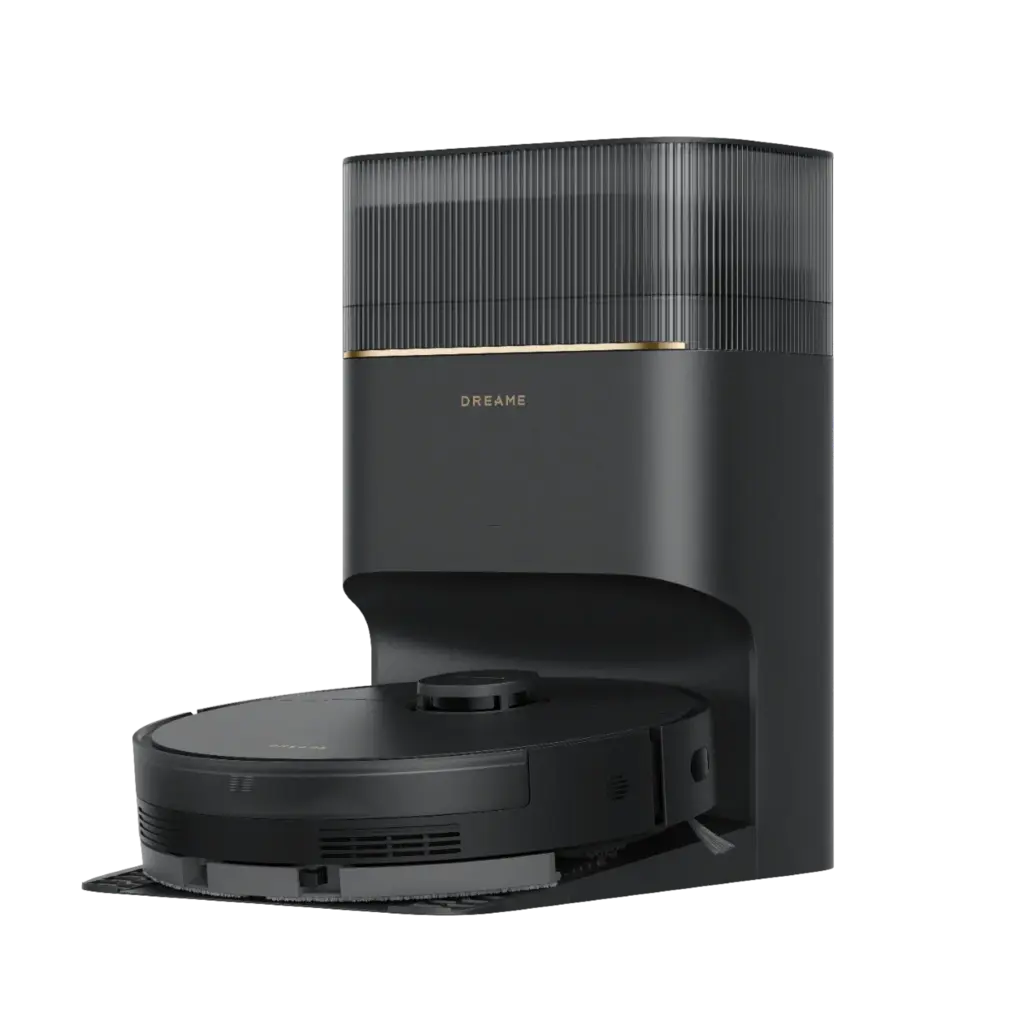
The Dreame L40 Ultra Gen 2 uses a TriCut brush system that cuts hair before it can accumulate on the brush roll. That’s a fundamentally different approach from standard rubber brushes and genuinely effective for breeds that shed in clumps rather than individual strands.
Independent testing found it superb at picking up pet hair from both carpets and hard floors, and notably effective at mopping up dried stains, which is an area most robot vacuum mop combos struggle with.
iRobot Roomba Combo j9+: Best for Homes with Accidents
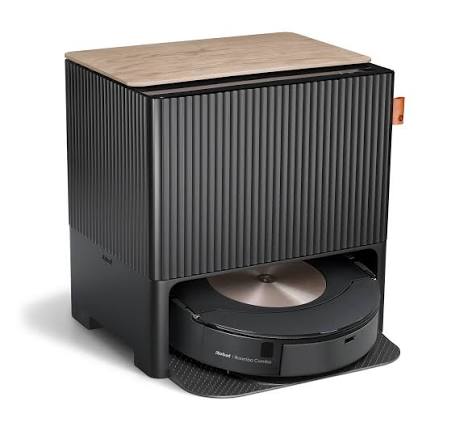
For the specific combination of reliable pet hair pickup and genuine pet waste avoidance, the j9+ remains the most dependable option across independent testing. Non-tangle rubber brush rolls handle the hair. PrecisionVision Navigation handles the obstacle avoidance.
It won’t catch every accident in every lighting condition, but it’s the closest the category gets to a reliable solution for that problem.
Shark AI Ultra: Best Mid-Range Pick
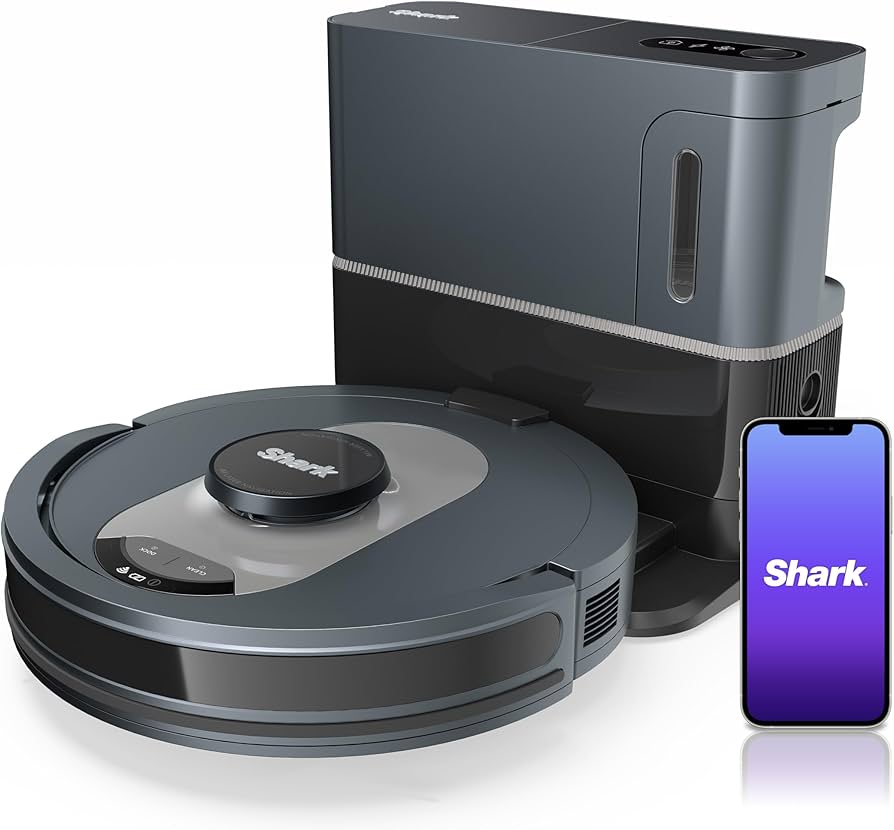
For pet owners who want strong daily pet hair maintenance without flagship pricing, the Shark AI Ultra covers the core requirements: rubber brush roll, self-emptying base, and solid navigation at a meaningfully lower price than the Roborock or Dreame options.
It won’t match the Saros 20 on raw suction, but for a single-dog household with short to medium fur on mixed flooring, it handles the daily maintenance job without the premium investment.
Also Read : Best Mattresses for Back Pain Relief In 2026
Robot Vacuum vs Upright for Pet Hair: The Real Comparison
Both vacuum types have their strengths, but the right choice depends on your cleaning routine. Here’s how robot vacuums and upright vacuums compare when it comes to tackling pet hair.
| Feature | Robot Vacuum | Upright Vacuum |
| Cleaning Power | Good for everyday cleaning but less powerful. | Delivers stronger suction for deep cleaning. |
| Pet Hair Removal | Picks up daily shedding from hard floors and low-pile carpets. | Removes embedded pet hair from carpets, rugs, upholstery, and stairs more effectively. |
| Best Use | Daily maintenance to prevent hair buildup. | Weekly deep cleaning and tackling heavy messes. |
| Convenience | Cleans automatically on a schedule with minimal effort. | Requires manual operation but offers greater control. |
| Dust Bin Capacity | Smaller bin that needs frequent emptying in pet homes. | Larger dust bin for extended cleaning sessions. |
| Furniture & Stairs | Limited performance on furniture, stairs, and upholstery. | Excellent for furniture, stairs, upholstery, and corners. |
| Ideal For | Busy pet owners who want consistent daily cleaning. | Homes needing powerful, thorough cleaning. |
| Overall Recommendation | Best as a companion to a traditional vacuum. | Best standalone choice if you can only buy one. |
What Actually Matters When Buying a Robot Vacuum for Pet Hair
Not all robot vacuums handle pet hair equally well. Before buying one, consider the features that have the biggest impact on cleaning performance, convenience, and long-term reliability.
Brush Roll Design
This is the single most important spec for pet owners and the one least prominently displayed on most product pages.
Rubber brush rolls are the standard for any best robot vacuum for shedding dogs recommendation in 2026. They flex rather than grab, which is why hair releases instead of wrapping. Bristle brushes are acceptable for short-haired, light shedders but become a maintenance burden for anyone with a Husky, Golden Retriever, or long-haired cat.
If you choose a bristle brush model for a long-haired breed, you’ll spend more time cutting hair off the brush than the robot saves you. This is the most common complaint in reviews from Husky and Golden Retriever owners, and it’s completely avoidable by checking the brush spec before buying.
Self-Emptying Base
In a heavy-shedding household, a robot vacuum without a self-emptying base fills up before it finishes a single room. You come home to a half-cleaned floor and a full bin.
Without a self-emptying base, daily manual emptying becomes the norm, often mid-clean when the bin fills before the vacuum finishes a room. A self-emptying dock extends hands-free operation to 30 to 60 days even with daily runs, which is the difference between a tool that saves you work and one that creates it.
Obstacle Avoidance
If your dog has accidents on the floor, obstacle avoidance goes from a nice-to-have to a hard requirement. A robot vacuum that rolls through a mess spreads it across every room it visits. Once is enough to make obstacle avoidance a non-negotiable spec for the next purchase.
The iRobot Roomba Combo j9+ uses PrecisionVision Navigation specifically trained on pet waste, cables, socks, and pet toys. It’s the most battle-tested option for this specific scenario.
Also Read: 5 Best AI-Powered Smart Sound Machine Alarm Clocks for Better Sleep
The Honest Verdict
A robot vacuum for pet hair is absolutely worth it with one condition: you need to buy the right one for your specific situation, not just the cheapest robot vacuum available. The biggest mistakes pet owners make:
- Buying a bristle brush model for a long-haired breed
- Skipping the self-emptying base and underestimating how fast the bin fills
- Expecting it to replace an upright vacuum entirely instead of complementing it
If you buy a rubber brush model with a self-emptying dock and run it daily, your floors will look noticeably cleaner between deep cleans. The best robot vacuum for shedding dogs isn’t a luxury purchase for a pet household. After one shedding season, it starts to feel like a necessity.
What it won’t do is vacuum your couch, clean your stairs, or fully replace the upright for embedded carpet fur during heavy shedding seasons. Keep both. Run the robot daily. Use the upright when the deep clean is overdue. That combination does what no single tool can do alone: it keeps up with a pet.






Leave feedback about this