


Wearable tech has quietly stopped being just about counting steps or checking texts on your wrist. Somewhere in the last couple of years, the whole category split into something bigger: devices built to blur the line between the physical world you’re standing in and the digital layer sitting right on top of it.
Glasses that overlay information onto your vision. Suits that let you actually feel a virtual world. Rings that read gestures out of thin air. Welcome to the messy, genuinely exciting middle of the metaverse hardware race. Here’s a real look at what’s actually worth paying attention to right now, not just what’s getting hyped on social media or in flashy CES press releases.
Why Is “Meta Wearables” Suddenly Everywhere?
More Than Just Headsets
“Meta wearables” now refers to devices that connect users to immersive, spatial, or AI-powered experiences. That includes glasses, gloves, suits, and rings that can work together as a connected ecosystem.
Enterprise Adoption Is Driving Innovation
Businesses are using these devices for training, remote collaboration, and virtual walkthroughs. This demand is helping bring better optics, lighter designs, and smarter software to consumer wearables.
Better Batteries and Smarter Chips
Improved battery efficiency and chip design are also making lighter wearables more practical for all-day use, turning what was once mostly a marketing claim into a more realistic possibility.
Headsets Still Anchor the Experience
Meta Quest Remains the Main Entry Point
Meta Quest 3S remains a popular starting point because it’s affordable and works as a standalone device. The Quest 3 offers sharper optics and more processing power for users who spend more time gaming or in social VR.
Premium XR Is Expanding
At the premium end, Apple Vision Pro M5 focuses on AR and VR experiences designed around spatial computing and everyday workflows. Samsung is also entering the XR space with hardware aimed at broader everyday use.
Wireless Freedom Matters
For social VR platforms like Horizon Worlds and VRChat, wireless freedom can make a noticeable difference. Being untethered moves feel more natural, even if it means charging the headset more frequently.
Top Metaverse Glasses 2026: The Face Is the New Frontier
Smart Glasses Are Becoming Mainstream
Smart glasses have moved beyond novelty products and are quickly becoming a serious wearable category. The latest models combine cameras, microphones, AI assistants, and displays while keeping the hardware relatively lightweight.
Ray-Ban Meta Keeps Things Discreet
Ray-Ban Meta shows how easily smart technology can blend into everyday eyewear. Its newer models improve camera quality and battery life while adding AI-powered features, without putting a visible display in front of your eyes.
Display Glasses Take Things Further
For users who want actual AR visuals, Meta’s display-equipped glasses offer a more advanced experience with a wristband for input control. Rokid, Xreal, and Even Realities are also developing lightweight glasses with displays and more subtle notifications.
Choosing the Right Metaverse Glasses
The biggest choice is whether you want discreet everyday glasses or an actual AR display. For now, most products prioritize one approach, although manufacturers are clearly working toward combining both.
Haptic Suits Metaverse Integration: Making Virtual Worlds Feel Real

What Haptic Suits Actually Do
Visuals and sound can make VR immersive, but haptic technology adds physical feedback. Haptic suits allow users to feel impacts, vibrations, and contact within virtual environments.
bHaptics Leads the Category
bHaptics is one of the better-known names in this space, with support across hundreds of VR experiences. Its TactSuit Pro uses 32 individually controlled haptic points, while the X40 increases that to 40 motors for more detailed feedback.
Are Haptic Suits Worth It?
Haptic suits can make VR shooters and social experiences considerably more immersive, but they aren’t the most convenient accessories. They can feel warm during longer sessions and usually require additional setup before use.
Smart Rings for Augmented Reality 2026
Rings Become an Input Device
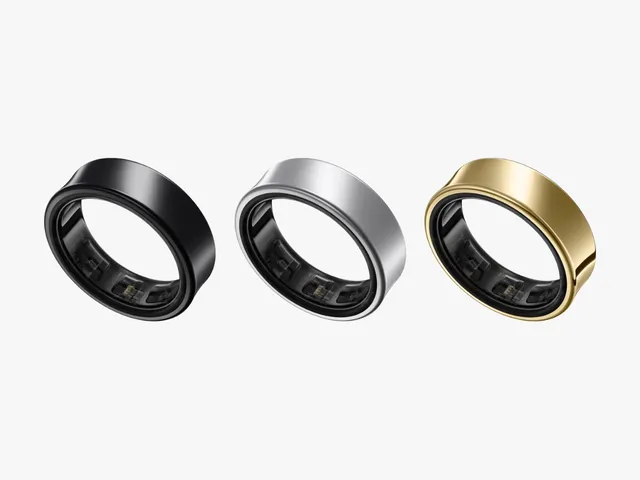
Smart rings are emerging as a practical way to control AR glasses and headsets. Instead of relying on touchscreens or awkward hand gestures, users can perform simple movements such as pinching, tapping, or scrolling to interact with digital content.
Neural Input Could Change AR Control
Meta’s Neural Band, designed to work with its display-equipped glasses, highlights where wearable controls may be heading. Rather than functioning as another standalone gadget, these devices could become the missing input layer between users and their AR glasses.
AI Wearable Devices 2026: The Brains Behind the Hardware
AI Is Becoming Standard
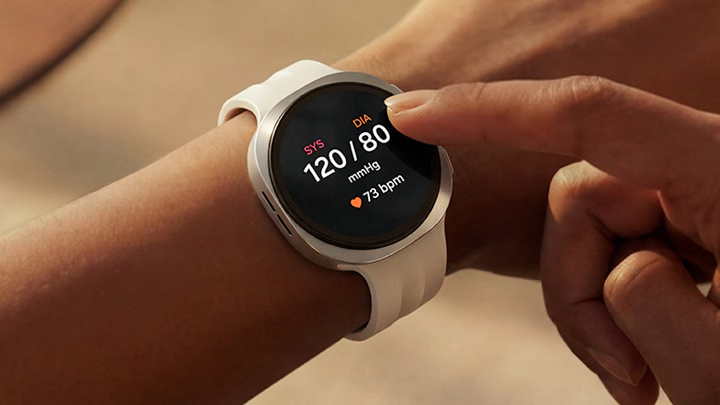
AI is increasingly built into wearable hardware rather than treated as an optional feature. Smart glasses can answer questions hands-free, headsets can optimize experiences based on user behavior, and fitness devices can interpret data instead of simply displaying metrics.
AI Connects the Wearable Ecosystem
The bigger shift is happening across the entire ecosystem. AI can help manage battery use, process sensor data, respond to voice commands, and coordinate different devices, making wearables feel more like connected assistants than individual gadgets.
CES 2026 Shows Where Wearables Are Heading
CES 2026 highlighted how closely AI, AR, and wearable technology are becoming connected. AI-powered fitness devices appeared alongside next-generation AR hardware, reinforcing the idea that intelligent software is becoming a baseline feature across the wearable market.
Comparing the Categories at a Glance
| Device Type | What It Adds | Best For |
| VR/MR Headsets | Fully immersive visuals and tracking | Gaming, social VR, enterprise training |
| Smart Glasses | Lightweight AR overlays, hands-free info | Everyday use, navigation, quick notifications |
| Haptic Suits | Physical feedback from virtual contact | Serious VR gamers wanting deeper immersion |
| Gesture Rings | Hands-free control input | Pairing with AR glasses or headsets |
| AI-Driven Wearables | Context-aware assistance | Anyone wanting less screen-tapping, more automation |
Thinking About Price Tiers
It’s worth being upfront about cost, because this ecosystem spans a huge range. Entry-level headsets and basic smart glasses sit at a fairly approachable price point, while haptic suits, premium AR glasses with built-in displays, and top-tier headsets can quickly climb into serious enthusiast territory. If you’re building a setup piece by piece, it’s smart to start with whichever device solves an actual problem for you, rather than chasing the most feature-packed option available.
What to Actually Consider Before Buying In
- Start with your actual use case. Gaming, work, fitness, and casual everyday wear all point toward pretty different devices.
- Check the ecosystem, not just the hardware. Glasses, rings, and suits tend to work best when paired within the same platform.
- Weigh comfort against capability. More features usually means more weight, more heat, or more setup time; there’s rarely a free lunch here.
- Look at battery life realistically. Some premium headsets still cap out around a couple of hours of active use, which catches people off guard.
- Don’t ignore price creep. Between the headset, the glasses, and any haptic add-ons, this whole ecosystem adds up faster than you’d expect.
FAQs
1. What are Meta wearables?
Meta wearables are connected devices designed to enhance digital, AI, AR, or VR experiences. They can include smart glasses, VR headsets, haptic suits, gesture-control rings, and other wearable devices.
2. What are the best Meta wearables in 2026?
The best option depends on your needs. VR headsets are ideal for immersive gaming and social VR, while smart glasses are better for everyday use. Haptic suits add physical feedback, and gesture-control devices can provide hands-free interaction.
3. Are Meta wearables worth buying in 2026?
They can be worth buying if you have a specific use case. Smart glasses and standalone VR headsets are among the more practical options, while haptic suits and advanced AR devices are better suited to enthusiasts.
4. What should I consider before buying a Meta wearable?
Consider compatibility, comfort, battery life, available software, and total cost. It’s also important to check whether the device works with the other hardware you already own.
5. Will Meta wearables replace smartphones?
Probably not in the immediate future. However, AI glasses and other wearable devices could handle more everyday tasks such as notifications, voice searches, navigation, and quick information access, reducing how often users need to reach for their phones.
Final Thoughts
We’re clearly past the point where the metaverse was just a buzzword with nothing real behind it. Actual hardware, real enterprise money, and genuine everyday use cases are converging fast, even if the category is still working out the kinks on things like battery life and pricing.
If you’re trying to build toward this future without overspending, start with one category, glasses or a headset, and build outward from there instead of buying into the whole ecosystem at once.
The best Meta wearables 2026 has produced aren’t necessarily the most expensive ones. They’re the ones that actually fit into how you already live and work, quietly disappearing into your routine rather than demanding you rearrange your life around them.







Leave feedback about this