

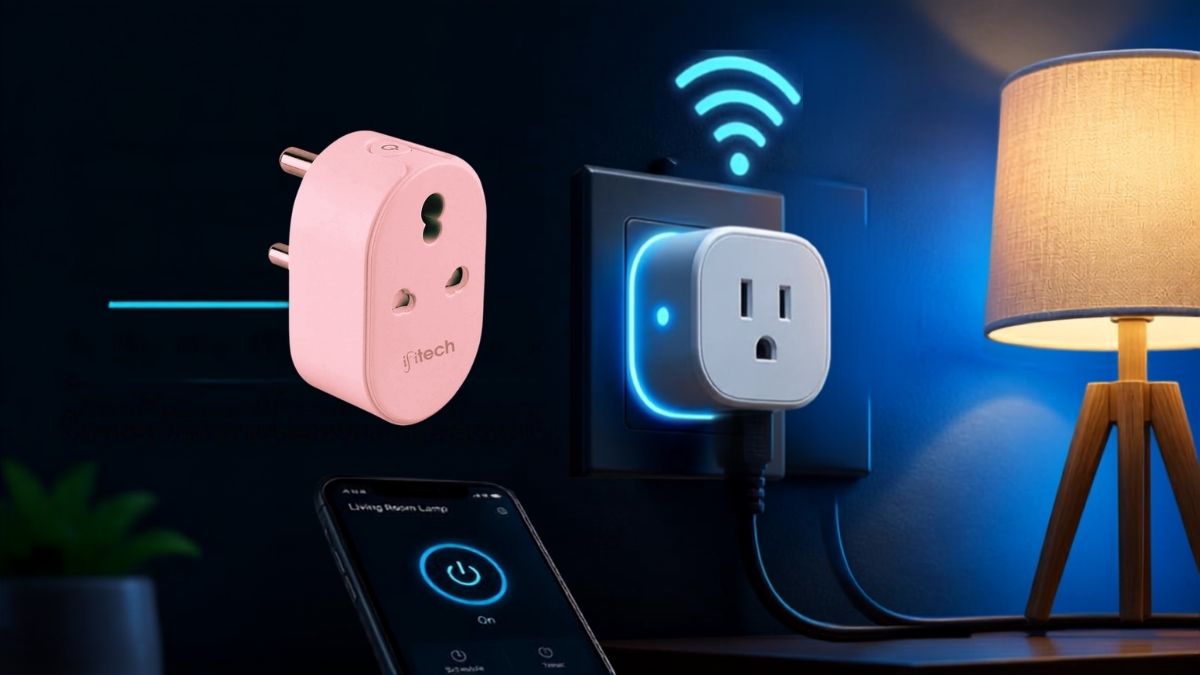
Smart plugs are honestly the cheapest, easiest entry point into home automation. No electrician, no messing with wiring behind the wall, just plug it in, connect it to an app, and suddenly your lamp, your coffee maker, or your holiday lights can be scheduled, voice-controlled, or looped into the rest of your smart home setup. If you’re starting from scratch, this list of the top 10 smart plugs for home automation should give you a solid, well-tested shortlist to work from instead of guessing.
What to Look For Before You Buy
A few things actually matter more than the marketing copy on the box:
- Compatibility: Does it play nice with the voice assistant and app you already use every day?
- Matter support: A smart plug Matter compatible with your setup means it’ll work across Alexa, Google Home, Apple Home, and SmartThings without needing a separate bridge for each one.
- Indoor vs. outdoor rating: Outdoor plugs need real weatherproofing; look for at least an IP44 rating.
- Energy monitoring: Not essential, but genuinely handy if you want to know what’s quietly running up your bill.
- Hub requirements: Some plugs need an extra bridge or hub sitting in the background; others just don’t.
With that out of the way, here are ten picks worth your money.
1. TP-Link Kasa KP125M
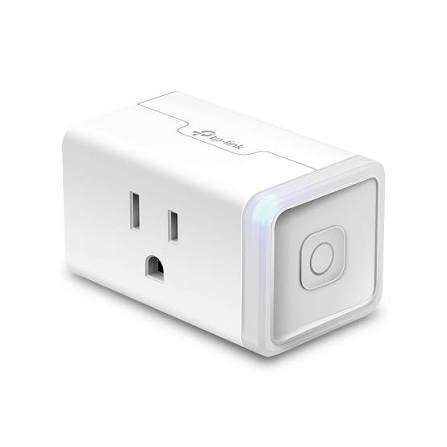
This one keeps showing up at the top of basically every roundup right now, and it earns the spot. In extended testing, it connected to Apple HomeKit, Alexa, and Google Home all at once within minutes of unboxing, and ran through 90 days without a single dropped connection. It also comes with energy monitoring, which more than a few testers said was surprisingly useful for catching devices that quietly draw power around the clock.
Best for: Anyone who just wants one plug that gets along with every ecosystem.
2. Eve Energy
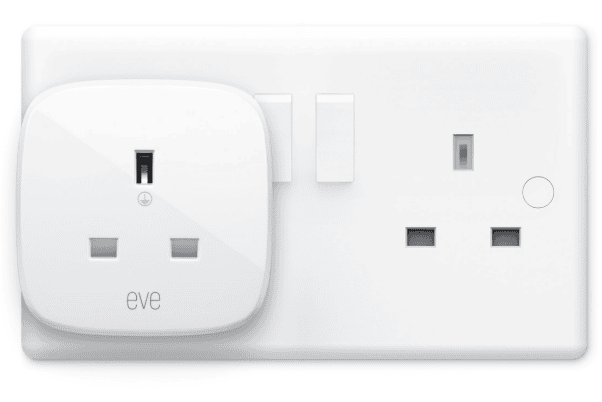
If privacy is what you care about most, this is the plug people keep pointing to. It runs on Matter over Thread with no registration required, which makes it one of the more private options you’ll find on shelves. The catch is it needs a Thread border router to actually work, so you’ll want an Apple TV 4K, HomePod mini, or similar hub already in place.
Best for: Privacy-minded households already living in the Apple ecosystem.
3. TP-Link Tapo P125M
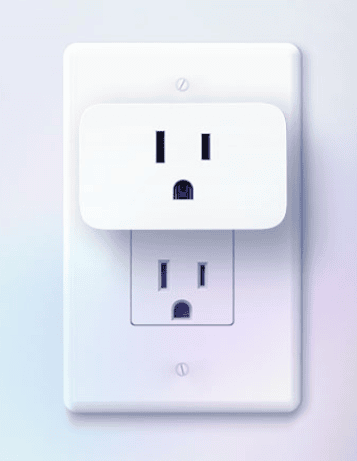
Think of this as Kasa’s more budget-friendly sibling. It still carries full Matter certification and cross-platform support, so you’re not really giving anything up by going cheaper here, and you skip the extra HomeKit bridge hardware some competitors demand.
Best for: Indoor use when you’re watching your budget.
4. TP-Link Tapo P400M (Outdoor)
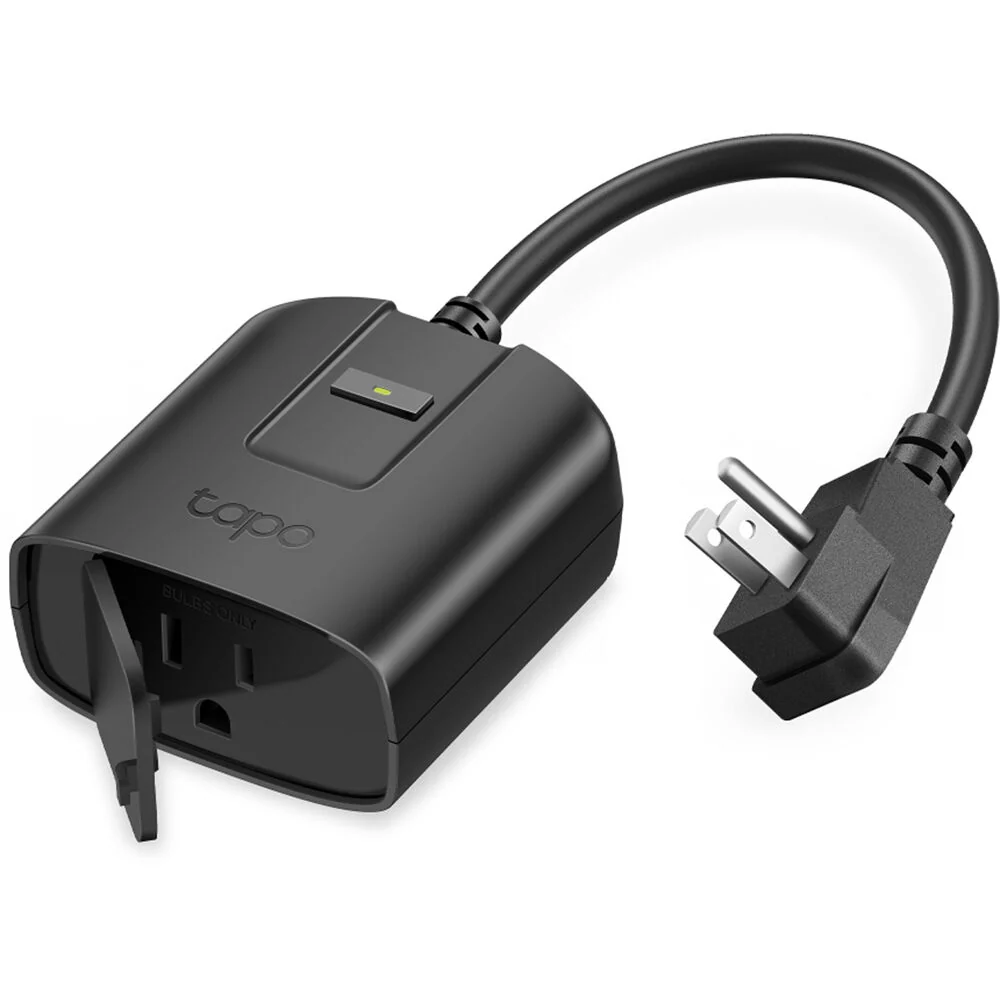
After testing this thing across two different climates, it kept coming out on top for outdoor use, combining Matter certification with IP65 weatherproofing and two independently controlled outlets. It’s routinely called out as both a top performer and one of the cheapest options in its category, sometimes sold under a different name depending on the retailer.
Best for: Holiday lighting, patio setups, backyard entertaining.
5. Leviton Decora Smart Wi-Fi Plug-In Switch (D215P)
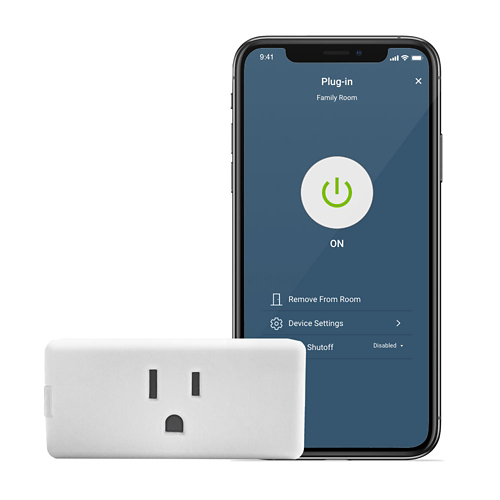
Nothing flashy here, and that’s kind of the point. It supports Alexa, Google Assistant, HomeKit, and Matter, and it’s genuinely one of the easiest, most beginner-friendly plugs to set up if this is your first time dipping into home automation.
Best for: First-timers who just want something that works without a learning curve.
6. Lutron Caséta Smart Plug
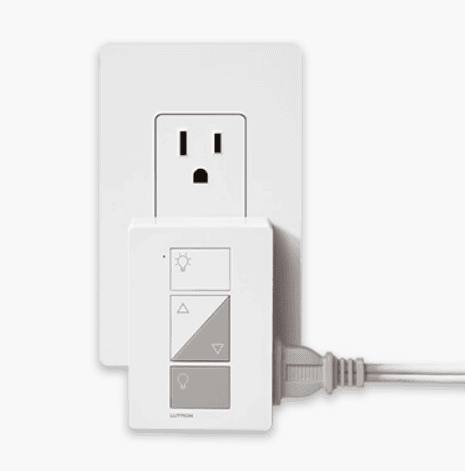
Lutron has built a loyal little fanbase, mostly among people who already own Caséta smart lighting. It works with Alexa, Google Assistant, and HomeKit, and it even comes with a physical remote, though you will need its own bridge for full smartphone control, and it only handles two-prong devices.
Best for: Anyone already invested in the Lutron ecosystem.
7. Meross Smart Plug
Meross has quietly become a favorite among HomeKit users, mainly because it connects straight into Apple Home without needing a separate app at all. That alone simplifies things a lot if Siri and HomeKit run your household. If you’re specifically hunting for a solid HomeKit smart plug without extra bridging hardware getting in the way, this is one of the more straightforward picks out there.
Best for: Apple-heavy smart homes that want minimal setup hassle.
8. Minoston MP22M (Outdoor)
This outdoor plug earns its spot mostly on Matter compatibility, offering strong interoperability across ecosystems including Apple Home. It’s a solid alternative if you want the reliability of the Tapo outdoor line but prefer a different brand.
Best for: Budget-friendly outdoor Matter setups.
9. Amazon Smart Plug
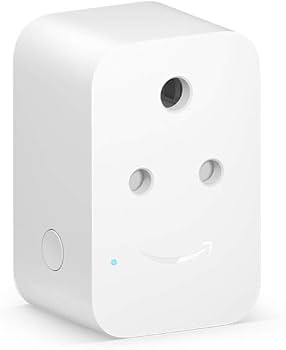
No frills, no surprises. It’s been around for years and remains a dependable choice if Alexa is already your go-to assistant. It won’t wow you with features, but it also rarely gives people connectivity headaches, which honestly counts for a lot.
Best for: Alexa households that just want the simplest setup possible.
10. Emerson SmartVoice Plug
This one’s genuinely different from everything else on this list. No app, no Wi-Fi requirement, and no cloud voice processing whatsoever. It’s a niche pick, sure, but for anyone who’s a little uneasy about sending data to the cloud just to switch on a lamp, it proves a more private option actually exists.
Best for: Privacy-first users who still want voice control, minus the internet dependency.
Comparing the Top Picks
| Plug | Matter | HomeKit | Best For |
| Kasa KP125M | Yes | Yes | All-around reliability |
| Eve Energy | Yes | Yes (needs hub) | Privacy-focused Apple homes |
| Tapo P125M | Yes | Yes | Budget indoor use |
| Tapo P400M | Yes | Yes | Outdoor/weatherproof |
| Leviton D215P | Yes | Yes | Beginners |
| Lutron Caséta | No | Yes | Lutron ecosystem users |
| Meross | Limited | Yes | Simple Apple Home setup |
| Minoston MP22M | Yes | Yes | Budget outdoor Matter |
| Amazon Smart Plug | No | No | Alexa-only households |
| Emerson SmartVoice | No | No | Offline/privacy use |
Why Matter Compatibility Matters So Much Right Now
If there’s one thing running through basically every review being written right now, it’s this: going with a smart plug matter compatible across ecosystems saves you from having to pick a side between Alexa, Google, and Apple down the road.
Matter certification means a device works across Alexa, HomeKit, Google Home, and Samsung SmartThings without needing a separate bridge for each one, which matters a lot if more than one voice assistant lives in your house, or if you just don’t want to feel locked into a single brand forever.
Google Home, HomeKit, and Alexa: Picking Your Ecosystem
Not everyone runs a single-brand smart home, and honestly, that’s fine. If you’re specifically shopping for Google Home smart plugs, most of the Matter-certified options here (Kasa, Tapo, Leviton, Minoston) integrate cleanly without any extra hardware.
Apple households have it a little trickier, since HomeKit setup sometimes means scanning a barcode or fumbling through manual pairing mode, even on plugs that otherwise get along with every other platform just fine.
Wired Reliability vs. WiFi Convenience
Almost every plug on this list connects over your regular home WiFi rather than some specialized protocol, which is a big reason setup feels so painless.
Dual-band WiFi antennas on some outdoor models claim up to 300 feet of range under ideal conditions, though thick walls or a router that’s too far away will eat into that pretty quickly.
If you’ve had flaky connections with other smart devices before, picking a WiFi smart outlet with a stronger antenna, or just placing it closer to your router, will behave a lot more reliably than a bargain-bin option that skimps on this.
FAQs
Q: Do I need a hub to use a smart plug?
Ans: Usually no. Most Wi-Fi and Matter plugs connect straight to your phone. Only Thread-based ones like Eve Energy need a hub (Apple TV, HomePod mini, etc.).
Q: What’s the difference between a WiFi smart outlet and a Matter-compatible one?
Ans: A WiFi outlet usually works with just one ecosystem. A Matter plug works across Alexa, Google Home, Apple Home, and SmartThings without separate setups.
Q: Can I use smart plugs outdoors, or do I need a special model?
Ans: You need an outdoor-rated model. Look for IP44 at minimum, IP65+ if it’s fully exposed to weather. Regular indoor plugs aren’t sealed for that.
Final Thoughts
There’s really no single “best” plug for everyone here. It comes down to which ecosystem you’re already living in, whether you need something rated for the outdoors, and how much you personally care about energy monitoring or keeping things off the cloud entirely.
But working from a shortlist like this one at least saves you from buying blind and discovering compatibility headaches after the fact. If you’re just starting with home automation, keep it small.
Pick one or two plugs from this list, get comfortable with the app and a few basic automations, then expand from there. Smart plugs are one of the rare smart home purchases where starting cheap and simple genuinely pays off before you commit to a bigger, pricier ecosystem.






Leave feedback about this