

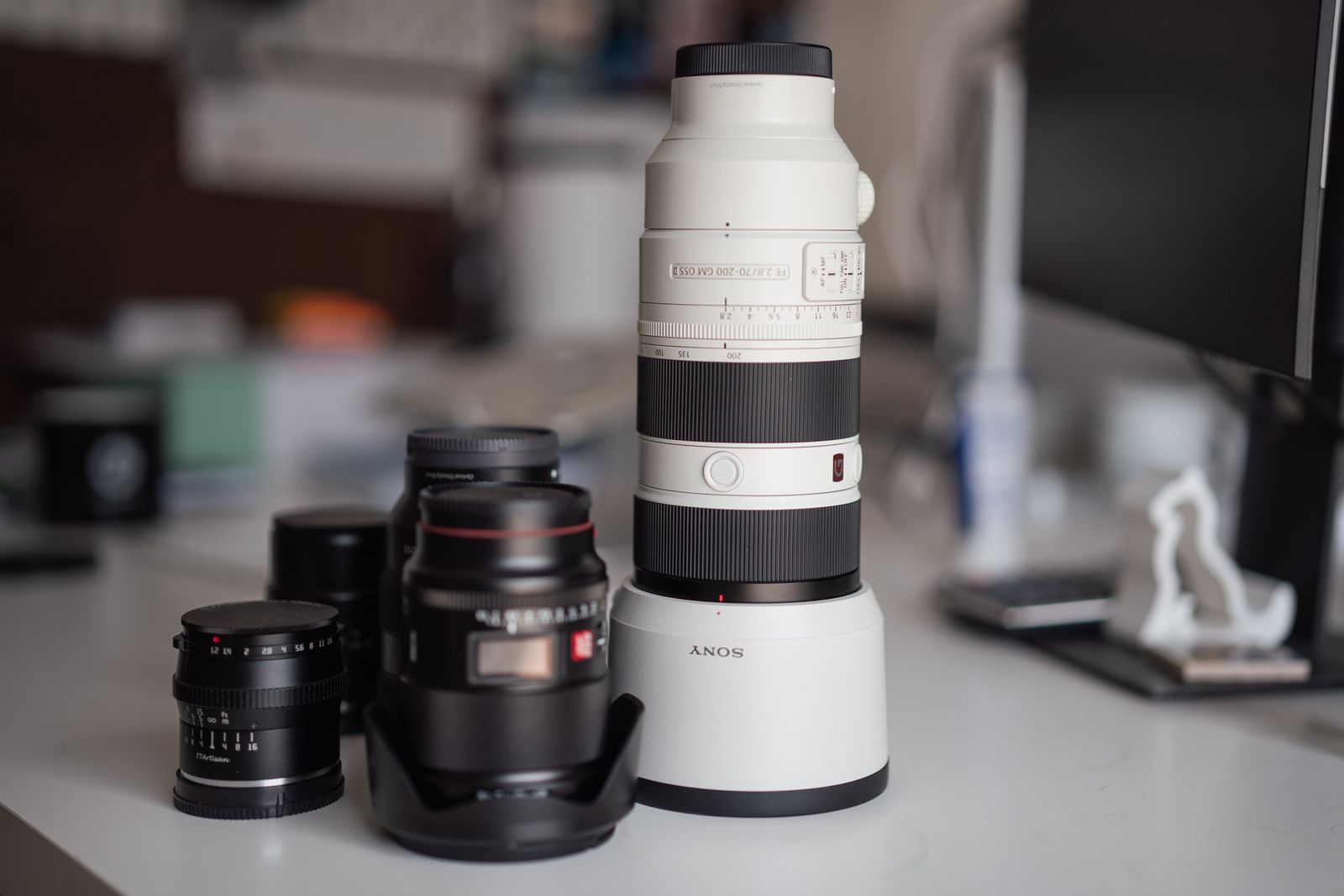
Almost every photographer ends up with kit they no longer use: a first camera body replaced by a newer model, a lens bought for a project that never happened or a bag of accessories left over from an old system. Instead of letting that equipment gather dust, you can turn it into money or credit towards your next purchase. Knowing how to sell old camera gear in France means understanding how to value it, prepare it, choose the right selling route and avoid the common mistakes that cost sellers money.
This guide is written for photographers and videographers in France, although it is in English. It explains how to assess what your equipment is worth, how to prepare it for sale, how selling outright compares with trade-in options, which documents and photographs to prepare and how to protect yourself from scams. Prices are in euros and vary constantly, so always confirm current offers and terms on each seller’s website before you decide.
We use the phrases sell used camera equipment France and trade in cameras and lenses to describe the two most common routes: selling for cash and exchanging equipment for credit. Each suits a different type of seller, and we compare them in detail below.
If you are replacing your kit with a newer set-up, think about the rest of your workspace as well. Our guide to the best wireless mice for work is a useful reference when you are upgrading the tools around your photo-editing desk.
Step 1: Take Stock of What You Have
Start by gathering every piece of equipment you are considering selling and writing a simple inventory. For each item, note the brand, model, serial number, lens mount, approximate age, how often it was used and any known faults. A complete inventory makes it easier to compare offers and avoids forgetting accessories that add value.
Be honest about condition. Marks, scratches, worn grips, sticky buttons and fungus or haze in lenses will affect the price, and buyers will find them anyway. Honest descriptions build trust, avoid disputes and reduce the chance of an item being returned.
Check Whether It Still Works Properly
Test every function before you list or send anything. Fire the shutter, check autofocus, review the screen and viewfinder, test the flash and ports and shoot sample images. For lenses, check the glass, focus and zoom rings and aperture. Fix simple issues such as a loose strap or dirty contacts, but avoid repairs that could reduce value if done poorly.
Step 2: Understand What Your Gear Is Worth
Value depends on the model, its age, condition, demand and what is included. Equipment from popular systems that is in good, complete condition tends to be easier to sell. Rare items, older digital bodies and niche lenses can be harder to price, so research is essential.
Compare several sources: online instant-quote tools from used-gear specialists, completed sales on auction sites and the asking prices for similar items on marketplaces. Treat advertised prices cautiously, because items listed at a high price may never sell. Remember that a quick, guaranteed sale and a slow, higher-priced sale are different propositions.
Home networking is another area where people upgrade at the same time as their cameras. For sharing large image files at speed, see our comparison of mesh WiFi vs a single router for home, which explains how to choose between the two.
Step 3: Choose How You Will Sell or Trade In
There are three main routes. Selling privately usually gives the highest potential price but takes the most time and carries the most risk. Selling to a dealer or marketplace is quicker and simpler but typically pays less. Trading in gives you credit towards other equipment and can be convenient if you already know what you want to buy.
| Route | Strengths | Drawbacks |
|---|---|---|
| Private sale online | Potentially the highest price and full control | Time, questions, haggling and scam risk |
| Used-gear specialist | Instant quote, simple process, assessed condition | Offer may be lower than a private sale |
| Local camera shop | Face-to-face inspection and same-day payment | Limited stock interest and negotiation |
| Trade-in credit | Convenient upgrade path | Credit may be less flexible than cash |
Decide which matters more: speed, convenience or the highest possible price. If you value your time, a quote from a specialist can be a good benchmark even if you decide to sell privately.
Step 4: Prepare Your Equipment for Sale
Presentation matters. Clean each item gently with a blower, a soft brush and a microfibre cloth, and use appropriate cleaning products on lens glass. Remove personal data by resetting cameras to factory settings and formatting memory cards, and check that any cloud or app accounts are logged out.
Then gather everything that came with the item: boxes, manuals, chargers, straps, caps and hoods. Complete kits are more attractive and often fetch more. Take clear, well-lit photographs from every angle, including close-ups of any marks.
- Clean the equipment: Remove dust and fingerprints without damaging coatings.
- Reset and wipe data: Return the camera to factory settings and format cards.
- Gather accessories: Include batteries, chargers, caps, straps and original packaging.
- Photograph honestly: Show all sides and any wear clearly.
- Pack carefully: Use sturdy boxes and padding to protect items in transit.
Step 5: Protect Yourself From Scams and Disputes
Sellers of high-value equipment are targeted by fraudsters, so caution is essential. Avoid sending goods before you have confirmed payment is genuine, be suspicious of buyers who pressure you to move quickly or use unusual payment methods and prefer secure payment systems or in-person handovers in public places.
Keep records of every sale: the advert, messages, photographs, serial numbers, proof of postage and payment confirmation. If you ship equipment, choose tracked and insured delivery and keep the receipt. For tax and legal questions linked to selling items, consult official French guidance or a qualified adviser, as rules can change.
Where MPB France Fits Into Your Options
If you would rather not manage a private sale, a practical route to consider is MPB, a specialist in used photo and video equipment that lets you describe your items, receive a quote and send them in for assessment. You can also use MPB to browse second-hand equipment, which is handy if you want to put your credit towards a replacement lens or body.
Before you accept any offer, confirm the current terms on the website: how the quote is calculated, what happens if the assessed condition differs from your description, how payment works and how delivery is handled. Comparing a specialist quote with a private market price is the easiest way to judge whether the convenience is worth it for you. For more advice on matching equipment to your working style, our guide to choosing between an ergonomic and a standard mouse covers a small upgrade that makes long editing sessions more comfortable.
Pros and Cons of Selling or Trading In Old Camera Gear
Pros: Money or credit for equipment you no longer use, less clutter, a way to fund upgrades and the chance to give gear a second life with another photographer.
Cons: Offers below new-purchase price, time spent preparing and shipping, the risk of disputes about condition and the effort of avoiding scams on open marketplaces.
FAQ
Q1: What is the best way to sell old camera gear in France?
It depends on your priorities. A private sale can earn more but takes time and carries risk, while a specialist or shop is faster and simpler. Compare at least two options and confirm the terms before you decide.
Q2: Should I include the original box and accessories?
Yes. Original packaging, manuals, batteries, chargers and caps make the equipment more appealing and can increase the price or the quote you receive.
Q3: How do I describe the condition of my camera honestly?
Be specific. Mention marks, scratches, wear on buttons or grips, any faults and the approximate shutter count if known. Support your description with clear photographs from every angle.
Q4: Is trading in better than selling for cash?
Trading in is convenient if you are buying new equipment from the same provider, while cash gives you more flexibility. Compare the credit offer with the cash offer, and check any conditions attached to the credit.
Conclusion: Turn Unused Gear Into Your Next Upgrade
Selling old camera gear in France is easier when you follow a clear process: take stock, test everything, research value, choose the right route, prepare your equipment and protect yourself from scams. Honest descriptions and good photographs help you get fair prices and avoid disputes.
When you are ready, request a quote from MPB and compare it with other offers, then choose the route that balances price, speed and peace of mind. A little preparation can turn forgotten equipment into funds or credit for the lens or body you actually want.





Leave feedback about this