

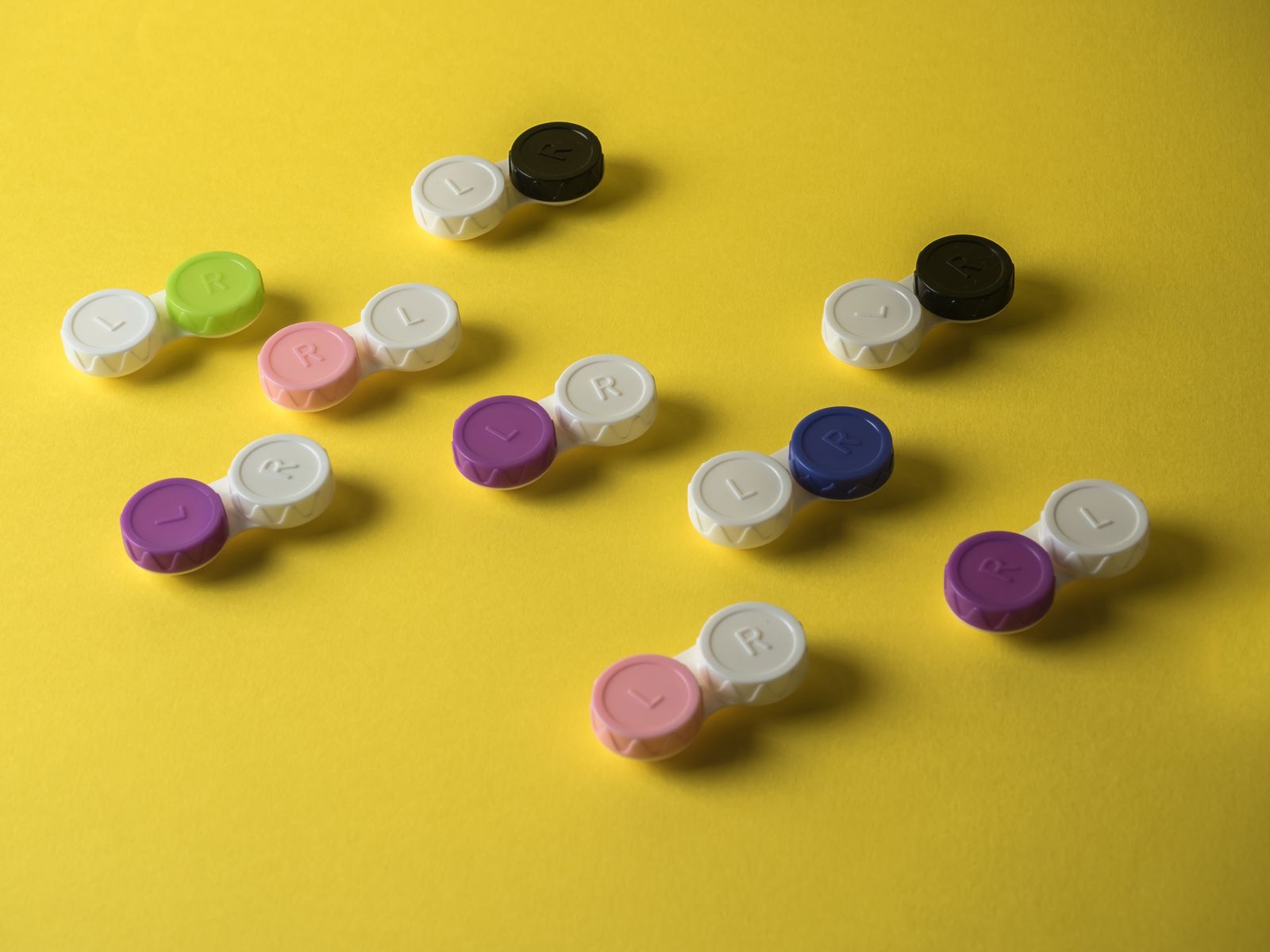
Choosing between daily and monthly contact lenses looks like a small decision, yet it shapes your comfort, your routine and your yearly spending. Some people want to open a fresh pair each morning and throw it away at night. Others prefer a lens they clean, store and reuse for a few weeks. Understanding daily vs monthly contact lenses helps you decide which schedule fits your eyes, your habits and your budget before you place an order.
This guide is written for readers in the United States who already wear contact lenses or are about to start. We compare the two replacement schedules, explain how care routines differ, look at the real cost over a year, and list the questions worth asking your eye doctor. It is general information only and not medical advice, because the right lens type, material and schedule must come from a licensed eye care professional who has examined your eyes.
Throughout the article we use phrases such as daily disposable contact lenses and monthly replacement lenses to describe how often a lens is thrown away. That is separate from wearing time, which is how many hours a day you keep the lenses in, and your eye doctor sets both.
If you are also thinking about where to buy, our guide on the best place to order contact lenses online covers what to look for in a retailer once you know which schedule you will use.
How Daily and Monthly Contact Lenses Differ
The main difference is how long one lens stays in service. A daily disposable lens is worn once and discarded, so every day starts with a clean lens straight from sealed packaging. A monthly lens is worn repeatedly and replaced after the period recommended for that product, usually with daily cleaning and overnight storage in fresh solution.
Other differences follow from that. Dailies need no solution or case, while monthlies need both. Dailies generate more packaging waste, while monthlies produce less plastic per day but require more maintenance. Neither is better for everyone, and your prescription may limit the options available.
Daily Disposable Lenses
Daily lenses are popular with people who value convenience. You open a fresh pair, wear it, and discard it. There is no cleaning routine to remember and no case to replace. Dailies are often suggested for people who wear lenses only a few days a week, who travel often, or who find that deposits build up on reusable lenses.
Monthly Replacement Lenses
Monthly lenses suit people who wear them most days and are comfortable with a care routine. A box often contains several pairs, which may make the per-lens cost lower. The trade-off is discipline: lenses must be rinsed, rubbed and stored correctly, and the case itself must be replaced regularly.
Daily vs Monthly Contact Lenses: A Side-by-Side Comparison
The table below summarises the practical differences. Use it as a starting point for a conversation with your eye doctor rather than a recommendation.
| Factor | Daily lenses | Monthly lenses |
|---|---|---|
| Replacement | New pair every day | Replaced after the recommended period |
| Daily care | None beyond handling with clean hands | Clean, rinse and store every night |
| Solution and case | Not needed, except a travel backup | Required, with regular case replacement |
| Cost pattern | Higher lens cost, no solution spend | Lower lens cost, plus solution and cases |
| Travel | Easy to pack and simple to replace | Needs solution and a case on the road |
| Waste | More packaging per year | Less packaging, more bottles |
| Best for | Occasional wear, travel, simple routines | Regular wear and steady care habits |
Once you have filled in your own answers, think about which column describes your typical week. A person who wears lenses for sport on weekends has a different best answer from someone who wears them eight hours every working day.
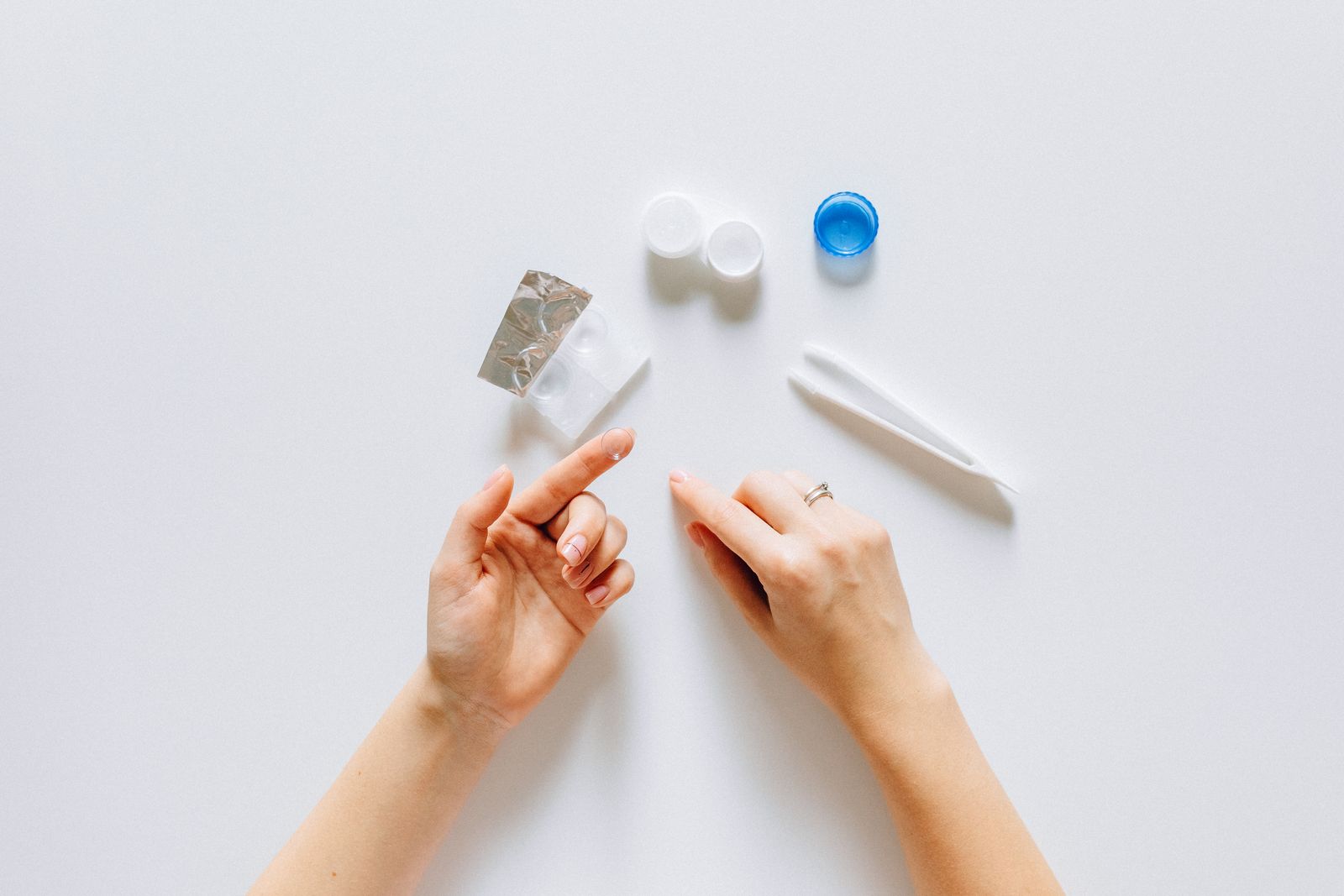
Whichever schedule you choose, good habits matter more than the label on the box. Wash and dry your hands before touching lenses, follow the replacement date your eye doctor gives you, and never sleep in lenses unless you have been specifically cleared to do so.
Comfort, Eye Health and Care Routine
Comfort varies from person to person. Some wearers find fresh dailies feel better at the end of a long day because there is no buildup. Others are perfectly comfortable in monthlies once they find a solution that suits them. Dryness, redness or blurry vision are signs to stop wearing the lenses and contact your eye doctor.
Why Replacement Schedules Matter
Replacement schedules exist because lenses collect deposits and lose their original surface over time. Wearing lenses past their date can increase the risk of irritation and infection. Whether you choose dailies or monthlies, never stretch a lens beyond the schedule recommended for you, and do not switch brands or types without checking first.
Building a Simple Care Routine
If you wear monthlies, set a reminder for the replacement date, use fresh solution each night rather than topping up old liquid, and replace the case on the schedule your eye doctor suggests. If you wear dailies, keep a spare pair and a small backup of glasses in your bag. Our feature on choosing sunglasses that fit your lifestyle is a useful companion read, since good eyewear also protects your eyes outdoors.
What Each Option Really Costs
Price comparisons are easy to get wrong. A box of monthly lenses looks cheaper than a box of dailies, but a fair comparison covers a full year of wear. For dailies, count the lenses you will use and the cost per box. For monthlies, add solution, cases and any replacement lenses, then divide by the days you actually wear them.
People who wear lenses only a few days each week often find dailies competitive, because they pay only for the days they use them. People who wear lenses every day often find monthlies cheaper overall, though the gap depends on brand, prescription and promotions. Your eye doctor can estimate usage, and you can compare prices at retailers before ordering.
Prescription and Fit Come First
Cost should not decide the lens type. Your prescription, corneal shape, any need for astigmatism or multifocal correction, and your eye doctor’s judgment narrow the choices. Some prescriptions are available in only one schedule, and a lens that fits poorly can cause discomfort no matter how affordable it is.
Where to Order Your Lenses
Once your prescription and schedule are settled, you can order from an eye care provider or an online retailer. One well-known option in the United States is 1-800 Contacts, which sells many popular daily and monthly lenses and asks for a valid prescription before an order ships. When you browse 1-800 Contacts, compare the exact brand and schedule on your prescription, check delivery times, and read the return and verification policies.
Whichever retailer you use, make sure the product matches the brand, base curve, diameter and power on your prescription. If you are unsure, contact your eye doctor’s office before ordering. The same attention to detail you use when you choose a monitor for work and casual gaming helps here too, because screen time is a common reason people feel eye strain and ask about comfort.
Pros and Cons Summary
Daily lenses: Pros include convenience, no cleaning, easier travel and a fresh lens every day. Cons include higher cost for frequent wearers and more packaging waste.
Monthly lenses: Pros include lower cost per lens, less packaging and wide availability. Cons include a nightly care routine, the need for solution and cases and a higher chance of mistakes if care slips.
Weigh these points against how often you wear lenses, how comfortable you are with a care routine and what your eye doctor recommends.
FAQ
Q1: Are daily lenses healthier than monthly lenses?
Dailies remove the risk of poor cleaning and deposit buildup because each lens is used once. Monthlies are a good option when cared for correctly. The best choice depends on your eyes and habits, so ask your eye doctor.
Q2: Can I switch from monthly to daily lenses?
Often yes, but you should get a new fitting and prescription before you switch. Different lenses can have different materials and shapes, so do not swap on your own.
Q3: Which option costs less per year?
It depends on how often you wear them. Occasional wearers may spend less on dailies, while everyday wearers often spend less on monthlies once solution and cases are included.
Q4: How do I know when to replace monthly lenses?
Follow the date your eye doctor gave you and the manufacturer’s instructions. Replace lenses sooner if they feel uncomfortable, look cloudy or become damaged.
Conclusion: Match the Schedule to Your Routine
The choice between daily vs monthly contact lenses comes down to comfort, convenience, care habits and yearly cost. Dailies offer simplicity and a fresh lens each day. Monthlies reward steady routines and can save money for regular wearers. Neither is right for everyone, and your eye doctor makes the final call based on a proper exam.
Use the comparison in this guide to prepare your questions, then check prices with providers such as 1-800 Contacts once you have a current prescription. This article is for general information only and is not medical advice, so speak with a licensed eye care professional before changing your lenses.






Leave feedback about this