

Healthy eating is often less about knowing what to eat and more about making nutritious choices practical on a busy Tuesday. Meal delivery can help by reducing grocery planning, portion decisions, and prep time. But “healthy” is not a single formula.
One service may suit someone who wants organic ingredients and enjoys cooking, while another may suit someone who wants a ready-to-heat dinner with little cleanup.
That is why the most useful way to compare healthy meal delivery services is not to crown one universal winner. Instead, look at how each service fits a particular eating style, schedule, and definition of a balanced meal.
What Makes a Meal Delivery Service Actually Worth Trying?
Before choosing a subscription, look beyond calorie counts or marketing terms such as “clean” and “wellness.” A useful service should make healthy eating easier without creating a new set of problems.
Start with the menu. Look for meals that regularly combine protein, vegetables, fiber-rich carbohydrates or other nutrient-dense foods, and a reasonable source of fat. Nutrition labels can help you assess calories, protein, fiber, sodium, saturated fat, and added sugar rather than relying on the name of a meal.
Convenience matters just as much. A meal kit that requires 45 minutes of cooking may be a poor fit for someone who wants dinner after a long workday. Conversely, someone who enjoys cooking may prefer fresh ingredients over reheated prepared meals.
Finally, check flexibility. Dietary filters, meal swaps, serving sizes, delivery coverage, skip options, and clear ingredient information can determine whether a service remains useful after the novelty wears off.
Healthy Meal Delivery Services Worth Trying
1. Sunbasket: A Strong Choice for Variety
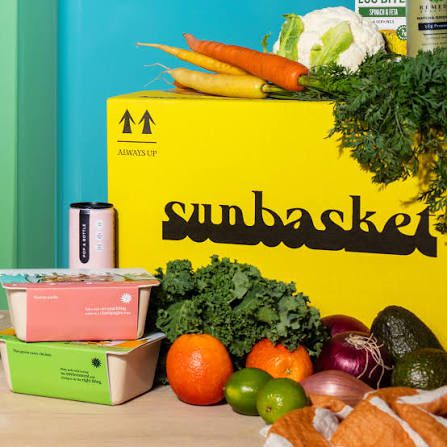
Sunbasket stands out for people who want healthy options without being locked into one eating pattern. Current meal-delivery comparisons highlight its range of choices, including Mediterranean, vegetarian, pescatarian, paleo, carb-conscious, keto-friendly, gluten-free, and diabetes-friendly options.
The bigger advantage is flexibility between meal kits and prepared meals. That makes it possible to choose based on the amount of time available rather than committing to one format. Sunbasket is worth considering if your definition of healthy eating includes variety and fresh cooking. It may be less appealing if your priority is the absolute minimum amount of kitchen work.
2. Factor: Best When Cooking Is the Problem
Factor takes a different approach. Its meals arrive prepared, so the main task is heating and eating. The company says its meals are dietitian-approved and offers preferences including High Protein, Calorie Smart, Keto, and Vegan + Veggie.
That makes Factor particularly practical for people who want more control over what they eat but do not want meal planning, chopping, cooking, and cleanup to determine whether dinner happens.
Prepared food still deserves scrutiny. Check the nutrition information for individual meals because a service can offer healthy-focused categories without every dish having the same nutritional profile. Factor is best viewed as a convenience tool that can support better routines, not as a substitute for evaluating the food itself.
3. Green Chef: For People Who Still Want to Cook
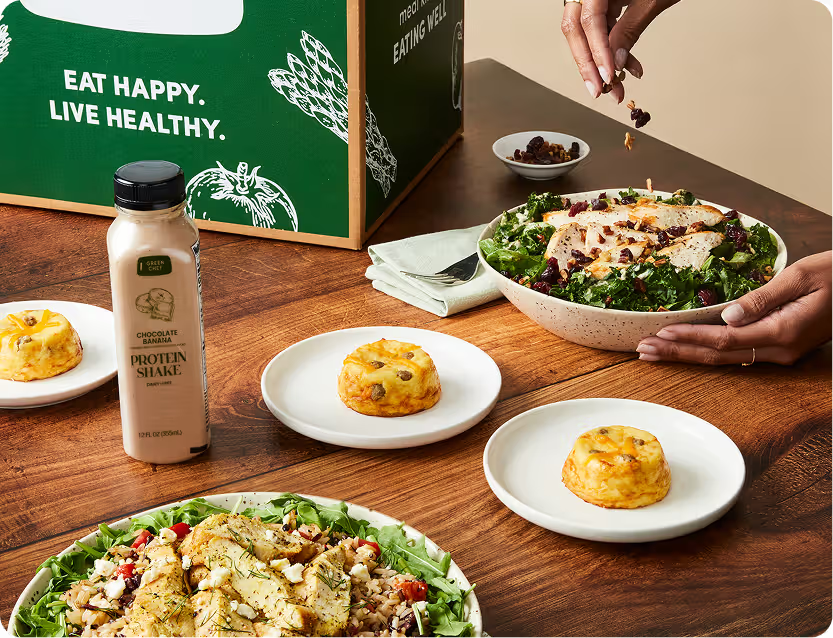
Green Chef is a meal-kit option rather than a fully prepared-meal service. Its current offerings include organic produce and proteins, with plans and filters covering options such as Mediterranean, plant-based, high protein, keto, calorie-smart, and gluten-free.
This makes it useful for someone who wants the structure of meal delivery but still enjoys preparing dinner. Ingredients arrive portioned, which can reduce shopping and planning while keeping cooking part of the routine.
There is also an important distinction between “organic” and “healthy.” Organic certification does not automatically make a meal nutritionally superior. Look at the complete recipe, including protein, vegetables, grains, sauces, sodium, and portion size. Green Chef can be a strong fit when ingredient sourcing and home cooking both matter.
4. Purple Carrot: A Practical Plant-Based Option
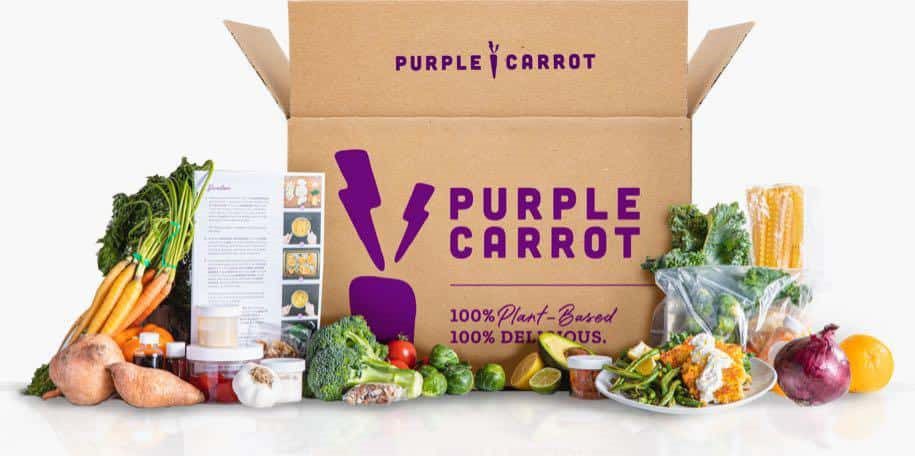
Purple Carrot is worth considering for people who want plant-based meals to become a regular part of their week. A plant-focused service can be useful for someone who wants to eat more vegetables, legumes, whole grains, and other plant foods without constantly searching for new recipes.
The key question is not whether a meal is vegan, but whether the overall menu is varied and nutritionally satisfying. Plant-based meals can differ significantly in protein, fiber, sodium, and calorie density.
For shoppers, that means checking individual nutrition panels rather than assuming that a plant-based label tells you everything. Purple Carrot makes the most sense when you want the convenience of delivery while keeping a strong plant-forward focus.
5. Trifecta: For Structured, Macro-Focused Eating
Trifecta is geared more toward people who want prepared meals within a structured nutrition plan. Its current meal options include Clean, Paleo, Keto, Vegan, Vegetarian, and other formats, while the company emphasizes high-protein, macro-balanced meals and ready-to-eat convenience.
This can be useful for people who find meal planning difficult because of work, training, or a tightly organized routine. Instead of deciding every day what to cook, the meals provide a predictable framework.
The tradeoff is that a highly structured plan may feel restrictive if you enjoy spontaneous cooking or eating with family. It is worth considering when consistency is more important to you than having complete control over every ingredient.
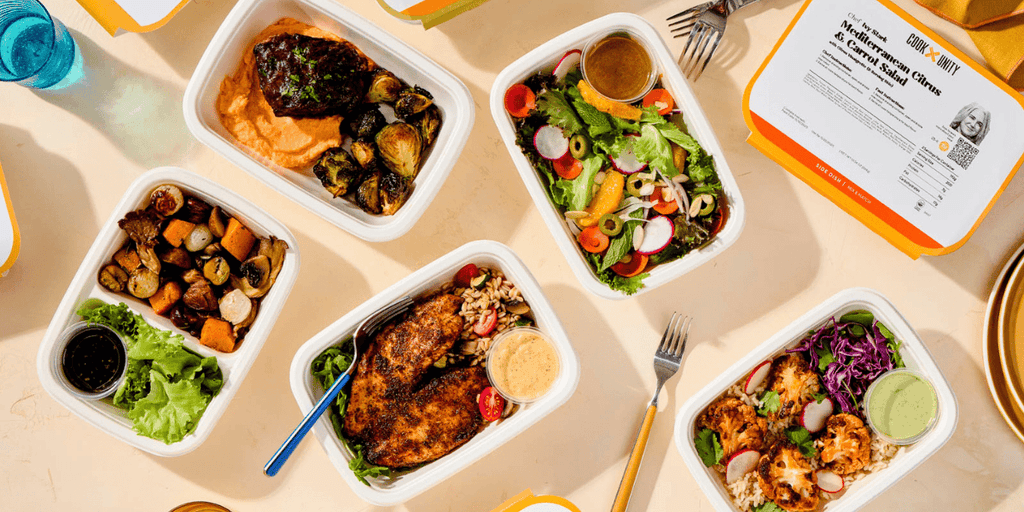
6. CookUnity: For People Who Prioritize Variety and Convenience
CookUnity focuses on chef-prepared meals that arrive ready to heat. Its current healthy-meal offering includes a large rotating menu and options across different dietary preferences, while individual meals display nutrition information.
Its biggest practical advantage is variety. A large menu can make it easier to avoid the repetition that causes some people to abandon meal subscriptions after a few weeks.
However, variety does not automatically equal nutritional balance. Some meals can be substantially higher in calories, sodium, or fat than others. CookUnity is therefore best approached as a broad menu from which you select meals that match your own nutritional priorities.
Meal Kits vs. Prepared Meals: Which Is Healthier?
Neither format is automatically healthier.
Meal kits give you more control over cooking and ingredients, but sauces, oils, and portions can still influence the final nutrition profile. They also require time and kitchen effort.
Prepared meals remove much of that work. That can be a major practical advantage if convenience prevents you from skipping meals or relying on takeout. But you have less control over how the meal is prepared.
The better format is the one you can use consistently while still choosing meals that fit your nutritional needs.
How to Judge “Healthy” Without Getting Tricked by Marketing
A healthy meal does not need to meet one perfect calorie or macro target. Instead, look at the whole pattern.
Protein can help make meals more filling and support normal body functions. Fiber-rich foods such as vegetables, beans, fruits, and whole grains can contribute to a balanced diet. Unsaturated fats from foods such as nuts, seeds, avocado, and some fish can also fit into nutritious meals.
Sodium deserves attention, particularly when choosing prepared foods. A meal can look wholesome while still containing a substantial amount of sodium because of sauces, seasonings, or processed ingredients.
It is also useful to consider portion size. A meal with excellent ingredients may not fit your needs if the portion is too small or much larger than you intended to eat.
How to Choose a Service Based on Your Lifestyle
Instead of asking which service is healthiest overall, ask which problem you are trying to solve.
If you enjoy cooking but hate grocery shopping, a meal kit may be the best match. If you regularly order takeout because you have no energy to cook, prepared meals may create a bigger improvement in your routine.
If plant-based eating is your priority, focus on services with enough suitable meals to keep your diet varied. If protein intake matters, compare the grams of protein per serving instead of relying on labels such as “fitness” or “high protein.”
Budget also matters. Compare the complete weekly cost, including shipping and the number of meals you will realistically eat. A subscription is not good value if several meals end up unused.
A Simple Way to Start Without Overcommitting
You do not need to replace every meal at home immediately. Start with a smaller number of meals and use them to identify what actually helps.
Pay attention to four things: whether the meals taste good enough to reorder, whether portions satisfy you, whether preparation fits your schedule, and whether the nutrition information aligns with your goals.
Also check cancellation and skipping policies before subscribing. Meal delivery works best when it supports your routine rather than becoming another obligation.
The Bottom Line
Healthy meal delivery services are most useful when they solve a real barrier to eating well. Sunbasket can suit people who want wide dietary variety and cooking flexibility, while Factor and CookUnity focus more heavily on prepared convenience.
Green Chef works well for people who still want to cook with organized ingredients, Purple Carrot fits a plant-focused routine, and Trifecta offers a more structured approach for people who prioritize prepared meals and macro-focused eating.
None of these services makes every meal automatically healthy. The smarter approach is to evaluate the individual menu, nutrition facts, portions, preparation requirements, cost, and flexibility. When those factors match your lifestyle, meal delivery can become a practical tool for building a more consistent eating routine.







Leave feedback about this