

Healthy eating can sound complicated when every meal seems to come with a new rule. Eat more protein. Cut back on sugar. Buy organic. Avoid processed foods. Track your calories. Meal prep everything on Sunday. For many Americans, the real problem is not knowing what healthy food looks like.
It is making nutritious choices when work is busy, grocery shopping takes time, and cooking feels like another task on an already long to-do list. The solution does not have to be a complete diet makeover. A few small changes can make healthier choices more convenient and easier to maintain.
The goal is to create a routine that works with your life instead of requiring you to reorganize your life around food. Here are seven practical changes that can make healthy eating feel simpler, more realistic, and more sustainable.
The 7 Changes at a Glance
The most useful changes are often the ones that reduce effort. Making nutritious foods easier to access, planning a few meals, keeping quick options available, and allowing flexibility can all make a difference. The seven changes covered here are:
- Make healthy foods easier to reach.
- Use a simple formula to build balanced meals.
- Plan your grocery shopping around actual meals.
- Keep emergency meals available for busy days.
- Make smarter beverage choices.
- Keep your favorite foods in your diet.
- Focus on consistency instead of perfection.
You do not need to adopt all seven at once. Starting with one or two can be enough to begin changing your routine.
1. Make Healthy Foods Easier to Reach
Your surroundings can influence what you eat more than you might realize. When you are hungry, tired, or distracted, you are more likely to choose whatever requires the least effort. That is why making nutritious foods convenient can be more effective than relying on willpower.
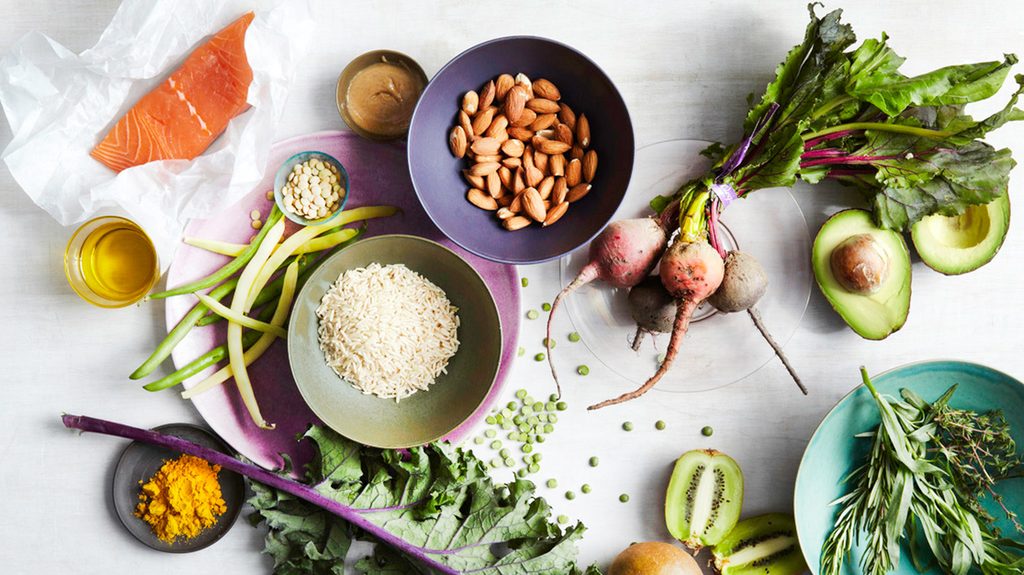
Start by changing what you see first in your kitchen. Keep fruit on the counter, place washed vegetables at the front of the refrigerator, and store easy-to-grab foods such as Greek yogurt, hummus, nuts, or cheese where they are visible.
You can also reduce preparation time. Wash produce when you get home from the grocery store and portion snacks into containers if that makes them easier to grab. Keep frozen vegetables and fruit available for days when fresh produce is not practical.
This does not mean you have to remove chips, cookies, or other favorite foods from your home. Instead, make nutritious options just as convenient, if not more convenient. The easier a healthy choice is to make, the less effort it requires when you are hungry.
2. Use a Simple Formula to Build Balanced Meals
You do not need a different recipe for every meal. Having a basic framework can make it easier to put together a nutritious plate using whatever ingredients you already have. A simple approach is to include a protein source, vegetables or fruit, and a carbohydrate source. You can also add a source of unsaturated fat depending on the meal.
For example, dinner might include roasted chicken, brown rice, broccoli, and avocado. A plant-based option could combine black beans, peppers, brown rice, salsa, and avocado. Breakfast can follow the same principle. Oatmeal with berries and Greek yogurt provides carbohydrates, fruit, and protein. Eggs with whole-grain toast and fruit offer another simple combination.
Lunch does not have to be complicated either. A turkey sandwich with vegetables and fruit can be a balanced option, while a grain bowl can combine chicken or beans with vegetables and a dressing.
This formula gives you flexibility without requiring you to count every calorie or follow a strict meal plan. You can change ingredients based on your budget, preferences, and what happens to be available at home.
3. Plan Your Grocery Shopping Around Actual Meals
A grocery list based on vague intentions can easily turn into a refrigerator full of ingredients you never use. Instead of buying foods because you think you “should” eat them, decide what meals you are realistically going to make.
Before going grocery shopping, think about the week ahead. You might plan three dinners, two easy lunch options, and a couple of breakfasts. You do not need to assign a specific meal to every day.
For example, you could buy ingredients for tacos, a sheet-pan chicken dinner, and a vegetable pasta dish. Some ingredients can be reused across meals, which can reduce both food waste and grocery costs.
Planning also helps with busy evenings. If you know Wednesday is usually hectic, you can deliberately plan leftovers or a 15-minute meal instead of expecting yourself to cook something elaborate.
This is particularly useful in the U.S., where large grocery stores offer an enormous number of choices. Going in with a rough plan can help you avoid impulse purchases and make it easier to build meals around foods you actually enjoy. The best meal plan is not the most detailed one. It is the one you can realistically follow.
4. Keep “Emergency Meals” for Busy Days
Even the best meal plan can fall apart when work runs late, you’re traveling home, or you simply do not have the energy to cook. That is where emergency meals can help.
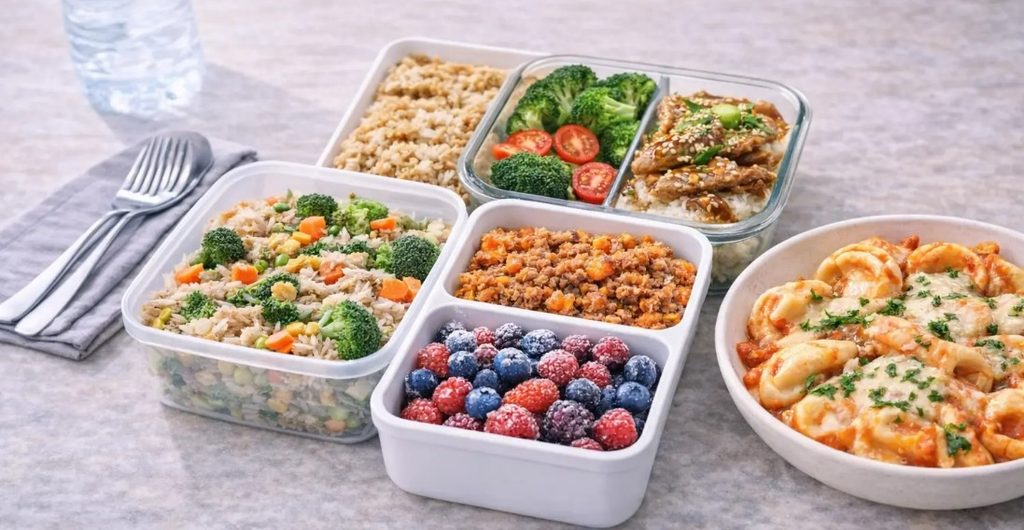
These are simple meals you can prepare with little effort. They might include scrambled eggs with whole-grain toast and fruit, a grain bowl made with canned beans and frozen vegetables, or a rotisserie chicken served with a bagged salad.
Your freezer and pantry can be especially useful. Frozen vegetables, canned beans, canned fish, whole-grain pasta, brown rice, oats, and low-sodium canned soups can provide the foundation for quick meals. Leftovers also count. When you cook, making an extra serving can give you an easy lunch or dinner later in the week.
Having these options available can reduce the number of times you have to choose between cooking an elaborate meal and ordering takeout. Convenience is not the enemy of healthy eating. The trick is to make convenient choices more nutritious.
5. Make Smarter Beverage Choices
Food often gets most of the attention when people think about healthy eating, but beverages can also be worth considering. Sodas, sweetened coffees, energy drinks, sweet tea, and other sugary beverages can contribute significant amounts of added sugar to your diet. Replacing some of these drinks with water or unsweetened alternatives can be a relatively simple change.
You do not have to eliminate your favorite drinks overnight. Start by replacing one serving each day with water, sparkling water, unsweetened tea, or another lower-sugar option. If you enjoy coffee drinks, you can gradually reduce the amount of added sugar or flavored syrup. If plain water feels boring, try adding lemon, lime, cucumber, or fresh fruit for flavor.
The objective is not to make every beverage choice perfect. It is to create a pattern where water and lower-sugar options are common rather than occasional. Small changes are often easier to maintain when they do not feel like punishment.
6. Keep Your Favorite Foods in Your Diet
Healthy eating becomes difficult to sustain when it feels like a list of foods you are no longer allowed to enjoy. You do not have to eliminate pizza, burgers, ice cream, cookies, fries, or other foods you like. Instead, consider how those foods fit into your overall eating pattern.
For example, you might enjoy pizza with a side salad or vegetables. You could have dessert after dinner without deciding that you have “ruined” your diet. At a restaurant, you might order a favorite meal and save part of it for later if the portion is larger than you need.
This flexible approach can make healthy eating feel much more realistic. It also helps avoid an all-or-nothing mindset. Eating one less nutritious meal does not mean the rest of your day has to follow the same pattern. You can simply return to your normal eating routine at the next meal.
Food is more than fuel. Taste, culture, social occasions, celebrations, and personal preferences all matter. A sustainable eating pattern needs room for enjoyment.
7. Focus on Consistency, Not Perfection
Perhaps the biggest change you can make is to stop expecting yourself to eat perfectly. Healthy eating is not determined by one breakfast, one restaurant meal, or one weekend. It is shaped by your habits over time.
If you normally eat a nutritious breakfast but have pancakes with friends on Saturday, that does not erase your usual habits. If you order takeout after an exhausting workday, you do not need to compensate by skipping meals the following day. Instead, focus on returning to your usual routine.
You can also measure progress by behaviors rather than outcomes. Did you prepare lunch instead of buying it? Did you add vegetables to dinner? Did you drink water instead of a sugary beverage? Did you plan your grocery list?
These small actions are easier to control than trying to achieve a perfect diet every day. Consistency also allows you to adjust. If a particular habit is too difficult, change it rather than abandoning the entire approach.
A Simple 7-Day Starting Plan
You do not need to change everything immediately. A one-week experiment can help you figure out which habits fit your lifestyle.
Day 1: Put fruit, vegetables, and other nutritious snacks somewhere easy to see.
Day 2: Choose three simple dinners for the coming week and write down the ingredients you need.
Day 3: Prepare one ingredient in advance, such as washing vegetables, cooking rice, or boiling eggs.
Day 4: Replace one sugary beverage with water or an unsweetened drink.
Day 5: Create one emergency meal using foods you already have at home.
Day 6: Enjoy a favorite food without labeling the meal as a failure or cheat day.
Day 7: Look back at the week and identify the one change that felt easiest to maintain.
That final step matters. The goal is not to complete a seven-day challenge and return to your old routine. It is to identify habits that you can continue.
Making Healthy Eating Easier Long Term
Once a healthy habit becomes part of your routine, you can build another one around it. For example, keeping fruit visible may eventually become automatic. Once that is established, you might start preparing vegetables ahead of time. Later, you could add weekly meal planning or create a regular list of quick dinners.
This gradual approach can be more practical than trying to transform your entire diet in a single week. It is also worth remembering that healthy eating will look different for different people. Dietary preferences, allergies, cultural traditions, budgets, schedules, and cooking skills all influence what is realistic.
You do not need someone else’s perfect meal plan. You need an approach that works in your own kitchen and fits your own life.
The Bottom Line
Making healthy eating easier is often less about finding the perfect foods and more about changing your daily environment and routines. Keep nutritious options within reach. Use a simple structure when building meals.
Shop with a realistic plan. Have quick meals ready for busy days. Pay attention to beverages. Leave room for foods you enjoy, and focus on consistent habits rather than perfection. The most useful change is the one you can keep doing.
Instead of asking yourself how you can completely overhaul your diet, start with a smaller question: What is one healthy choice I can make easier today? That small adjustment may not seem significant on its own, but repeated consistently, simple changes can become habits that make nutritious eating feel much more natural.







Leave feedback about this