

Fiber is one of those nutrients that sounds simple until you look at how people actually get it. Most adults know they should eat more fiber, but getting enough every day can be difficult when meals are built around refined grains, convenience foods, or large portions of meat and dairy.
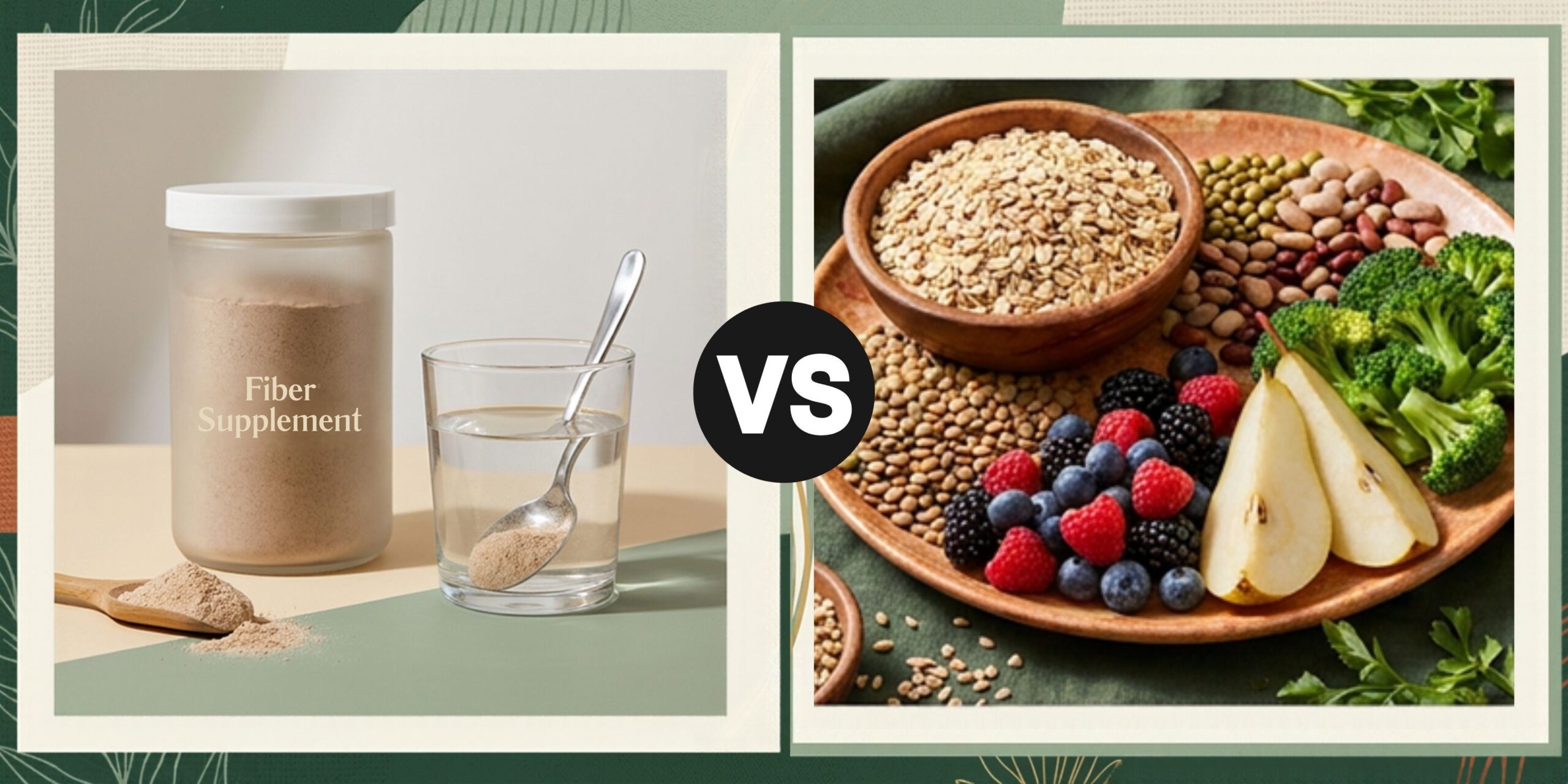
That raises a practical question: Are fiber supplements a good substitute for getting fiber from food, or is it better to focus on high-fiber foods? For most people, food should be the starting point. Whole foods provide fiber alongside vitamins, minerals, antioxidants, water, and other beneficial compounds that a fiber supplement does not necessarily provide.
However, supplements can have a useful role when someone’s diet consistently falls short or when a healthcare professional recommends additional fiber. The better choice, therefore, is not necessarily one or the other. It depends on how much fiber you currently get, what your diet looks like, and why you are considering supplementation.
How Much Fiber Do You Actually Need?
Fiber is a type of carbohydrate that the body does not fully digest. It passes through the digestive system and can influence bowel regularity, satiety, blood sugar management, and other aspects of health.
The amount you need depends partly on age and sex. For adults, general recommendations are around 22 to 34 grams per day, although individual needs vary. The challenge is that many people do not consistently reach these amounts through their usual diet.
A diet based heavily on refined grains, processed foods, and low-fiber snacks can make it surprisingly difficult to reach a useful fiber intake. Adding a supplement may appear to be an easy solution, but increasing fiber is not simply a numbers game. The source of the fiber matters, too.
What Do You Get From Fiber-Rich Foods?
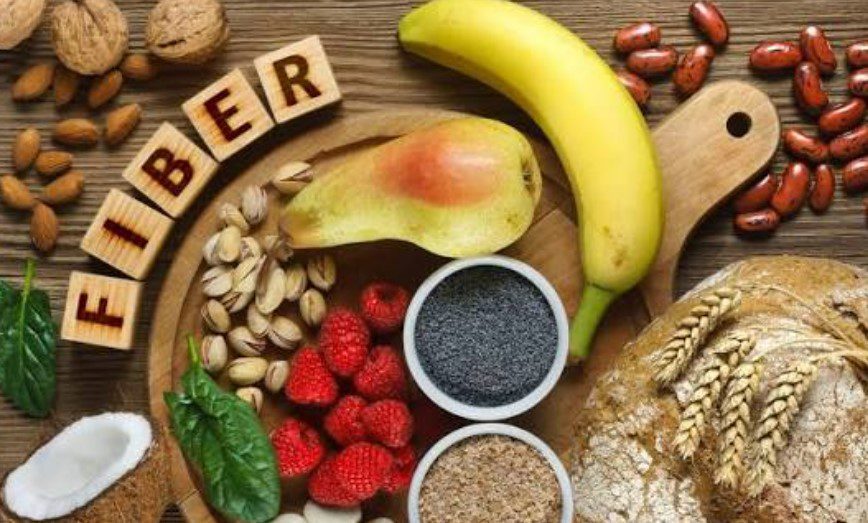
Foods such as beans, lentils, vegetables, fruits, whole grains, nuts, and seeds contain different types and amounts of fiber. But fiber is only one part of the package.
For example, eating a bowl of oatmeal provides fiber along with nutrients from the oats. Adding berries can contribute additional fiber and plant compounds. Beans provide fiber alongside protein, minerals, and other nutrients.
A fiber supplement can deliver a concentrated amount of a particular type of fiber, but it generally does not reproduce the complete nutritional profile of a food. This is one of the strongest arguments for getting most of your fiber from food.
Why Food Is Usually the Better First Choice
If you can increase your fiber intake through normal meals, there are several reasons to do so.
You get more than fiber
High-fiber foods often contain vitamins, minerals, antioxidants, healthy fats, or plant-based protein. A serving of lentils, for example, does more nutritionally than simply adding an isolated fiber supplement to your diet.
Foods provide different types of fiber
Fiber is not a single substance. Different foods contain different combinations of soluble and insoluble fiber and various fermentable fibers. That variety can be difficult to reproduce with one supplement.
High-fiber foods can improve overall diet quality
When someone adds beans, vegetables, fruit, whole grains, nuts, or seeds to meals, they may also replace lower-nutrient foods. That means the benefit can come from improving the entire dietary pattern rather than simply increasing a number on a nutrition label.
Food can contribute water and volume
Many fiber-rich foods naturally contain water and add bulk to meals. This can be useful for people trying to build satisfying meals while increasing their fiber intake.
When Fiber Supplements Can Make Sense
The advantages of food do not mean fiber supplements are useless. There are situations where a supplement can be practical. Someone may understand the importance of fiber but struggle to consistently consume enough through meals. A supplement can provide a predictable amount without requiring a complete change in their eating habits.
Supplements may also be useful when a healthcare professional recommends a specific type of fiber for a particular reason. For example, psyllium is a soluble, gel-forming fiber that can be incorporated into a dietary routine when appropriate. Other supplements contain ingredients such as methylcellulose, inulin, or partially hydrolyzed guar gum.
These fibers do not behave identically in the digestive system. That is why choosing a supplement based only on the number of grams listed on the container can be misleading.

Fiber Supplements Are Not All the Same
One of the biggest misconceptions about supplements is that “fiber” describes one uniform ingredient. It does not. Different fibers can have different effects on digestion and may be fermented differently by gut bacteria. Some primarily add bulk, while others form gels or are more readily fermented.
Psyllium, for example, absorbs water and forms a gel. This property is one reason it is commonly used in fiber supplements. Prebiotic fibers such as inulin can interact with gut bacteria, but they may also cause gas or bloating in some people.
The practical lesson is simple: more fiber is not automatically better, and different fiber supplements are not interchangeable.
What Happens When You Increase Fiber Too Quickly?
Whether your fiber comes from food or supplements, increasing it rapidly can cause digestive discomfort. Common symptoms can include:
- Gas
- Bloating
- Abdominal discomfort
- Changes in bowel movements
This does not necessarily mean fiber is bad for you. It can simply mean your digestive system needs time to adjust. If your current diet is low in fiber, gradually adding beans, whole grains, fruits, vegetables, or a supplement may be easier to tolerate than suddenly adding a large amount.
Water intake matters as well. Some types of fiber absorb significant amounts of water, so adequate fluid intake is important when increasing fiber, particularly with products such as psyllium. Anyone with swallowing difficulties or certain digestive conditions should seek medical advice before using bulk-forming fiber products.
Can Fiber From Food Replace a Supplement?
For many healthy adults, it can. If you can consistently reach your fiber needs through meals, there may be little reason to add a supplement simply because it is convenient. Consider what your current diet looks like first.
Could breakfast include oatmeal or another whole grain? Could lunch contain beans or lentils? Could you add vegetables to dinner and choose fruit as a snack? Could nuts or seeds replace a lower-fiber snack? Small changes can add up.
For example, replacing refined grains with whole grains and adding a serving of legumes can increase daily fiber without requiring a dedicated supplement. The goal is not to make every meal exceptionally high in fiber. It is to create a pattern that consistently supplies enough.
When Food Alone May Not Be Enough
There are also circumstances where getting enough fiber through food may be difficult. Someone with a very restricted diet, low appetite, limited access to certain foods, or a healthcare-directed nutrition plan may struggle to reach an appropriate intake.
A supplement can also provide consistency. If a person needs a specific amount of a particular fiber and cannot reliably obtain it through food, a measured supplement may be easier to manage. However, persistent digestive symptoms should not automatically be treated by adding more fiber.
Constipation, diarrhea, abdominal pain, or significant bloating can have many causes. Increasing fiber without understanding the underlying problem may not be the right solution.
Fiber Supplements vs Food: A Practical Comparison
| Factor | Fiber From Food | Fiber Supplement |
| Fiber variety | Usually broad | Depends on product |
| Other nutrients | Vitamins, minerals, plant compounds, etc. | Usually limited |
| Convenience | Requires planning and preparation | Generally easier |
| Portion control | Depends on food | More predictable |
| Digestive response | Varies by food | Depends on fiber type and dose |
| Dietary quality | Can improve overall diet | Does not replace a balanced diet |
| Best role | Foundation of daily intake | Useful addition when appropriate |
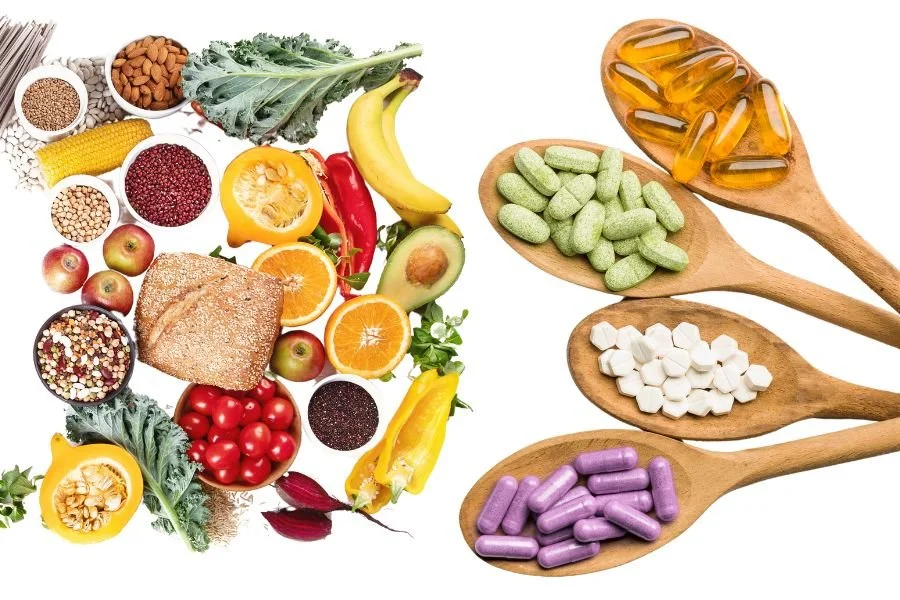
The comparison shows why there is no universal winner. Food generally offers more nutritional value, while supplements can offer convenience and consistency.
How to Increase Fiber Through Food Without Overhauling Your Diet
You do not need to suddenly start eating enormous salads or completely redesign your meals. Instead, make gradual substitutions. Choose oatmeal instead of a low-fiber breakfast when practical.
Add beans or lentils to soups, salads, bowls, or other meals. Keep fruit available for snacks. Choose whole-grain versions of foods you already eat. Add vegetables to meals you already enjoy. Nuts and seeds can also contribute fiber while adding other nutrients.
The important point is consistency. A diet that provides moderate amounts of fiber at several meals is generally more practical than trying to consume most of your daily fiber in one sitting.
How to Use a Fiber Supplement More Sensibly
If you decide to use a supplement, start by checking how much fiber you already get from food. Then look at the product’s specific fiber type and serving instructions. Avoid assuming that taking substantially more than the recommended serving will provide proportionally greater benefits. More can also mean more digestive discomfort.
Increase intake gradually and drink adequate fluids, unless a healthcare professional has advised you to restrict fluids. It is also worth discussing regular supplement use with a healthcare professional if you take medications or have a medical condition. Some fiber products can affect how medications are absorbed, so following product instructions about timing can be important.
So, Which Is Better?
For most people, getting fiber from food is the better foundation. Whole foods provide fiber in a broader nutritional package, including vitamins, minerals, plant compounds, and other nutrients. They also encourage a dietary pattern that can support overall health rather than focusing on one isolated nutrient.
But that does not make supplements unnecessary. A fiber supplement can be useful when someone cannot consistently meet their needs through food or has a specific reason to use a particular type of fiber. In that situation, the supplement should generally complement the diet rather than replace high-fiber foods altogether.
Think of it this way: food builds the foundation, while a supplement can help fill a specific gap. The most useful approach is to assess your current diet first, increase fiber gradually, choose a variety of high-fiber foods, and use supplements thoughtfully when they genuinely make sense.
If you have persistent constipation, diarrhea, abdominal pain, unexplained digestive changes, or another ongoing concern, talk with a healthcare professional rather than assuming that more fiber is the answer.







Leave feedback about this