

Losing weight is often easier to understand than it is to maintain. Most people know that eating appropriately, being physically active, and developing consistent habits matter. The difficult part is staying with those behaviors when work gets busy, motivation drops, meals happen at restaurants, or progress slows down.
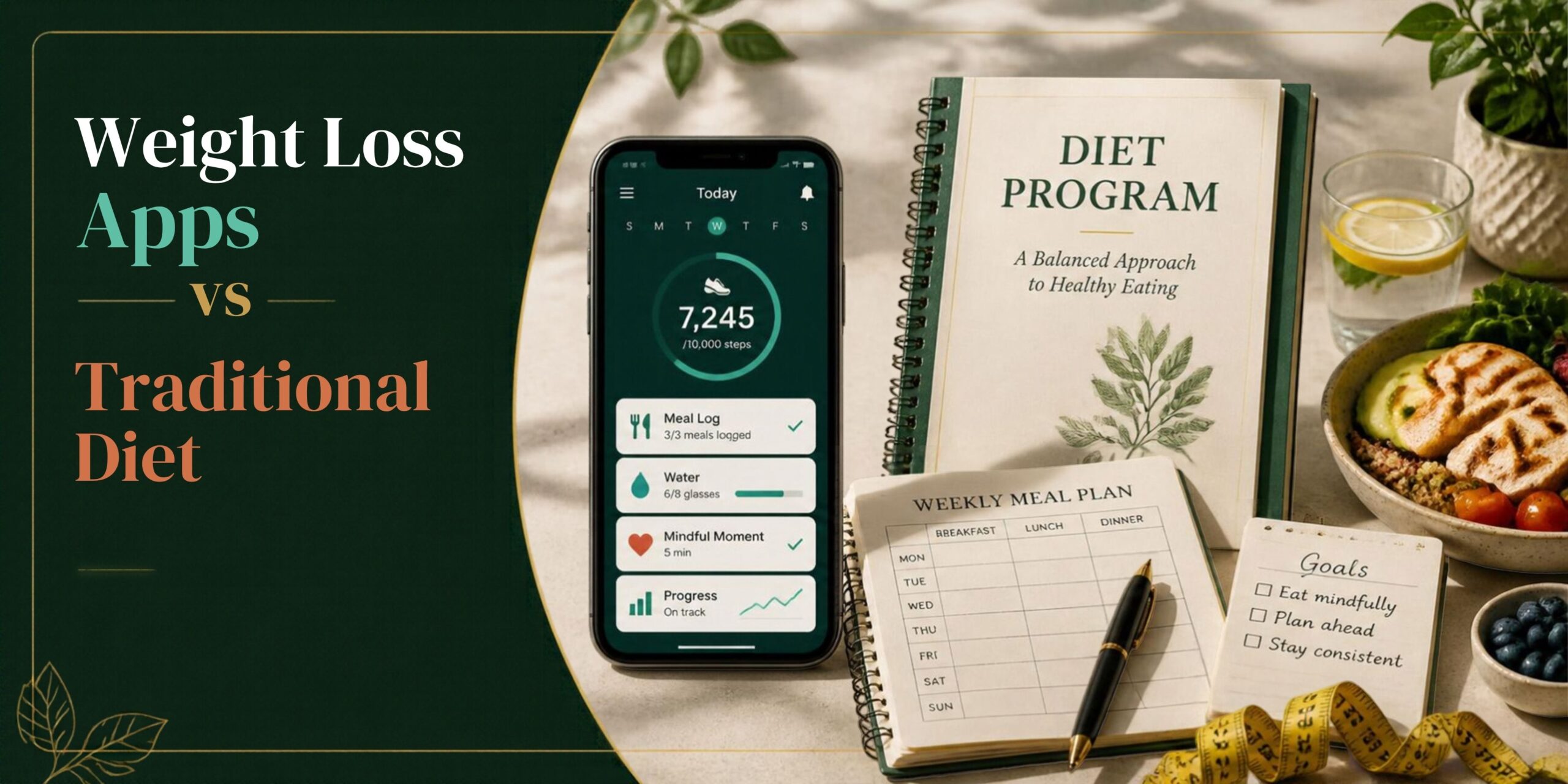
That is where the system you use can make a difference. Weight loss apps and traditional diet programs both aim to help people change their habits, but they do so in very different ways. An app may put food tracking, exercise logs, reminders, progress charts, and educational tools on your phone.
A traditional program may provide meal guidance, scheduled check-ins, coaching, group support, or a structured set of rules to follow. Neither format is automatically more effective. The more useful question is which approach provides the type of support you need to keep making changes over time.
What Are You Actually Paying For?
The biggest difference between an app and a traditional diet program is not whether one uses technology. It is what each one does for you. A weight loss app primarily gives you a system for self-management. It can make it easier to record meals, monitor weight, track physical activity, set goals, and recognize patterns.
Some apps also offer coaching, meal suggestions, educational resources, or communities. A traditional program tends to provide more external structure. Depending on the program, that may include scheduled appointments, group meetings, meal plans, coaching, educational sessions, or regular progress reviews.
This distinction matters because weight loss involves hundreds of small decisions. What will you eat? How much? When will you exercise? What happens after an indulgent meal? Should you change your routine when progress stalls? An app can give you information to make those decisions. A structured program may give you a framework for making them.
The Biggest Difference: Who Keeps You Accountable?
Accountability is arguably the most important distinction between the two approaches. With an app, most accountability comes from you. You choose whether to log your meals, weigh yourself, review your progress, or follow the recommendations.
That can work extremely well for someone who likes independence. Seeing your habits recorded can make your behavior more concrete. Instead of relying on memory, you have a record that can reveal patterns. But self-monitoring has an obvious weakness: you can stop doing it.
Traditional programs introduce another layer of accountability. A scheduled meeting or conversation with a coach creates an external commitment. A group can also encourage and make the process feel less solitary.
This does not mean traditional programs are inherently better. External accountability can be helpful for someone who struggles with consistency, while it may feel unnecessary to someone who is already disciplined and comfortable managing their own progress. The key is knowing which type of accountability you respond to.
How Each Approach Changes Everyday Decisions
Weight loss does not happen inside an app or during a weekly meeting. It happens during ordinary moments. Consider a weekday lunch. An app may help you compare the nutritional information of different meals, record what you eat, and see how that meal fits into your overall target.
A traditional program might provide guidelines for building the meal or teach you how to make better choices without requiring you to record every ingredient. Now consider an unplanned restaurant dinner.
An app gives you flexibility because you can choose what you want and record it afterward. A structured program may give you specific strategies for handling restaurants, but the amount of flexibility depends on how restrictive or adaptable the program is. The same principle applies to holidays, travel, family meals, and social occasions.
An effective approach should not only tell you what to do when everything goes according to plan. It should help you make reasonable decisions when it does not.
Weight Loss Apps: Where They Have a Real Advantage
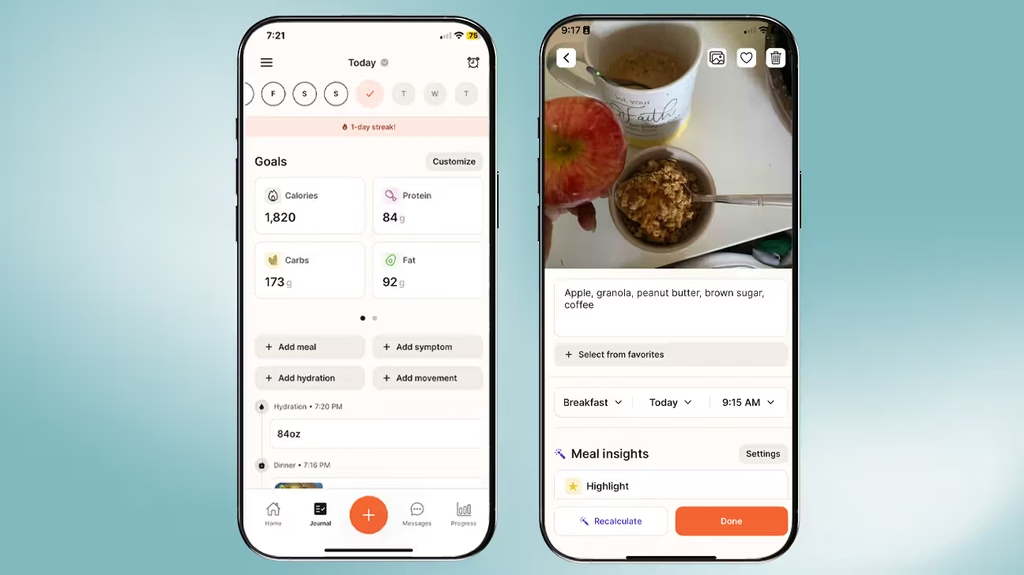
The strongest advantage of a weight loss app is accessibility. Your phone is usually already with you. There is no need to travel to a meeting or wait for a scheduled appointment to review your progress. Apps can also turn vague goals into measurable behaviors.
Instead of simply saying, “I need to eat better,” you might monitor how often you eat certain foods, how active you are, or how consistently you follow a routine. This feedback can make patterns easier to recognize. Apps can also reduce friction. Logging a meal immediately after eating may take less effort than keeping a paper diary and reviewing it later.
Another advantage is privacy. Some people are more comfortable tracking their behavior privately than discussing weight or eating habits in a group. However, these benefits depend on regular use. A sophisticated tracking system has limited value if the user stops entering information.

Traditional Diet Programs: Where Human Structure Matters
Traditional programs have an advantage that technology cannot completely replicate: human interaction. A coach or professional can ask questions that an automated system may not ask in the same way. Why did your routine become difficult last week? What is preventing you from exercising? Which meals are hardest to manage?
What happens when you are stressed? Those conversations can help identify barriers rather than simply recording outcomes. Group-based programs can provide another form of support. Knowing that other people are working toward similar goals can create a sense of accountability and community.
Structured programs may also be useful for people who feel overwhelmed by choices. Instead of downloading an app and deciding how to use dozens of features, they may prefer being given a clear framework. The downside is that structure can become restrictive if it does not adapt to real life.
A plan that works only when you have complete control over your meals and schedule may be difficult to maintain indefinitely.
What Happens When the Plan Stops Going Perfectly?
This may be the most important test of any weight-loss approach. Almost everyone encounters disruptions. You may miss several workouts, eat more than planned, travel for work, attend a celebration, or experience a period when the scale barely changes.
The response to these situations matters more than what happens during a perfect week. An app can help by showing that one meal or one missed workout does not erase an entire history of progress. Trends and records can provide a broader perspective than a single day.
A traditional program can offer something different: direct reassurance and problem-solving. A coach or group may help someone avoid turning one difficult weekend into abandoning the entire effort. The best approach is therefore one that encourages course correction rather than all-or-nothing thinking.
Which One Is More Flexible?
Flexibility is not simply about how many foods you are allowed to eat. It is about whether the system can adapt to your actual life. Weight loss apps often provide flexibility because users can make their own choices within whatever framework the app uses.
This can make them easier to integrate into different cuisines, family meals, restaurant visits, and changing schedules. Traditional programs vary considerably. Some provide highly specific meal plans. Others focus on broader habits such as portion awareness, balanced eating, physical activity, or behavior change.
If you travel frequently, work unpredictable hours, or eat most meals with family, a rigid system may become frustrating. A more flexible approach may be easier to maintain. At the same time, too much flexibility can become a weakness for someone who does better when clear rules are provided.
Which Is More Likely to Keep You Engaged Long Term?
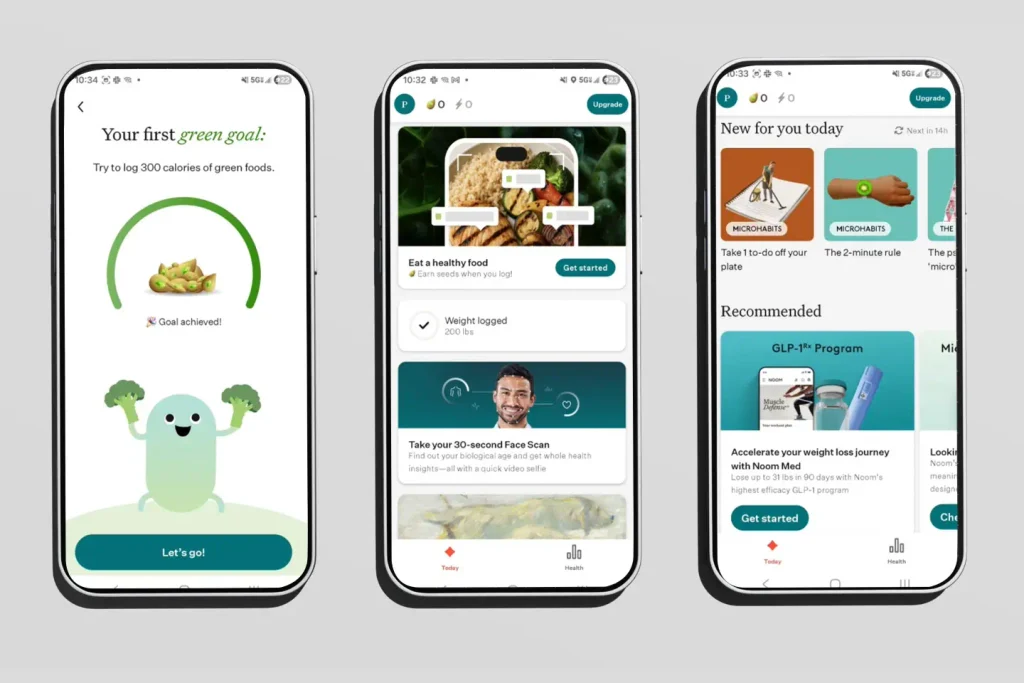
The answer depends heavily on the person. Weight loss apps can be effective engagement tools because they provide immediate feedback. Progress charts, reminders, goals, and tracking can make small behaviors visible. But novelty can wear off.
Someone may enthusiastically track every meal during the first few weeks and gradually stop opening the app. This is why engagement features should not be confused with long-term adherence. Traditional programs face a similar issue.
Attending meetings may initially feel motivating, but participation can decline if the program becomes inconvenient or repetitive. Long-term adherence is more likely when the system fits naturally into a person’s life. The most effective approach is rarely the one with the most features. It is the one that makes the desired behavior sufficiently manageable to repeat.
Cost Should Be Viewed as Part of the Commitment
Cost can influence adherence as well. Some weight loss apps have free versions, while others charge subscriptions for premium tracking tools, coaching, meal planning, or educational content. Traditional programs may involve membership fees, consultations, meetings, or other expenses.
But the lowest price does not necessarily mean the best value. If paying for a program creates a meaningful commitment and encourages consistent participation, the expense may serve a purpose. Conversely, paying for premium app features that you never use does not create much value.
Consider what you actually need. If all you want is basic food and activity tracking, an expensive program may be unnecessary. If you need professional guidance or regular accountability, a basic tracking app may not provide enough support.
The Hybrid Approach May Be the Most Practical
There is no requirement to choose between technology and traditional support. A hybrid approach can combine the strengths of both. For example, someone might use an app to track meals and activity every day while working with a coach periodically.
Another person could participate in a structured program but use an app to monitor habits between meetings. This combination can be particularly useful because the two tools solve different problems.
The app provides convenient day-to-day monitoring. The human component can provide context, accountability, and problem-solving when progress becomes difficult. The goal is not to collect as many tools as possible. It is to use each tool for a specific purpose.
Weight Loss Apps vs Traditional Diet Programs: Which Should You Choose?
Your starting point can help determine which approach makes more sense.
A weight loss app may suit you if:
- You prefer managing your own routine.
- You like tracking numbers and trends.
- You need flexibility around meals and schedules.
- You want support that is available at any time.
- You are comfortable making your own decisions.
A traditional program may suit you if:
- You struggle to stay accountable on your own.
- You prefer having a defined structure.
- You benefit from regular check-ins.
- You want guidance when problems arise.
- You find group or professional support motivating.
A combination may make sense if:
- You enjoy tracking but also need accountability.
- You want flexibility without completely managing the process yourself.
- You need additional guidance when progress stalls.
The important point is to match the system to the obstacle that has caused problems in previous attempts.
The Bottom Line
There is no universal winner in the comparison between weight loss apps and traditional diet programs. Apps have a clear advantage in convenience, accessibility, self-monitoring, and flexibility. Traditional programs can provide stronger external accountability, human interaction, structure, and personalized problem-solving.
But neither format guarantees better results simply because it uses a particular technology or method. The more meaningful measure is adherence. If an app helps you consistently monitor your habits and make better decisions without feeling overwhelmed, it may be the better choice.
If you repeatedly lose motivation without external support, a structured program may provide the accountability you need. For some people, the strongest option will be a combination of both. Ultimately, successful weight management is less about finding the most sophisticated system and more about finding one that you can realistically continue using.
The best approach is the one that supports better decisions not only during your most motivated weeks, but also when everyday life gets complicated.







Leave feedback about this