

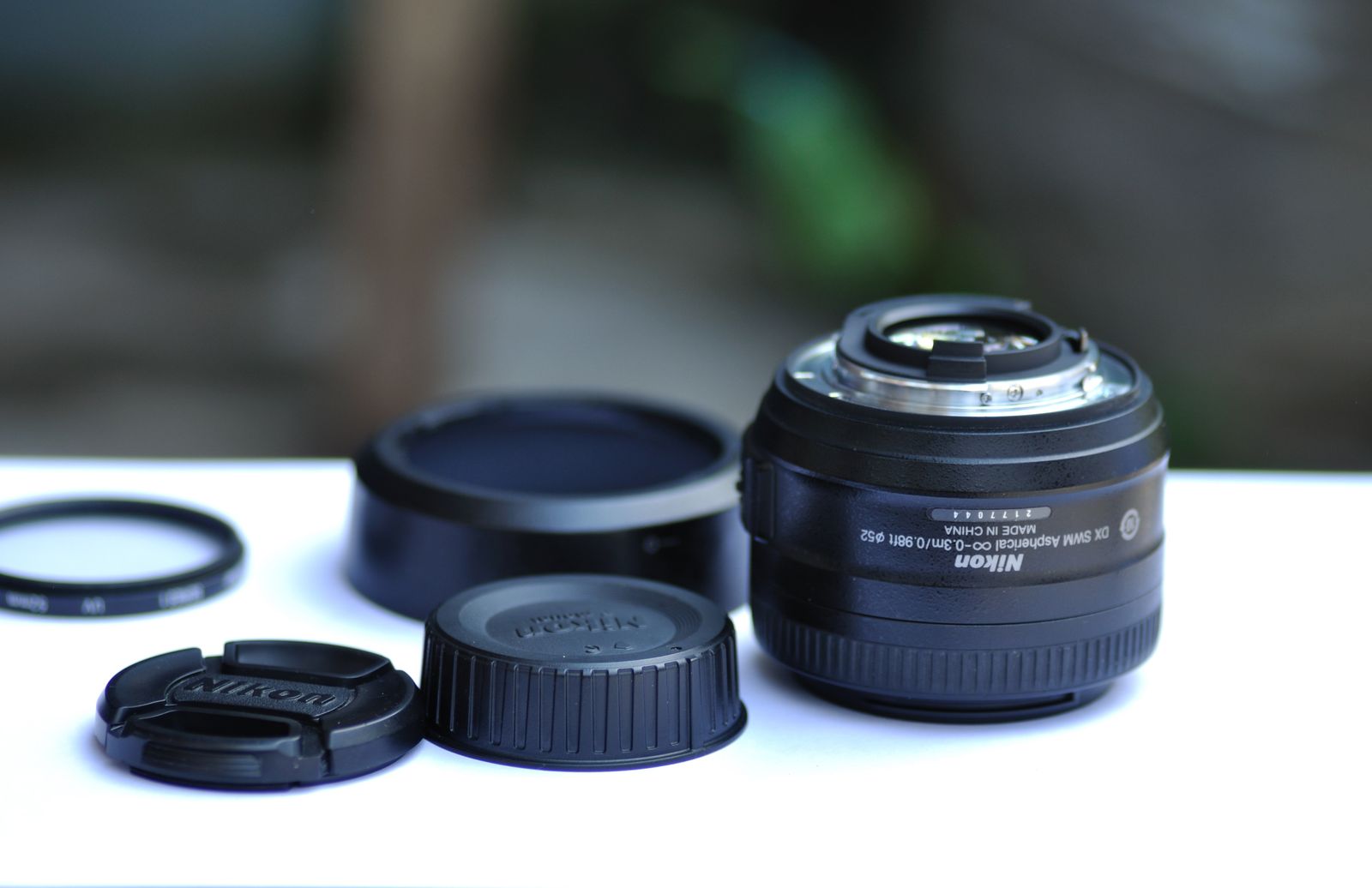
A used lens can be the best-value purchase in a photographer’s bag, or it can be an expensive lesson. Glass holds its value and its image quality for many years when it has been looked after, but a lens that has been dropped, stored in damp conditions or opened by an amateur can hide problems that no photograph in a listing will reveal. Knowing how to check a used camera lens before buying lets you take advantage of lower prices while avoiding the faults that matter most.
This guide is written for American buyers who are shopping for second-hand lenses online or in person. It explains what to inspect, which tests to run in the first hours after delivery, how to read a condition rating and what to ask a seller. We keep the advice general because prices, grading scales and return terms differ between sellers and change over time, so always confirm the current policy on the seller’s website before you pay in dollars.
Throughout the article we use the phrases used camera lens condition and buying used lenses for DSLR and mirrorless to describe the same careful process: checking optics, mechanics, electronics and compatibility before you commit. It works whether you are buying a basic prime or a premium zoom.
Many buyers plan to use new gear for video calls, streaming or tutorials as well as stills. Our guide to choosing a webcam for video calls is a helpful companion if you are building a set-up that mixes cameras for both purposes.
Start With Compatibility and Purpose
Before you inspect anything, make sure the lens will work with your camera. Lens mounts differ between manufacturers and between DSLR and mirrorless systems, and adapters add cost, bulk and sometimes limit autofocus. Confirm the exact mount, whether the lens covers your sensor size and whether autofocus and image stabilisation will work on your body.
Next, decide what you want the lens to do. A fast prime suits portraits and low light, a versatile zoom suits travel and events and a telephoto suits sports and wildlife. Matching the lens to a clear purpose prevents you from paying for features you will not use.
Read the Listing Like an Inspector
A good listing includes photographs of the actual lens from several angles, a description of cosmetic wear, notes on testing and a clear list of what is in the box. Be wary of listings with only stock photos, vague wording or no mention of the optics. If something is unclear, ask the seller specific questions before you buy.
The Optical Inspection: What to Look for in the Glass
Optical condition is the most important factor, because it directly affects image quality and is the hardest to repair. Hold the lens up to a bright light and look through it from both ends, ideally with the aperture opened to its widest setting.
Scratches, Marks and Coatings
Light dust is normal and rarely affects images, but scratches on the front or rear element can cause flare or reduce contrast. Check for worn coatings, which appear as patches with a different colour reflection, and for cleaning marks that look like fine swirls.
Haze, Fungus and Separation
Haze looks like a thin milky film inside the lens and can reduce contrast. Fungus appears as branching, web-like patterns and can spread in humid conditions. Separation, where cemented elements come apart, shows up as rainbow-like edges or cloudiness. Any of these can seriously affect sharpness and resale value, so treat them as red flags unless the price reflects the problem.
If you plan to use your new lens to make video content, planning the shots in advance saves time on location. Our article on how to plan prompts for AI explainer videos shows a structured way of preparing scenes that also works for lens-based video planning.
The Mechanical and Electronic Checks
After the glass, test how the lens works. Mechanical wear is easier to spot and cheaper to live with than optical damage, but electronic faults can be costly to repair.
Rings, Aperture and Mount
Rotate the focus and zoom rings through their full range. They should move smoothly without grinding, sticking or play. Check the aperture blades by looking through the lens while changing the aperture; they should move cleanly and without oil on the blades. Inspect the mount for scratches, dents and wear, and make sure the lens attaches firmly with no wobble.
Autofocus and Stabilisation
Test autofocus at different distances and in both bright and dim conditions. Listen for unusual noises and watch for hunting or inconsistent focus. If the lens has image stabilisation, switch it on and off and listen for the normal clicks or hum. Finally, shoot test images at several apertures and focal lengths and review them at full size to check for softness, decentring or vignetting.
Used Lens Checklist and Rating Guide
The table below turns the inspection into a quick checklist you can print or save on your phone.
| Check | What good looks like | Red flag |
|---|---|---|
| Front and rear glass | Clean, with only light dust | Scratches, cleaning swirls, coating loss |
| Inside the lens | Clear view with no film | Haze, fungus, separation |
| Focus and zoom rings | Smooth, even resistance | Grinding, sticking, play |
| Aperture blades | Quick, dry, clean movement | Oil, slow or sticking blades |
| Autofocus | Quiet, accurate and consistent | Hunting, noise, front or back focus |
| Mount and body | Firm fit and minor cosmetic wear | Dents, cracks, wobble |
| Test shots | Even sharpness across the frame | One soft side or corner |
Condition ratings from sellers are useful shorthand, but they are not standardised. One seller’s “excellent” may allow minor cosmetic marks while another’s does not. Read the definitions and look at photographs rather than relying on the label alone.
Questions to Ask Before You Pay
- What exactly is included? Caps, hood, case and any filters should be listed.
- What is the returns window? A longer period gives you time to test properly.
- Is there a warranty? Check the length and what it covers.
- Has the lens been repaired or serviced? A professional service can be a plus; unknown repairs are a risk.
- Can you share close-up photos of the glass? Good sellers are happy to help.
Where MPB US Fits Into Your Comparison
If you prefer a seller that tests and rates its stock, a practical option to explore is MPB, which sells used cameras and lenses to American buyers and also buys equipment from photographers. As you look through MPB, compare the condition descriptions across similar lenses, note what each listing says about testing and confirm the current returns and warranty information on the site.
Whichever seller you use, comparing a handful of listings for the same lens helps you understand the typical price range and spot any bargains that look too good to be true. If you also work from a home office, you may like our review of the best keyboards for a home office, which is useful when you spend hours editing the images you take.
Pros and Cons of Buying a Used Lens
Pros: Lower cost than new, access to premium glass, strong resale value and a wide choice of older designs with distinctive character.
Cons: Possible hidden wear, shorter warranty, the need to test thoroughly and the chance that a bargain turns out to be faulty if the seller offers limited returns.
FAQ
Q1: Is a small amount of dust inside a lens a problem?
Usually not. Light dust is common in used lenses and rarely affects images. Haze, fungus or heavy contamination are more serious and can reduce contrast or sharpness.
Q2: How can I test a lens quickly when it arrives?
Mount it on your camera, shoot a few test images at different apertures and focal lengths, check autofocus at near and far distances and review the results at full size. Inspect the glass with a torch and test every ring and switch.
Q3: Should I buy a lens without a warranty?
It is possible if the price is low enough and you accept the risk, but a warranty and clear returns policy give valuable protection. Ask what coverage exists and read the terms before you buy.
Q4: Does cosmetic wear matter?
Cosmetic wear, such as small marks on the barrel, often does not affect performance and can reduce the price. Focus most of your attention on the glass, the mechanics and the autofocus.
Conclusion: Check Every Lens the Same Way
The best way to check a used camera lens before buying is to follow the same checklist every time: confirm compatibility, inspect the glass, test the rings, aperture and autofocus, shoot test images and review the seller’s returns and warranty terms. That routine takes minutes and can save you from the most expensive mistakes.
When you are ready to compare, consider browsing listings on MPB alongside other sellers and choose the one that offers the clearest description, the strongest protections and a fair price in dollars. A carefully checked used lens can serve you well for many years.





Leave feedback about this