

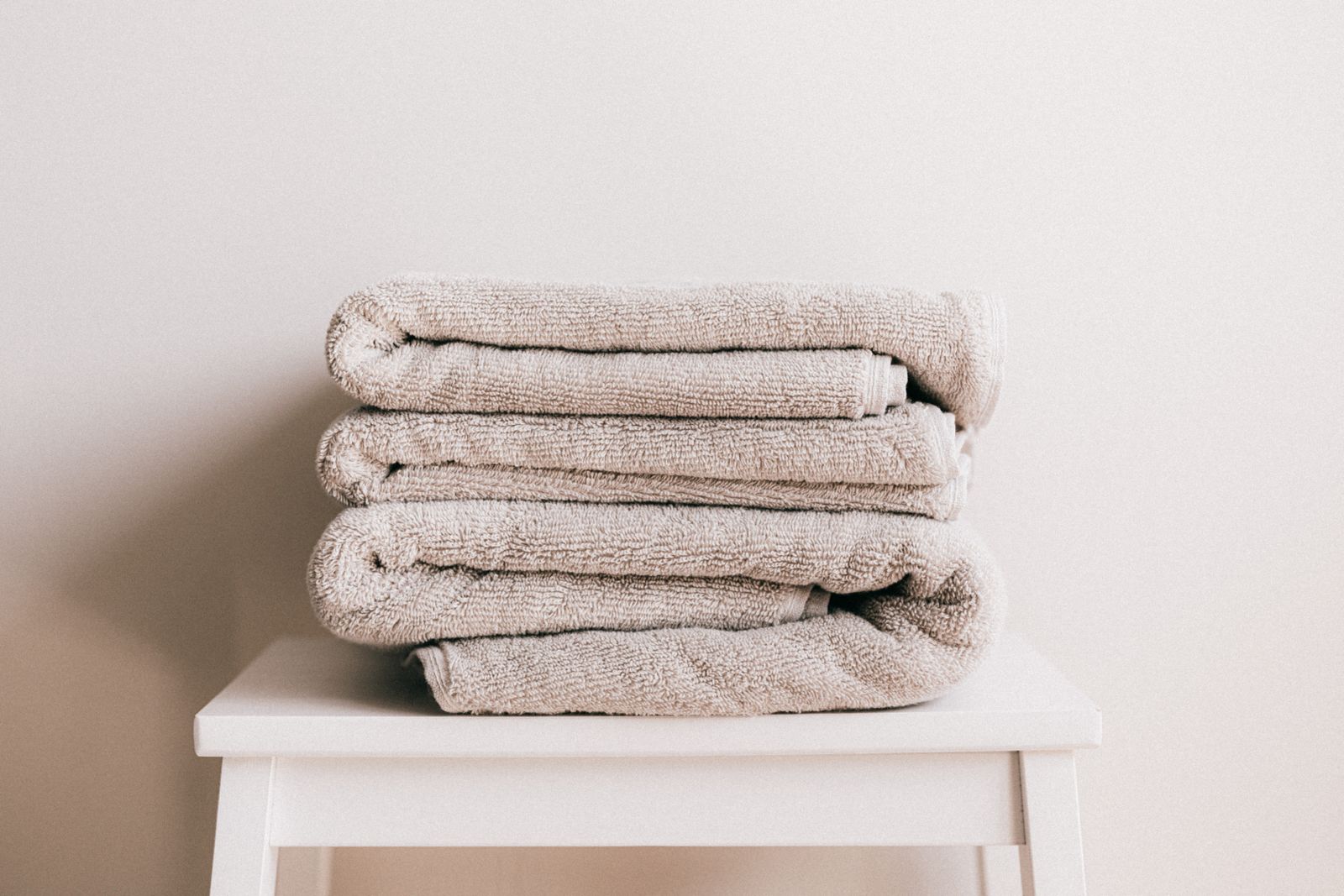
Learning how to choose everyday bath towels sounds trivial until you own a stack that feels scratchy, sheds lint or stays damp for hours. Towels are used daily and washed constantly, so the right choice affects comfort, hygiene and long-term value. Yet most shoppers buy by colour or price alone and discover the shortcomings only after the first few washes.
This guide gives American households a clear framework for judging quality. We explain the bath towel GSM guide that manufacturers use, compare fibres, show how cotton towel absorbency really works, and set out a practical towel size comparison. By the end you will know which specifications matter and which are just marketing.
The central idea is that no single towel is best for everyone. A family that wants quick-drying towels for a humid bathroom has different needs from someone who loves a plush hotel feel. Matching the towel to your routine, laundry habits and climate is what produces satisfaction.
Think of towels as part of a wider home refresh. A coordinated look is easier when you plan colours and textures together, as explained in our walkthrough on how to coordinate home decor on a budget, which applies equally to the bathroom.
How to Choose Everyday Bath Towels: Start With GSM
GSM stands for grams per square metre and measures fabric density. It is the quickest indicator of how heavy and plush a towel will feel. The figures below are general guidelines rather than strict standards, because brands measure and label products differently.
- Under 400 GSM: lightweight and quick drying, suited to gym bags, travel and warm climates.
- 400 to 600 GSM: a balanced range that works well for most everyday bathrooms.
- 600 to 900 GSM: thick, plush and highly absorbent, but slower to dry and heavier in the wash.
A higher number is not automatically better. Very dense towels can take a long time to dry in a small or poorly ventilated bathroom, which encourages odours. For daily use, the middle of the range usually offers the best compromise between softness, absorbency and drying time.
Understanding Cotton Towel Absorbency
Cotton dominates the towel market because natural fibres absorb water efficiently. Within cotton, fibre length matters. Long-staple cotton, such as Egyptian or Pima, produces smoother, stronger yarn that resists pilling and lasts longer. Shorter fibres feel rougher and shed more lint, particularly in the first washes.
Construction is equally important. Towels made from looped terry have a surface of tiny loops that trap water. Ring-spun or combed yarns create a softer, more durable loop than standard open-end yarns. Some towels are also labelled low-twist, which gives a fluffy feel but can be slightly less durable.
Blends containing microfibre dry faster but often feel less luxurious and may not absorb as thoroughly. If you want maximum cotton towel absorbency, pure cotton is still the safest choice for everyday bathing. One caution applies to new towels: fabric softener can coat fibres and reduce absorbency, so use it sparingly or avoid it.
Bath Towel Size Comparison
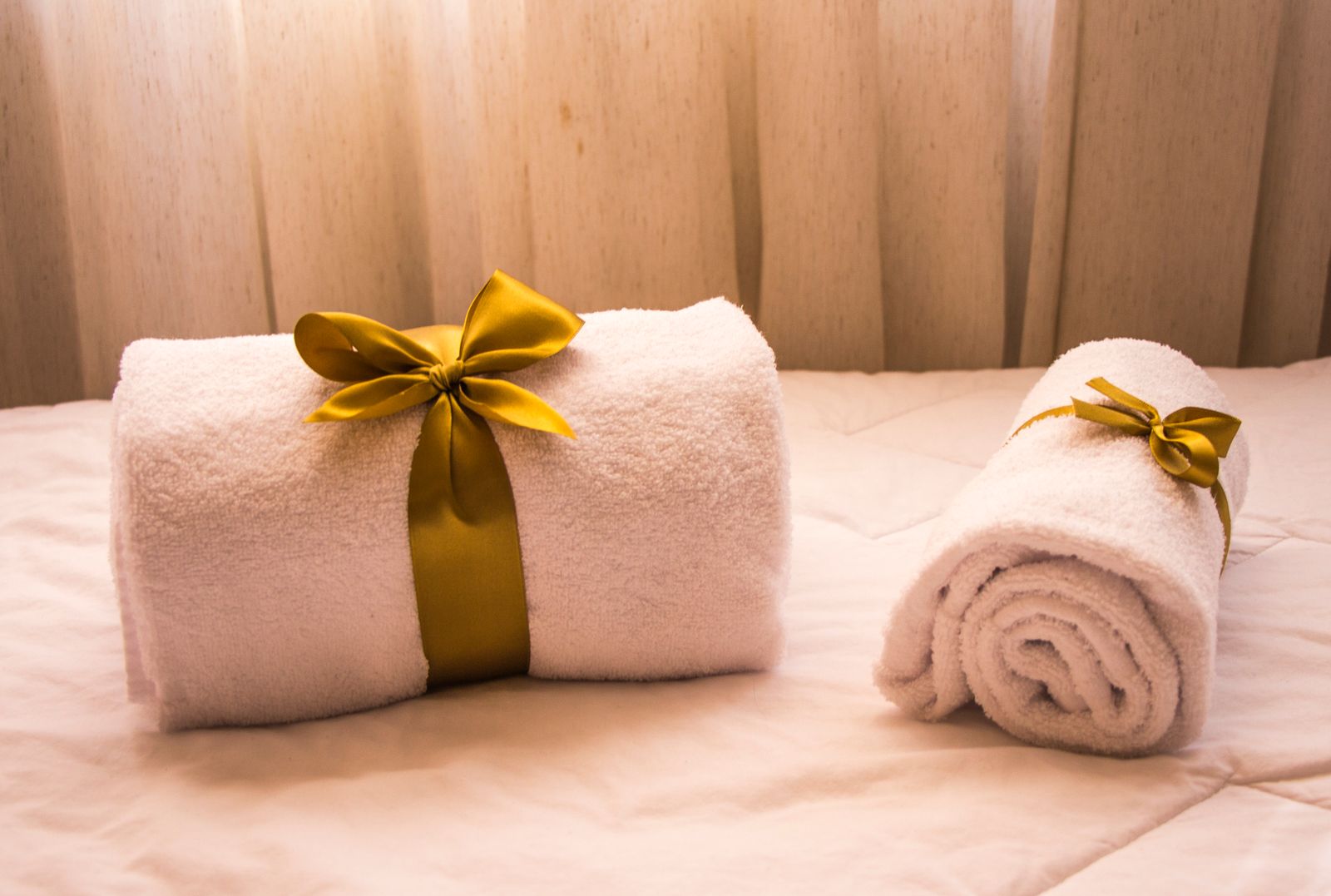
Size affects both comfort and laundry load. Standard sizes vary slightly by brand, so check the product measurements before buying. A well-stocked bathroom usually includes a mix of sizes for different tasks.
| Type | Typical Size | Best For |
|---|---|---|
| Washcloth | About 13 x 13 inches | Face and quick cleaning |
| Hand towel | About 16 x 28 inches | Drying hands at the sink |
| Bath towel | About 27 x 52 inches | Daily showers |
| Bath sheet | About 35 x 60 inches | Extra coverage and comfort |
For most households, standard bath towels are the practical choice. Bath sheets feel indulgent but take more space in the washing machine and longer to dry, so reserve them for those who value the extra wrap.
Comparing Towel Types at a Glance
Different materials suit different priorities. Use this overview to narrow your options before you shop.
- Standard cotton terry: the all-round choice, absorbent and widely available.
- Egyptian or Pima cotton: softer and longer lasting, usually at a higher price.
- Turkish cotton: thinner and quick drying, popular for a spa-like feel.
- Bamboo or blended fibres: soft with a distinct drape, though quality varies by blend.
- Microfibre: very fast drying, ideal for gym and travel use.
Fabric choice also connects to your wider linen purchases. If you are weighing softness and durability across your home textiles, our comparison of linen sheets vs cotton sheets explains how these fibres behave over time, and many of the same principles apply to towels.
Where and How to Shop for Value
Everyday towels are a repeat purchase, so value matters as much as feel. Retailers frequently run seasonal promotions, and department stores often discount bedding and bath ranges during sales events. If you prefer to compare several ranges in one place, you can browse the bath collections at Kohl’s and check the stated GSM, material and care label on each product page.
Before purchasing, read the label for fibre content, weight and wash instructions. Look for clear specifications rather than vague claims such as “ultra soft”. Check return policies as well, because the true quality of a towel often only becomes obvious after washing.
When you buy a set, consider choosing a neutral palette that is easy to replace gradually. This keeps your bathroom coordinated even as individual towels wear out at different rates. For further shopping inspiration, consider looking at the home range from Kohl’s and comparing it against another retailer on price per towel.
Pros and Cons of Thick vs Lightweight Towels
Thick, High-GSM Towels
- Pros: plush feel, strong absorbency, a spa-like experience.
- Cons: slow drying, heavy to wash, more storage space needed.
Lightweight, Lower-GSM Towels
- Pros: quick drying, easy laundering, compact storage.
- Cons: less cushioned, may feel thin, can wear out sooner if poorly made.
Care Tips to Keep Towels Absorbent
- Wash new towels once or twice before first use to remove finishing agents.
- Use warm water and a moderate amount of detergent; excess product leaves residue.
- Avoid heavy fabric softener, which can reduce absorbency.
- Dry thoroughly and hang between uses to prevent mildew.
- Rotate sets so wear spreads evenly. If you are refreshing your whole bedroom at the same time, our guide to choosing luxury bed sheets offers matching advice on fabric quality.
FAQ
Q1: What GSM is best for everyday bath towels?
Most households are happy with 400 to 600 GSM. It offers a good balance of softness, absorbency and drying speed without being too heavy for the washing machine.
Q2: Is a higher GSM towel always better?
No. Very dense towels feel luxurious but dry slowly, which can cause odours in humid bathrooms. Choose density to suit your routine and climate.
Q3: Why do new towels not absorb water well?
Manufacturers often apply softening finishes that repel water. Washing the towels a couple of times, without fabric softener, usually restores normal cotton towel absorbency.
Q4: How often should I replace my bath towels?
With proper care, good cotton towels commonly last several years. Replace them when they become thin, stiff, stay musty after washing or lose their absorbency.
Conclusion: Choose Towels That Fit Your Routine
Knowing how to choose everyday bath towels comes down to a few reliable checks: pick a sensible GSM, favour quality cotton for absorbency, choose a size that suits your laundry habits, and read the label before you buy. Look after your towels with gentle washing and good drying, and they will stay soft and absorbent for years. To compare ranges and prices in one place, you can explore the bath selection at Kohl’s, then apply the checklist above to make a confident choice.






Leave feedback about this