

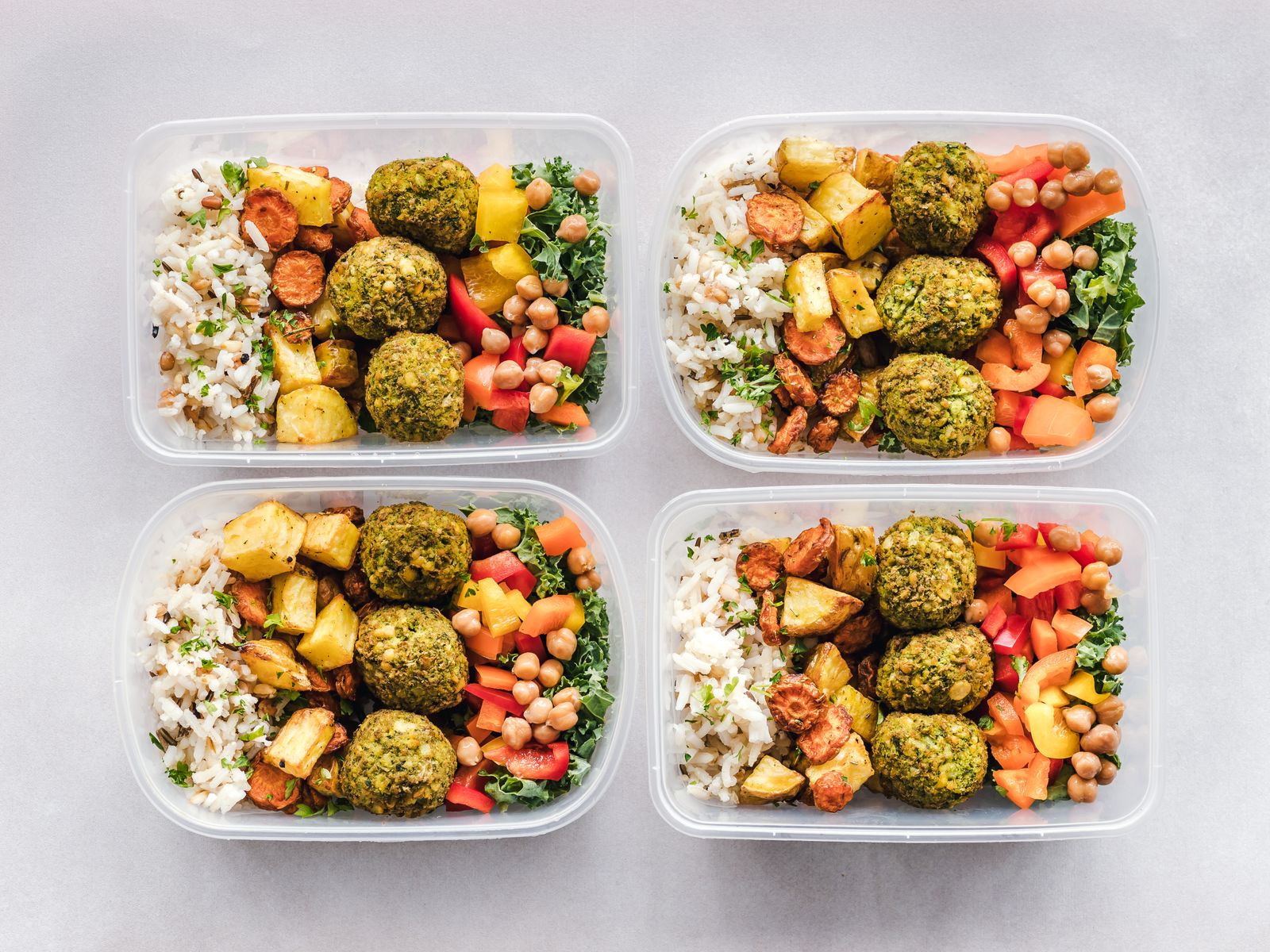
For many American professionals, dinner is the part of the day where good intentions meet a depleted calendar. Between commuting, meetings, family logistics and the occasional late deadline, the question of prepared meal delivery vs meal kits for busy adults is less about food trends and more about how much time and energy you actually have left at 6:30 p.m. Both services promise to remove the stress of deciding what to eat, but they do it in very different ways.
Prepared meals arrive fully cooked and need only a few minutes of reheating, while meal kits arrive as measured raw ingredients that you cook yourself from a recipe card. That single difference changes everything that follows: your weekly time budget, your grocery spending, the amount of cleanup, the level of dietary control and even how satisfied you feel about the meal. This guide compares the two approaches in detail so you can choose the one that fits your real schedule rather than your ideal one.
Throughout this article, we use the term ready made meals vs meal kits interchangeably with prepared meal delivery and meal kit services. We also look at the practical points that matter most to working adults in the United States: delivery windows, portion sizes, storage space, per-serving cost and how flexible each plan is when your week does not go as planned.
If you have already read our look at how meal planning compares with meal delivery for saving time, you will recognise some of the trade-offs here. This article goes a step further by separating delivery services into two distinct models and weighing each against the realities of a full work week.
What Is the Difference Between Prepared Meal Delivery and Meal Kits?
Prepared meal delivery services cook, portion and package complete meals in a central kitchen, then ship them chilled or frozen to your door. You heat the meal in a microwave, oven or air fryer and eat within minutes. Many providers design their menus around calorie ranges, protein targets or specific eating patterns, which is why they are popular with people who want predictable nutrition without cooking.
Meal kit services work differently. Each box contains pre-measured ingredients, sauces and a step-by-step recipe, typically designed to take between 20 and 45 minutes. You still chop, sauté, roast and plate the food, but you skip the shopping list, the store visit and the food waste that comes from buying a whole bottle of an ingredient you will only use once.
Time Commitment per Meal
The most important variable for a busy schedule is active time. A prepared meal typically requires three to five minutes of hands-on effort. A meal kit usually requires 25 to 40 minutes of preparation plus cleanup of pans, cutting boards and utensils. Over five weeknights, that gap can easily exceed two hours.
Cooking Skill and Kitchen Equipment
Prepared meals ask almost nothing of you beyond a microwave or oven. Meal kits assume basic knife skills, a few pans and a willingness to follow instructions under time pressure. If cooking relaxes you, that can be a benefit; if it feels like a second shift, it becomes a burden.
Prepared Meal Delivery vs Meal Kits for Busy Adults: A Side-by-Side Comparison
The table below summarises how the two models compare across the factors that matter most to people with limited time. Costs vary by provider, plan size and promotions, so treat the figures as general ranges and check current pricing before you subscribe.
| Factor | Prepared Meal Delivery | Meal Kits |
|---|---|---|
| Active time per meal | 3 to 5 minutes | 25 to 40 minutes |
| Cleanup | Minimal, often one container | Pans, boards, utensils |
| Typical cost per serving | Often $9 to $14 | Often $8 to $13 |
| Nutrition control | High, with calorie and macro labels | Moderate, depends on how you cook |
| Cooking skill needed | None | Basic to intermediate |
| Fridge and freezer space | Significant if frozen | Moderate, shorter shelf life |
| Best for | Long workdays, travel, solo eaters | Couples, families, home cooks |
As the comparison shows, prepared meal delivery wins decisively on speed and convenience, while meal kits keep an element of cooking that some households value. Neither is automatically cheaper; the true cost depends on how many meals you would otherwise buy as takeout.
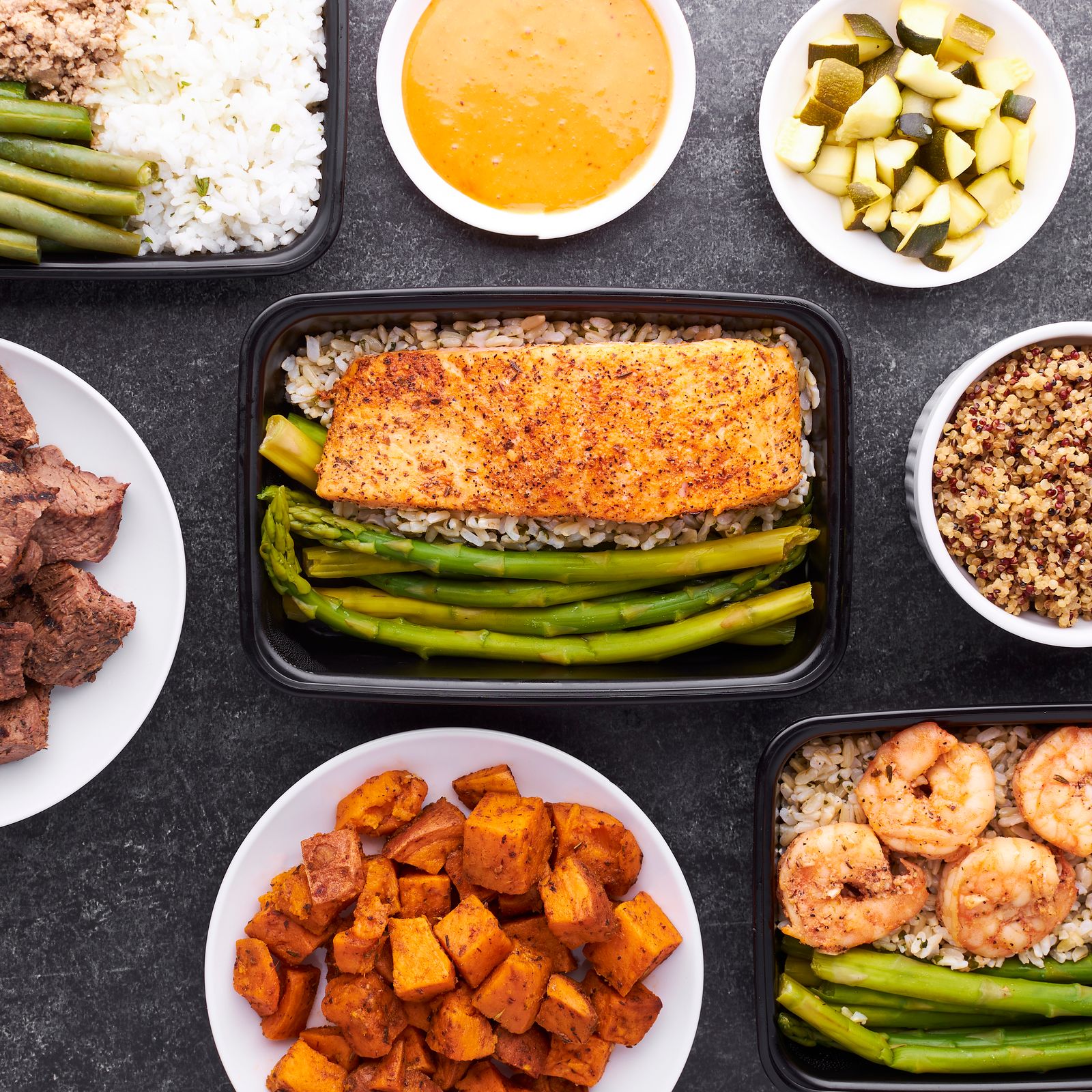
If saving money is a priority, our guide to choosing the right weight loss meal delivery plan explains how to evaluate per-serving cost against calorie targets, which is a useful lens for any delivery service.
How to Compare Convenient Meal Planning Options
Because the two models solve slightly different problems, the best way to choose is to test each against your actual week. The following checks help you move beyond marketing language and focus on what will genuinely work.
Map Your Week Honestly
Count the dinners you cook now, the ones you order out and the ones you skip. Prepared meals replace the nights you would otherwise rely on takeout, while kits replace the nights you would normally shop and cook. If most of your problem nights are the late ones, ready-to-heat meals usually fit better.
Check Delivery Windows and Flexibility
Look for services that let you skip a week, swap meals and change delivery days without penalty. A rigid schedule defeats the purpose of a convenience service. For apartment dwellers, also confirm that boxes are insulated well enough to survive a few hours on a doorstep.
Review Ingredients and Dietary Fit
Read the full nutrition panel, not just the calorie count. Sodium, added sugar and fibre vary widely between services. If you manage a specific dietary pattern, confirm that the menu offers enough variety to avoid repeating the same handful of meals every week.
- Time saved: Estimate the minutes you spend on shopping, cooking and cleanup per dinner.
- Cost per serving: Include shipping fees and compare against your current food spending.
- Menu variety: Look for rotating menus and clear allergen information.
- Storage: Check how many days of meals your fridge and freezer can hold.
- Cancellation terms: Make sure pausing or cancelling is simple and does not require a phone call.
Pros and Cons of Each Option
Prepared Meal Delivery
Pros: The fastest route to a hot dinner, clear calorie and nutrition labelling, no grocery shopping, almost no cleanup and very little food waste. It is also forgiving when plans change, since frozen meals keep for weeks.
Cons: Less variety in texture and freshness than home cooking, higher freezer demands, limited customisation and packaging that can be bulky. Some people find reheated meals less satisfying over time.
Meal Kits
Pros: Fresher ingredients, the satisfaction of cooking, more flexibility to adjust seasoning and portions, and a good way to learn new recipes without shopping for every spice.
Cons: Longer prep time, more dishes to wash, perishable ingredients that must be used within a few days and a weekly commitment that can feel heavy during busy periods.
Where Nutrisystem Fits for Busy Households
If you are leaning toward ready-to-heat meals with clear nutrition labelling, a reliable option to explore is Nutrisystem, which builds its plans around portion-controlled prepared meals and snacks. For adults who want structure without cooking, it is worth reviewing the plan options on the Nutrisystem site and comparing the per-serving cost with your current spending.
When you evaluate any provider, including Nutrisystem, read the ingredient lists, check how flexible the delivery schedule is and confirm that the menu suits your dietary needs. For a broader view of what to look for, our overview of healthy meal delivery services worth trying explains the quality markers that separate good services from average ones.
Who Should Choose Which Service?
Choose prepared meal delivery if you regularly work late, travel often, live alone, want predictable nutrition or simply dislike cooking on weeknights. The time savings are the clearest and the learning curve is nonexistent.
Choose meal kits if you enjoy cooking but hate planning, share meals with a partner or family, want to expand your recipe repertoire or prefer fresher ingredients. Kits work best when you have at least three evenings with 40 free minutes.
Consider a mix if your schedule varies. Some households order prepared meals for the busiest three nights and a small kit for a weekend dinner. Because most services let you pause or adjust orders, you can experiment for a month without a long commitment.
FAQ
Q1: Is prepared meal delivery more expensive than meal kits?
Not necessarily. Per-serving prices are often close, with prepared meals sometimes costing slightly more per plate. However, once you account for the time you save and the reduction in takeout orders, many busy adults find prepared meals comparable or better value. Always include shipping fees in your calculation.
Q2: Are ready made meals healthy enough for daily eating?
Many prepared meal services offer balanced, portion-controlled options, but quality varies. Check the sodium, added sugar, fibre and protein per serving, and balance the meals with fresh fruit and vegetables where possible. If you have a medical condition, speak with a registered dietitian or your doctor before relying on any plan.
Q3: Can I skip weeks or cancel easily?
Most major providers allow you to skip deliveries or pause your plan online, usually before a weekly cut-off date. Policies differ, so read the terms before ordering and set a calendar reminder for the cut-off so you are not charged for a box you cannot use.
Q4: Which option is better for one person?
Prepared meals are usually the better fit for a single adult because portions are sized for one and there is less leftover ingredient waste. Meal kits are often priced more attractively for two or more servings per recipe.
Conclusion: Choose the Option That Matches Your Real Week
When weighing prepared meal delivery vs meal kits for busy adults, the right answer depends on the time you genuinely have, not the time you hope to have. If your evenings are unpredictable, prepared meals deliver the most reliable relief. If you value fresh cooking and have a few free evenings, meal kits offer a satisfying middle ground between grocery shopping and takeout.
Start small: order one week of each, track the minutes you spend, note how you feel about the food and compare the real cost against your usual spending. For a dependable prepared-meal starting point, consider exploring Nutrisystem alongside other providers. A short trial will tell you more than any comparison chart, and it will help you build a dinner routine that supports your health instead of competing with your schedule.







Leave feedback about this