

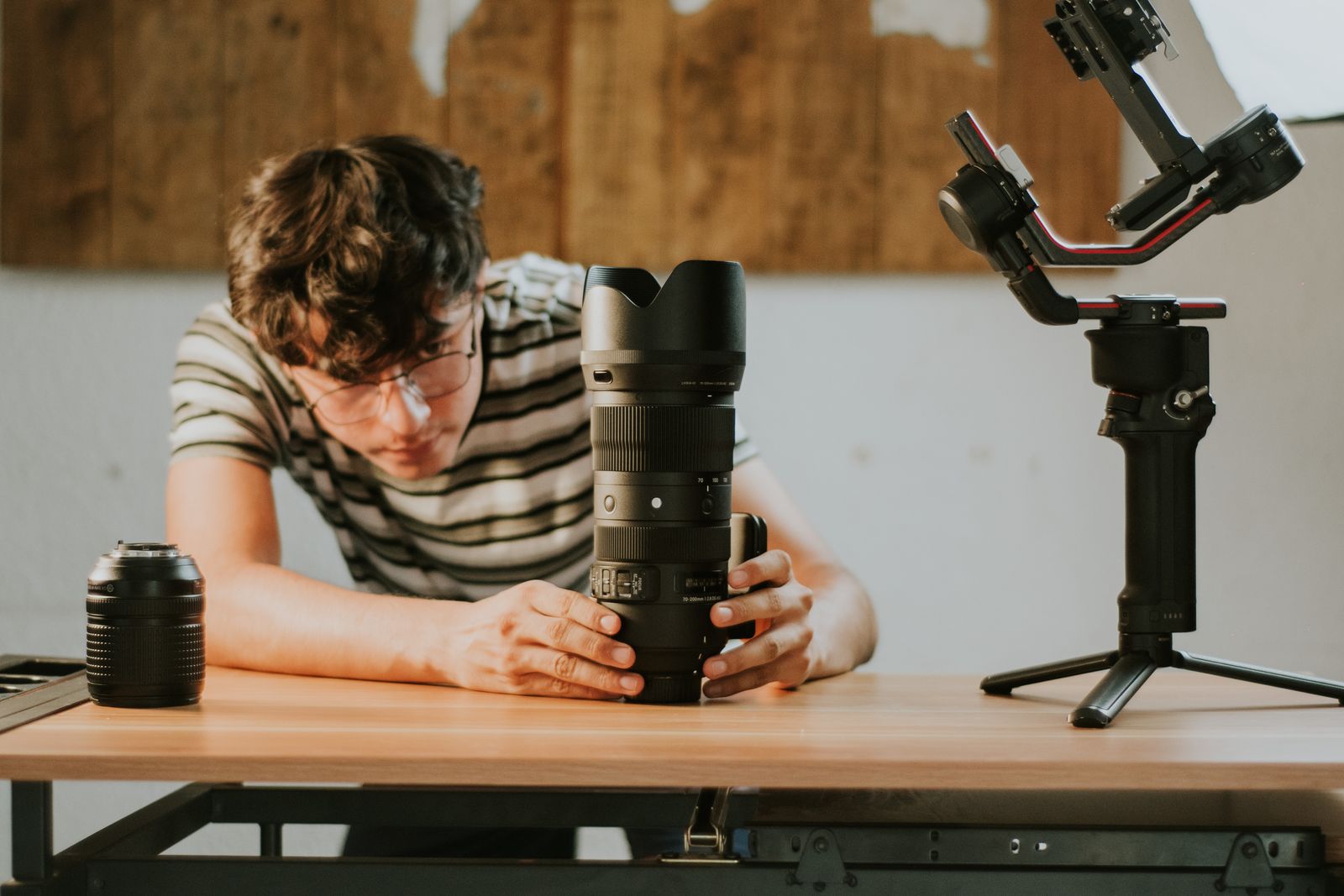
Buying second-hand camera equipment is one of the smartest ways for British photographers to stretch a budget. A well-looked-after lens or body can deliver the same image quality as a new one for noticeably less money, which is why buying used camera gear in the UK has moved from a hobbyist workaround to a mainstream choice. The risk is that quality varies enormously between sellers, and a bargain that arrives with fungus in the lens, a worn shutter or missing accessories is no bargain at all.
This guide explains how to buy used camera gear safely in the UK. You will learn how to decide what you actually need, what to inspect on bodies and lenses, how condition ratings and returns policies work in general, how to compare marketplaces and private sellers and how to build a buying routine that protects your money. The advice is general, so always confirm current terms, prices and warranty details on the seller’s own website before you pay.
We use phrases such as second hand camera lenses UK and used camera bodies and accessories throughout, because each category carries slightly different risks. Lenses can hide internal haze or scratches, bodies can hide heavy shutter use and accessories such as batteries and chargers can quietly wear out.
If you already edit your own photos and video, you will be familiar with how quickly gear choices affect your workflow. Our UK buying guide to video editing software for beginners is a useful companion if your new kit will also be used for filming.
Why More UK Photographers Are Choosing Used Camera Gear
New camera equipment depreciates quickly, particularly in the first year or two. That means a carefully selected used item often costs far less than the same model bought new, while still offering excellent performance. For beginners, it lowers the barrier to entry. For experienced photographers, it makes it possible to add a second lens, a faster prime or a backup body without a large outlay.
There is also an environmental argument. Extending the life of existing equipment reduces demand for new manufacturing, which appeals to many buyers who want to keep their kit in circulation. Whatever your motivation, the key is knowing how to separate well-maintained equipment from items that have been neglected.
Decide What You Need Before You Browse
Impulse buying is the biggest enemy of a sensible used-gear purchase. Before you start looking, write down your main subjects, such as landscapes, portraits, wildlife or events, your budget in pounds and your must-have features. Decide whether you need a particular lens mount, how important weather sealing is and how much weight you are willing to carry.
It also helps to check how long a model has been on the market. Older models can be a bargain, but you should confirm that batteries, memory card formats and accessories are still easy to find in the UK.
What to Inspect on Used Cameras and Lenses
Whether you buy online or in person, a structured inspection reduces risk. When buying online, you rely on photographs, descriptions and condition ratings, so read them carefully and look for close-up photos of the actual item rather than stock images.
Lenses
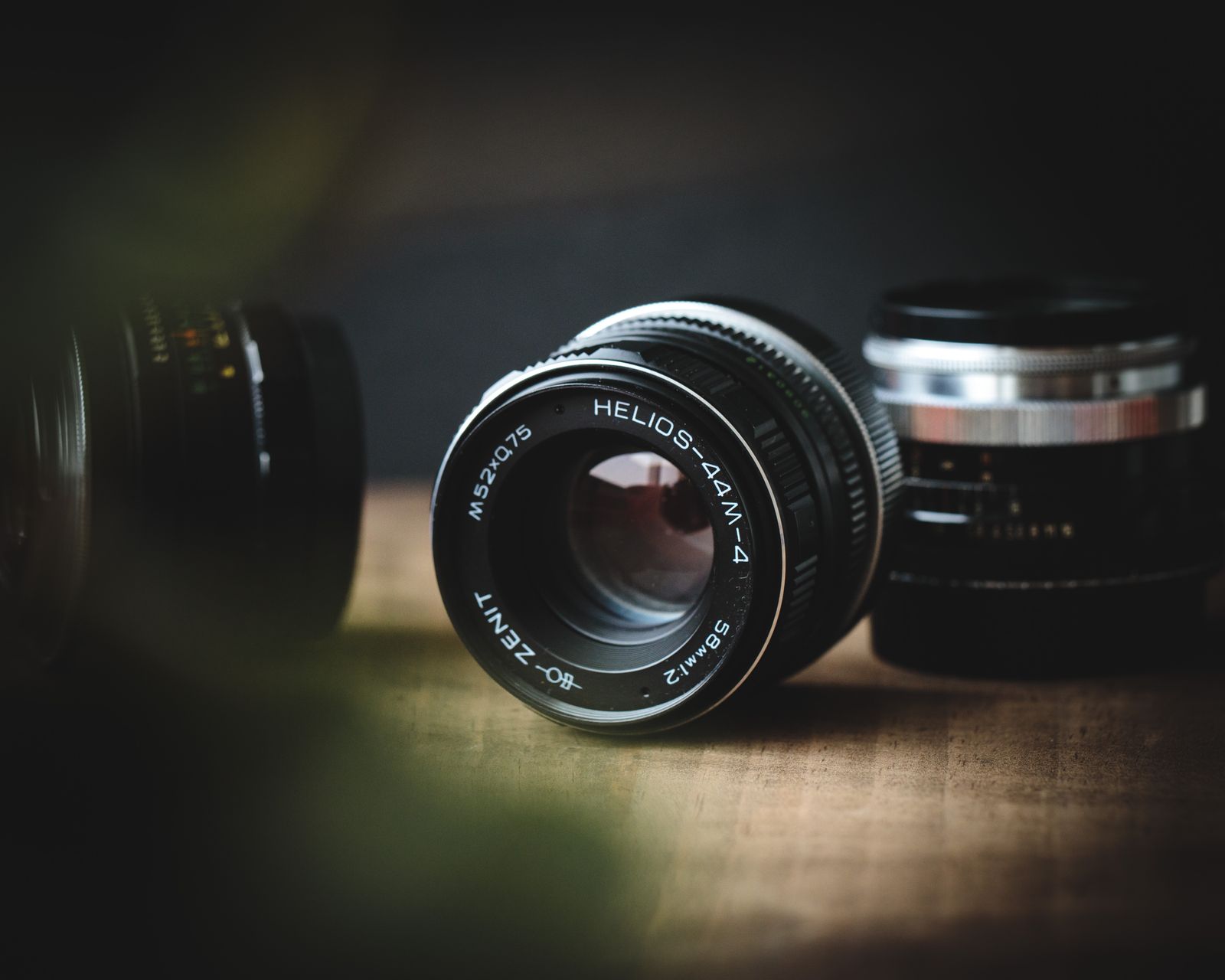
Look for scratches on the front and rear elements, haze, fungus and dust. Check that the focus and zoom rings turn smoothly, that the aperture blades move cleanly and that autofocus works quietly and accurately. A small amount of dust is common and usually harmless, but fungus or visible haze can affect contrast and may spread.
Camera Bodies
Check the shutter count where it can be read, the condition of the sensor, the LCD screen, the grip and the buttons and dials. Test the memory card slot, battery door and ports. Look for signs of heavy wear, corrosion or damage around the lens mount. If possible, take test shots and review them at full size for dead pixels or marks.
Accessories
Batteries, chargers, straps, caps and hoods often make the difference between a complete and an incomplete kit. Confirm what is included in the listing and whether batteries are original, since third-party versions vary in quality.
If your new camera is going to be paired with a computer for editing, make sure the display is up to the job. Our guide to how to choose a monitor for work and casual gaming explains what to look for in resolution and colour, which matters when you review images.
Comparing Where to Buy: Marketplaces, Dealers and Private Sellers
Where you buy shapes how much protection you have. The table below summarises the typical differences, although every seller sets its own terms, so check the details before you commit.
| Source | Typical strengths | Typical risks |
|---|---|---|
| Specialist used-gear marketplace | Inspected items, condition ratings, stated returns and warranty terms | Prices may be firmer than private sales |
| Camera shop or dealer | Hands-on inspection and local advice | Smaller selection |
| Online auction site | Wide choice and possible bargains | Variable honesty and condition |
| Private seller | Negotiable prices and a chance to test in person | Limited recourse if something is wrong |
As a rule, the less protection a channel offers, the more carefully you need to inspect and the more discount you should expect. In the UK, consumer rights can differ between buying from a business and from a private individual, so check what applies to your purchase.
Condition Ratings, Returns and Warranty: What to Look For
Condition ratings are a shorthand for how worn an item is, but every seller defines its categories differently. Read the definitions rather than assuming that one seller’s “good” matches another’s. Look for clear descriptions of cosmetic wear, functional testing and what is included in the box.
Then check the returns window and any warranty on offer. A clear return period lets you test the item properly, ideally within the first few days, while a warranty offers protection against faults that appear later. Terms change, so confirm the current details on the seller’s website and keep your order confirmation and packaging until you are satisfied.
- Read the full description: Look for notes on marks, wear and missing items.
- Check photographs of the actual item: Avoid listings that show only generic images.
- Confirm returns and warranty terms: Know your options before you pay.
- Test promptly on arrival: Check autofocus, shutter, sensor and screen straight away.
- Pay safely: Use protected payment methods rather than bank transfers to strangers.
Where MPB UK Fits Into Your Search
If you want a marketplace built around used photo and video equipment, a practical option to explore is MPB, which lists second-hand cameras, lenses and accessories for UK buyers and also accepts equipment from sellers. When you browse MPB, read each item’s condition description, compare similar listings and check the current returns and warranty information on the site.
It is sensible to compare two or three sources for the same lens or body before you decide. Looking at several listings reveals the typical price range for each model and helps you spot items that are unusually cheap or expensive. Many creators also pair new equipment with promotional content, and our walkthrough on how to turn product photos into AI promotional videos shows one way to put your camera work to use.
Pros and Cons of Buying Used Camera Gear
Pros: Lower prices, access to higher-end models, less depreciation when you resell, a wider choice of older lenses and the satisfaction of giving equipment another life.
Cons: Cosmetic and functional wear, shorter or no manufacturer warranty, the need to inspect carefully and the possibility of compatibility issues with older accessories.
FAQ
Q1: Is it safe to buy used camera lenses online in the UK?
It can be, provided you buy from a seller with clear condition descriptions, photographs of the actual item and a stated returns policy. Test the lens promptly after delivery and return it within the permitted window if anything is wrong.
Q2: How do I check the shutter count on a used camera?
Many cameras store shutter actuations in the file metadata, and free software can read it from a test image. Seller listings sometimes state it directly. Compare the figure with the rated shutter life published by the manufacturer for that model.
Q3: Should I buy from a private seller or a specialist marketplace?
Private sellers may offer lower prices, but you usually have less protection. Specialist marketplaces generally provide inspection, condition ratings and defined returns terms, which many buyers value even if the price is slightly higher.
Q4: What accessories should I check are included?
Confirm the battery, charger, body cap, lens caps, strap and any hoods or adapters. Missing items are easy to overlook in the listing and can add to the real cost of the purchase.
Conclusion: Buy Used Camera Gear in the UK With a Plan
Buying used camera gear in the UK rewards patience and preparation. Decide what you need, learn what to inspect, compare sellers and read the returns and warranty terms before you pay. A short checklist, followed every time, will protect you from most of the problems that give second-hand gear a bad reputation.
When you are ready to shop, consider comparing listings on MPB alongside dealers and other sources, and choose the option that offers the clearest description and the protection you are comfortable with. With the right approach, a used lens or body can become the best-value item in your camera bag.





Leave feedback about this