

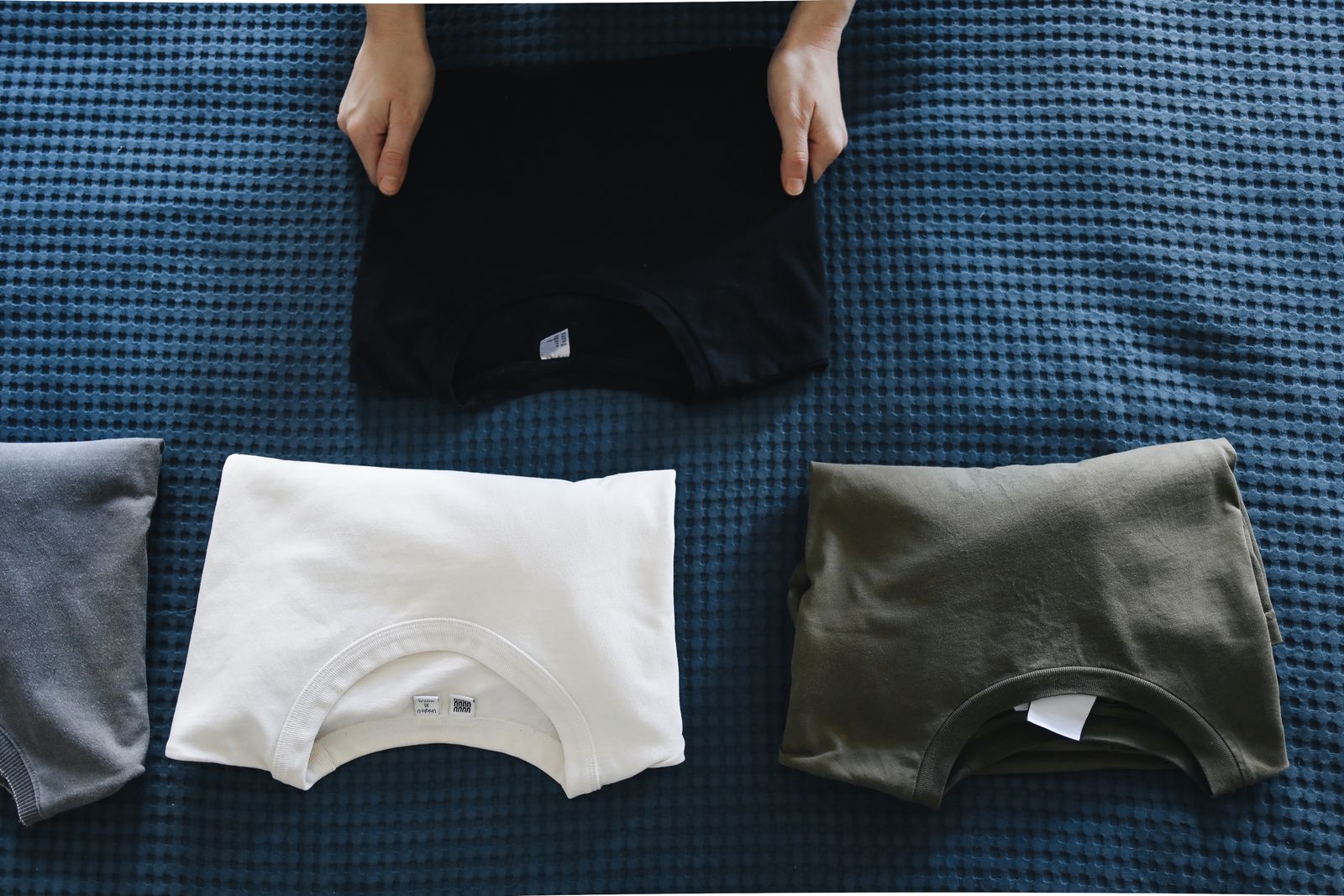
Everyday basics are the clothes you wear most often: t-shirts, underwear, base layers, leggings and simple tops. Because they are worn and washed constantly, they are also the pieces that wear out fastest, which makes quality, fabric and care more important than price alone. Learning how to choose sustainable everyday basics helps you build a wardrobe that feels better, lasts longer and creates less waste over time.
This guide is written for American shoppers who want practical, honest advice rather than marketing slogans. We explain what sustainable fabrics actually are, how to judge fit and construction, which labels and claims deserve scrutiny and how to wash and store basics so they last. We also include a comparison table, a pros and cons review and a FAQ that addresses common questions about cost and care.
Throughout the article we use the terms organic cotton basics, sustainable fabric guide and durable everyday clothing to describe the three ideas that matter most: where the fibre comes from, how it is made into clothing and how long the clothing will last. Sustainability is a spectrum rather than a label, so we focus on questions you can ask rather than promises you must trust.
If you are building a smaller, more versatile wardrobe, our guide to building a practical capsule wardrobe for work shows how a handful of well-made basics can support many outfits, which is a good foundation for the choices described below.
What Makes a Basic “Sustainable”?
There is no single definition, but most credible approaches look at four areas: the raw material, the manufacturing process, the working conditions and the product’s lifespan. A garment made from responsibly grown fibre but designed to fall apart after ten washes is not particularly sustainable, while a durable garment made from conventional fibre may have a smaller footprint than a flimsy “eco” alternative.
For that reason, the most useful rule is simple: buy fewer, better pieces and wear them for longer. Durability is the most reliable sustainability feature you can verify yourself, because you can test it with your hands and your washing machine.
Questions to Ask About Any Brand
- Where does the fibre come from? Look for specific information rather than general claims.
- Are certifications named and verifiable? Recognised standards can be checked with the certifying body.
- What is the care guidance? Clear, realistic instructions suggest a company has tested its products.
- Are repair, take-back or recycling options offered? These extend the life of clothing.
Sustainable Fabric Guide: Fibres Compared
Fabric is the first thing to check, because it determines comfort, durability and care. The table below compares common fibres used in everyday basics. Treat it as a general guide, since quality varies between producers.
| Fibre | Strengths | Watch Out For |
|---|---|---|
| Organic cotton | Soft, breathable, widely available | Can shrink or lose shape if poorly made |
| Recycled cotton or polyester | Reduces demand for new raw material | Synthetic fibres can shed microfibres in the wash |
| Merino wool | Temperature regulating, resists odour | Needs gentle washing, higher cost |
| Lyocell or modal | Smooth, soft drape, good for underwear | Production claims vary, so check sourcing |
| Linen and hemp | Strong, breathable, improves with wear | Wrinkles easily, can feel stiff at first |
Fabric weight also matters. A thicker, tightly knit cotton usually holds its shape better than a very thin one, but it can feel warmer. Match the weight to how you plan to wear the garment: lighter for summer layers and base layers, heavier for t-shirts you want to last for years.
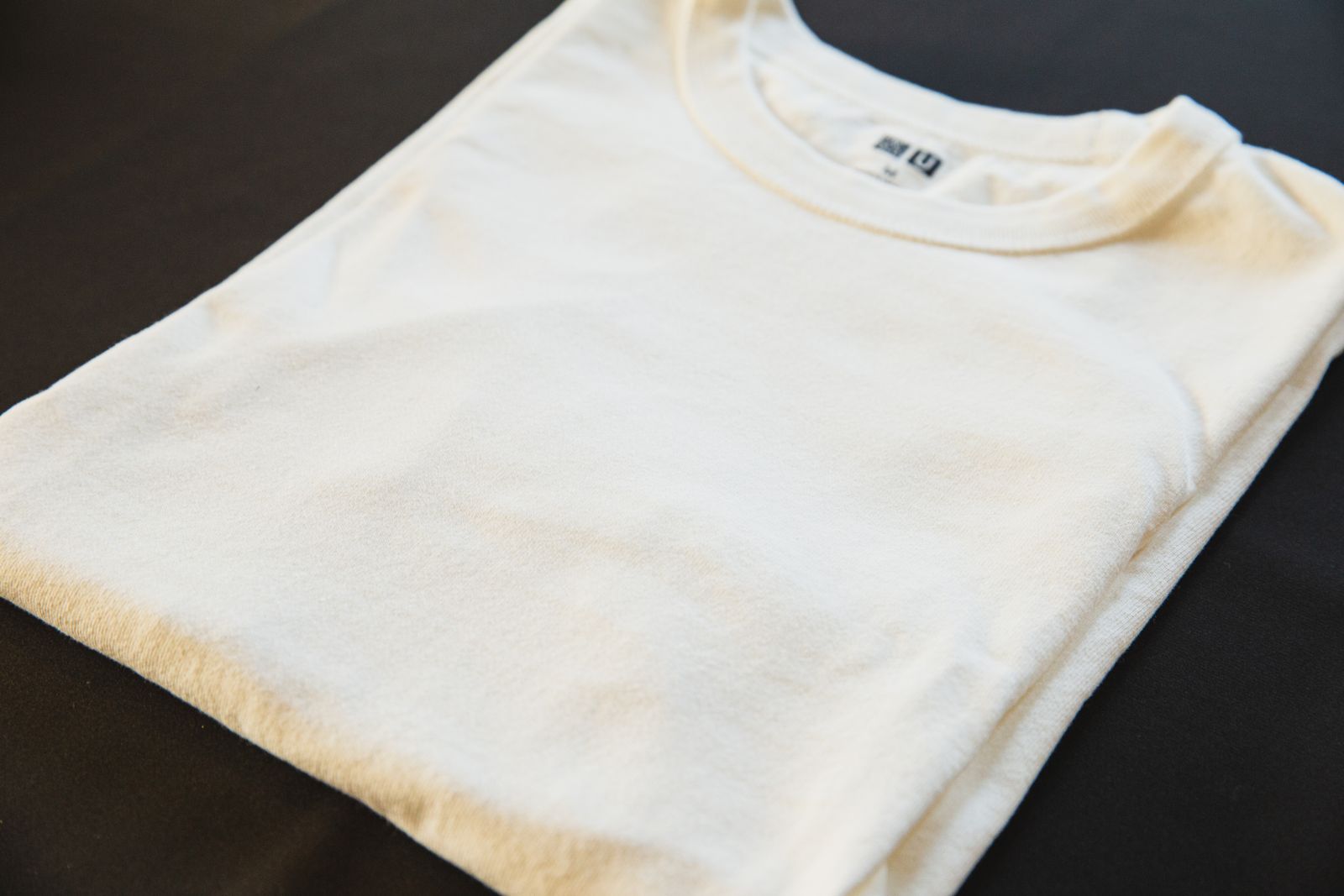
Natural fibres feel different in different products, so it helps to compare them directly. Our guide on linen sheets vs cotton sheets and which to choose explains how weave, weight and fibre behave over time, and the same principles apply to clothing.
Fit and Construction: What Durability Looks Like
Fit affects how often you wear a garment, and construction affects how long it survives. A basic that fits well is worn more often, which increases its value and reduces the temptation to replace it. Check shoulder seams, sleeve length and hem length in your usual size, and read reviews for comments about shrinkage and shape retention.
Construction Checks
Look at seams, stitching and necklines. Neat, flat seams and reinforced stress points suggest careful making. A neckline that has a taped inner seam is less likely to stretch out. Hold the fabric up to the light: if you can see through it easily, it will probably wear thin sooner.
Buying Online vs In Store
Online shopping makes it harder to judge fabric, so rely on detailed product descriptions, measurement charts and real customer photos. Buy one item first to test fit and washing before ordering a full set of basics.
Where Organic Basics Fits Into Your Search
If you want a brand that focuses on everyday basics made with lower-impact materials, one option to explore is Organic Basics, which offers underwear, t-shirts, base layers and activewear. When you review Organic Basics or any similar brand, read the materials and care information on each product page and compare the stated fibre, weight and fit notes with the checklist above.
Brand claims are most useful when they are specific. Look for named fibres, clear descriptions of how items are made and honest care guidance, and confirm current details on the official site before you buy. Value also matters, so our article on comparing off-price clothing finds with five smart checks offers ideas for judging quality against price, which applies equally to sustainable basics.
Care Tips: Making Basics Last
How you wash clothing can matter as much as what it is made from. Wash at lower temperatures, use full loads, choose gentle detergents and avoid fabric softeners that coat fibres. Where possible, air dry or use a low heat setting, because high heat shortens the life of elastic and natural fibres.
For synthetic or blended fabrics, consider a microfibre-catching wash bag or filter to reduce the amount of plastic fibre released into waterways. Repair small issues early, such as loose seams or minor holes, and rotate items to spread wear. Treat stains promptly, since repeated harsh washing weakens fabric.
Pros and Cons of Choosing Sustainable Basics
Pros: Better comfort, longer lifespan, a smaller environmental footprint when worn for years, a simpler wardrobe and often more transparent information about materials.
Cons: Higher upfront cost, fewer trend-led styles, claims that vary in quality and the need to follow care instructions more carefully.
FAQ
Q1: Is organic cotton always better than regular cotton?
Not always. Organic cotton is grown under specific farming standards, but the quality of the finished garment also depends on yarn, knit and construction. Use organic labelling as one factor alongside fit, durability and care.
Q2: How can I tell if a sustainability claim is trustworthy?
Look for specific, verifiable information such as named materials and recognised certifications that you can check with the issuing body. Be cautious about vague words like “eco-friendly” or “green” without explanation.
Q3: Are sustainable basics worth the higher price?
They can be if they last significantly longer than cheaper alternatives. Compare cost per wear rather than the sticker price, and keep items long enough to benefit from the investment.
Q4: How should I wash sustainable basics?
Follow the care label, wash at lower temperatures, avoid harsh detergents and fabric softeners and air dry when possible. Gentle care preserves fibres and shape.
Conclusion: Buy Better, Wear Longer
Knowing how to choose sustainable everyday basics means looking beyond labels: check the fibre, test the fit, inspect the construction and follow good care habits. The most sustainable garment is the one you wear often and keep for years.
Start by replacing the basics you wear most, test one or two pieces before buying more and keep notes on how they wash and wear. If you want to compare a brand focused on everyday essentials, consider reviewing Organic Basics alongside other options and choose the pieces that fit your needs, your budget and your values.





Leave feedback about this