

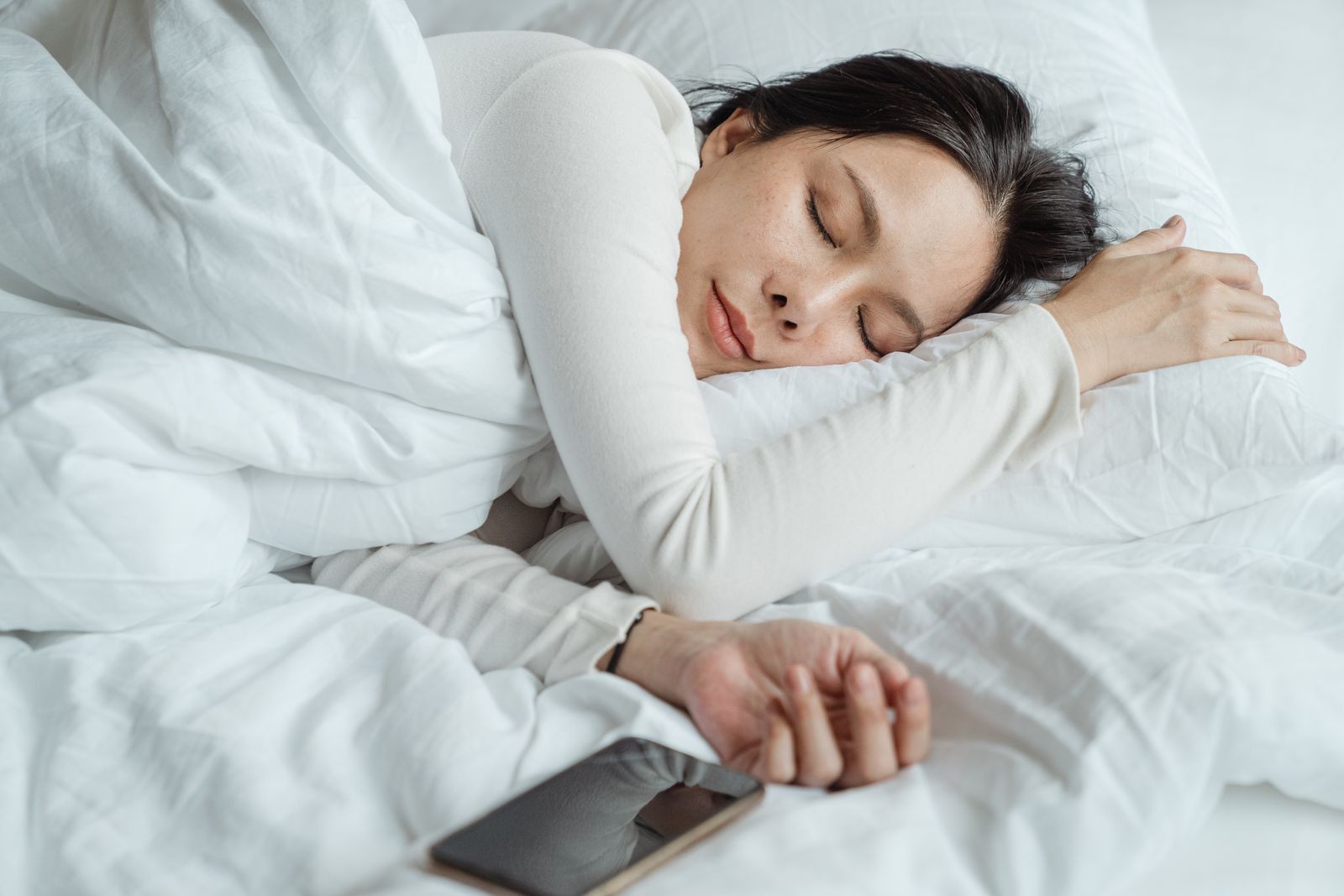
Understanding how do smart rings track sleep helps you decide whether a ring is a better fit than a watch or band for nightly monitoring. A smart ring is a small wearable, usually titanium or ceramic coated, that sits on the finger and uses sensors to estimate rest, heart rate and recovery trends while you sleep. For many shoppers in the United States, the appeal is comfort: a ring is lighter than most wristbands and easy to forget at bedtime.
This guide explains the sensors behind smart ring sleep tracking, how sleep stages on wearables are estimated, which features matter when you compare models and what limits you should keep in mind. It is written for general readers who want clear explanations rather than medical claims.
It is worth saying at the start that consumer devices are wellness tools, not diagnostic equipment. They are best at showing patterns over weeks, such as how a late meal or an irregular bedtime affects your numbers. Treat any single night as a rough estimate and focus on the long-term trend, which is where sleep trend monitoring becomes genuinely useful.
If you are still deciding between form factors, our comparison of a smart ring versus a fitness tracker for sleep sets out the practical trade-offs in comfort, battery life and data depth.
The Sensors Inside a Smart Ring
A smart ring packs several sensors into a very small shell. Each one captures a different signal, and software combines them into a nightly summary. The finger has dense blood vessels close to the surface, which gives optical sensors a strong signal compared with some wrist positions.
- Photoplethysmography (PPG): green and infrared LEDs measure changes in blood volume to estimate heart rate and heart rate variability.
- Accelerometer: detects movement, which helps separate stillness from restlessness and wake periods.
- Skin temperature sensor: records relative changes through the night, a signal often used to show trends over time.
- Blood oxygen estimation: some models report overnight oxygen saturation trends using red and infrared light.
None of these sensors measures brain activity directly. That distinction matters, and it leads to the next question: how a ring turns raw signals into sleep stages.
How Sleep Stages Are Estimated
Clinical sleep studies use electrodes to record brain waves. Rings cannot do that, so they infer sleep stages on wearables from proxy signals. Heart rate usually falls as you drift into deeper sleep, heart rate variability changes between stages, movement drops, and body temperature follows a gentle nightly curve.
Algorithms trained on lab data compare your signals with known patterns and classify each segment of the night as awake, light, deep or REM sleep. The result is an estimate. Studies of consumer devices generally find they do reasonably well at telling sleep from wake, and are less precise when separating individual stages, so use stage breakdowns as guidance rather than fact.
What a Typical Sleep Report Includes
| Metric | What it shows | How to use it |
|---|---|---|
| Total sleep time | Hours asleep, excluding awake periods | Compare against your own average |
| Sleep stages | Estimated light, deep and REM share | Watch trends, not single nights |
| Resting heart rate | Lowest sustained heart rate overnight | A rising trend may reflect stress or illness |
| Heart rate variability | Variation between heartbeats | Useful as a recovery indicator |
| Skin temperature | Deviation from your baseline | Spot unusual changes over days |
| Sleep score | Single summary number | Treat it as a quick headline only |
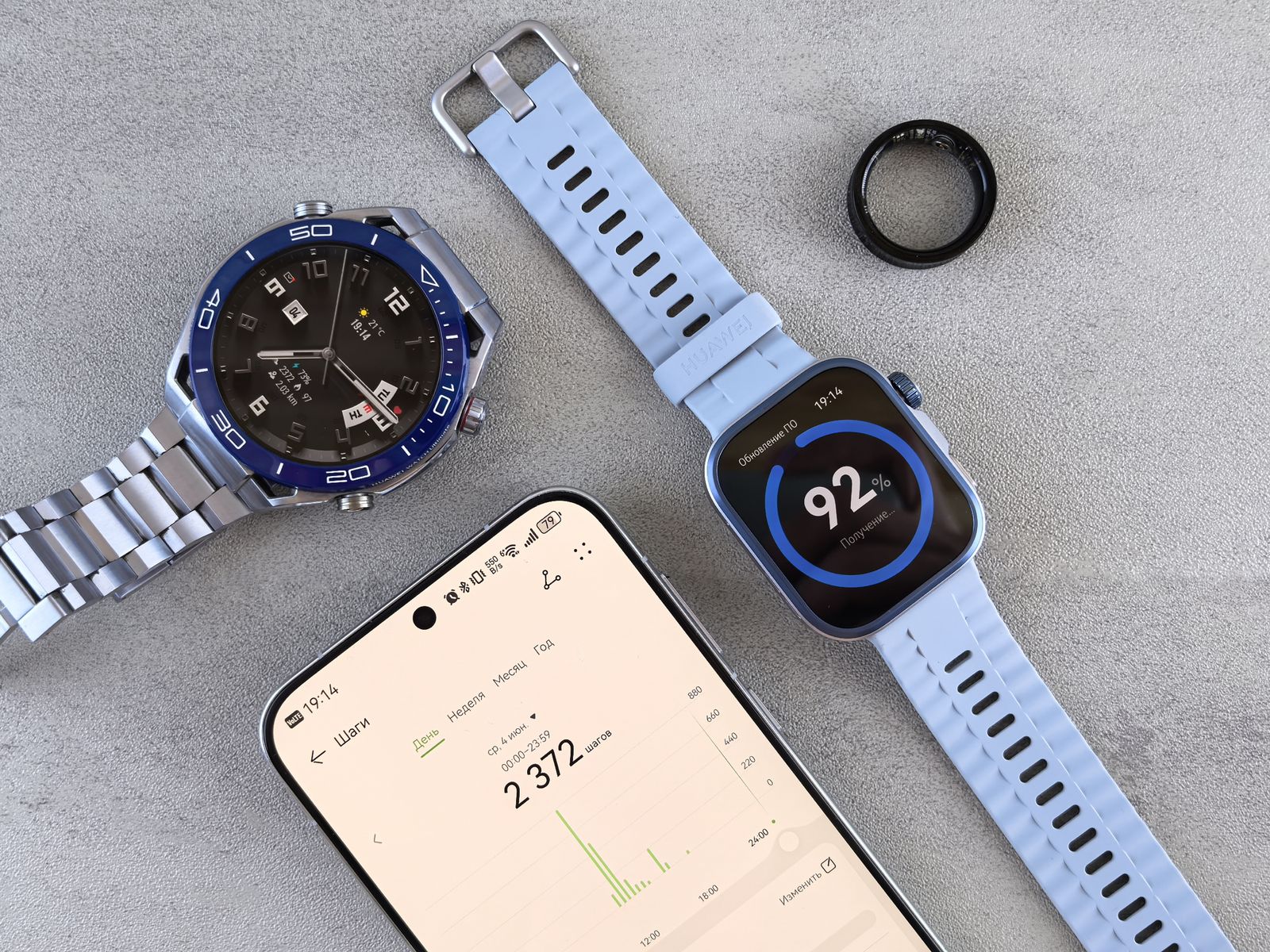
The table above shows the core outputs. Most apps also add a readiness or recovery score that blends sleep with recent activity. The more consistently you wear the ring, the more meaningful these baselines become. For a broader look at what wearables can and cannot tell you about the body, read our guide to choosing a wearable metabolic health tracker.
Features to Compare Before You Buy
Not every ring is built for the same user. Compare the following before you commit, because some features, such as battery and app access, shape the daily experience more than a spec sheet suggests.
- Battery life: multi-day battery means fewer charging gaps in your data. Look for real-world figures, not only claims.
- Comfort and sizing: a sizing kit is valuable because finger size changes through the day. Check the interior shape and weight.
- Water resistance: a swim-ready rating lets you wear the ring continuously.
- App quality: clear charts, exportable data and compatibility with your phone matter.
- Subscription model: some brands charge monthly for insights, others include them. Check the long-term cost.
- Sleep-focused insights: bedtime consistency, sleep debt and trend views help you act on the data.
If you are looking for a reliable option to compare, you can try RingConn, which positions its rings around sleep tracking, long battery life and app access without a mandatory subscription at the time of writing. Always confirm current specifications and pricing on the maker’s site before you buy.
Smart Ring vs Other Sleep Trackers
A watch offers a screen, notifications and strong activity tracking, but many people find it bulky in bed. A bedside device tracks without wearing anything, though it only reads one sleeper and room conditions. A ring sits in the middle: discreet, comfortable and focused on recovery data, but without a display or advanced workout features.
Your decision should follow your priorities. If you want maximum comfort and simple nightly summaries, a ring is a strong candidate. If you want live workout metrics, a watch or band may serve better, or you could pair a ring with a separate device.
Pros and Cons of Tracking Sleep With a Ring
Pros:
- Comfort: lightweight and unobtrusive overnight.
- Trend focus: excellent at highlighting changes in heart rate, temperature and recovery.
- Battery: many models last several days per charge.
- Discreet design: looks like jewelry rather than a gadget.
Cons:
- Estimated stages: not equivalent to laboratory measurement.
- No screen: you must open the app to see data.
- Fit sensitivity: a loose ring can reduce signal quality.
- Not medical: it cannot diagnose conditions such as sleep apnea.
Tips for More Reliable Sleep Data
- Wear the ring snugly on the same finger each night, usually the index or middle finger.
- Keep sensors clean and follow the maker’s guidance on charging.
- Maintain a regular bedtime for at least two weeks before judging trends.
- Note lifestyle factors such as caffeine, alcohol and late meals in the app.
- Look at weekly averages instead of reacting to one poor night.
If a pattern worries you, such as loud snoring, breathing pauses or persistent fatigue, speak with a qualified healthcare professional. A consumer ring can support a conversation, but it cannot replace one. For a real-world view of daily use, see our hands-on look at a smart ring health monitor.
FAQ
Q1: Are smart rings accurate for sleep tracking?
They are generally good at estimating total sleep time and wake periods, and less exact at separating sleep stages. Use the trends rather than any single night.
Q2: Do smart rings need a subscription?
It depends on the brand. Some include all features with purchase, while others charge monthly for advanced insights. Check the current terms before buying.
Q3: Which finger is best for sleep tracking?
The index or middle finger is commonly recommended because of good blood flow and a stable fit, but follow the instructions for your model.
Q4: Can a smart ring diagnose a sleep disorder?
No. It provides wellness estimates only. If you suspect a sleep disorder, consult a healthcare professional who can arrange proper testing.
Conclusion
Knowing how do smart rings track sleep makes it easier to read your data with realistic expectations. Rings combine PPG, motion and temperature signals to estimate sleep stages and recovery, and they shine when you focus on sleep trend monitoring over weeks. Compare battery life, comfort, app quality and subscription costs, and treat every score as guidance rather than diagnosis. For a sleep-focused option with long battery life, consider exploring RingConn alongside other brands, and continue your research with the sleep comparison linked above. Before finalizing a purchase, you can also review RingConn sizing options to make sure the fit is comfortable.






Leave feedback about this