

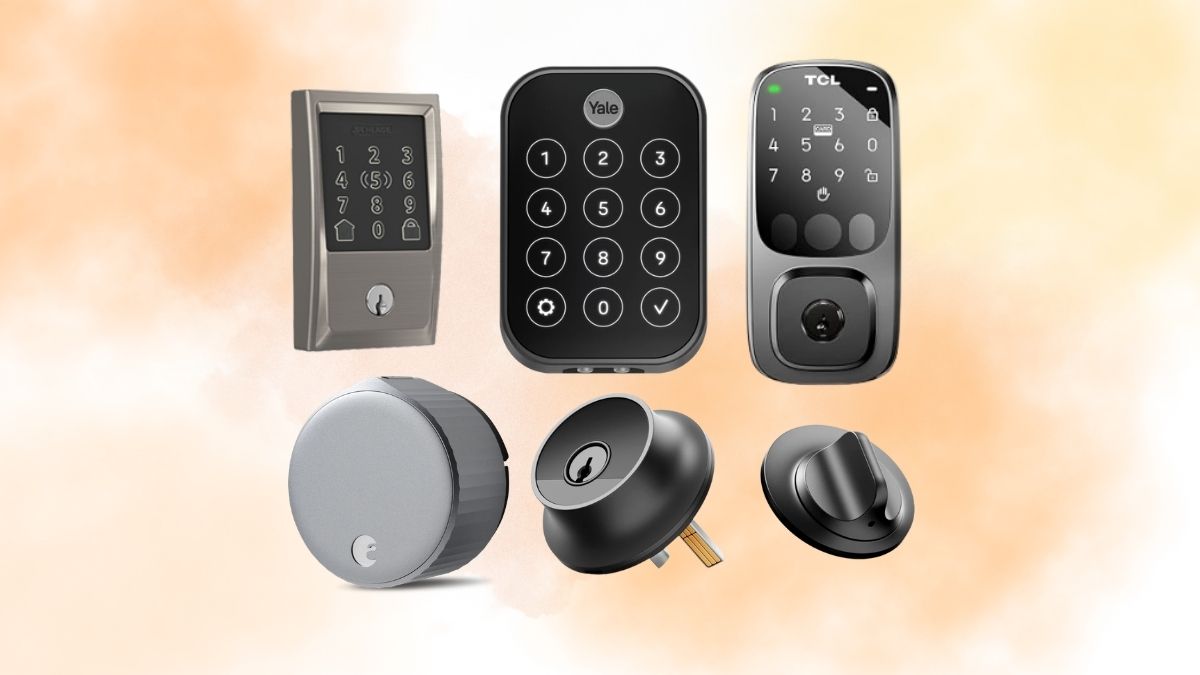
Shopping for a smart lock used to mean picking between a handful of clunky options that barely worked with a phone app. That is not the case anymore. The market has matured fast, and narrowing down the best smart locks 2026 has to offer now means sorting through fingerprint readers, video doorbells built into the deadbolt, and palm-vein scanners that sound like science fiction but are actually shipping today.
This guide walks through ten standout picks, what makes each one worth considering, and how to think about the features that actually matter for a front door.
What to Look For Before Buying
Not every smart lock prioritizes the same things, so it helps to know which smart lock security features 2026 buyers should actually care about before comparing specific models.
- Encryption and app security matter more than people realize, since a lock is only as secure as the software controlling it.
- Physical durability still counts. A BHMA security grade tells you how well a lock withstands physical tampering, not just digital attacks.
- Smart home compatibility varies a lot. Some locks work with Apple Home, Google Home, and Alexa all at once, while others stick to just one ecosystem.
- Battery life varies widely, from a few months on Wi-Fi-heavy locks to nearly a year on Bluetooth-only models.
- Backup access matters too, whether that is a physical key, a keypad code, or a fingerprint reader, in case the smart features ever fail.
1. Yale Assure Lock 2: Best Overall
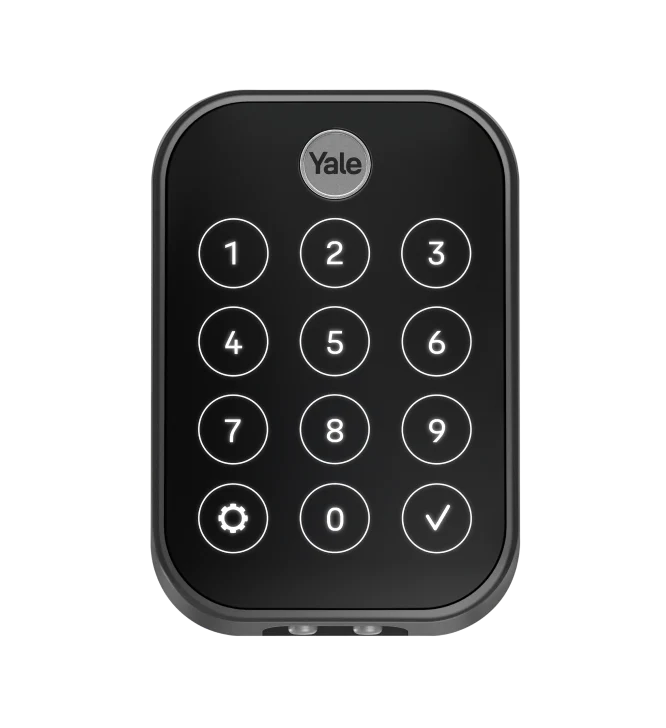
Yale Assure Lock 2 shows up near the top of nearly every list this year, and for good reason. It supports Alexa, Google Home, Apple HomeKit, and SmartThings, along with Matter compatibility, which means it plays nicely with almost any smart home setup already in place. The modular design lets buyers choose between Wi-Fi, Z-Wave, and other connectivity options depending on their needs.
Best for: Anyone who wants one lock that works with virtually every smart home platform without compromise.
2. August Wi-Fi Smart Lock: Best for Renters
August remains a favorite for renters specifically because it mounts over an existing deadbolt without replacing the original hardware, which matters a lot for anyone who cannot swap out a lock permanently. It offers solid smart home integration and a straightforward setup process that does not require any drilling.
Best for: Renters who need a smart lock that can come off just as easily as it went on.
3. Schlage Encode Plus: Best for Remote Access
Schlage has built a long-standing reputation in traditional locks, and the Encode Plus carries that trust into the smart lock space. It integrates with thousands of smart home devices through Z-Wave and Zigbee support, and it is frequently recommended for anyone who wants strong physical security paired with reliable remote access.
Best for: Homeowners who prioritize robust physical security alongside smart features.
4. Level Lock Pro: Best Overall Design
Level Lock Pro stands out for looking like a normal deadbolt rather than an obvious gadget bolted onto a door. Testers have noted its clean, low-profile appearance blends in well with classic hardware, and every unlocking method responds quickly. It does skip biometrics and a rechargeable battery, which is worth knowing upfront.
Best for: Anyone who wants smart functionality without a lock that screams “smart home device.”
5. Aqara Smart Lock U100: Best for Guests and Workers
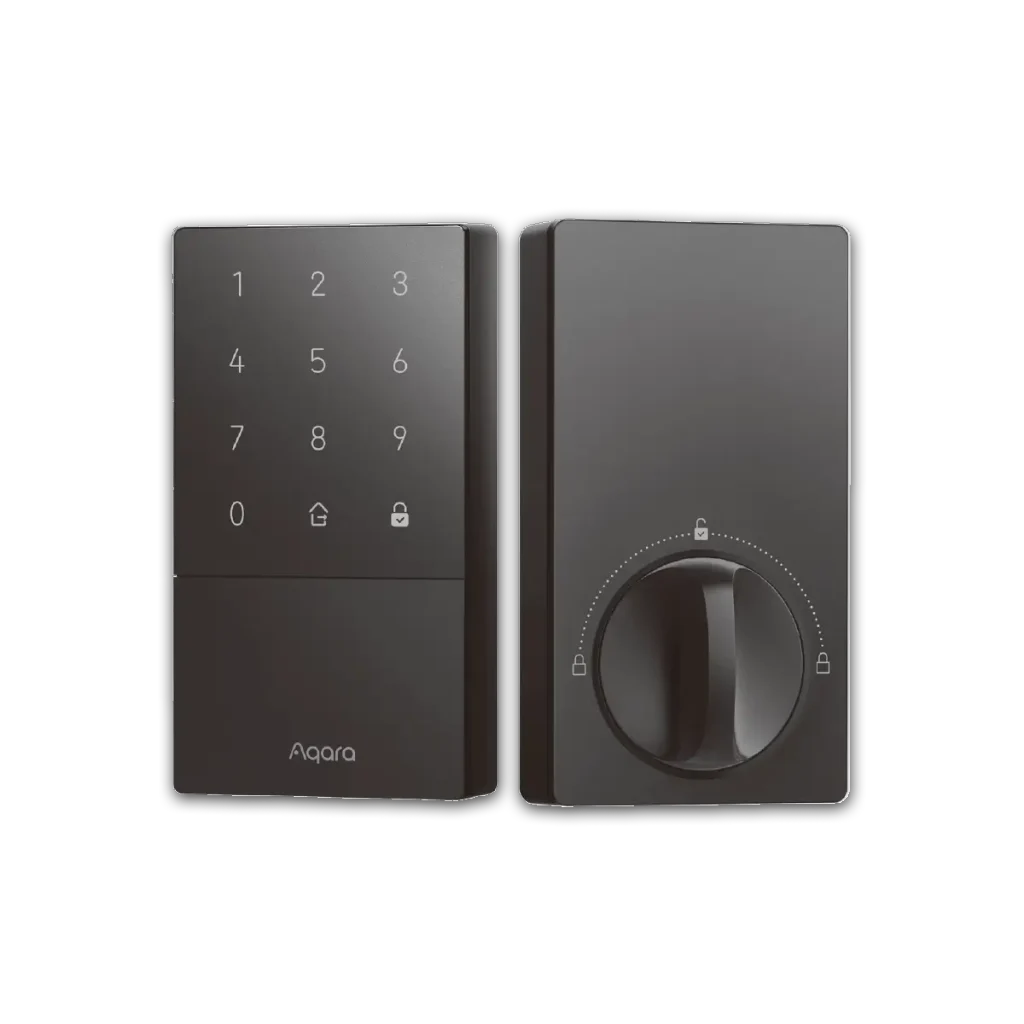
Aqara has built a strong reputation around flexible access options, making the U100 a smart pick for households that regularly need to grant temporary access to guests, dog sitters, or contractors. The related U400 model adds ultra-wideband support for hands-free unlocking, which is a nice touch for anyone juggling groceries at the door.
Best for: Households that frequently need to manage multiple guest or worker access codes.
6. Eufy Video Smart Lock S330: Best Video Smart Lock
Eufy combines a built-in camera directly into the lock itself, which means homeowners get a live view of whoever is at the door without needing a separate video doorbell. This two-in-one approach appeals to anyone who wants visual confirmation before granting entry, rather than relying on a code or fingerprint alone.
Best for: Anyone who wants combined video monitoring and locking in a single device.
7. TCL D1 Pro Palm Vein Smart Lock: Best Biometric Option
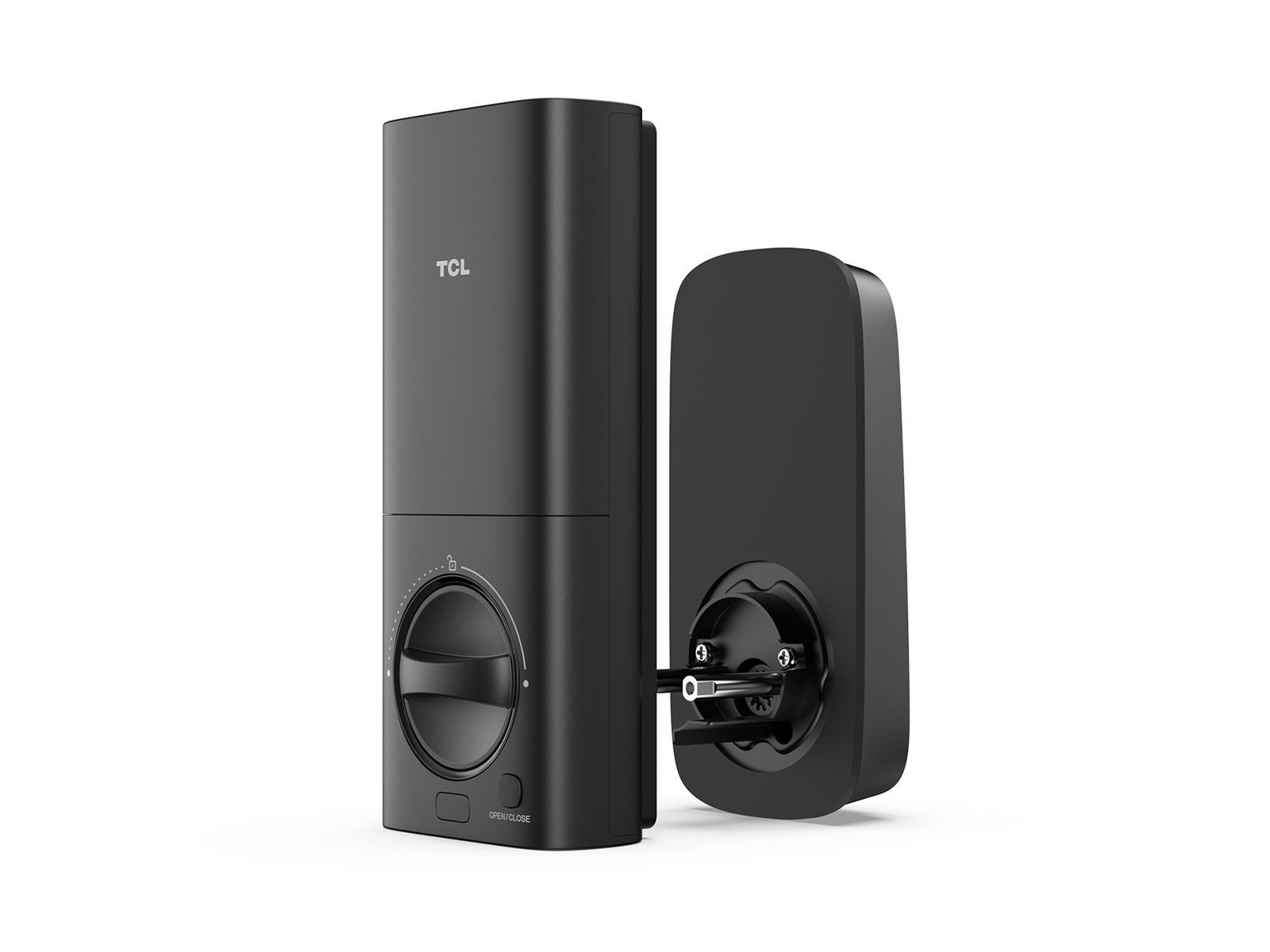
TCL takes biometric access a step further with palm-vein recognition, a technology that reads the unique vein pattern beneath the skin rather than a surface fingerprint. It is one of the more futuristic options on this list, and it appeals to anyone who wants biometric access without relying on a fingerprint sensor that can struggle with wet or dirty hands.
Best for: Tech enthusiasts who want the newest biometric unlocking method available.
8. Lockly Visage Zeno Series: Best for Apple HomeKit
Lockly’s Visage Zeno Series is a notable upgrade over earlier Lockly designs, arriving smaller, simpler to use, and noticeably quieter during operation. The Apple Home integration is especially strong here, with no separate hub required and genuinely simple controls through the Home app.
Best for: Apple HomeKit households that want deep ecosystem integration without added hardware.
9. Kwikset Halo Touch: Best for Straightforward Fingerprint Access
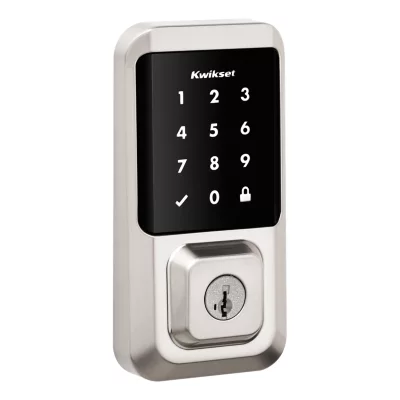
Kwikset has long been a familiar name in traditional locks, and its smart lineup carries that same reputation for reliability into fingerprint-based access. It skips some of the flashier features found elsewhere on this list in favor of a dependable, no-frills experience.
Best for: Buyers who want fingerprint access without a steep learning curve.
10. Defiant Deadbolt: Best Value Pick
Defiant rounds out this list as the most budget-friendly option, offering solid core smart lock functionality without the premium price tag attached to some competitors. It will not have every bell and whistle, but it covers the essentials well for anyone easing into smart home security for the first time.
Best for: Budget-conscious buyers who still want dependable smart lock basics.
A Quick Smart Lock Comparison 2026
Running a simple smart lock comparison 2026 buyers can use side by side often comes down to three questions: which smart home ecosystem is already in place, how much physical security matters versus convenience features, and whether temporary guest access is a regular need. Yale and Level both lean toward broad compatibility and clean design; Schlage and Kwikset lean toward physical security and brand trust, while Aqara Cand Lockly lean toward flexible access management for busy households.
Top Smart Lock Brands 2026 Worth Knowing
Among the top smart lock brands 2026 has to offer, Yale, August, and Schlage remain the most established names, each backed by years of hardware experience long before smart features entered the picture. Newer entrants like Aqara, Level, and Lockly have carved out space by focusing on specific strengths, whether that is ecosystem integration, minimalist design, or flexible access management.
Where to Find Reliable Smart Lock Reviews 2026
Reading independent smart lock reviews 2026 sources published recently is worth the extra effort before buying, since real-world testing over weeks or months tends to reveal battery life issues and app quirks that do not show up in a quick unboxing. Long-term forum discussions and home automation communities often surface persistent bugs that official spec sheets never mention.
Frequently Asked Questions
Q: Do smart locks work during a power outage or Wi-Fi disruption?
Most smart locks run on battery power rather than home electricity, so a power outage alone will not lock anyone out. A Wi-Fi disruption usually only affects remote access and notifications, since most locks still work locally through Bluetooth, a keypad, or a physical key as backup.
Q: How long do smart lock batteries typically last?
It varies by connectivity type. Wi-Fi-heavy locks tend to need new batteries every few months, while Bluetooth-only models can often last close to a year on the same set. Locks with a built-in camera, like video smart locks, usually drain batteries faster due to constant monitoring.
Q: Are smart locks actually more secure than traditional deadbolts?
It depends on the model. A smart lock’s physical security is often rated separately from its digital security, using something like a BHMA grade for tamper resistance alongside encryption standards for the app and network side. A well-built smart lock can match or exceed a traditional deadbolt on both fronts.
Q: Can multiple family members use the same smart lock without sharing one code?
Yes, most models on this list support multiple access methods at once, including individual codes, fingerprints, or app-based access tied to separate user profiles. This also makes it easy to remove access for one person without affecting anyone else’s.
Q: Is professional installation required for a smart lock, or can it be a DIY project?
Most smart locks are designed for DIY installation and typically take under 30 minutes with basic tools. Some, like over-the-deadbolt options made for renters, require no drilling at all, while full deadbolt replacements may need a bit more adjustment depending on the existing door hardware.
Final Thoughts
There is no single smart lock that fits every household perfectly, and the right pick really depends on what already exists in a home’s smart ecosystem, how much physical security matters, and whether guest access needs to be flexible. Whether the priority is Yale’s broad compatibility, Schlage’s physical durability, or Eufy’s built-in camera, this year’s lineup makes it easier than ever to find a lock that fits both a budget and a lifestyle.





Leave feedback about this