

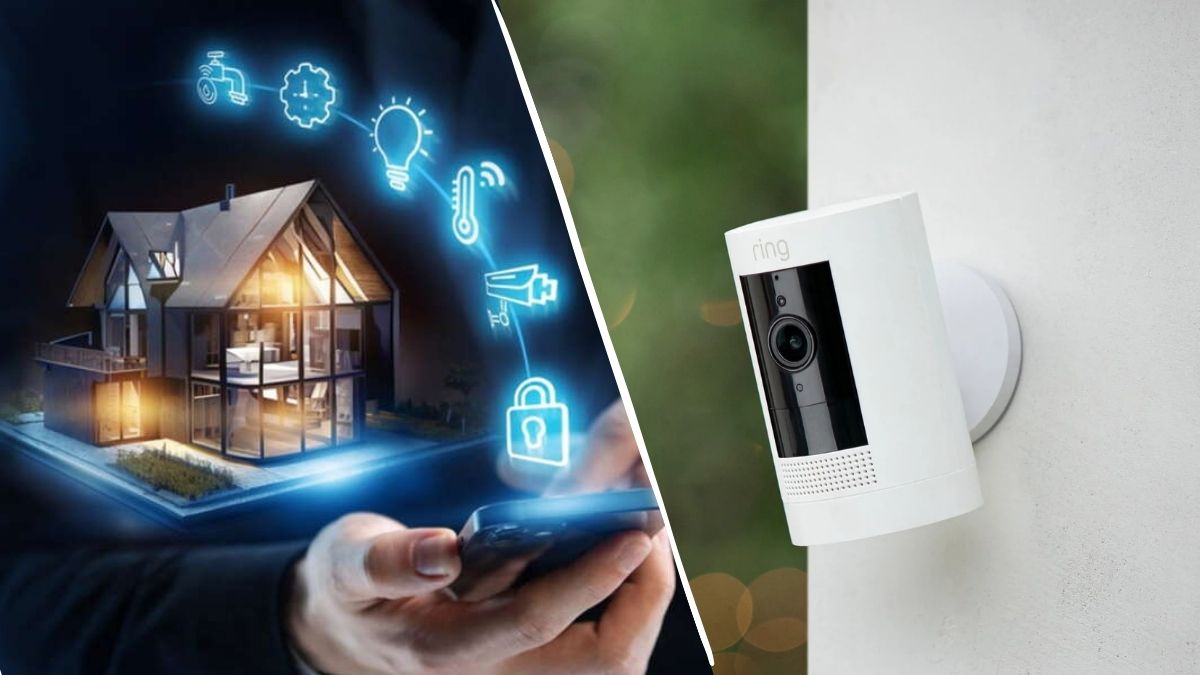
In recent years, home security has gone through a major transformation. A decade ago, it was something that only the wealthy could afford because it required professional installation. Now it is accessible to everyone through smarter and more flexible products.
At present, in the US, both homeowners and renters usually face the decision of whether to go with the trendy smart systems, such as Ring home security, or stick to the old and reliable traditional systems.
Each alternative carries its own perks and, for example, some focus on ease and price while others aim at being dependable and professionally monitored. This article will guide you through the main differences, features, prices, and practical uses so that you will be able to choose the one that suits you best.
What Is Ring Home Security?
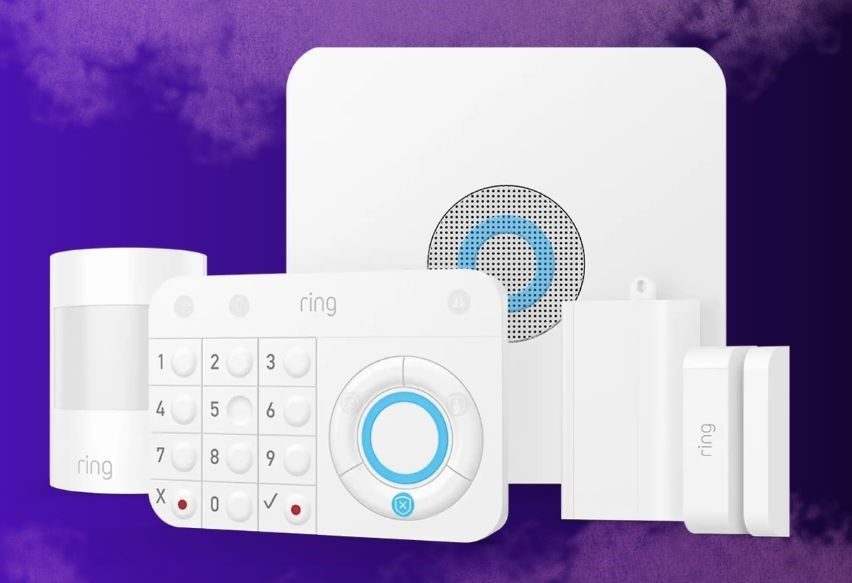
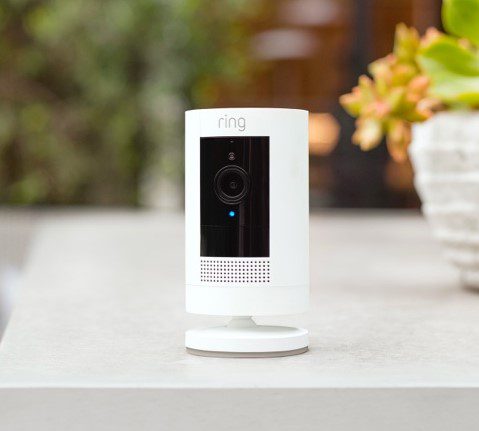
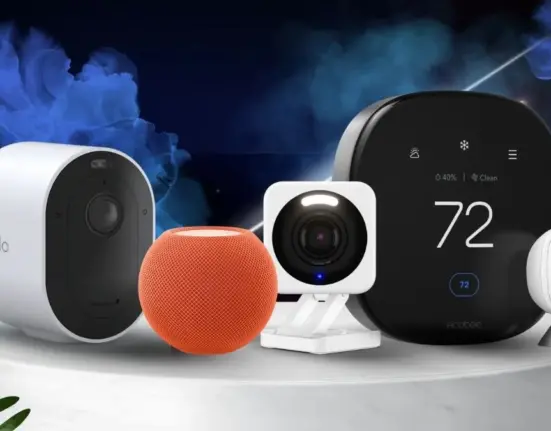
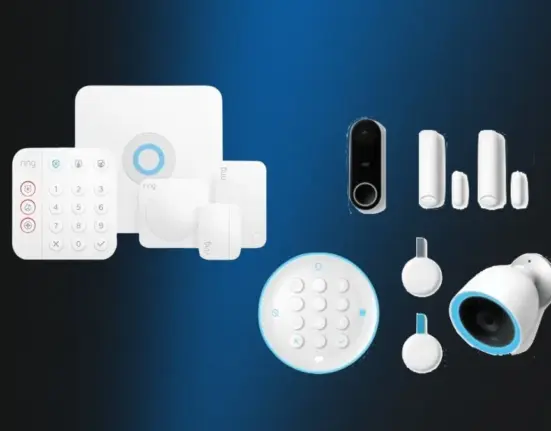
Ring home security system is a smart thing that you control with your phone. It’s mainly a software that lets you manage the devices at home. The system is an exclusive collection of a video doorbell, an indoor/outdoor camera, a motion sensor, and a Ring alarm system that are all accessible through a mobile app.
If we talk about the biggest reason why it has been the favorite of the American people is its simplicity. For the most part, you can DIY the device installation. Everything is accessible through your phone, which means that you can easily keep an eye on your home, wherever you are.
The whole thing can work together smoothly with other smart home devices, which makes it a perfect choice for people using connected technology.
What Are Traditional Home Security Systems?
Traditional home security systems are typically installed by professionals and often include wired components. These systems have been around for decades and are commonly offered by companies that provide full-service monitoring. A typical setup may include:
- Door and window sensors
- Motion detectors
- Control panels
- Alarm sirens
- 24/7 professional monitoring
These systems have a reputation for being very dependable and are typically installed in residential buildings where securing the premises over an extended period of time is the main concern. On the other hand, they are typically sold with agreements, and the initial expenses may be higher than those for the newer alternatives.
Ring vs Traditional Security Systems: Key Differences
Here are the key differences between traditional and ring-based systems:
Installation and Setup
Ring security systems have been designed for DIY installation, so most users can install a system in under an hour, even with basic tools. In fact, this is one of the reasons why they are an excellent choice for renters or anyone else who wants a fast install.
Traditional security systems, however, are occasionally so complex that they require a professional to install them, which can take more time and involve drilling or wiring. Although such a method can ensure a perfect installation, it also raises the cost.
Cost and Subscription
The ring system is normally less costly at the outset. Initially, you can have a simple system and gradually add more as you go along. To access certain features such as video storage and professional monitoring, you will need to subscribe to a plan.
Typical home security systems usually have more expensive initial costs. Besides the fact that most providers charge monthly fees, they also usually require long-term contracts, which may, in turn, raise the overall cost over time.
Features and Technology
Ring’s priority is on smart features. You get things like real-time alerts, an option to view videos live, motion detection, and the ability to control through an app. It keeps getting updated with new features all the time, hence it is attractive to the tech-savvy ones.
Old-fashioned security systems priorities security over other features. Some of the recently introduced models may have some smart features, but in general, their flexibility is quite limited compared to the modern wireless home security systems, such as Ring.
Monitoring and Response
When you use Ring, you get to decide whether you want to monitor your security yourself or have it professionally monitored. Notifications come straight to your mobile device so that you can act quickly. Normally, conventional security systems come with professional monitoring as a built-in feature.
If an alarm goes off, the monitoring center can be authorized to call for help or emergency services for you. This way, you get an additional security measure. However, the downside is that it may cost you more.
Flexibility and Scalability
Ring systems are really versatile. You can connect or disconnect devices whenever you want without doing a major overhaul. That’s why they’re great for growing families or people who change their residence quite often.
On the other hand, old systems are pretty inflexible. If you want to enlarge or change the arrangement, you are in most cases to get professional help, which not only costs you time but also money.
Which One Is Better for Your Needs?
The right choice depends on your lifestyle and priorities.
- For renters: Ring is usually the better option due to its portability and easy setup.
- For homeowners: Both options can work, depending on budget and preference.
- For tech-savvy users: Ring offers more control and smart features.
- For maximum security and support: Traditional systems provide professional monitoring and reliability.
If you want something simple and modern, Ring is a strong choice. If you prefer a hands-off approach with expert monitoring, traditional systems may suit you better.
Ring vs Wireless Home Security Systems: Is There a Difference?
Ring is a brand that belongs to the bigger group of wireless home security systems. Such systems use Wi-Fi and batteries to operate the devices instead of connecting them via wires. Ring is different from other wireless alternatives by the great app for users and many types of products.
However, other brands have the same kind of flexibility and features. The first main benefit of wireless systems is their convenience. You don’t need a complicated installation to get your system working underground. Therefore, compared with the traditional setups, you can install, move, and upgrade wireless systems easily.
FAQs
Ans. Yes, it is reliable for most users, especially with a strong internet connection.
Ans. Basic features are free, but advanced features require a monthly subscription.
Ans. They offer stronger monitoring, but Ring is more flexible and affordable.
Ans. For many users, yes. However, some may still prefer professional monitoring.
Ans. Ring is one of the best options due to its easy setup and portability.
Final Verdict
Deciding which one is better, Ring home security or traditional home security systems, depends on your criteria of what you consider important. If you want cheapness, flexibility, and intelligent features, Ring is a very good match. For tenants and those who like DIY, it is an exceptionally good solution.
On the other hand, conventional systems can provide a more organized arrangement through professional monitoring, and would also be expected to remain dependable for a longer period. Each method has its own way of doing the job effectively. The most suitable one is really the one that meets your home’s conditions, your monetary plan, and the manner in which you are going to operate your security.



Leave feedback about this